

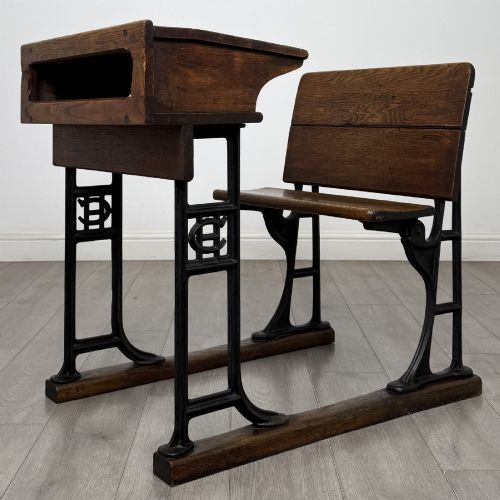
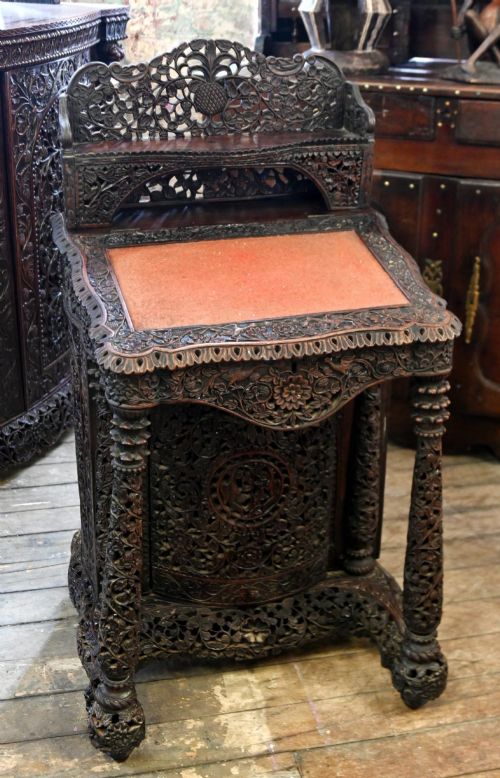
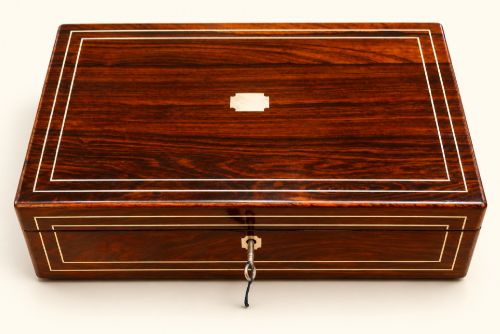
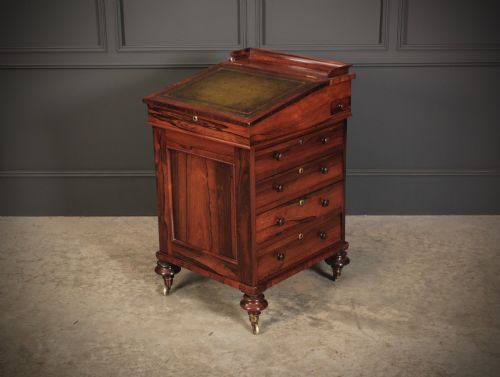
Dark Wood Writing Slope
A dark wood writing slope is a portable or compact writing cabinet designed for correspondence, bringing tactile warmth and period craftsmanship to a modern room.
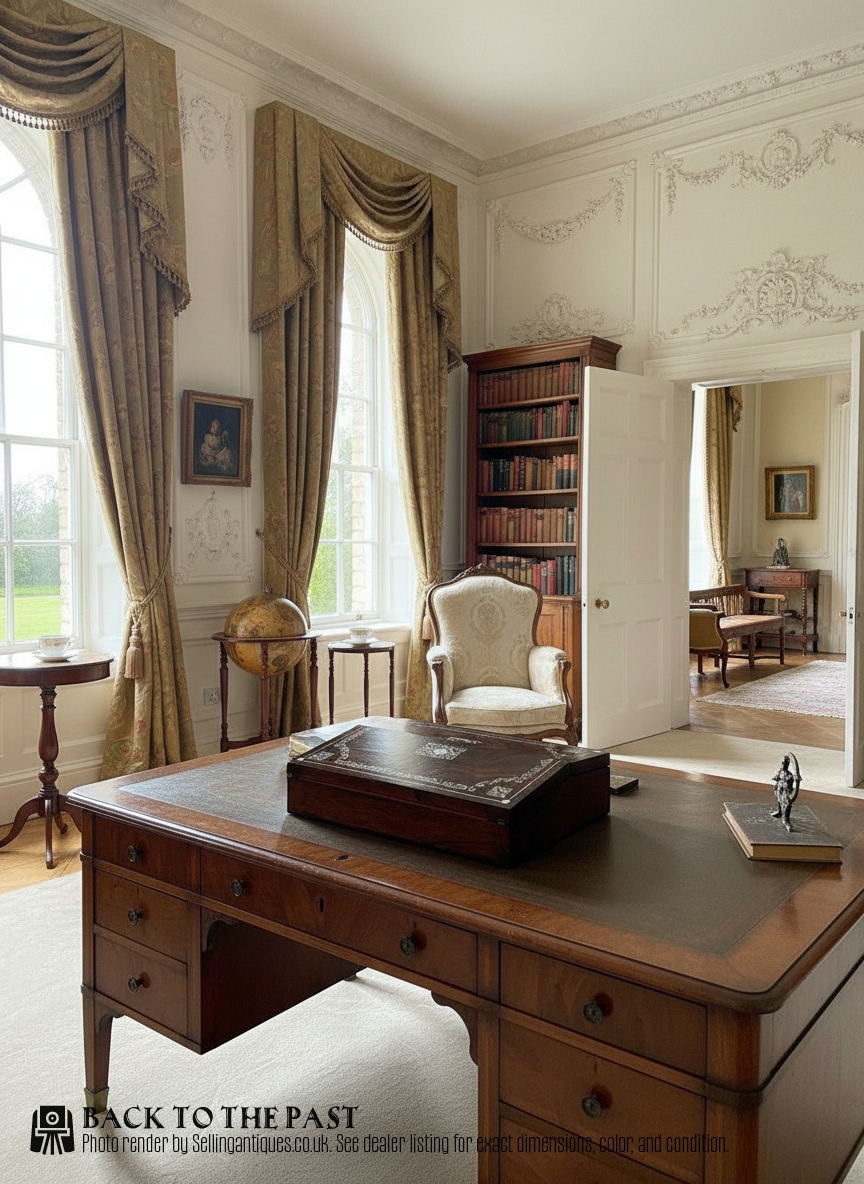
Dark Wood Writing Slope
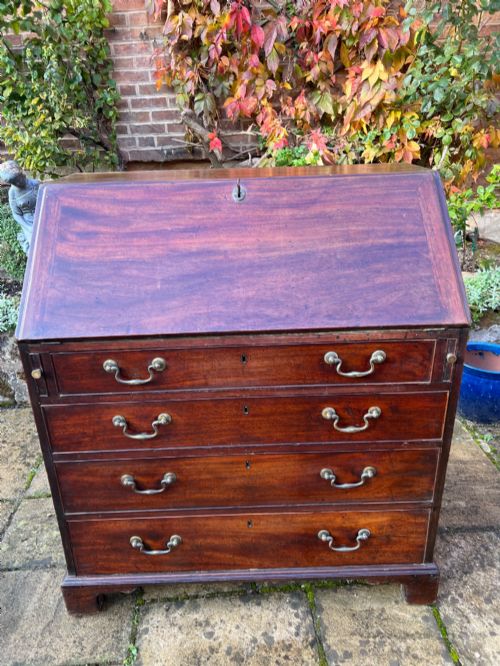
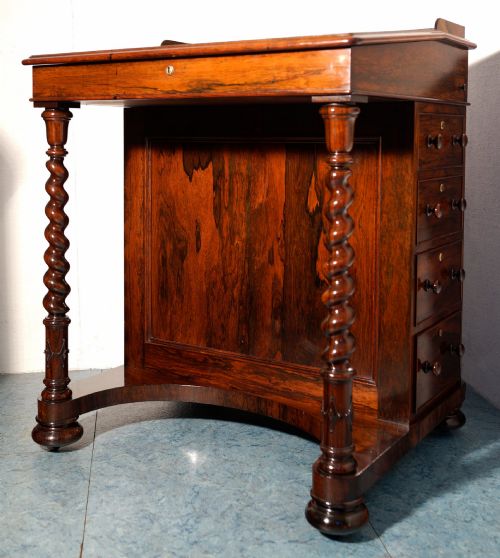
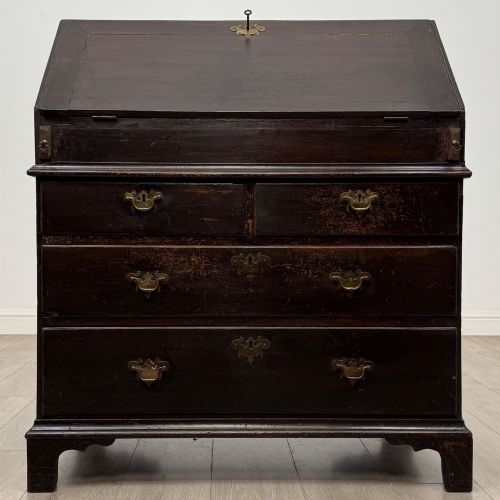
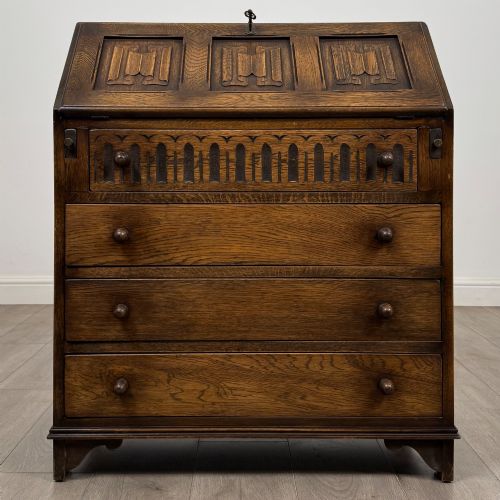
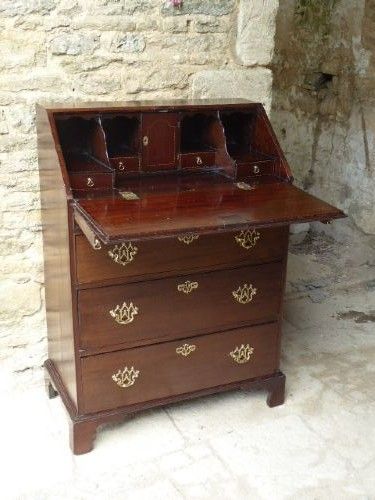
When you search for a dark wood writing slope, you are looking at portable writing boxes and slope-front desks constructed from timber such as mahogany, rosewood, oak, and walnut. These pieces date across the 18th, 19th, and early 20th centuries, spanning the Georgian, Victorian, Edwardian, Regency, and William IV eras.
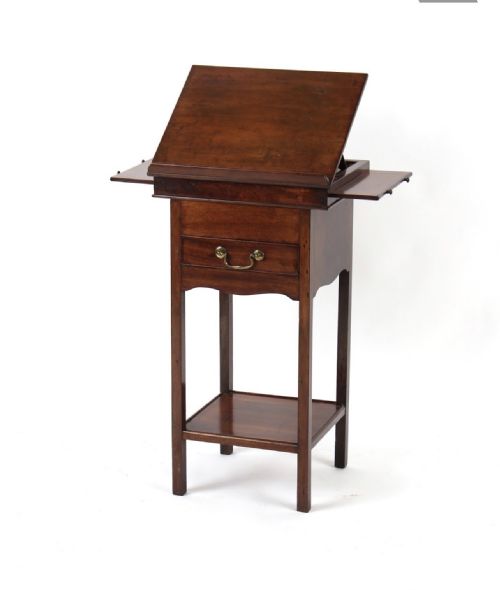
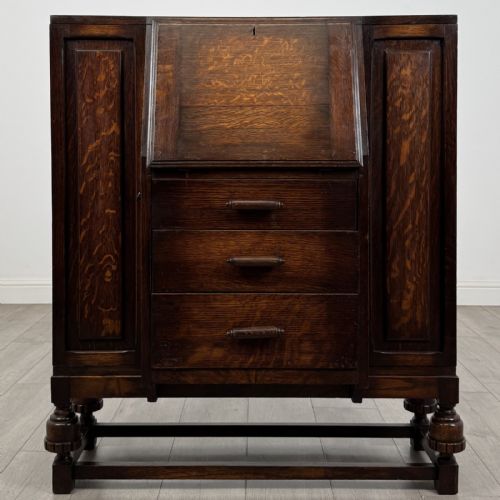
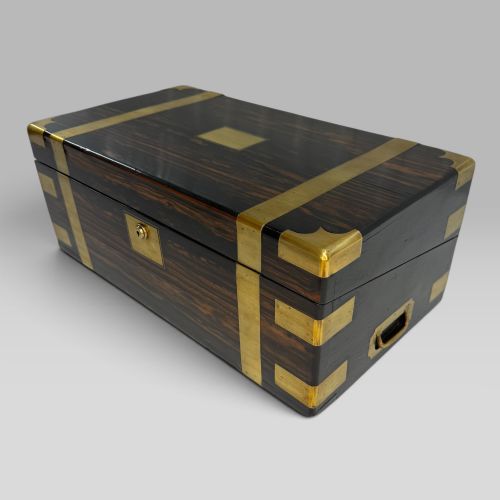
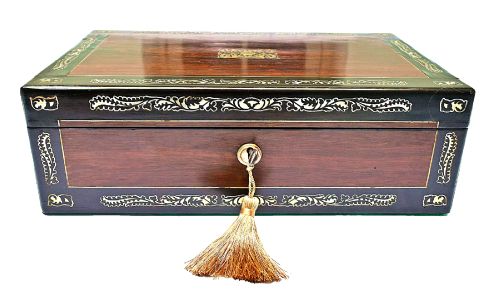
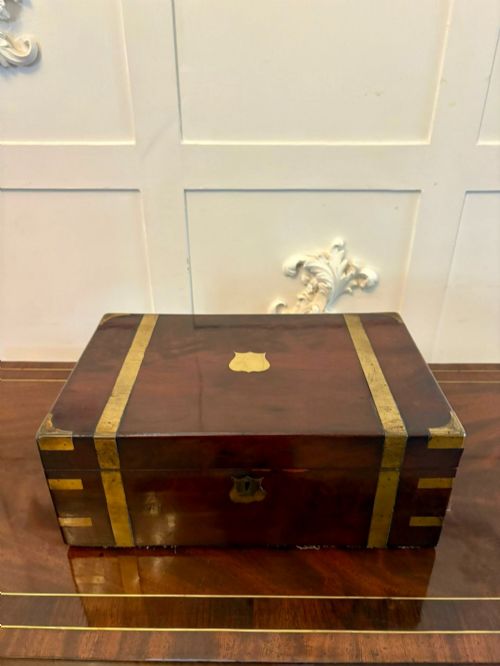
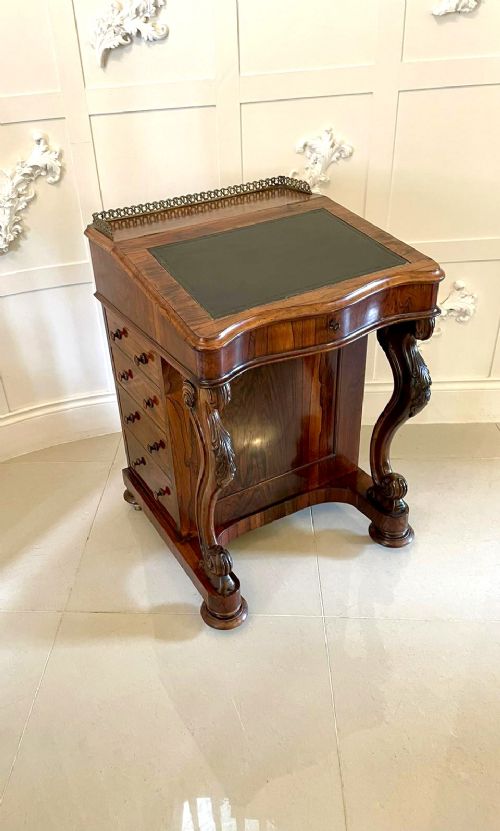
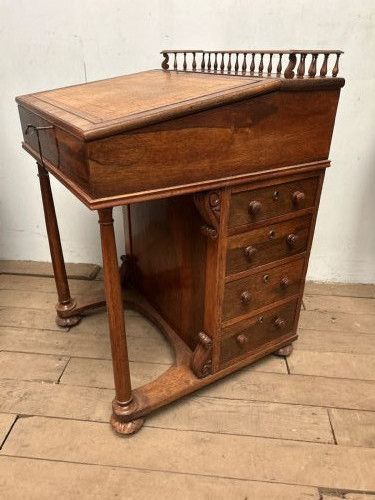
The objects on this page include traditional folding writing boxes with fitted interiors, slope-top desks, and upright bureaux. Mahogany and rosewood examples dominate the selection, often featuring brass mounts or leather writing surfaces.
Originating as essential tools for correspondence when travel required portable desks, these pieces now function as decorative desktop organizers or compact writing stations in the home.

How they were made
Cabinet makers utilised dense timbers like mahogany, rosewood, and coromandel, often selecting stock with strong natural grain and figure. Brass was frequently employed for corner mounts, escutcheons, and inlay work to reinforce corners and protect the wood during travel.
Interiors were lined with leather surfaces for writing and fitted with small drawers, pigeonholes, and compartments for inkwells and pens. Secondary woods like oak or pine appear in the internal drawer construction and carcase linings.
Dark Wood Writing Slope Retail Price Guide 2026
Typical asking prices for dark wood writing slope among the pieces listed under this phrase on Sellingantiques today, from the lower quarter to the upper quarter. They describe what is for sale here now, not the wider market.
What varies in quality
The distinction between standard examples and the finest pieces lies in the selection of timber figure, such as flame mahogany or richly grained rosewood. Precision in brass inlay and the complexity of internal secret drawers also separate basic utility boxes from superior cabinet work.
Construction details such as dovetailed drawer joints, original working locks with keys, and untouched patination indicate higher workshop standards. Pieces showing integrated brass binding and finely carved or marquetry-inlaid surfaces represent the upper tier of the range.
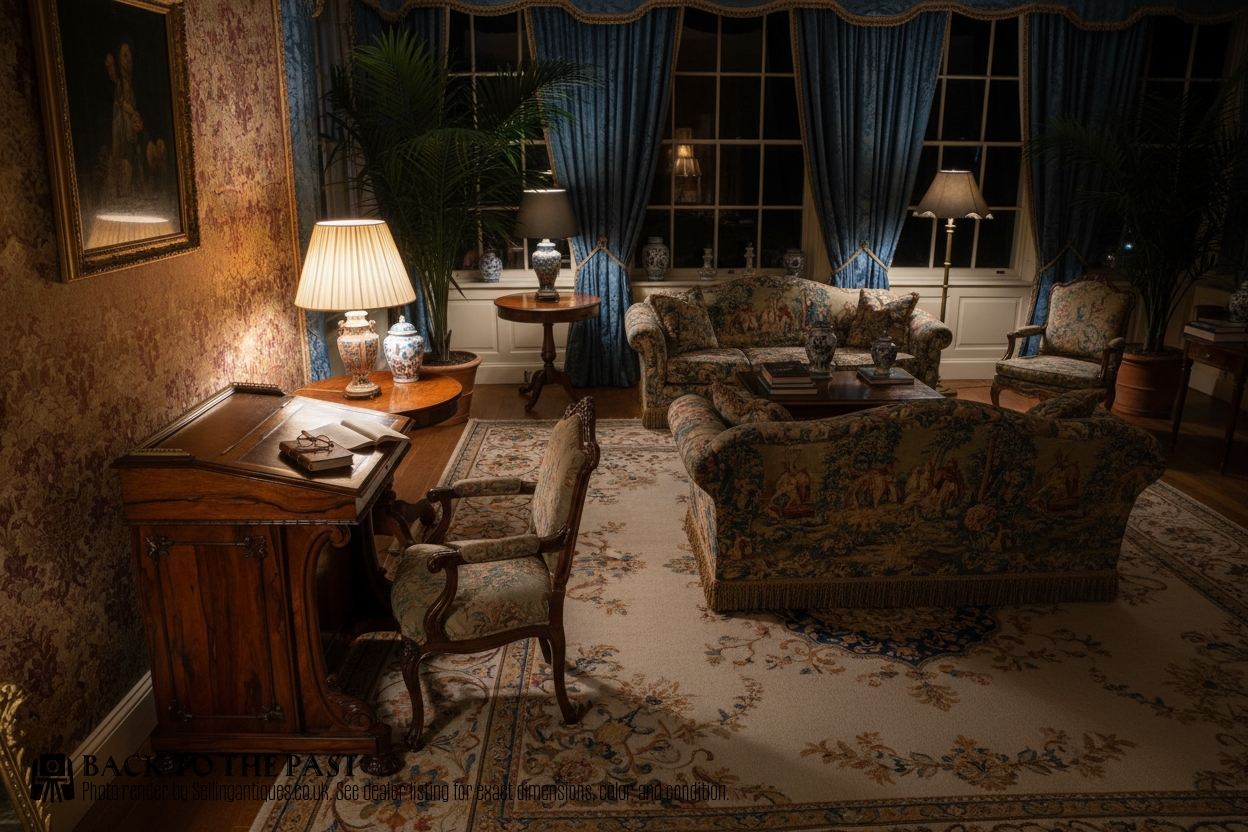
Gillows·Pairs MFG Co
The Dark Wood Writing Slope Glossary
- Writing slope
- A portable box with a hinged, slanted lid that opens to reveal a desk surface and stationery compartments. It was designed for travel and home use.
- Davenport
- A compact desk featuring a sloped writing surface above a pedestal of drawers. It gained popularity during the Regency and Victorian periods.
- Escutcheon
- A flat plate of brass surrounding a keyhole. It protects the surrounding wood from wear and adds a decorative accent.
- Campaign
- Desks and boxes built for military travel, often fitted with recessed brass handles and reinforced corners. They dismount or fold for portability.
- Secret drawers
- Concealed compartments hidden behind false partitions or triggered by spring mechanisms. They were used for storing valuables and sensitive papers.
Dark Wood Writing Slope: Frequently Asked Questions
What is a dark wood writing slope?
A dark wood writing slope is a portable box with a slanted lid that folds open to create a writing surface. These pieces were built to store paper, ink, and correspondence instruments.
They appear in timbers such as mahogany, rosewood, and oak, often featuring fitted internal compartments and brass hardware.
How do I date a writing slope?
Dating involves examining the timber species, construction methods, and hardware styles used by the cabinet maker. Georgian and Regency pieces often show clean architectural lines and rosewood veneer, while Victorian examples frequently include heavy brass binding.
Secondary woods inside the drawers and the style of the escutcheons also help narrow down the period of manufacture.
How were writing slopes used?
These boxes provided a stable, inclined surface for writing letters before the widespread use of fitted structural desks. Travellers carried them on coaches and ships to maintain correspondence away from home.
Inside, the slanted lid opens to reveal storage space for inkwells, nibs, and stationery, sometimes concealing secret compartments.
What timber was used?
Cabinet makers utilised dense hardwoods including mahogany, rosewood, coromandel, and oak. These timbers were chosen for durability and rich natural grain patterns.
Secondary woods such as pine and cedar frequently appear in the concealed linings of internal drawers.