
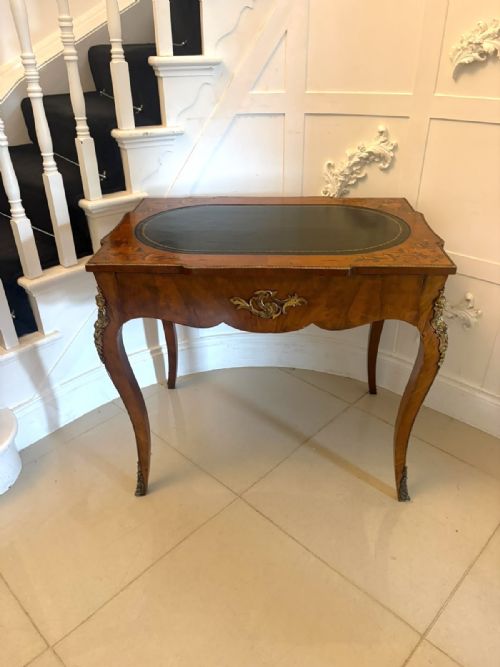


Freestanding Writing Desk
A freestanding writing desk offers a finished back designed to sit proudly in the middle of a room rather than against a wall.
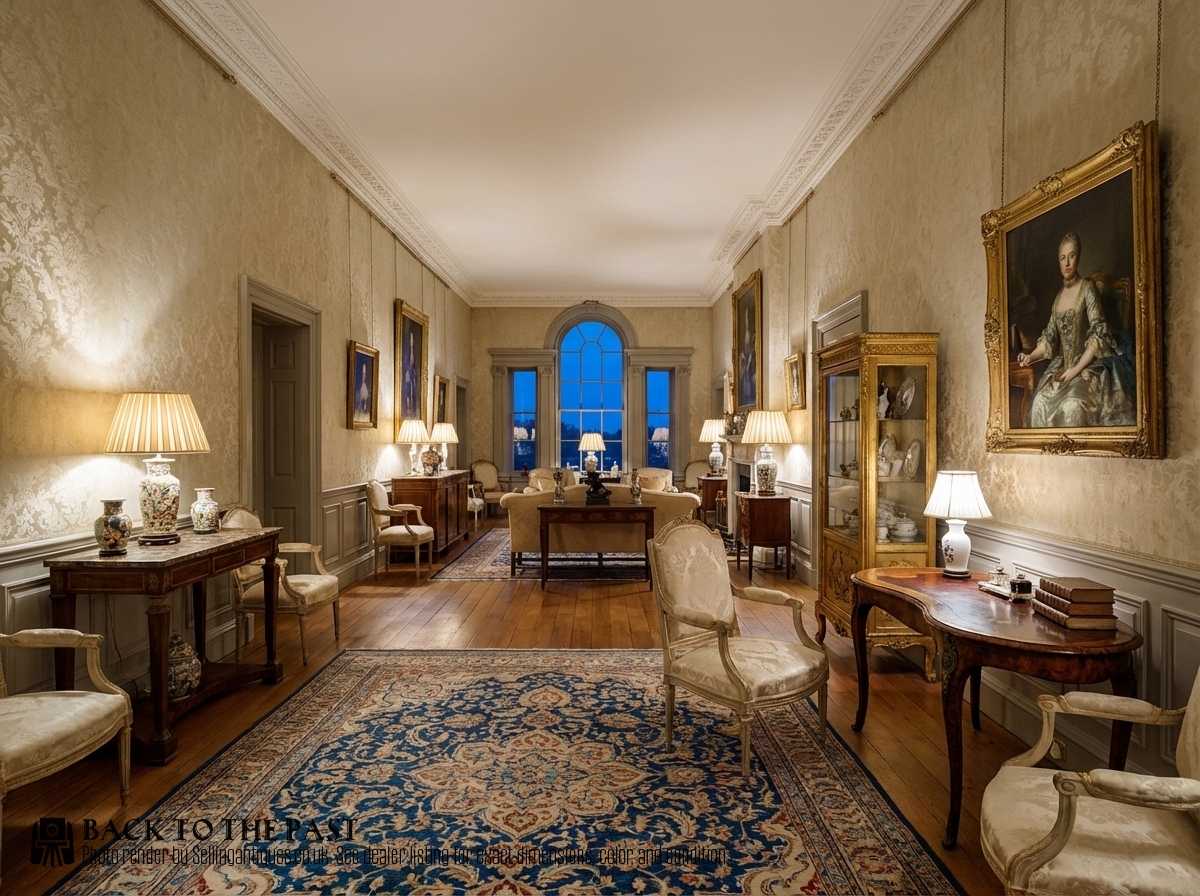
Freestanding Writing Desk
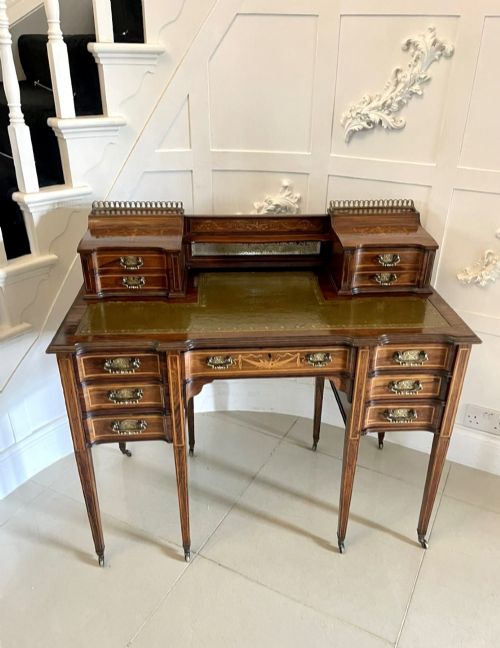
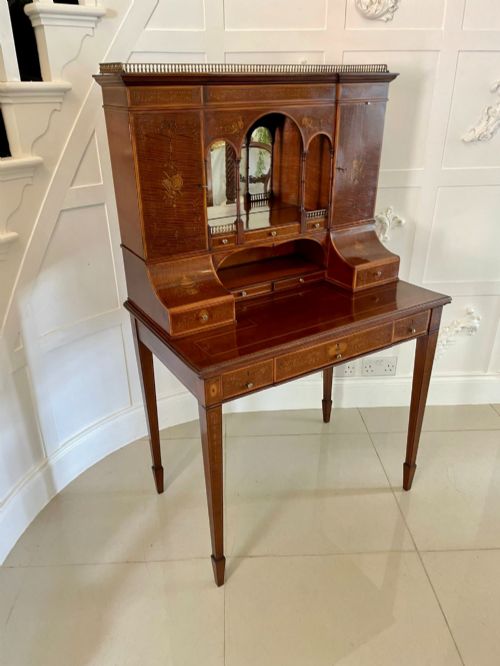
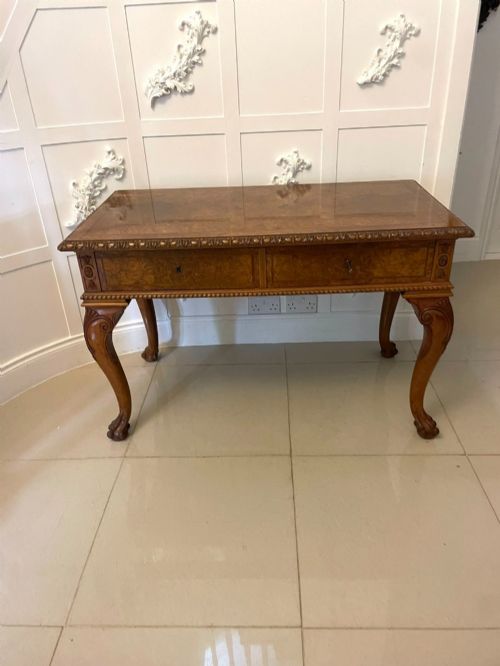
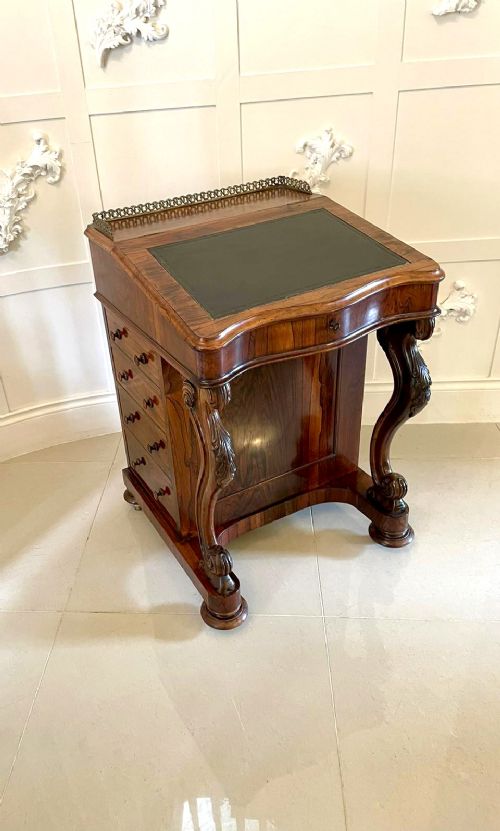
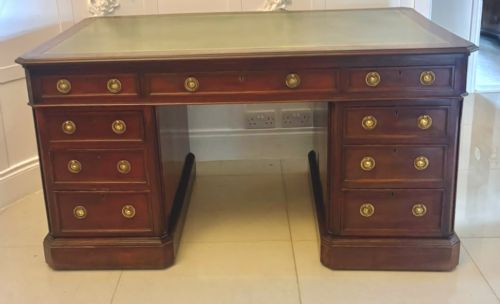
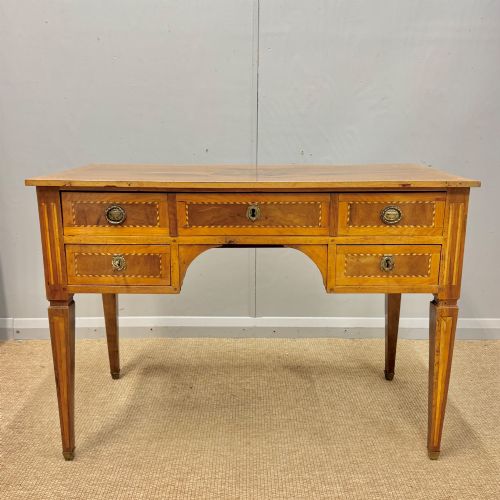
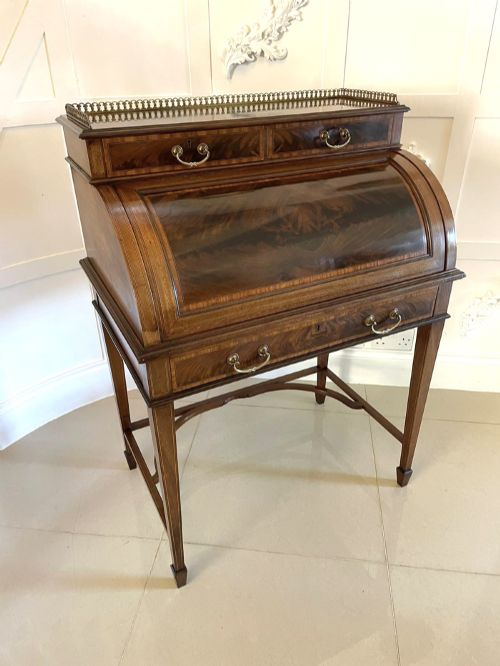
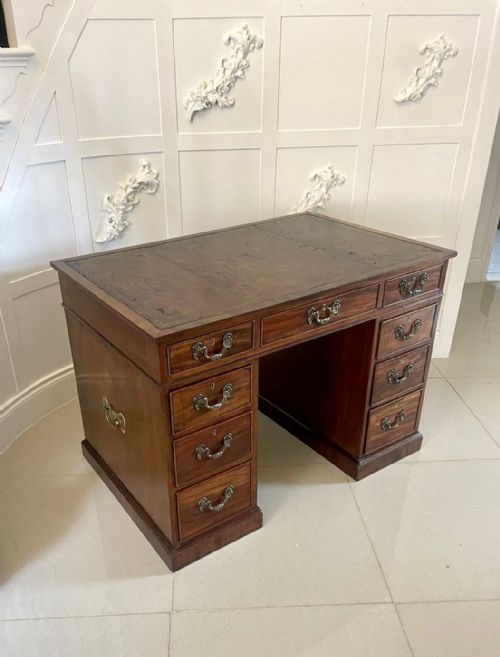
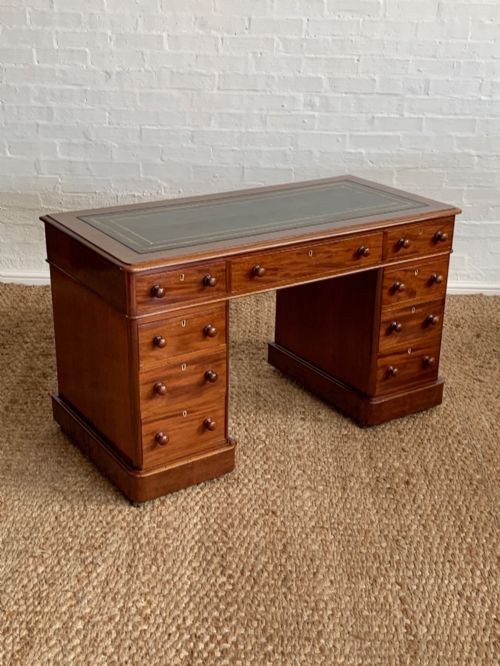
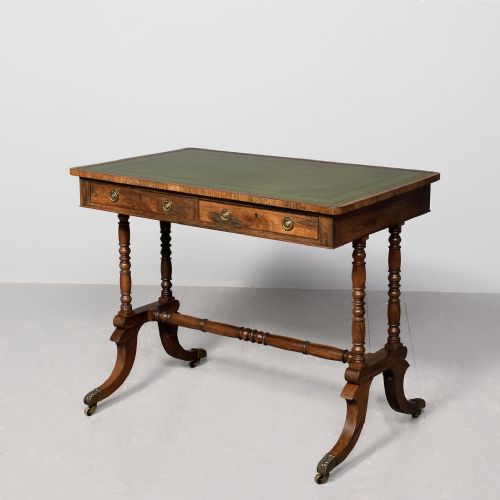
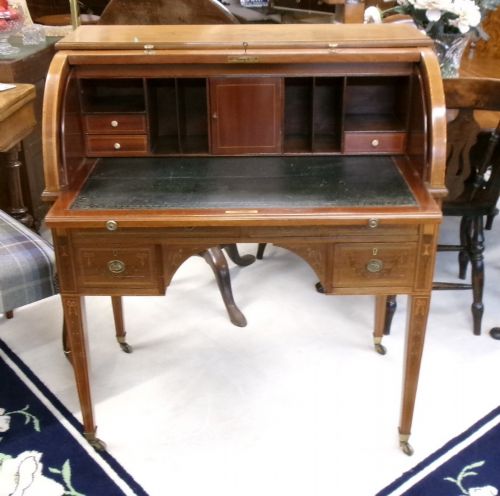
A freestanding writing desk meets the eye as a fully finished piece meant to float in the middle of a room, appearing in forms from pedestal kneehole desks to cylinder desks, davenports, and centre tables. You will encounter these pieces spanning the nineteenth century, including Victorian, Edwardian, Regency, and William IV eras.
The selection ranges from kidney-shaped writing tables and sofa tables to library tables and bureau plats. These pieces serve as functional workstations or centrepieces, often detailed with fitted stationery drawers and pull-out writing slides.
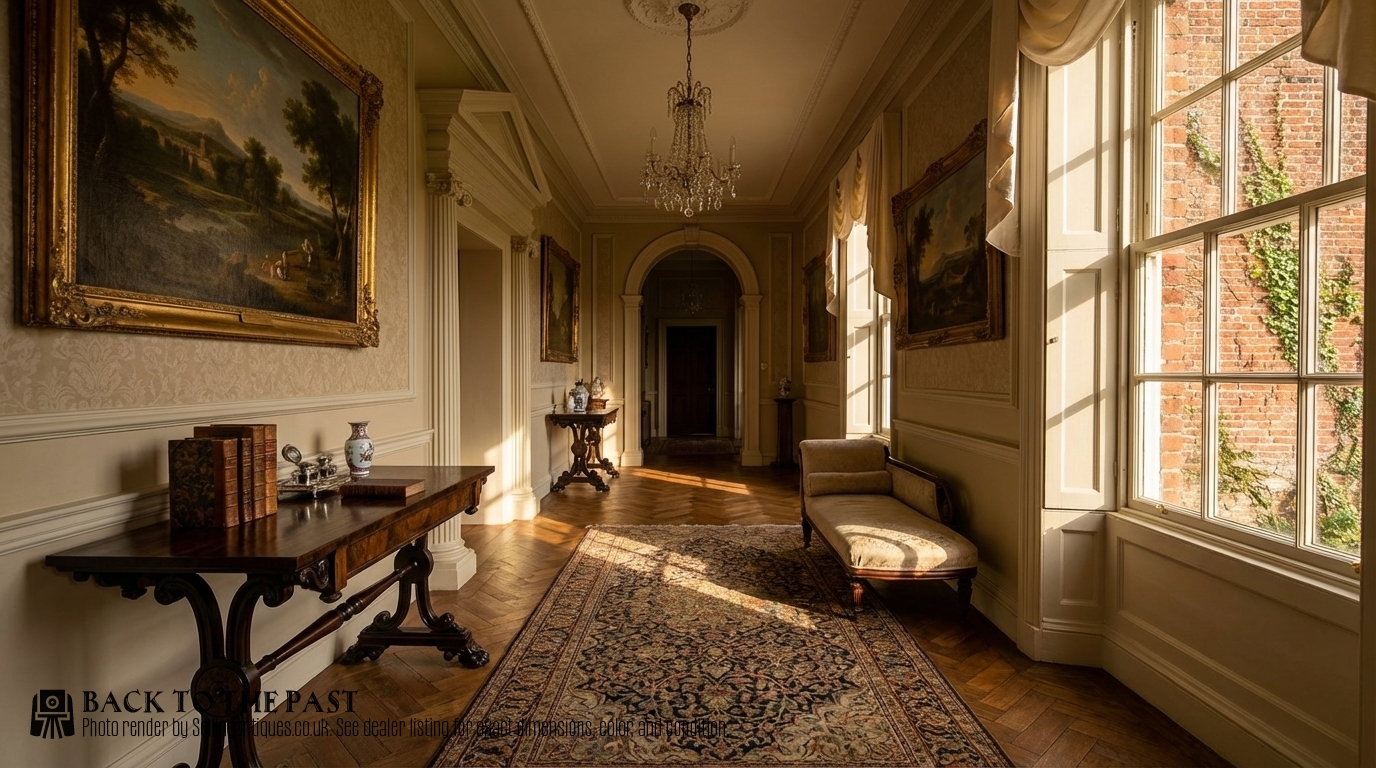
Materials and Construction
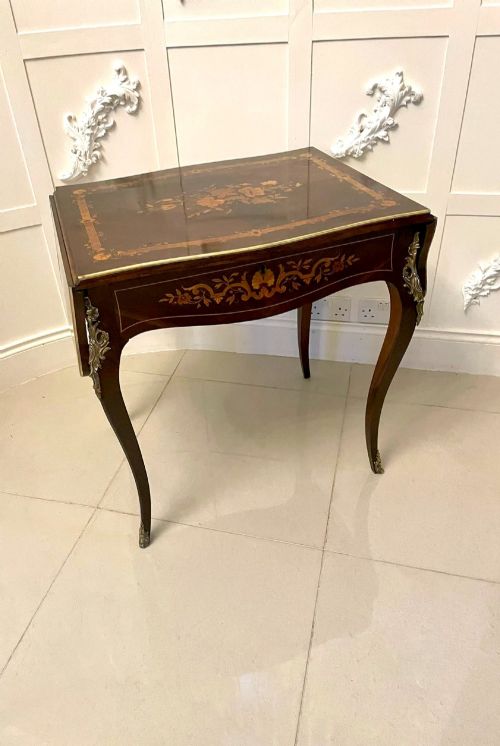
Cabinet makers utilised solid and veneered timbers including mahogany, rosewood, burr walnut, walnut, satinwood, maple, and oak. Surfaces frequently incorporate contrasting marquetry and parquetry inlays alongside tooled leather writing inserts.
Structural enrichment relies upon brass hardware, ormolu mounts, and hand-carved wooden details. Cylinder tops, bureau plats, and kneehole configurations demonstrate sophisticated nineteenth-century joinery.
Freestanding Writing Desk Retail Price Guide 2026
Typical asking prices for freestanding writing desk among the pieces listed under this phrase on Sellingantiques today, from the lower quarter to the upper quarter. They describe what is for sale here now, not the wider market.
Revival styles on this page span Louis XV, Sheraton, and Queen Anne influences.
Evaluating Craftsmanship
The distinction between tiers rests upon the choice of timber figures, such as highly figured burr walnut or rich mahogany, and the precision of inlaid marquetry. Finer examples display meticulous hand-carving and consistent patination across all four finished sides.
Hardware selection and interior complexity signal grade, seen in fitted stationery compartments, smooth operating writing slides, and quality tooled leather surfaces. The integration of robust secondary woods and refined Ormolu or brass mounts elevates the standard of the piece.
Maple & Co.
The Freestanding Writing Desk Glossary
- Bureau Plat
- A French freestanding writing table, typically featuring a leather-inset top and multiple drawers.
- Davenport
- A compact writing desk featuring a sloping lid and side drawers, originating in the nineteenth century.
- Marquetry
- Decorative veneer work forming pictorial or geometric patterns using various coloured woods.
- Ormolu
- Gilded bronze mounts applied to furniture for decorative enrichment.
- Stationery Drawers
- Internal compartments built to house paper, envelopes, and writing instruments.
Freestanding Writing Desk: Frequently Asked Questions
Where should a freestanding writing desk go?
These pieces suit placement in the centre of a study, library, or drawing room because their backs are finished to the same standard as the fronts. They allow you to work facing the room rather than staring at a wall.
Positioning them away from direct sunlight protects vulnerable leather inserts and polished timber surfaces from fading.
How do I care for the leather top?
To maintain a tooled leather writing surface, dust it regularly with a dry cloth and avoid harsh chemical cleaners that strip the gold tooling. Occasional application of a neutral leather balm prevents cracking.
Keep liquids away from the writing surface, and use blotters when writing with traditional fountain pens.
How can I date a nineteenth-century desk?
Dating relies on observing a combination of timber choices, construction techniques, and stylistic revivals present in the piece. Victorian, Edwardian, Regency, and William IV periods each favoured distinct hardware, leg profiles, and veneer patterns.
Examining secondary woods inside the drawers and the style of dovetail joints further clarifies the decade of manufacture.