


Library Writing Table
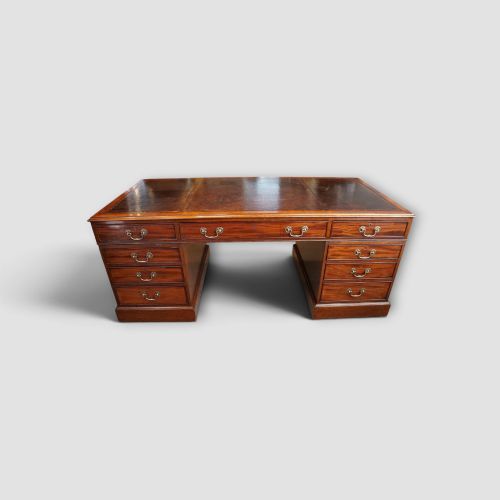
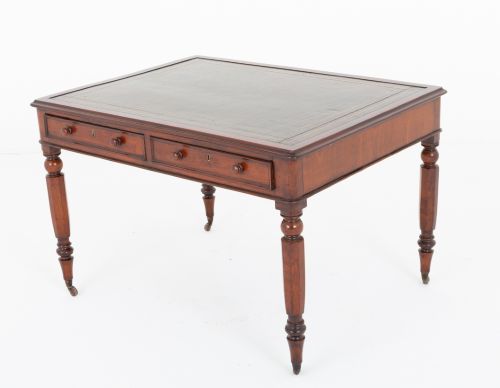
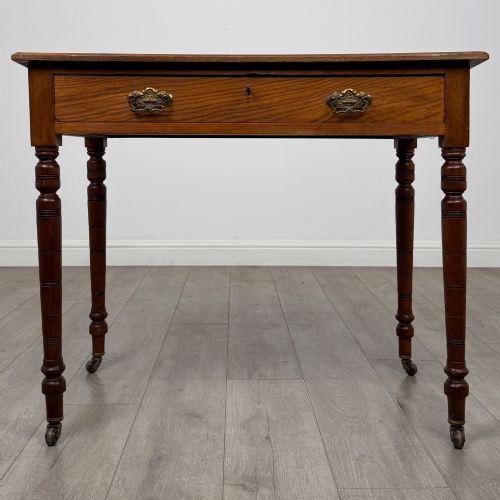
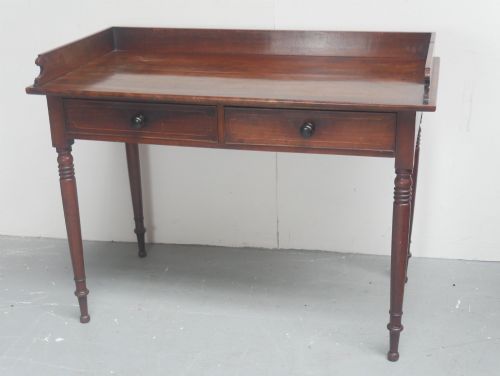
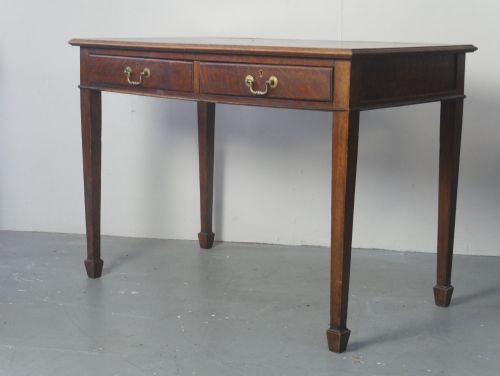
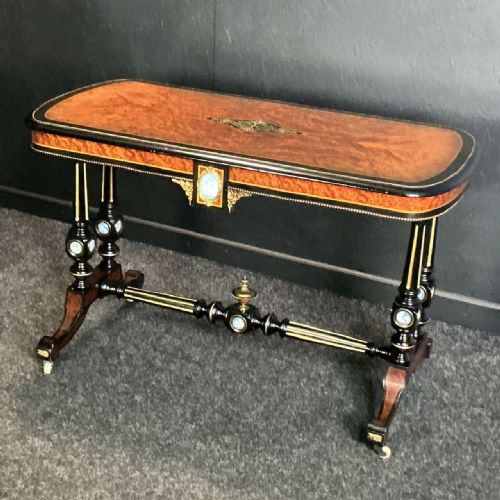
A library writing table provides a sturdy freestanding surface with functional drawers for study and correspondence.
Library Writing Table
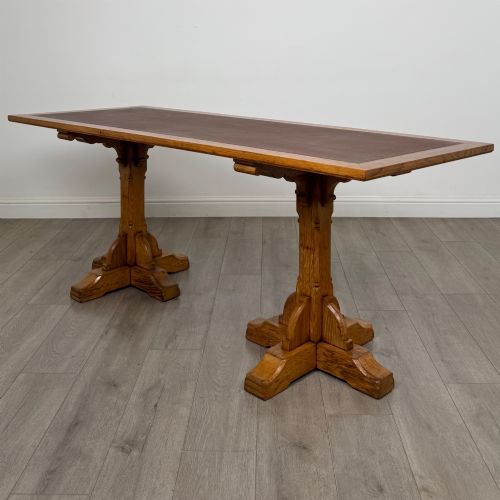
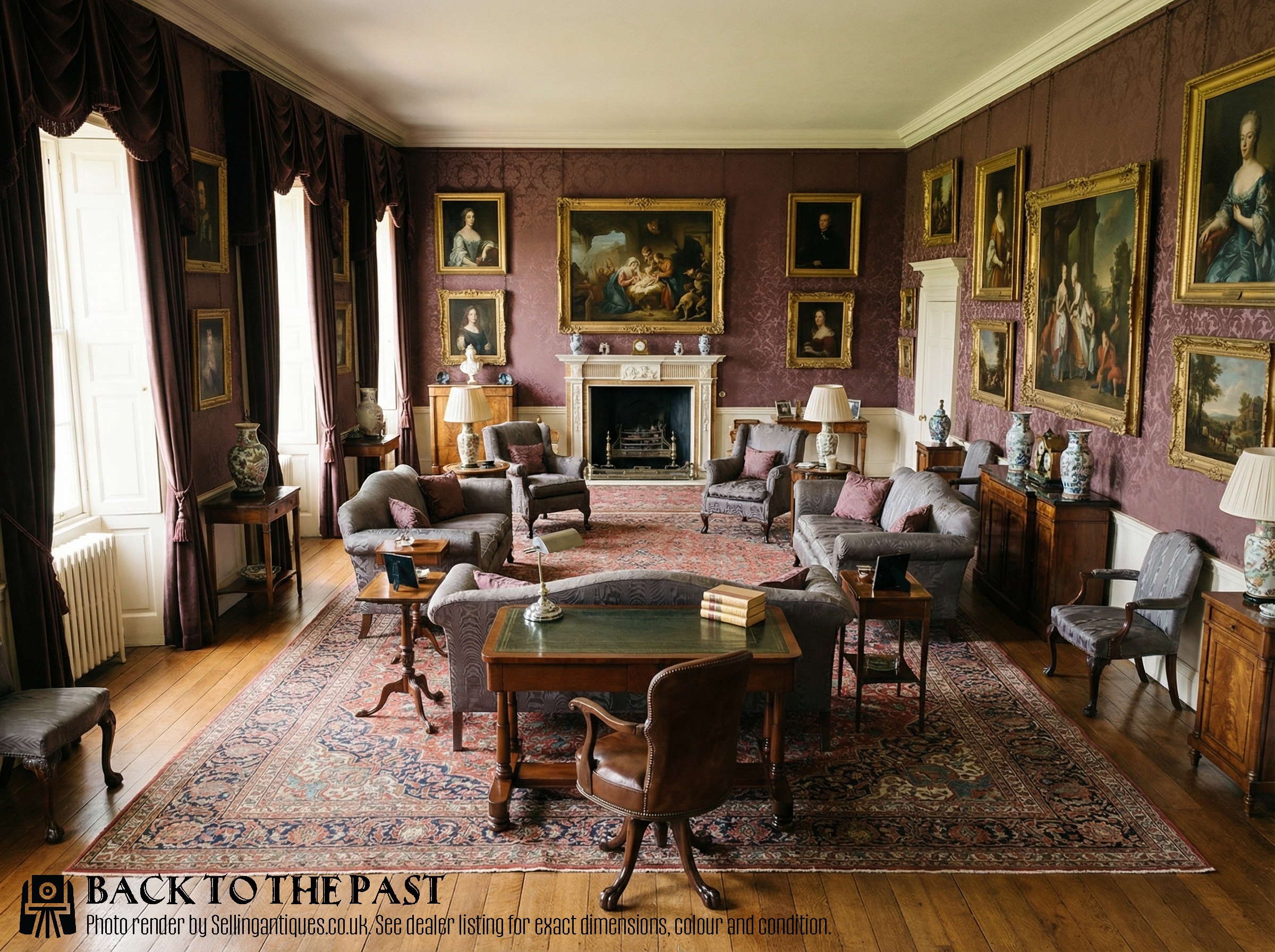
When searching for a library writing table, a buyer examines freestanding furniture designed to occupy the centre of a room rather than sit against a wall. The pieces appearing most frequently span the nineteenth century, encompassing Victorian, Regency, and William IV periods, alongside Arts and Crafts and revival styles.
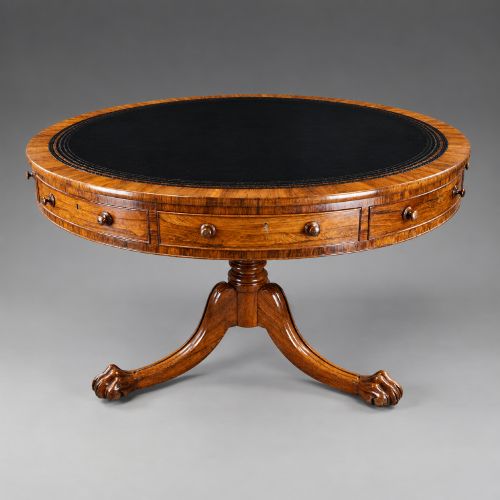
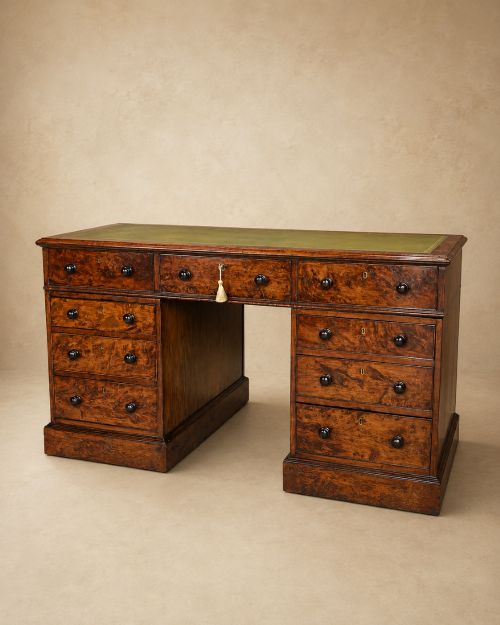
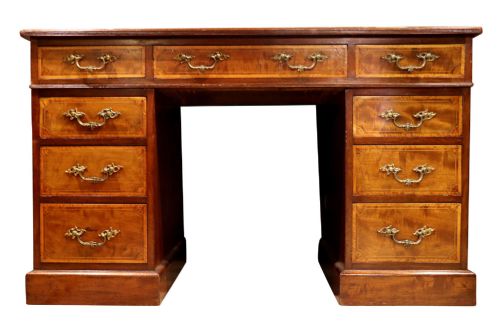
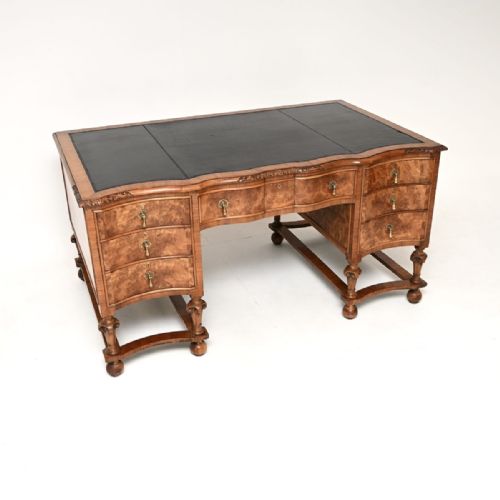
Forms range from simple single-sided writing tables and rotating drum tables to large double-sided partners desks equipped with multiple drawers. Mahogany and rosewood examples dominate the selection, often featuring inset leather writing surfaces and turned or baluster legs.
Materials and construction
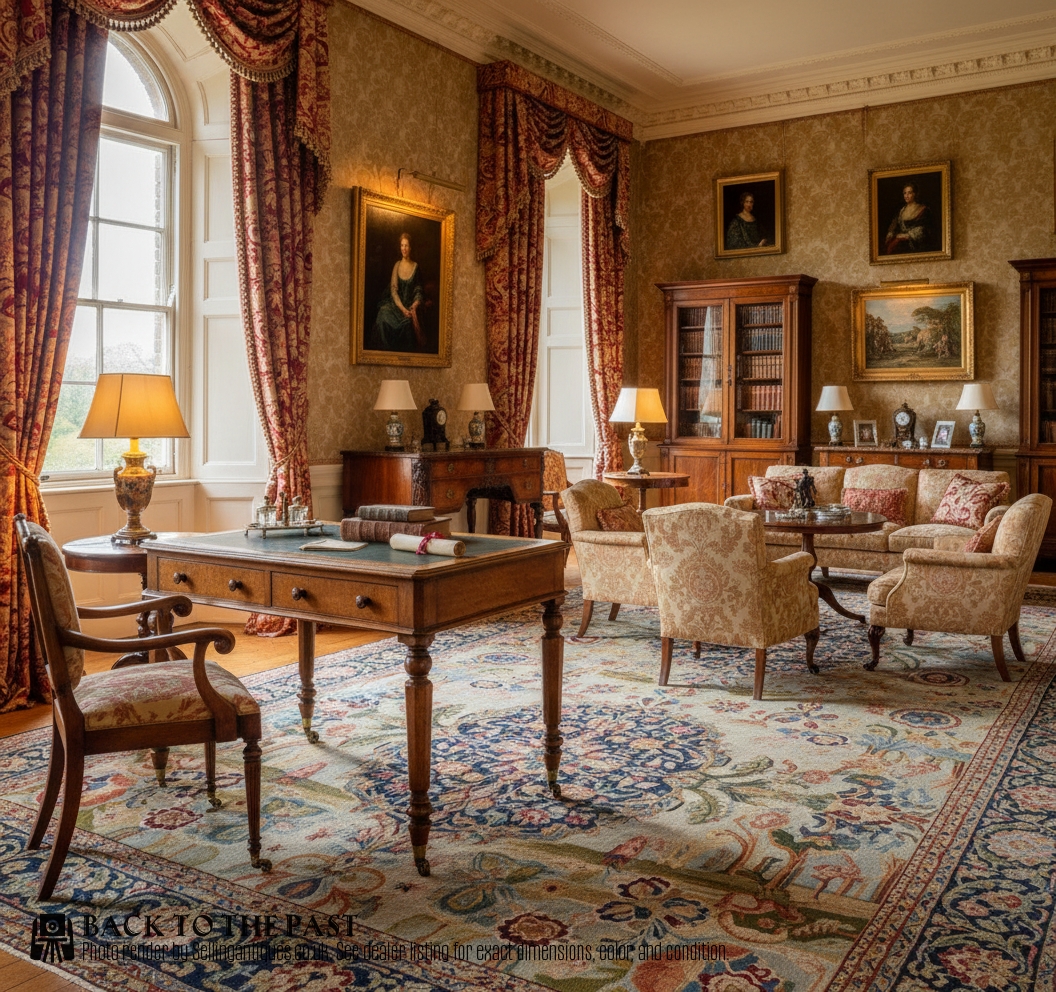
Cabinetmakers utilised dense hardwoods including mahogany, rosewood, walnut, and oak, frequently applying finely figured veneers over secondary timbers. Surfaces often incorporate tooled leather writing inserts, sometimes bordered by subtle blind tooling or gilt work.
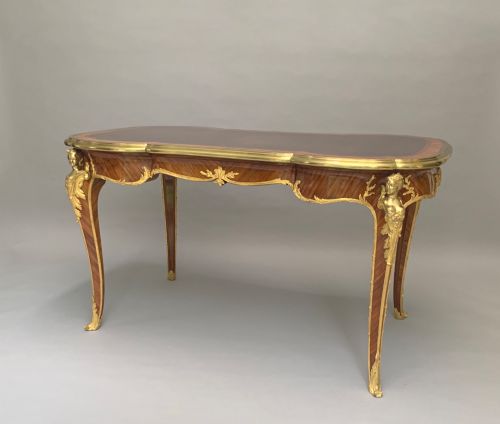
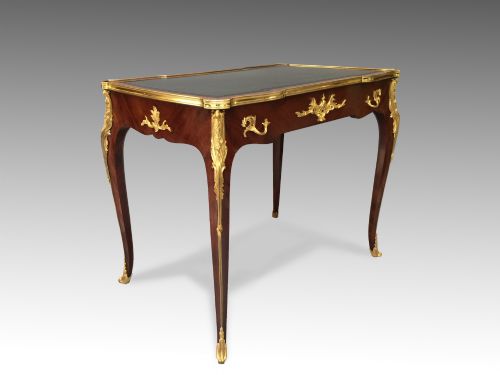
Structural joinery relies on traditional dovetailing for drawer construction and sturdy framing to support freestanding use. Ormolu mounts, brass handles, and ebonised details appear on finer examples from the Regency and Victorian eras.
Library Writing Table Retail Price Guide 2026
Typical asking prices for library writing table among the pieces listed under this phrase on Sellingantiques today, from the lower quarter to the upper quarter. They describe what is for sale here now, not the wider market.
Some drum tables feature rotating tops so scholars could reach reference books without leaving their seats.
Judging execution
Quality separates through the selection of timber veneers, where highly figured amboyna, burr walnut, or masterfully matched mahogany denote superior workshop output. The crispness of carved details, the precision of drawer dovetails, and the retention of original hardware indicate the level of craftsmanship.
Makers known for exceptional joinery and design execution elevate certain pieces above standard utilitarian desk production. Proportion, balanced grain patterns across multiple drawers, and finished backs for freestanding placement distinguish the finest surviving examples.
Gillows·Edwards and Roberts·Maple and Co·Francois Linke·Trollope and Sons
The Library Writing Table Glossary
- Partners desk
- A large double-sided writing table fitted with drawers on both long sides, designed for two people to work opposite one another.
- Drum table
- A circular library table featuring a revolving or stationary top with alternating real and dummy drawers around the frieze.
- Bureau plat
- A French freestanding writing table, typically featuring multiple frieze drawers and cabriole or tapering legs, often ornamented with ormolu.
- Ormolu
- Gilt bronze mounts applied to furniture for decorative enrichment, common in French revival and Regency pieces.
Library Writing Table: Frequently Asked Questions
What is a library writing table?
A library writing table is a freestanding piece of furniture designed with a finished back and accessible drawers on one or both sides.
Originally intended for studies and libraries, these tables serve as both decorative centrepieces and functional writing desks.
What woods were used for these tables?
Cabinetmakers primarily constructed these tables using solid mahogany, rosewood, oak, and walnut, frequently enhancing surfaces with decorative veneers.
Exotic woods like satinwood and kingwood appear alongside amboyna and burr walnut on more elaborate nineteenth-century commissions.
Are these tables suitable for modern use?
These tables adapt readily to modern interiors as executive desks, writing surfaces, or central display tables in spacious rooms.
Their freestanding nature allows placement in the middle of a room rather than restricting them strictly against perimeter walls.