
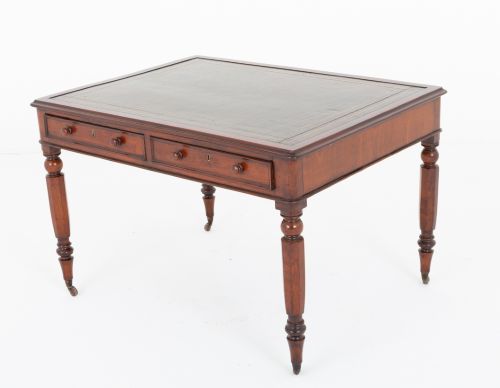
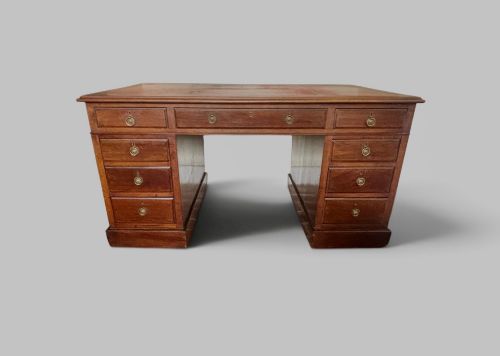


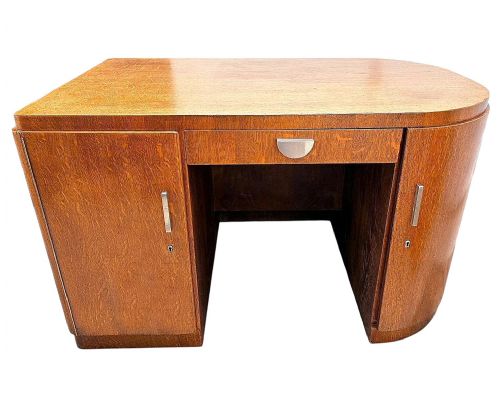
Executive Writing Desk
An executive writing desk brings serious presence to a room, offering generous proportions, deep pedestals and a proper leather writing surface.

Executive Writing Desk
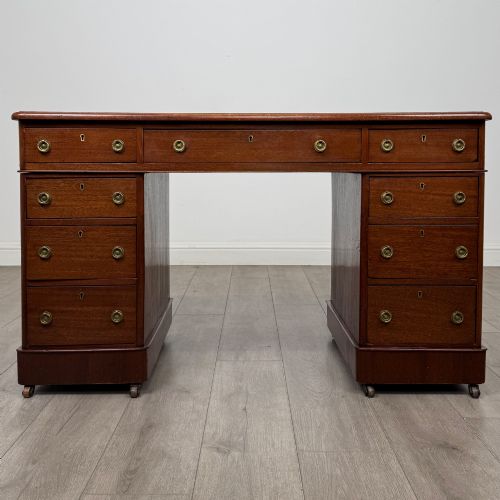
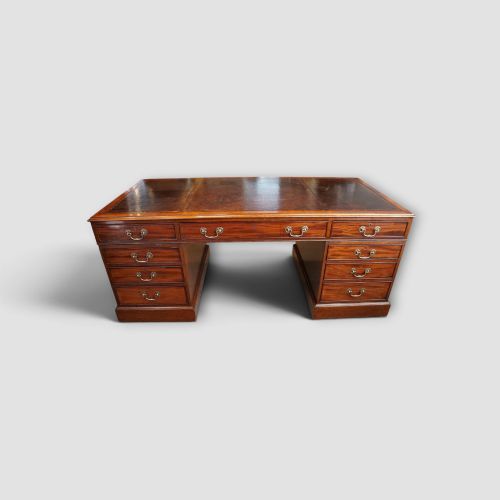
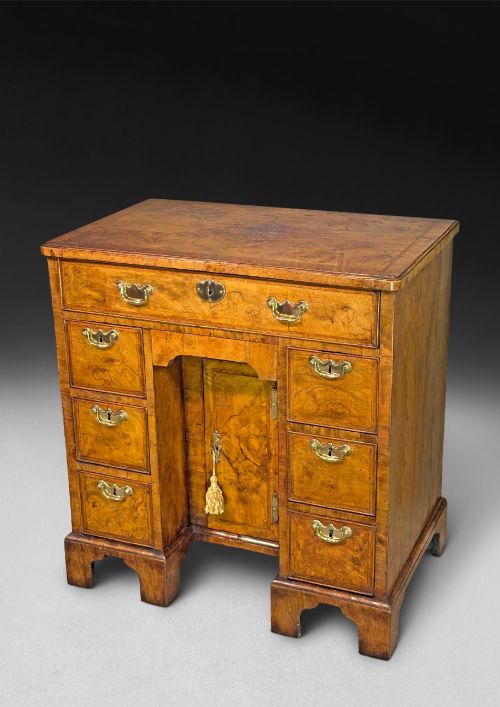
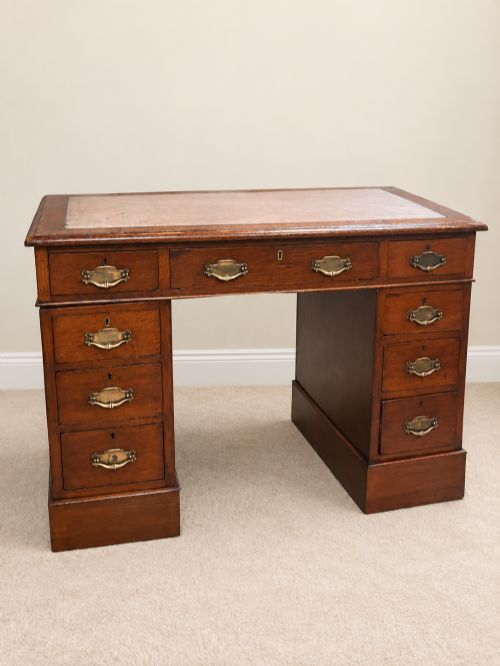
When you search for an executive writing desk, you encounter substantial freestanding furniture designed for serious correspondence and administrative work. These pieces primarily take the form of pedestal desks, kneehole desks and partners desks that allow seating on both sides.
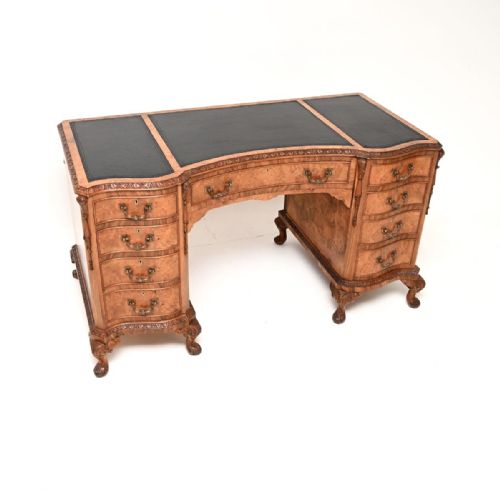
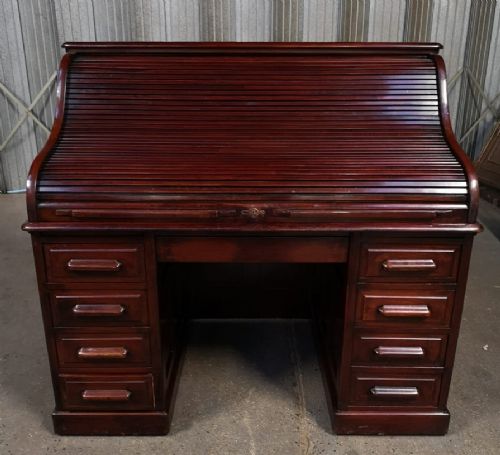
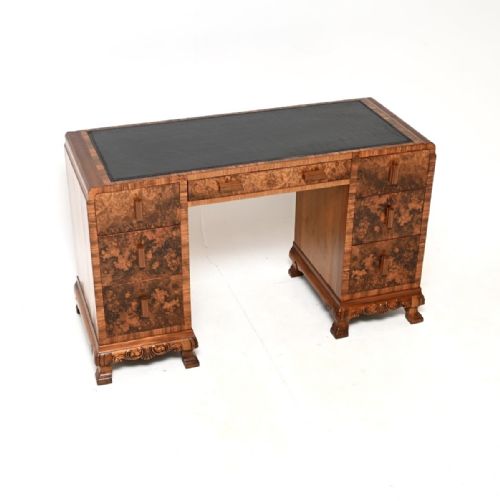
The selections available span from the Victorian and Edwardian eras into the Art Deco period of the 1930s. Mahogany and oak dominate the earlier nineteenth century examples, while burr walnut and rosewood appear frequently in later desks.
Pedestal formats with banks of drawers flanking a central kneehole represent the most common configuration on this page. Larger partners desks with opposing drawer configurations also appear among the nineteenth century examples.
Materials and construction methods
Cabinetmakers constructed these desks using dense timbers such as mahogany, oak and walnut, frequently applying figured veneers like burr walnut or satin birch to primary surfaces. Solid secondary timbers like deal or oak formed the drawer linings and internal carcases.
Writing surfaces were typically inset with tooled leather, secured around the perimeter with subtle blind tooling or gilt borders. Drawer construction relied on hand-cut dovetails, paired with brass drop handles or turned wooden knobs.
Frames incorporated substantial plinth bases or turned legs, with freestanding partners desks finished on all four sides to allow placement in the centre of a room.
Executive Writing Desk Retail Price Guide 2026
Typical asking prices for executive writing desk among the pieces listed under this phrase on Sellingantiques today, from the lower quarter to the upper quarter. They describe what is for sale here now, not the wider market.
Some Victorian pedestal desks include hidden stationery drawers and pull-out writing slides designed to hold inkwells away from paperwork.
Distinctions in craftsmanship and finish
The distinction between standard commercial production and superior workshop output rests in the selection of timbers and the precision of the joinery. Finer desks utilise deeply figured veneers and solid drawer linings with hand-cut dovetails rather than machine-made joints.
Attention to secondary elevations separates exceptional pieces from ordinary examples, particularly in partners desks where the reverse side receives the same decorative treatment as the front. Original hardware, fitted stationery compartments and secondary writing slides elevate the standing of a desk.
The integrity of the timber movement, the depth of the French polished finish and the preservation of the original tooled leather writing surface dictate the overall standard of preservation.
Trollope and Sons·Edwards and Roberts·Maple and Co·Johnstone and Jeanes
The Executive Writing Desk Glossary
- Pedestal desk
- A heavy office or library desk comprising two independent pedestals of drawers supporting a single top. The user sits in the central kneehole space between the pedestals.
- Partners desk
- A large double-sided pedestal desk designed for two people to work opposite one another. Drawers and cupboards are duplicated on both long sides.
- Kneehole desk
- A compact writing desk featuring a central recess for the legs, flanked by single or multiple vertical stacks of drawers. These tend to have finished backs for placement against a wall.
- Bureau plat
- A freestanding writing table originating in France, typically featuring a rectangular leather-inset top over one or more frieze drawers. They rest upon cabriole or tapering legs rather than heavy pedestals.
- Dickens desk
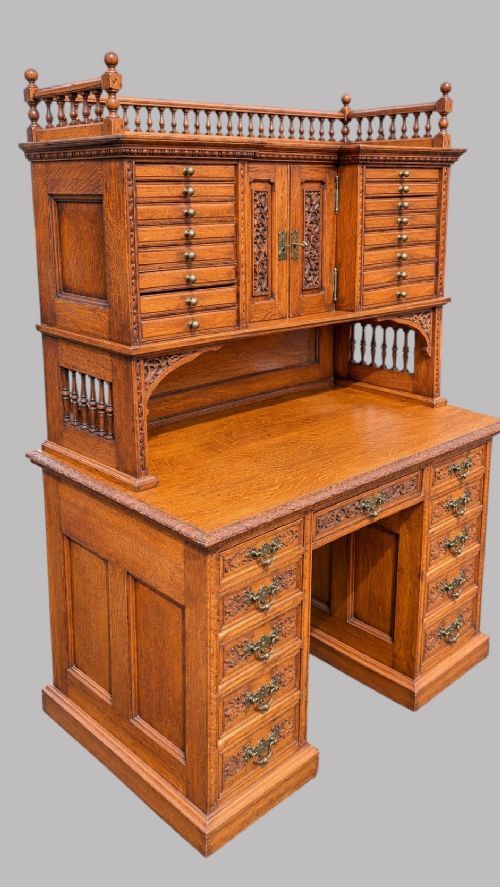
- A tall pedestal desk featuring a sloping writing lid above a central well, flanked by banks of small drawers and pigeonholes enclosed by doors. They gained popularity during the Victorian era.
Executive Writing Desk: Frequently Asked Questions
What is a partners desk?
A partners desk is built with storage and kneeholes on both sides, allowing two people to sit opposite each other. They were traditionally used by business partners or bank officials who shared a workspace.
These desks are fully finished on all four sides so they can sit in the middle of a room rather than against a wall.
How do I care for leather desk tops?
Leather writing surfaces require occasional treatment with a neutral leather balsam or wax to prevent the hide from drying and cracking. Avoid using modern chemical cleaners or placing hot cups directly on the leather.
Keep the desk away from direct sunlight and strong heat sources to preserve the suppleness of the hide and the gilt tooling.
What timber is most common?
Mahogany is the most frequent timber found on nineteenth century examples, offering stability and a deep reddish brown tone. Oak also appears regularly on library tables and heavy pedestal desks from the same period.
Walnut and burr walnut become more prominent towards the end of the Victorian era and into the Art Deco period, bringing highly figured grain patterns.
Are these desks easy to move?
Most executive writing desks dismantle into three or more manageable sections for transport. The top lifts off the two side pedestals, and internal drawers can usually be removed to lighten the load.
Because of their solid timber construction and dense secondary woods, the individual sections remain heavy and require two people to lift safely.