




Chippendale Writing Desk
When you search for a chippendale writing desk, you enter a world of solid timber and precise joinery designed for correspondence and estate management.
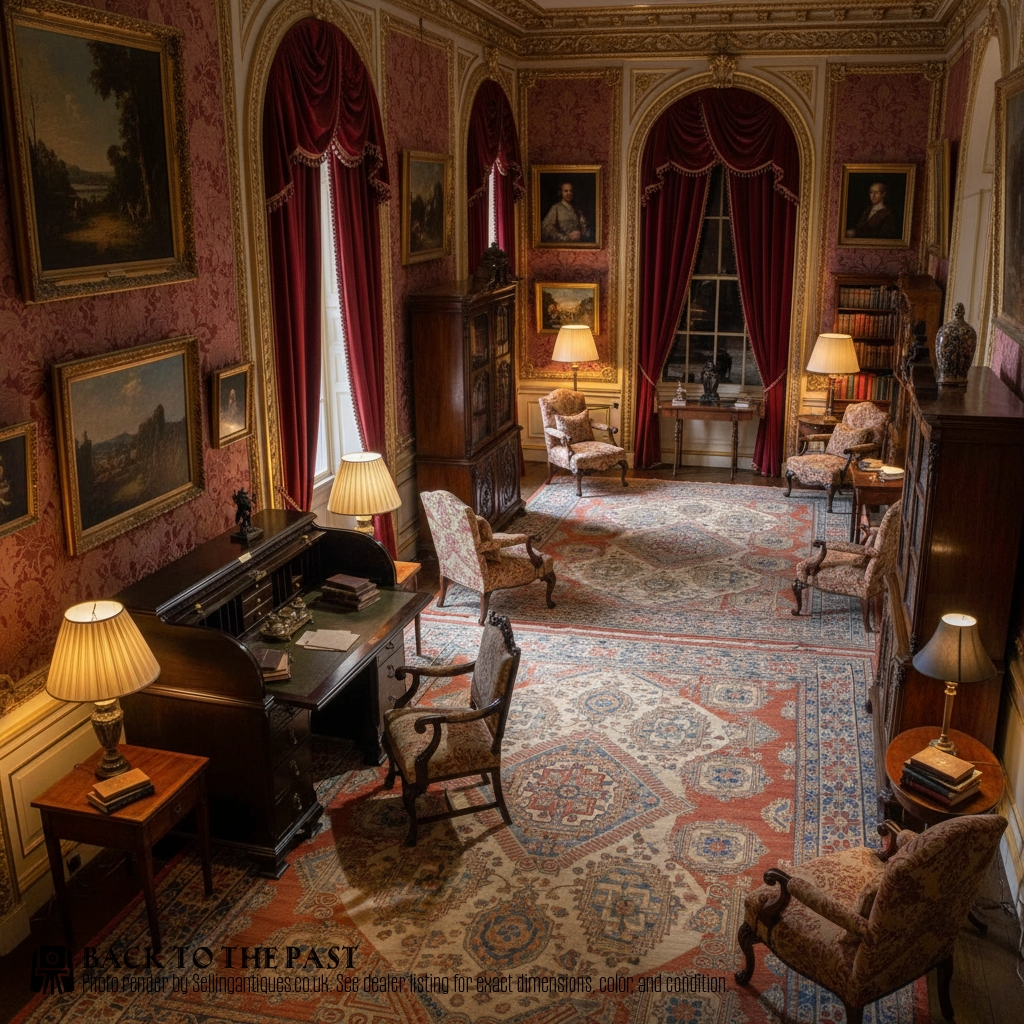
Chippendale Writing Desk
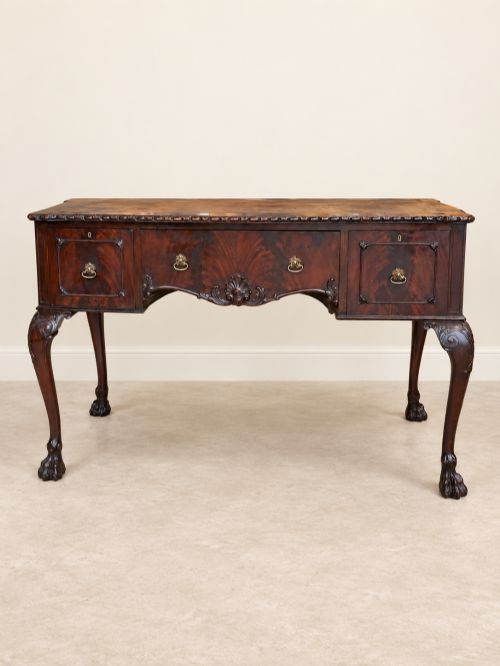
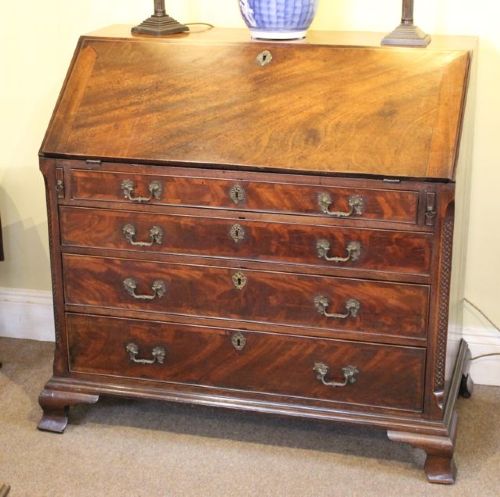
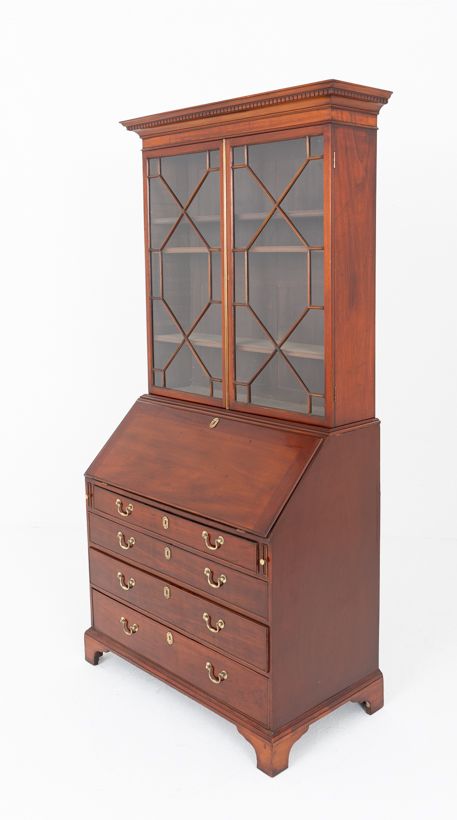
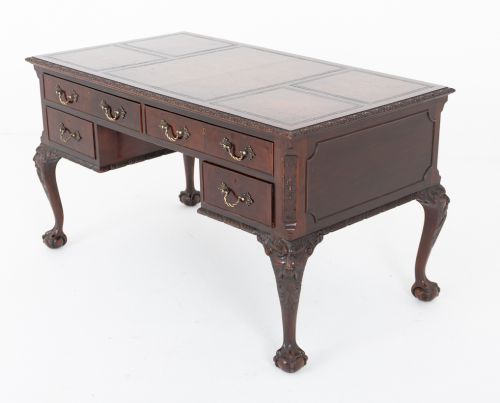
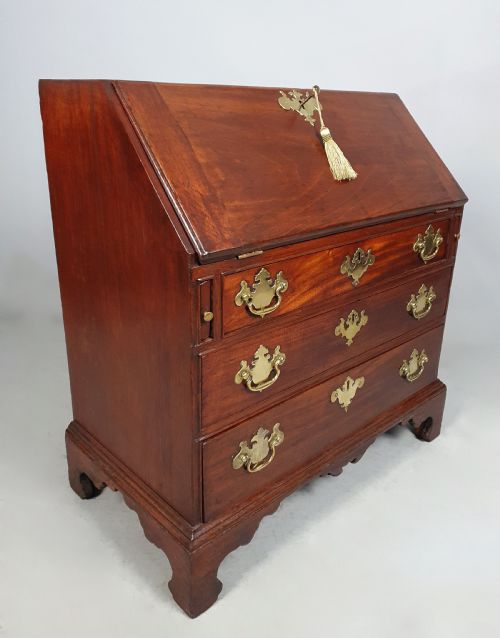
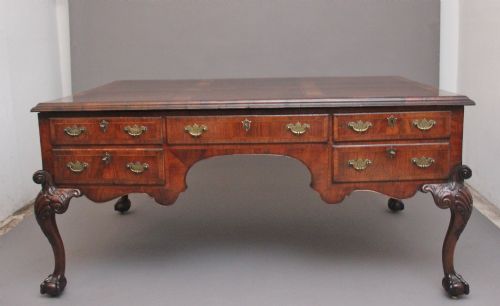
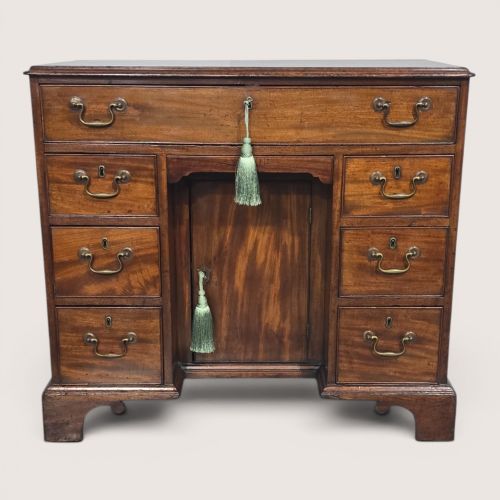
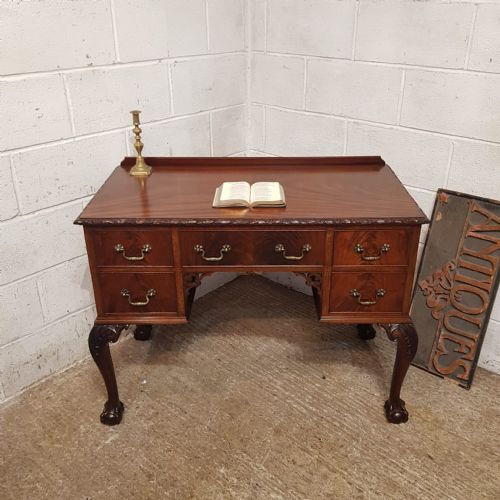
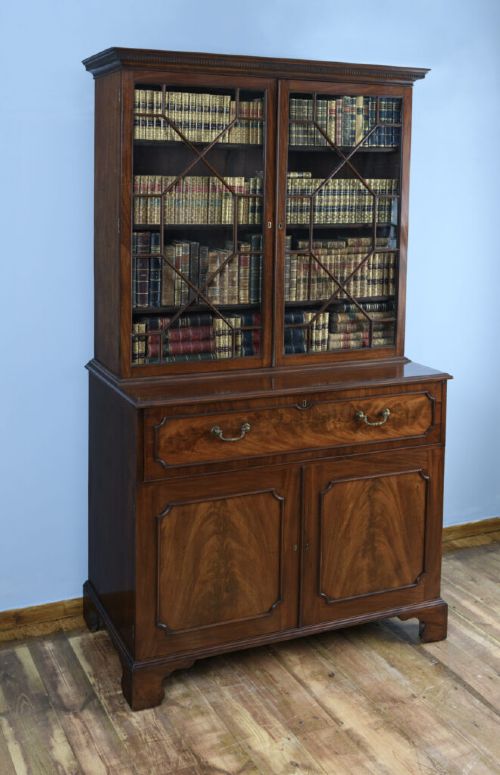
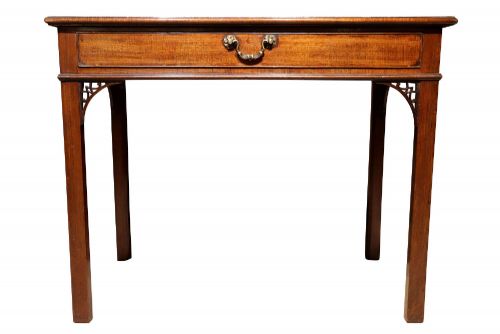
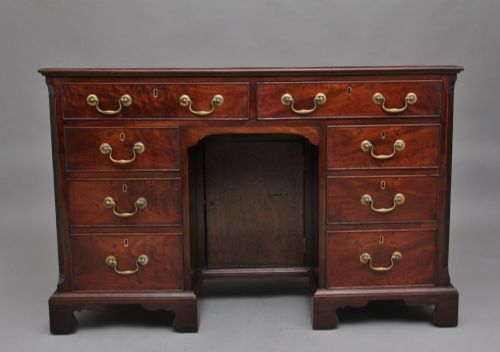
A chippendale writing desk encompasses various forms designed for study and administration, including pedestal partners desks, bureau bookcases, and kneehole writing tables. These pieces trace back to the eighteenth century as well as later revival periods around nineteen hundred.
The most frequent version encountered on this page is the mahogany writing desk, drawing on George III and Georgian design principles. Makers utilised sturdy timbers to construct pieces that served both domestic and administrative functions in period homes.

How They Were Made
Cabinet makers relied primarily on mahogany, supplemented by walnut, fruitwood, and cedarwood, often featuring flame figure timber on primary surfaces. Brass hardware, leather inserts, and glass panelling completed the construction of these functional writing surfaces.
Joinery methods involved precise dovetailing for drawers and mortise and tenon framing for the carcass. Carved ornamentation such as Gothic pierced brackets and serpentine shaping required skilled hand tool work.
Chippendale Writing Desk Retail Price Guide 2026
Typical asking prices for chippendale writing desk among the pieces listed under this phrase on Sellingantiques today, from the lower quarter to the upper quarter. They describe what is for sale here now, not the wider market.
Several desks include hidden compartments and secret drawers originally designed for stabling private letters and stray postage stamps.
What Varies In Quality
Quality rests in the selection of the timber figure and the crispness of the hand carving on the mahogany frame. Superior examples demonstrate thoughtful grain matching across drawer fronts and precise execution of structural details.
Internal construction reveals the standard of the piece, from secondary wood choices in drawer linings to the original brass handles. Pieces from the eighteenth century compare with Edwardian revivals based on the depth of the carving and material integrity.

Gillows·Edwards & Roberts·Shapland & Petter
The Chippendale Writing Desk Glossary
- Bureau
- A sloping desk lid that opens to reveal internal pigeonholes and small drawers. This form provides a compact writing surface above chest drawers.
- Partners Desk
- A large double-sided desk designed for two people to work opposite one another. Pedestals of drawers support the top on both sides.
- Kneehole Desk
- A compact pedestal desk featuring a central recessed cupboard beneath the writing surface. The configuration offers storage while allowing space for the knees.
- Secretaire
- A piece of furniture containing a pull-down writing drawer disguised as a standard drawer. It conceals a fitted interior of compartments and small drawers.
- Serpentine
- A curved shape featuring a convex centre flanked by concave ends. This contour appears on the front facades of fine desks.
Chippendale Writing Desk: Frequently Asked Questions
What is a chippendale writing desk?
A chippendale writing desk is a timber workstation created in the style associated with Thomas Chippendale, featuring characteristic carved details and solid construction. These pieces range from eighteenth-century originals to later revival iterations.
They provide a dedicated surface for correspondence and record keeping, utilising classic forms such as pedestal desks and bureau bookcases.
How do I identify an eighteenth-century piece?
Identifying an eighteenth-century piece involves examining the timber grain, secondary woods used in drawer construction, and hand-cut dovetail joints. These structural indicators reveal the period of manufacture.
Revival pieces from later eras often display machine-cut elements and different internal construction methods despite emulating the earlier aesthetic.
Were these desks used for business?
These desks served administrative functions in estate houses, libraries, and parlours for managing correspondence and financial accounts. Partners desks allowed two individuals to work simultaneously from opposite sides.
Smaller bureau forms provided private compartments to store documents and writing implements securely behind a locked flap.
How do I care for mahogany surfaces?
Mahogany surfaces benefit from regular dusting with a soft, dry cloth and occasional application of traditional beeswax to nourish the timber. Direct sunlight and excessive moisture should be avoided to prevent fading and warping.
Maintaining a stable room temperature preserves the integrity of the antique wood and the original polish.