

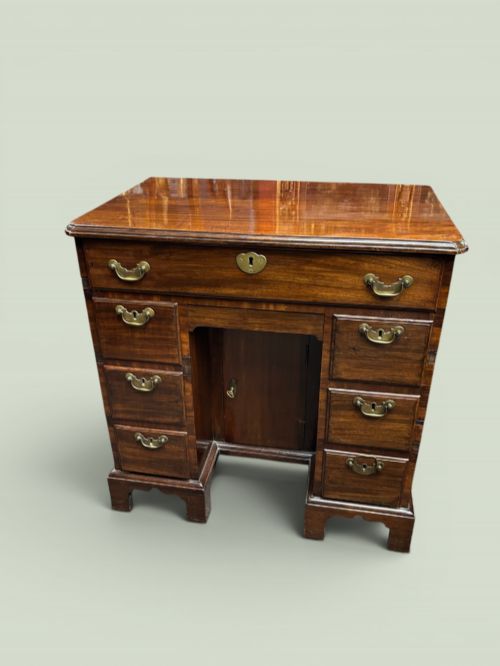
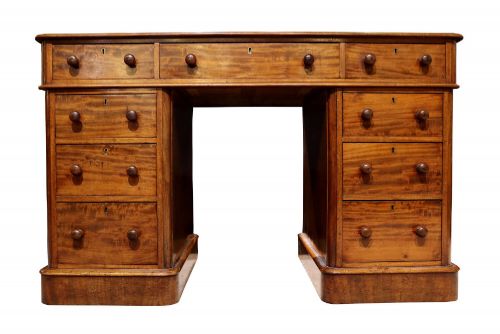
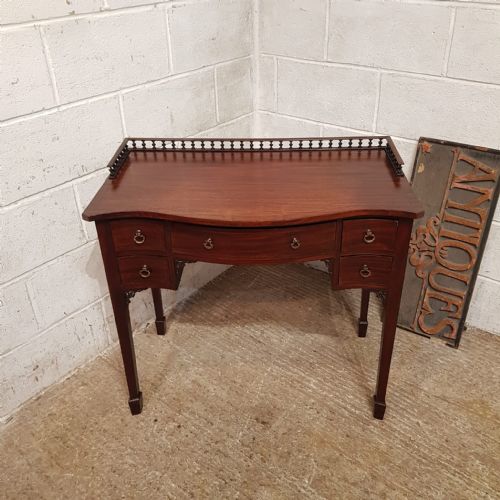
Carved Mahogany Bureau
A carved mahogany bureau brings rich timber and practical writing space together, and buyers seek these pieces for their enduring utility and craftsmanship.

Carved Mahogany Bureau
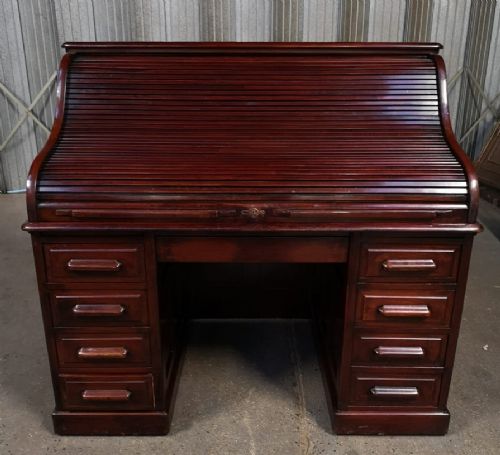
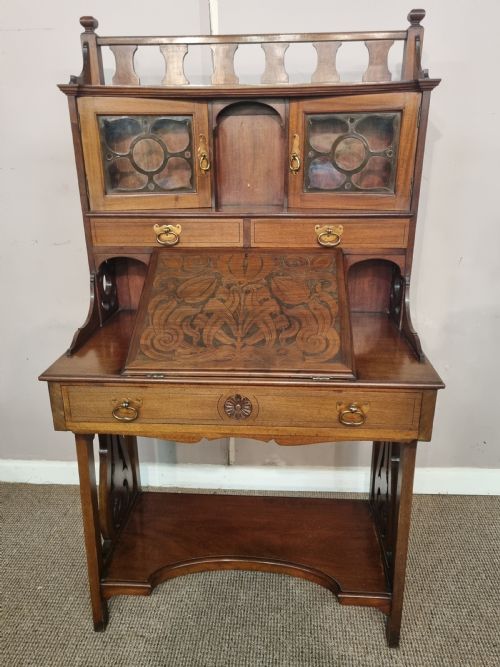
A carved mahogany bureau sits firmly within the broader tradition of antique desks, writing tables, and secretaire bookcases recorded across Georgian, Victorian, and Edwardian periods. Buyers searching for a carved mahogany bureau will encounter forms ranging from drop-front writing cabinets and cylinder desks to smaller lady's desks and bureau bookcases.
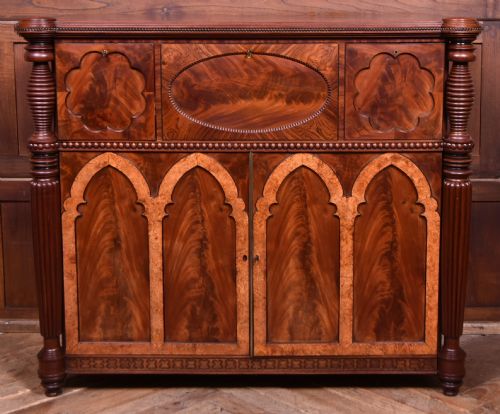
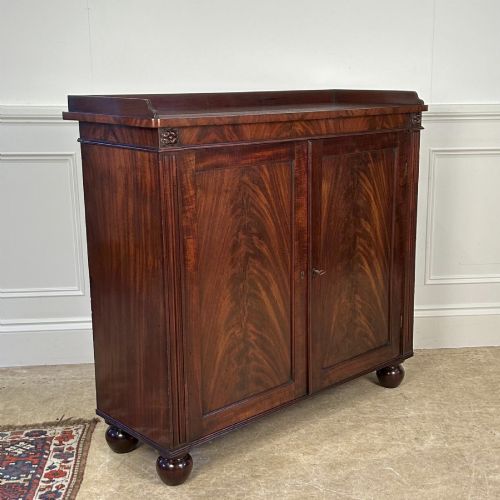
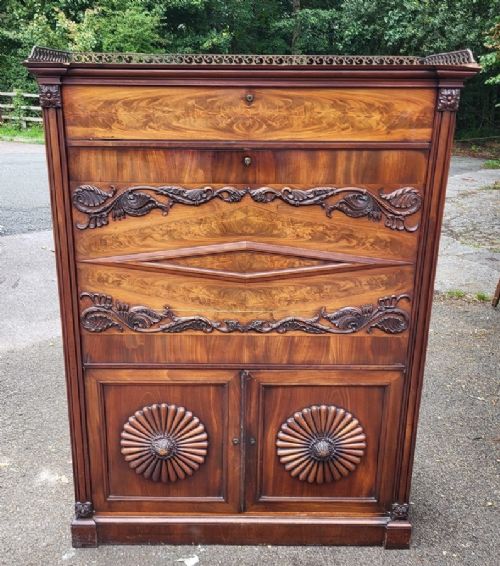
The pieces available span multiple stylistic revivals, including Chippendale Revival and Victorian Gothic Revival, alongside French Provincial and Georgian influences. Solid timbers and flame mahogany veneers define the structural body, frequently accompanied by fitted interiors with small drawers and pigeonholes.
Factors influencing quality
Quality rests upon the selection of timber, particularly the grain figuration in flame mahogany veneers, and the crispness of carved details. Superior examples display meticulous attention to internal drawer construction and the integration of fitted pigeonholes.
The reputation of the maker and the cohesion of the stylistic design elevate certain pieces above standard production models. Original brasses, secondary timber selection, and overall proportion distinguish finer examples from simpler workshops.
Carved Mahogany Bureau Retail Price Guide 2026
Typical asking prices for carved mahogany bureau among the pieces listed under this phrase on Sellingantiques today, from the lower quarter to the upper quarter. They describe what is for sale here now, not the wider market.
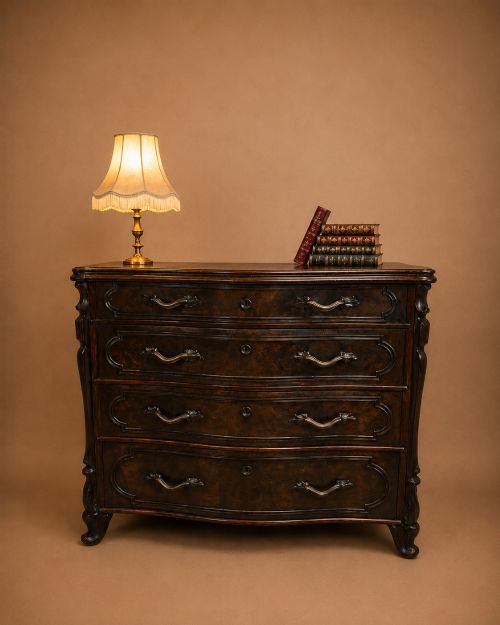
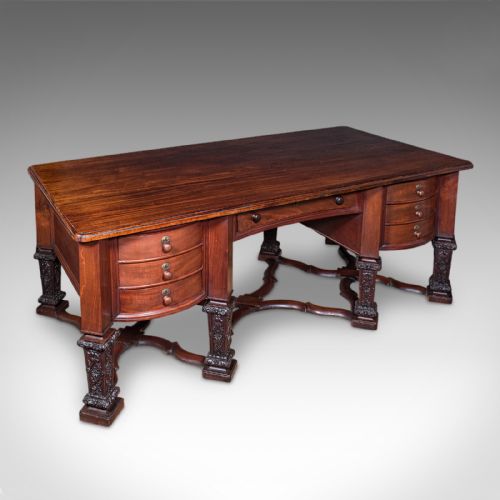
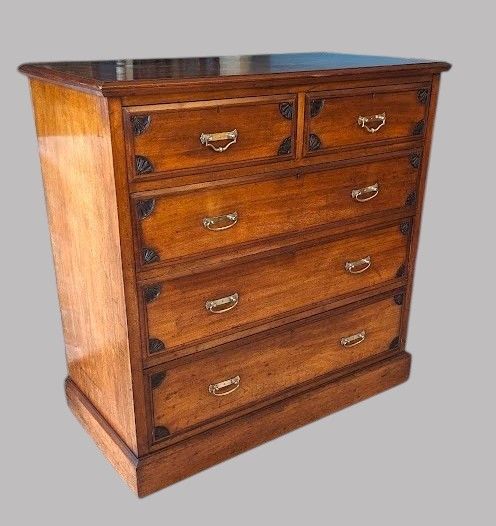
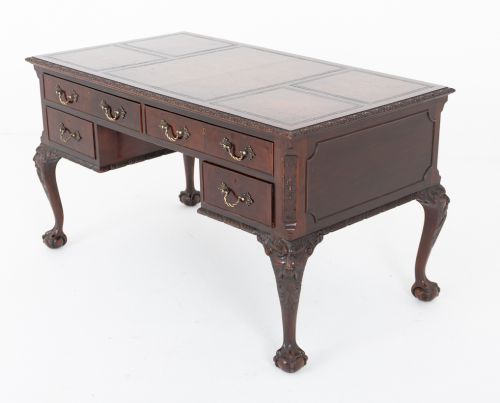
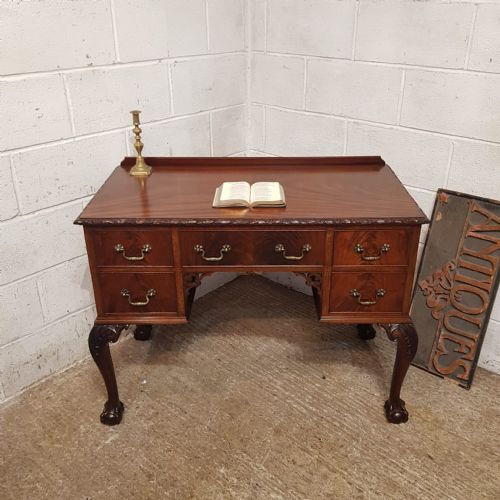
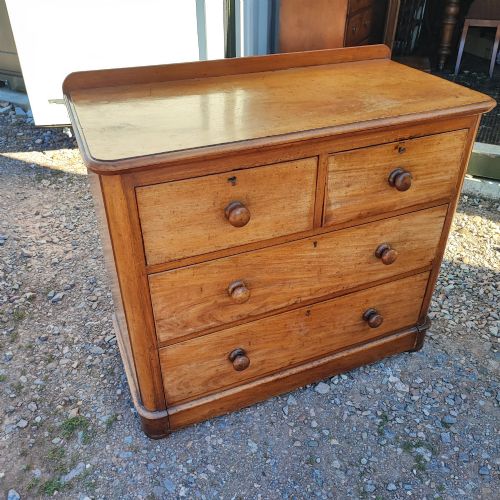
The documented object types span writing desks, pedestal desks, chests of drawers, bureau bookcases, and compact bonheur de jour cabinets.
Gillows·Maple and Co·Edwards and Roberts·Rumney and Love·George Faulkner Armitage
The Carved Mahogany Bureau Glossary
- Bureau
- A writing desk featuring a sloping hinged lid that opens to reveal a fitted interior of small drawers and pigeonholes. This form provides a compact workspace while concealing correspondence when closed.
- Flame mahogany
- A veneer cut from timber where the branch meets the trunk, producing a distinctive leaping flame pattern. Cabinetmakers reserved this decorative wood for the most prominent exterior surfaces.
- Secretaire
- A piece of furniture incorporating a concealed writing drawer or a drop-front desk compartment. These units often disguise their writing function within the facade of a chest of drawers or bookcase.
- Chippendale revival
- A late nineteenth-century style replicating the mid-eighteenth-century designs associated with Thomas Chippendale. Pieces in this manner utilise robust mahogany and detailed carved ornamentation.
- Pedestal desk
- A heavy double-sided writing table supported by two banks of small drawers rather than legs. These large desks frequently incorporate inset leather writing surfaces.
Carved Mahogany Bureau: Frequently Asked Questions
How do I use a bureau daily?
Lower the sloping lid to reveal the fitted interior, which provides a stable wooden surface for writing and correspondence. The internal compartments help organise stationery and small documents.
Close the fall-front lid when finished to conceal papers and restore a neat appearance to the room. The enclosed design protects writing materials from dust.
Where should I place my desk?
Position the piece against a wall or within a study where natural light falls across the writing surface from the side. Ensure adequate clearance for the drop-front lid to open fully.
Keep wooden furniture away from direct heat sources and radiators to prevent timber shrinkage and veneer lifting. Stable room temperatures preserve the finish of the mahogany.
How do I date an antique desk?
Examine the secondary timbers inside the drawers, such as pine or oak, alongside the construction joints and hand-cut dovetails. Eighteenth-century pieces typically show different joinery methods compared to Victorian examples.
Compare stylistic details like brass hardware, carved motifs, and veneer thickness against known period characteristics. Makers' stamps or signatures inside drawer linings also provide precise attribution.
What is flame mahogany veneer?
Flame mahogany is a highly figured wood veneer sliced from the junction where a branch joins the main tree trunk. This cutting method creates a rippling flame pattern across the surface.
Cabinetmakers applied these decorative veneers to drawer fronts and fall-front lids to create visual depth and movement. The technique required expert skill to bookmatch symmetrical patterns.