
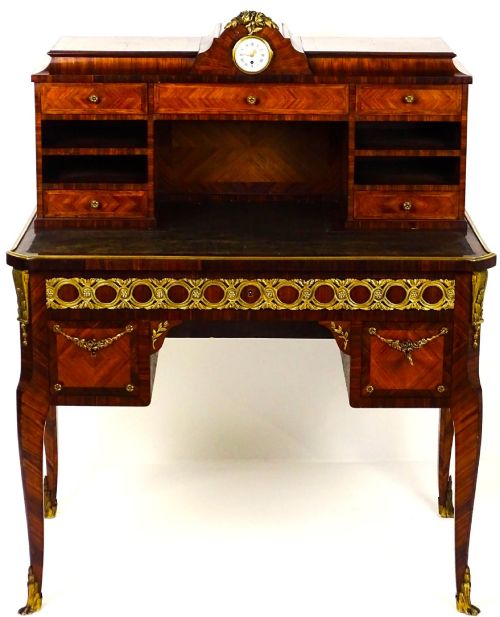
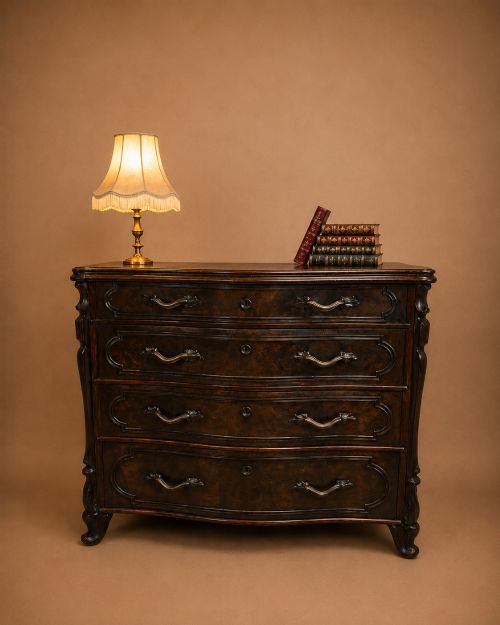
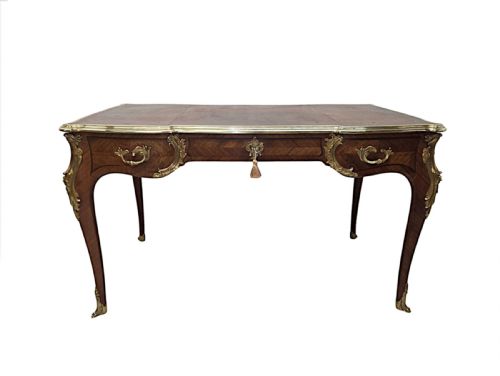
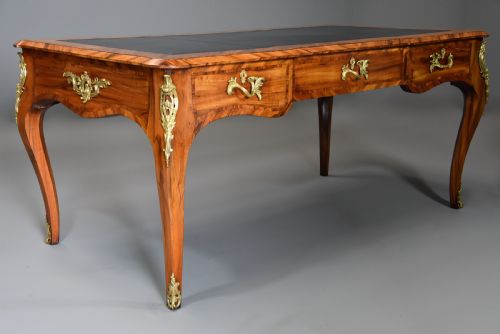
19th Century French Bureau
A 19th century french bureau brings continental craftsmanship and refined workspace utility into a modern interior.
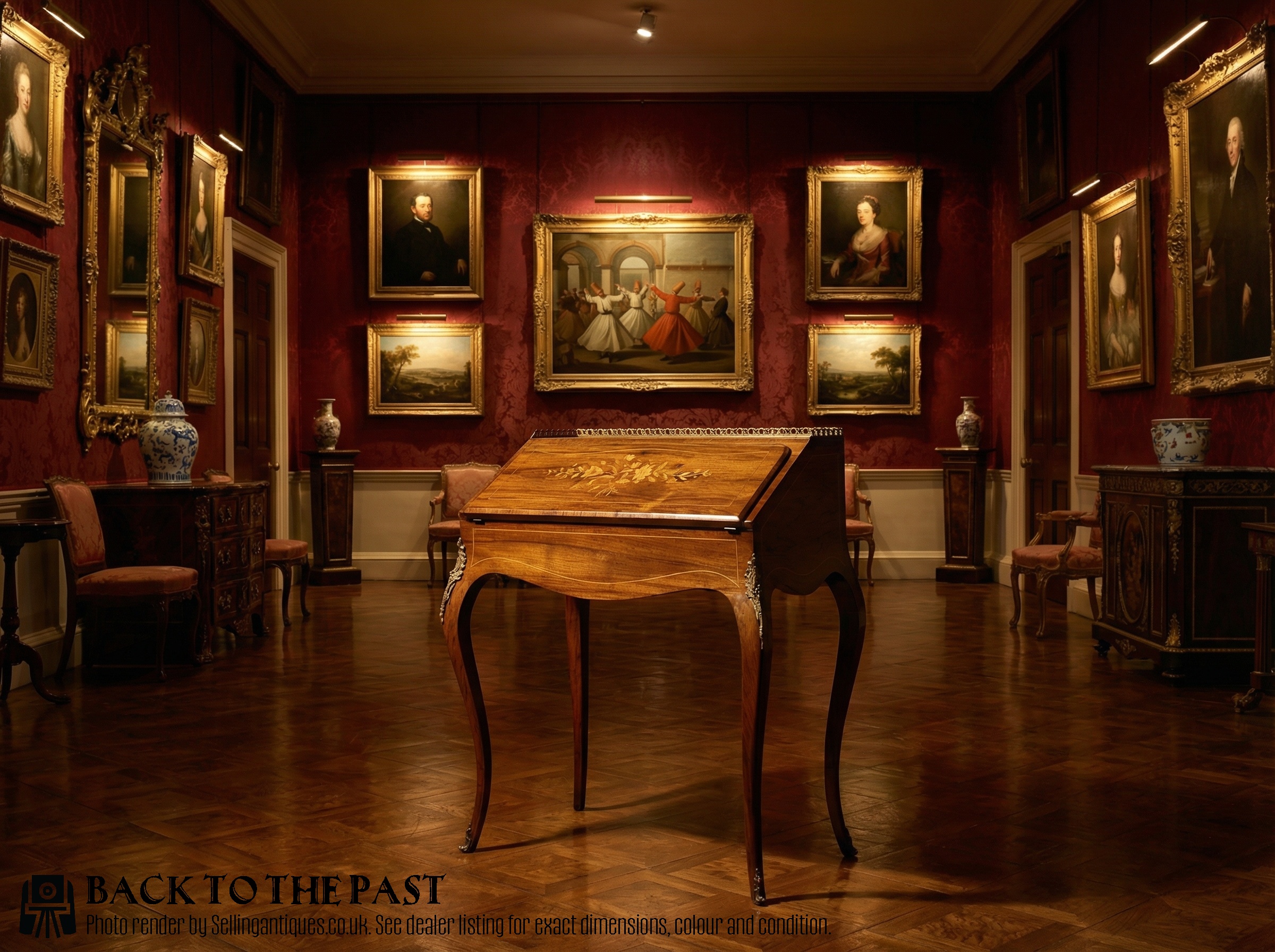
19th Century French Bureau
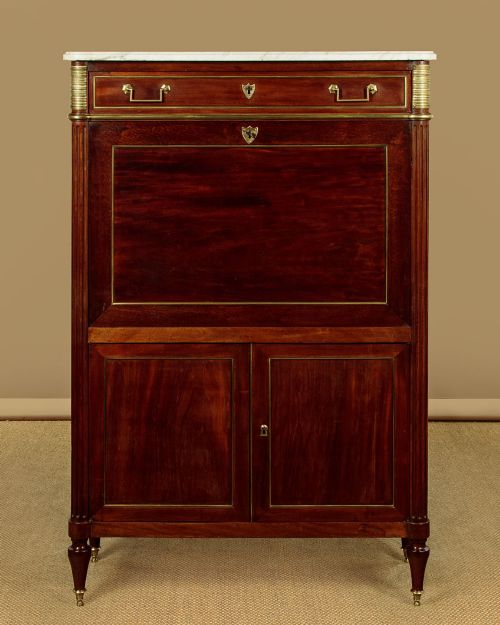
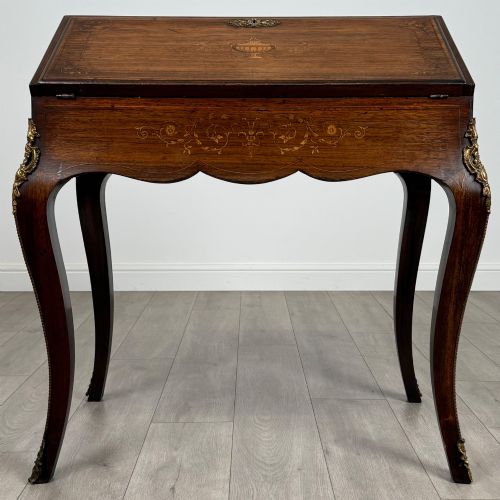
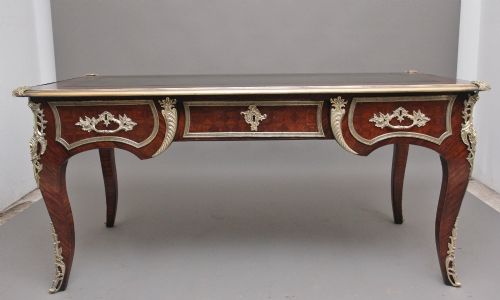
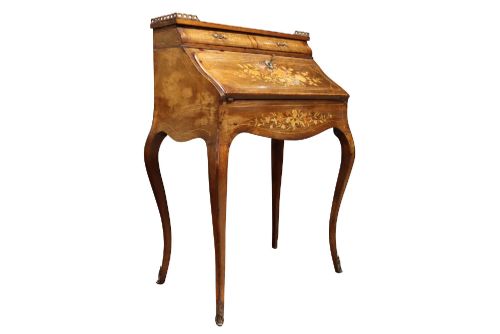
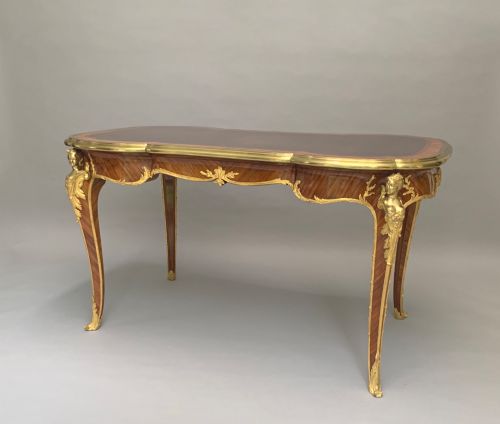
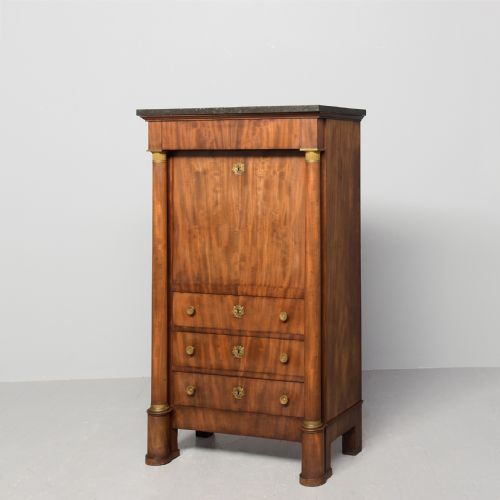
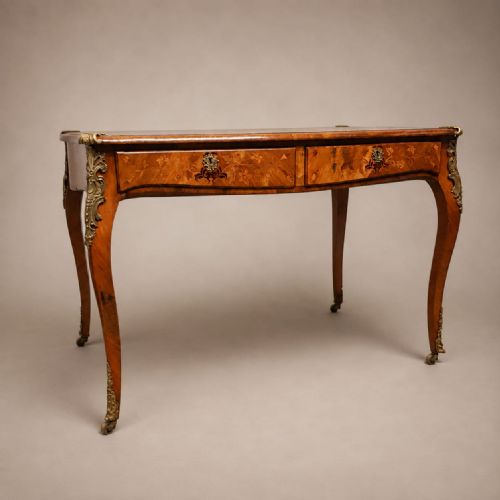
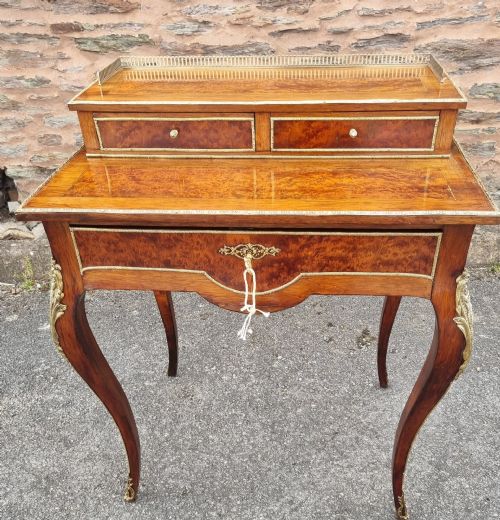
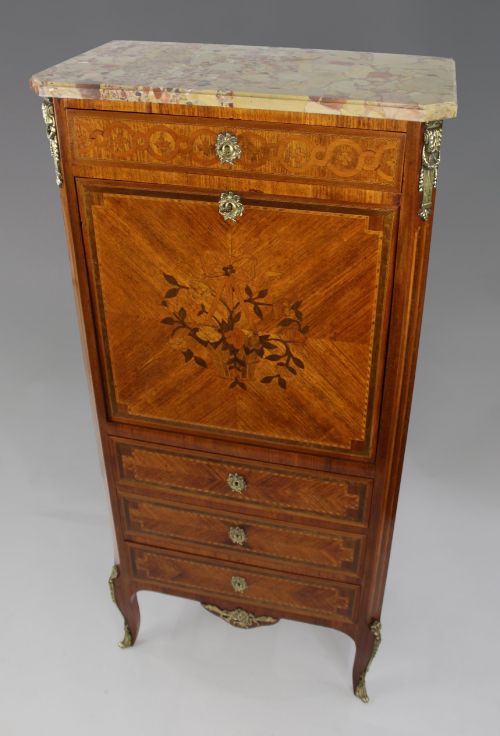
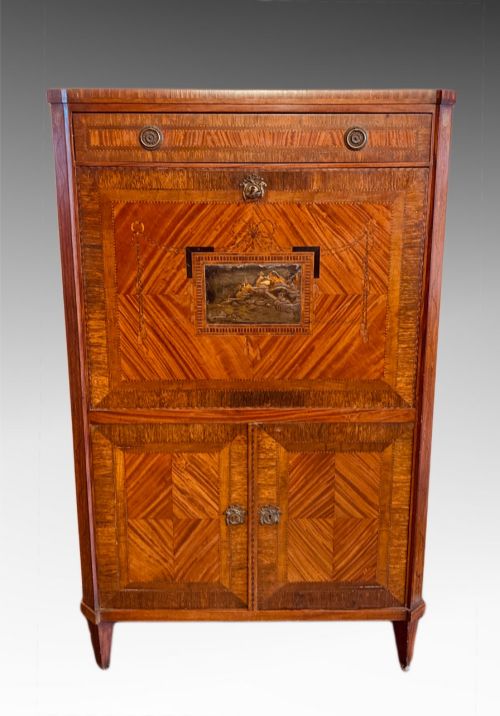
When you examine a 19th century french bureau, you encounter sophisticated writing furniture designed for elite nineteenth-century interiors. These pieces range from expansive bureau plat writing tables to vertical secretaire abattant cabinets and delicate ladies writing desks.
The selections on this page demonstrate the enduring popularity of revival movements, featuring abundant examples executed in Louis XV, Louis XVI, and French Empire styles. Makers utilised diverse forms to serve both grand salon duties and intimate boudoir writing tasks.
Most items you will meet date from the mid to late nineteenth century, reflecting periods of intense revivalism and cabinetmaking excellence across workshops in France. Buyers frequently select these forms to anchor a study or living room with period character.
Materials and construction methods
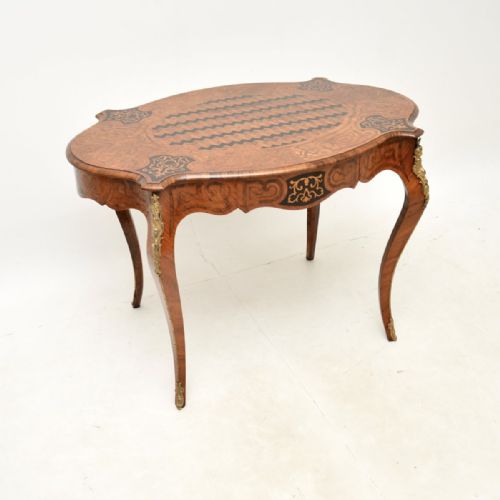
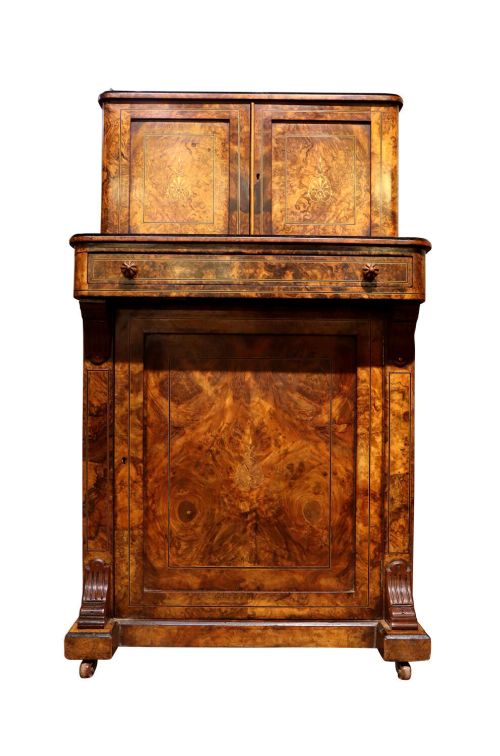
Cabinetmakers built these items using robust foundational timbers like mahogany, walnut, and oak, then surfaced them with decorative veneers including kingwood, rosewood, tulipwood, and amboyna. Artisans applied intricate marquetry and parquetry patterns to create geometric or floral imagery across surfaces.
Gilt bronze and ormolu mounts were cast and chased to accentuate structural corners, aprons, and drawer edges, providing metallic contrast to dark wood grains. Many writing surfaces incorporated inset panels of leather, while vertical models frequently concealed internal secret drawers behind drop-front writing leaves.
19th Century French Bureau Retail Price Guide 2026
Typical asking prices for 19th century french bureau among the pieces listed under this phrase on Sellingantiques today, from the lower quarter to the upper quarter. They describe what is for sale here now, not the wider market.
Listings demonstrate that kingwood and mahogany served as primary structural and decorative veneers across nineteenth-century French cabinet workshops.
Indicators of workshop execution
Quality rests upon the precision of the veneer work and the crispness of the cast ormolu mounts rather than surface polish alone. Superior examples display seamless grain matching across complex serpentine contours and tightly fitted joinery within internal compartments.
The involvement of documented Parisian makers or signed bronzes elevates a piece, showing higher standards of cabinetmaking ambition. Finer items integrate original marble tops and functional locking mechanisms that operate smoothly across all fitted drawers.
Francois Linke·Paul Sormani·Maison Krieger·CH Jeanselme and Co·Durand
The 19th Century French Bureau Glossary
- Bureau plat
- A freestanding double-sided writing table with drawers in the frieze, lacking a superstructure. These items typically feature leather writing surfaces and elaborate bronze mounts.
- Secretaire abattant
- A vertical cabinet featuring a hinged drop-front writing flap that conceals small drawers and pigeonholes. This form maximises vertical storage while providing a stable writing ledge.
- Bonheur-du-jour
- A light ladies writing desk featuring a small tiered superstructure with shelves or miniature drawers above the main work surface. They gained immense popularity during revival periods.
- Ormolu
- Gilded bronze ornamentation applied to furniture corners, feet, and pulls. The technique involves applying a mercury-gold amalgam to cast bronze before firing.
- Marquetry
- Decorative veneer work arranged in pictorial or floral patterns using various tinted woods. Artisans cut thin wood sheets to fit tightly together before gluing them to the carcase.
19th Century French Bureau: Frequently Asked Questions
What is the difference between a bureau plat and a secretaire?
A bureau plat is an open writing table designed to stand in the centre of a room, featuring a flat top and frieze drawers. It offers an expansive workspace without vertical compartments.
In contrast, a secretaire provides vertical storage with a drop-front panel that closes to conceal papers and small compartments. This second form suits spaces requiring enclosed document management.
How do I distinguish Louis XV style from Louis XVI style?
Louis XV style pieces rely on asymmetrical curves, cabriole legs, and flowing rococo bronze mounts. The overall silhouette remains organic and undulating.
Louis616 style pieces introduce neoclassical restraint, featuring straight tapered legs, fluted columns, and symmetrical geometric parquetry. Straight lines and architectural proportions replace the earlier curving movements.
Where should I place a cylinder desk in my home?
A cylinder desk works effectively as a statement anchor in a study or home office where its rolling shutter mechanism can remain partially open to display fitted pigeonholes. Because many examples feature finished backs, they can also float away from walls in large rooms.
Ensure the room maintains stable humidity levels away from direct heat sources to protect the delicate veneers and leather writing inserts.
Are original marble tops common on these desks?
Original marble tops frequently appear on secretaire abattant cabinets and certain console-style writing desks. They provide a durable, cool surface above the primary drawer tiers.
Inspect the edges for minor historical chips while verifying that the stone rests securely within the timber rebate.