


Claw and Ball Desk
Claw and ball desk pieces combine robust timber construction with sculpted terminals, offering a practical workspace rooted in historic revival styles.
Claw and Ball Desk
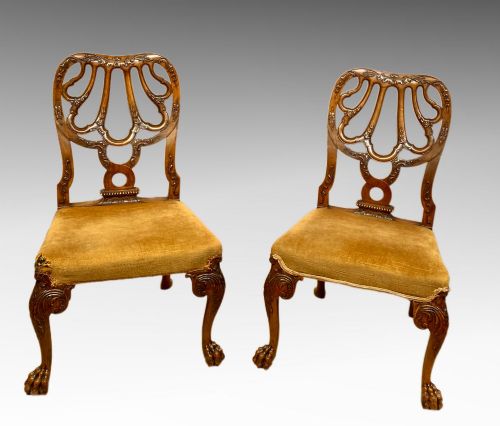
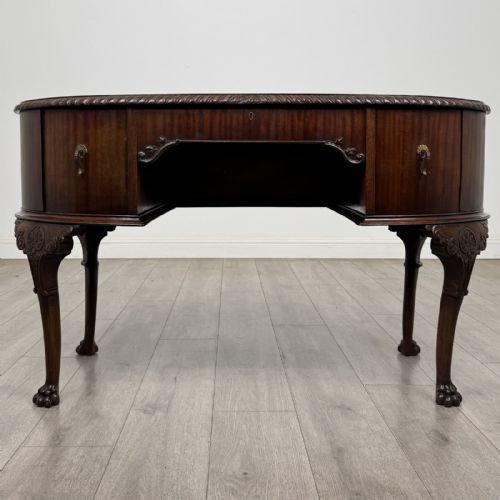
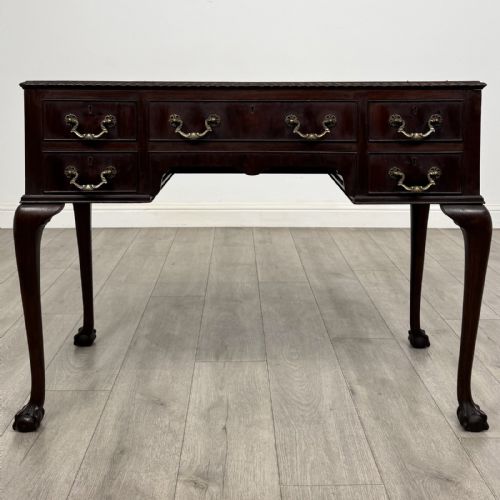
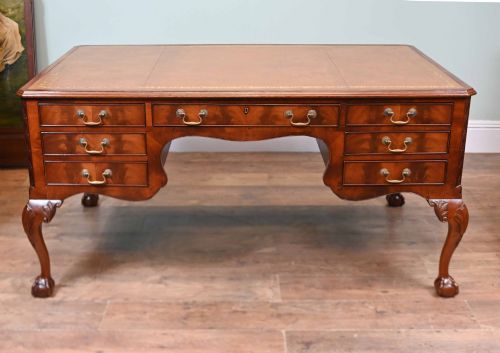
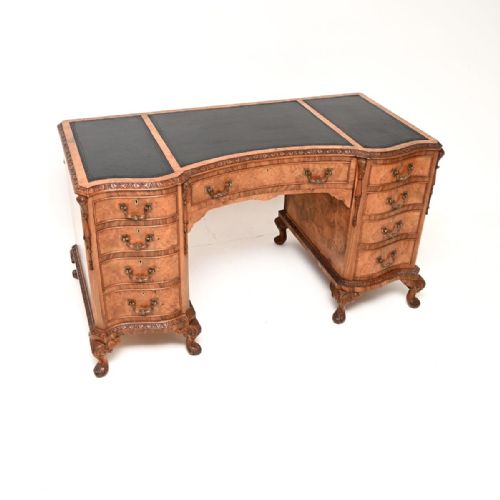
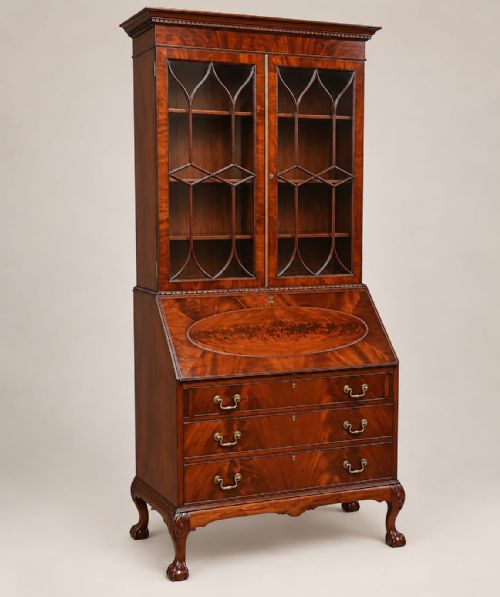
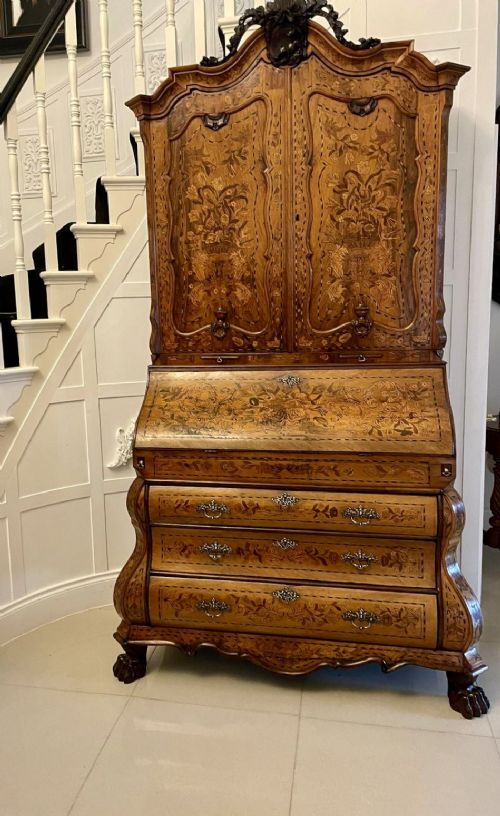
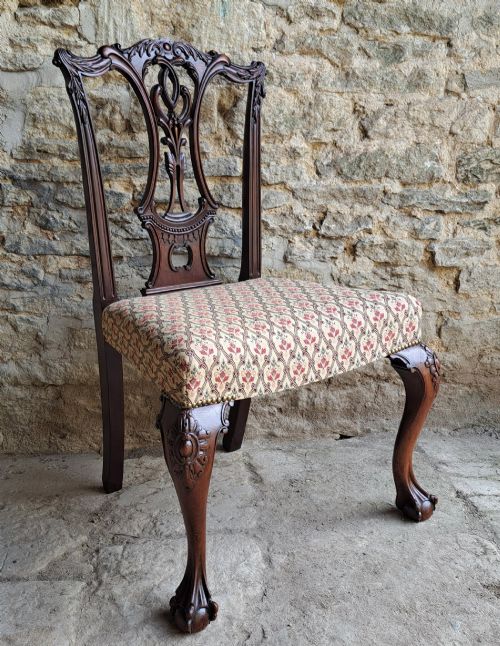
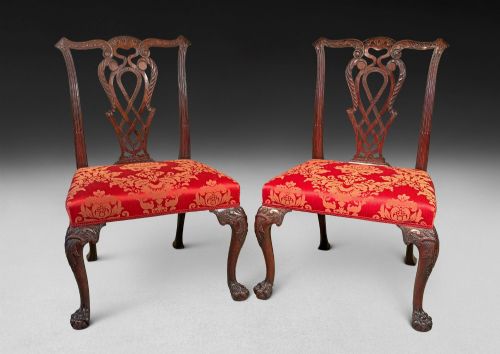
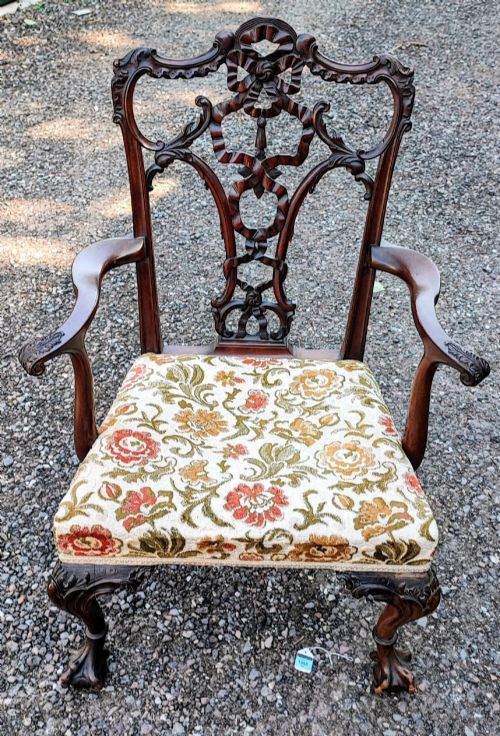
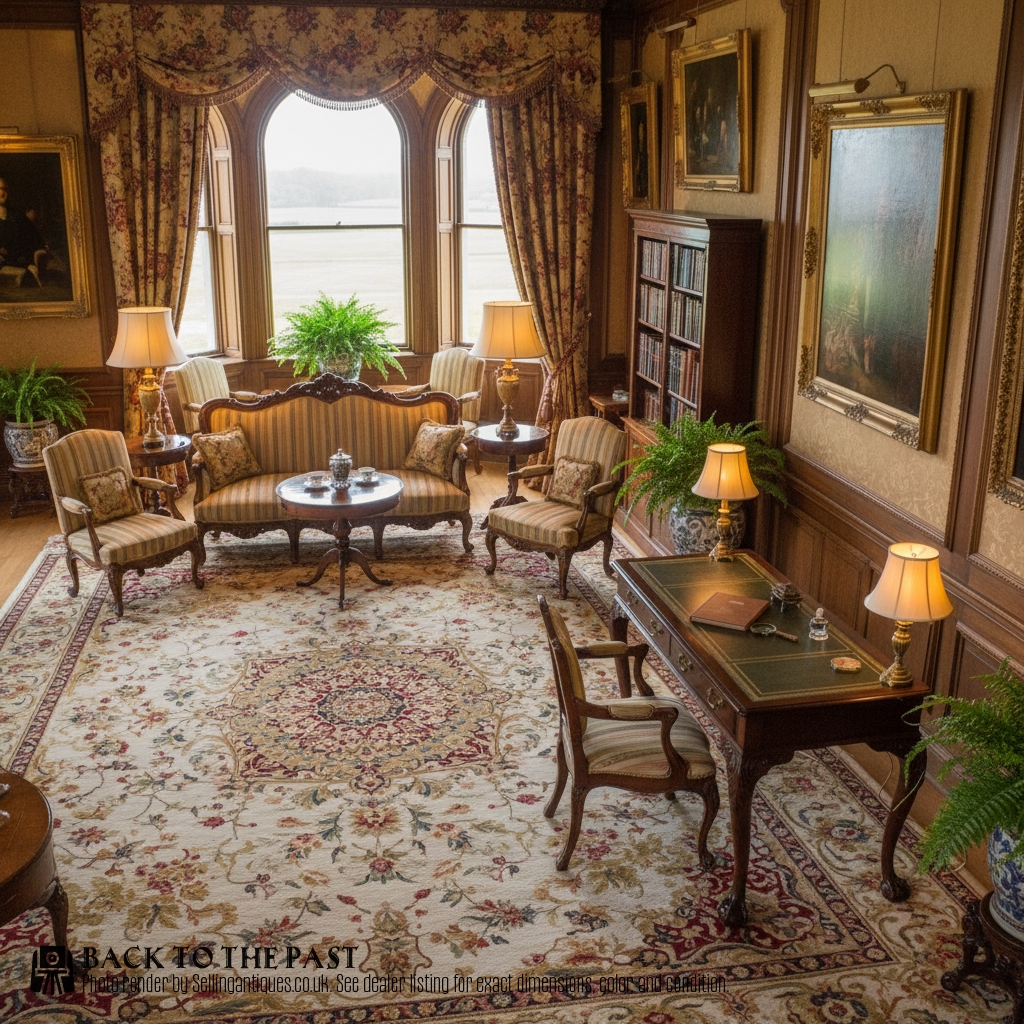
When you search for a claw and ball desk, you look at pieces defined by their distinct feet, which grasp a spherical form. The evidence shows these pieces span pedestal forms, writing tables, and bureaux produced across the eighteenth, nineteenth, and early twentieth centuries. You will frequently meet mahogany and walnut examples created during revival movements such as Chippendale and Queen Anne.
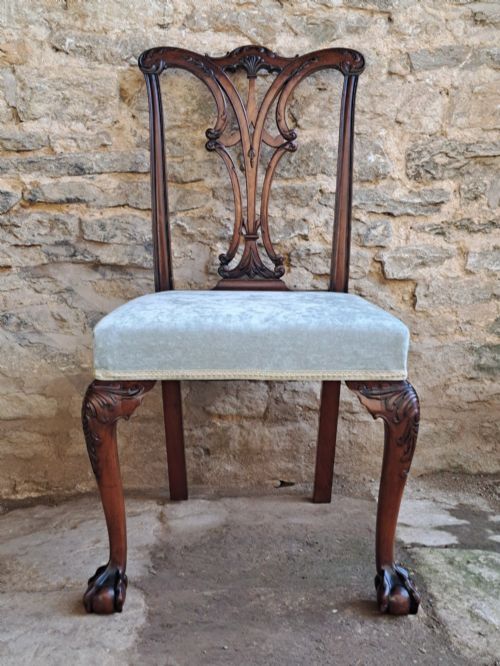
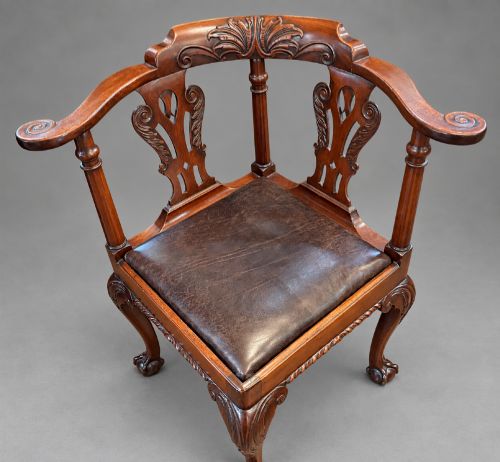
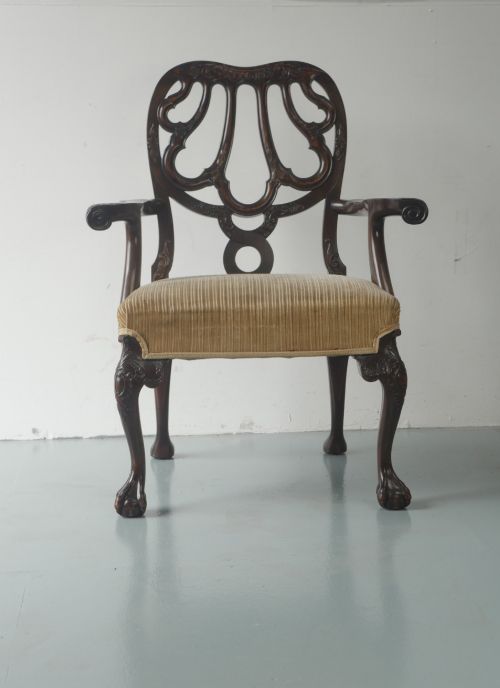
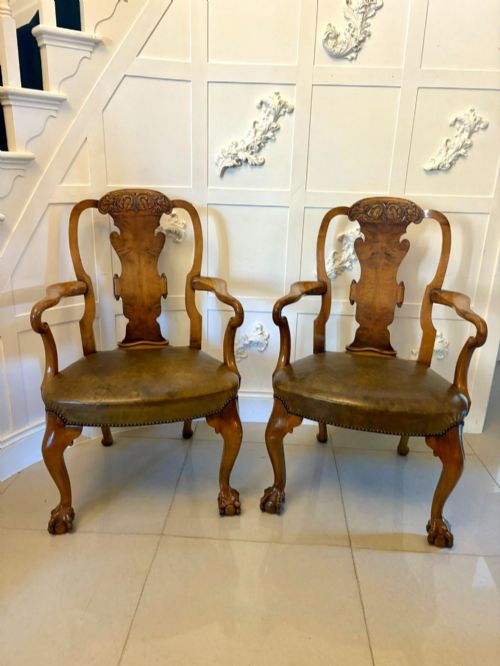
The objects take several structural forms, including heavy partners desks with leather inserts and smaller writing tables. While the phrase specifically denotes writing furniture, the listings indicate that chairs featuring the same foot design often accompany these desks. These variations reflect both original eighteenth-century craftsmanship and later nineteenth and twentieth-century revival interpretations.
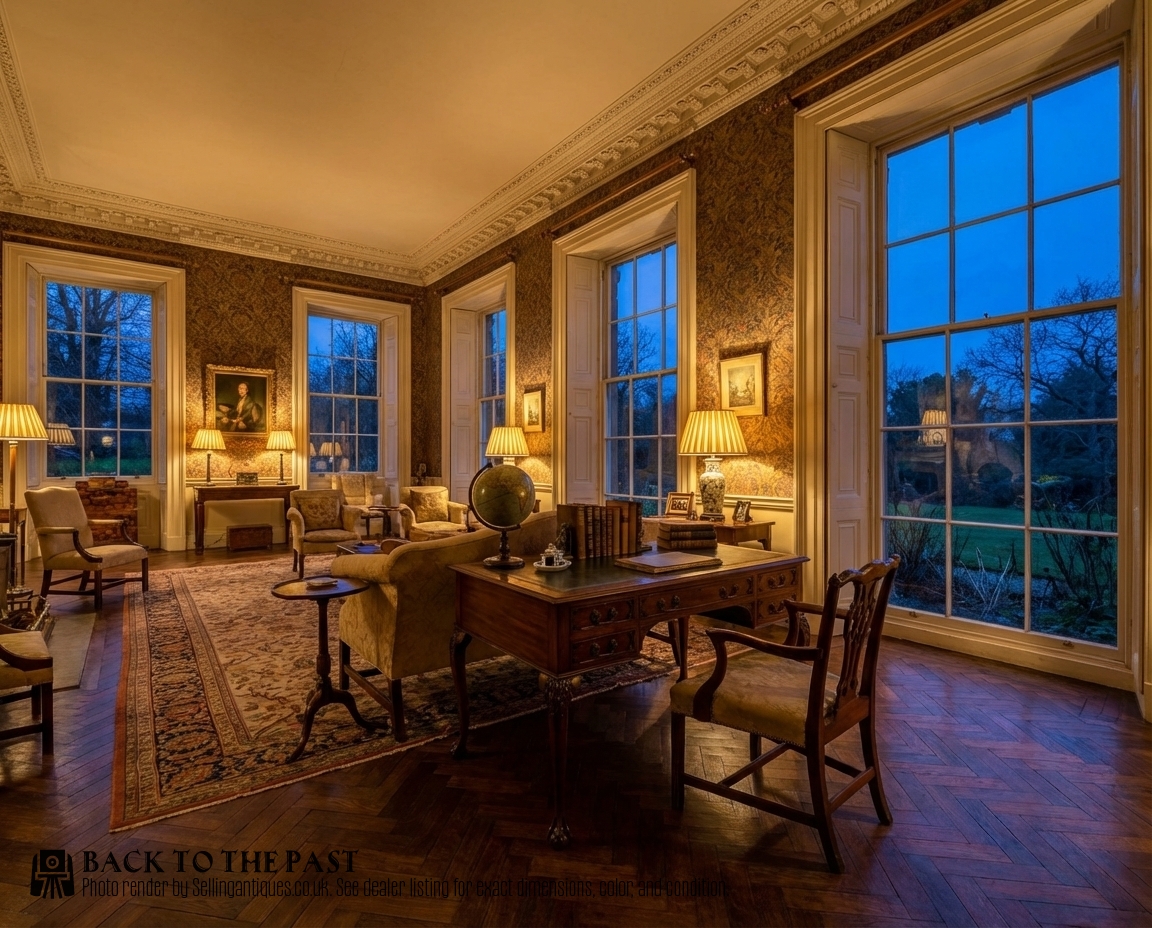
How they were made
Makers utilised dense timbers, predominantly mahogany and burr walnut, selected for their rich grain patterns and structural stability. Flame mahogany and figured walnut veneers frequently cover primary surfaces, adding visual depth to pedestals and writing tops.
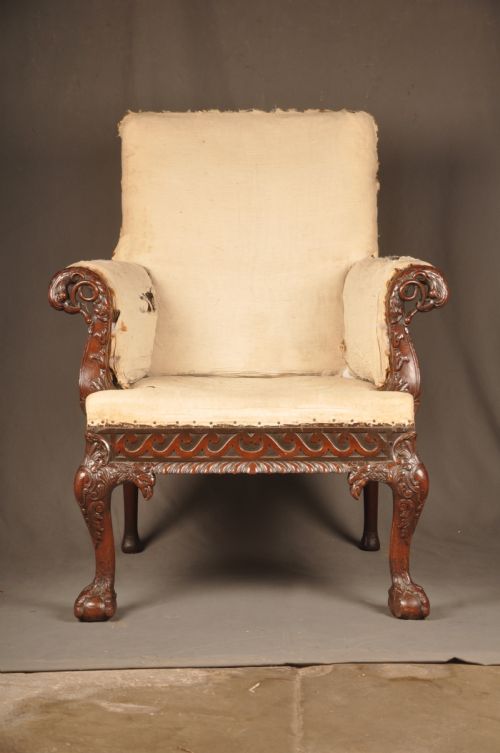
Carving defines the feet, legs, and mouldings, requiring skilled handwork to shape the avian or reptilian talons around the wooden sphere. Workshops integrated brass hardware, oak drawer linings, and inset leather writing surfaces tooled in gold.
Claw and Ball Desk Retail Price Guide 2026
Typical asking prices for claw and ball desk among the pieces listed under this phrase on Sellingantiques today, from the lower quarter to the upper quarter. They describe what is for sale here now, not the wider market.
The listings demonstrate a heavy concentration of mahogany and walnut timber, spanning eighteenth-century origins to twentieth-century revival pieces.
What varies in quality
The depth and crispness of the hand-carved feet separate standard production from superior work. Skilled carvers articulated the sinews and talons with distinct relief, whereas lesser examples present rounded, summary shapes.
Timber selection dictates the overall presence of the piece, with figured flame mahogany and matched burr walnut commanding greater visual weight. The quality of internal construction, including hand-cut dovetails in the drawers and intact original leather writing surfaces, marks the distinction.
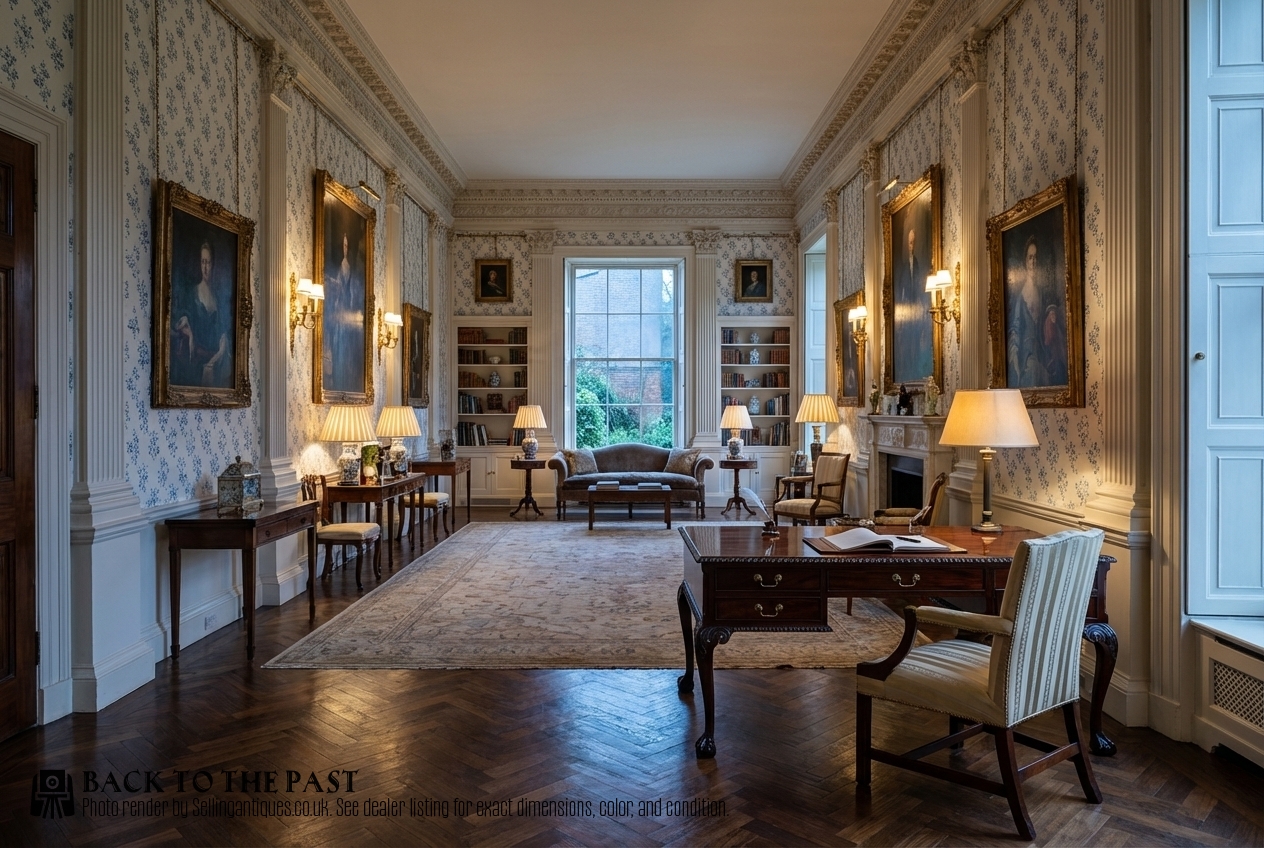
Gillows·Maple and Co.
The Claw and Ball Desk Glossary
- Pedestal desk
- A freestanding writing table comprising two freestanding drawer pedestals supporting a central top. It provides storage on both sides or a single front-facing configuration.
- Partners desk
- A large double-sided desk designed for two people to work opposite one another. These versions incorporate drawers and cupboards accessible from both faces.
- Chippendale style
- A decorative design vocabulary drawn from Thomas Chippendale's eighteenth-century pattern books. It incorporates carved cabriole legs, ball and claw feet, and intricate fretwork.
- Burr walnut
- Timber harvested from the gnarled growth on walnut trees, yielding highly figured grain patterns. Cabinet makers prized it for veneering prominent surfaces.
- Cabriole leg
- A furniture leg that curves outward in an S-shape before tapering inward to a foot. This form derives from ancient Chinese designs and gained popularity in European furniture during the eighteenth century.
Claw and Ball Desk: Frequently Asked Questions
What is a claw and ball desk?
A claw and ball desk is a writing table or pedestal desk supported by legs that terminate in carved feet gripping a wooden sphere. These pieces draw heavily on eighteenth-century design vocabulary and later revival periods.
The form combines functional storage drawers with decorative woodwork, frequently paired with matching leather writing surfaces. They appear in mahogany and walnut across various nineteenth and twentieth-century production dates.
How do I date a claw and ball desk?
Dating requires examining the timber species, secondary woods used in drawer linings, and the sharpness of the hand-carved details. Eighteenth-century originals differ in structural assembly from Edwardian or twentieth-century revival pieces.
Hardware styles, dovetail construction, and the presence of maker stamps or labels provide further chronological markers. Comparing the carving style against documented period motifs helps distinguish original eighteenth-century work from later revivals.
Are partners desks different from standard desks?
Partners desks are built to be accessed from both sides, featuring drawers and cupboards facing in opposite directions. Standard pedestal desks are finished against a wall with drawers on only one side.
This double-sided configuration makes partners desks larger and allows two people to sit opposite each other. They often utilise superior timbers and detailed carving across every elevation.
How do I care for leather desk tops?
Leather writing surfaces require gentle cleaning with a slightly damp cloth followed by a neutral leather cream to prevent drying and cracking. Avoid using harsh chemical solvents or abrasive cleaners that damage the gold tooling.
Maintaining a stable room temperature protects both the leather insert and the underlying timber carcase from warping. Periodic conditioning keeps the hide supple and preserves the surface texture.