

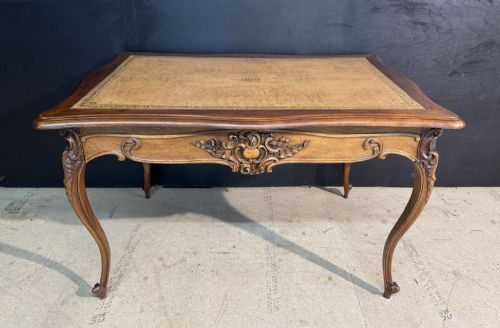
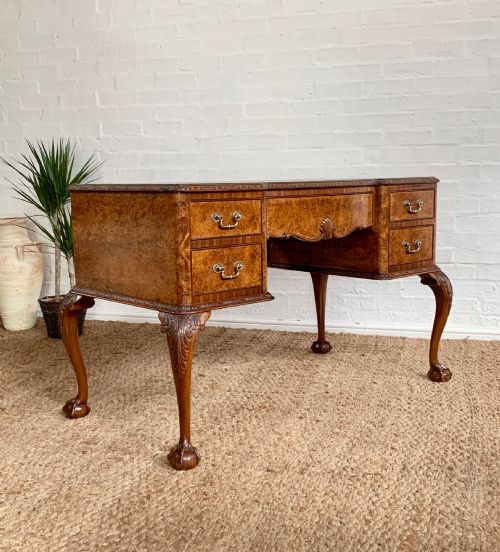
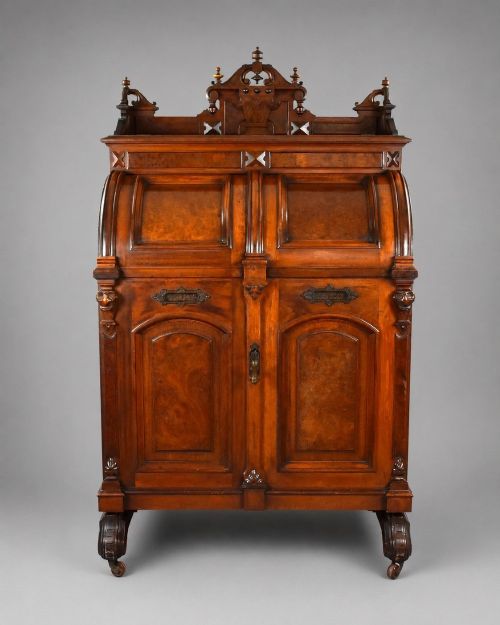
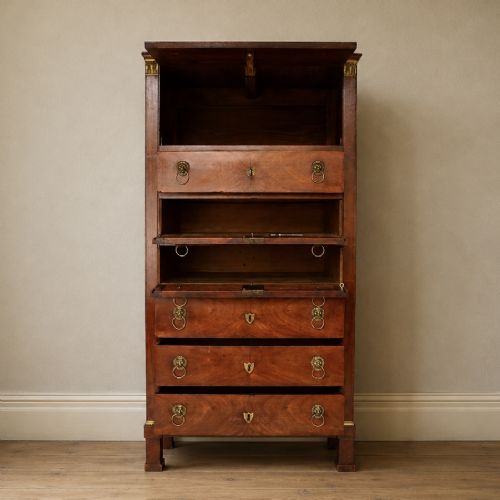

Carved Walnut Bureau
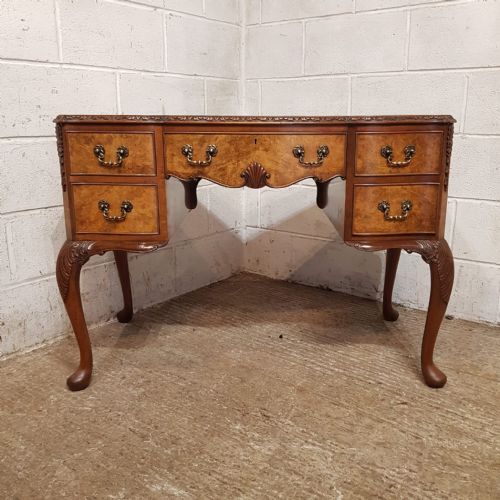
A carved walnut bureau brings together rich timber and fitted writing compartments from centuries past to anchor a traditional study.
Carved Walnut Bureau
A carved walnut bureau combines a sloping fall-front lid with internal pigeonholes and drawers, serving as a traditional writing workstation. These pieces emerge primarily from the eighteenth and nineteenth centuries, spanning periods from William and Mary through the Victorian era.
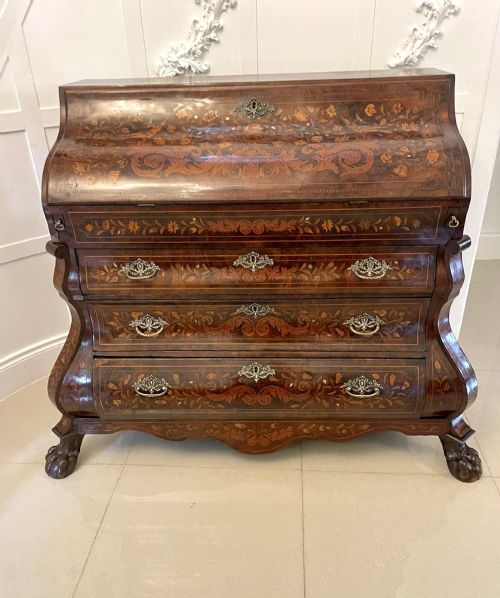
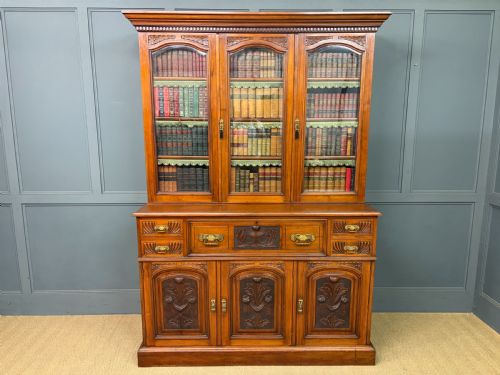
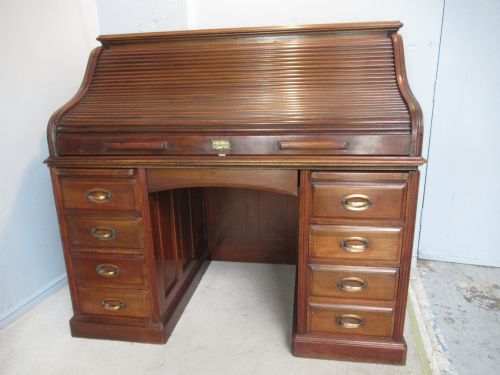
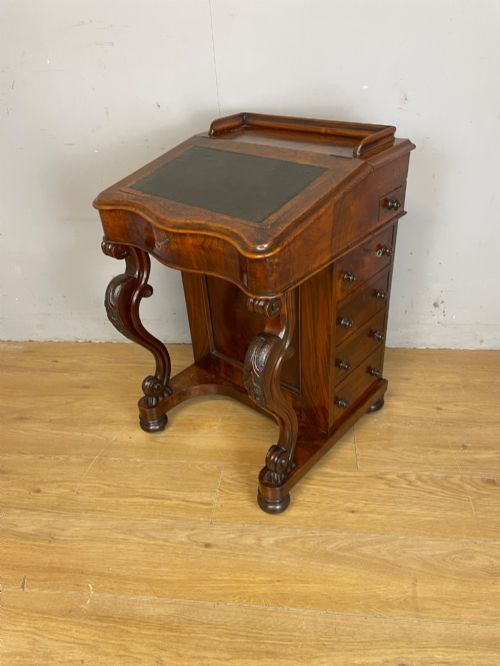
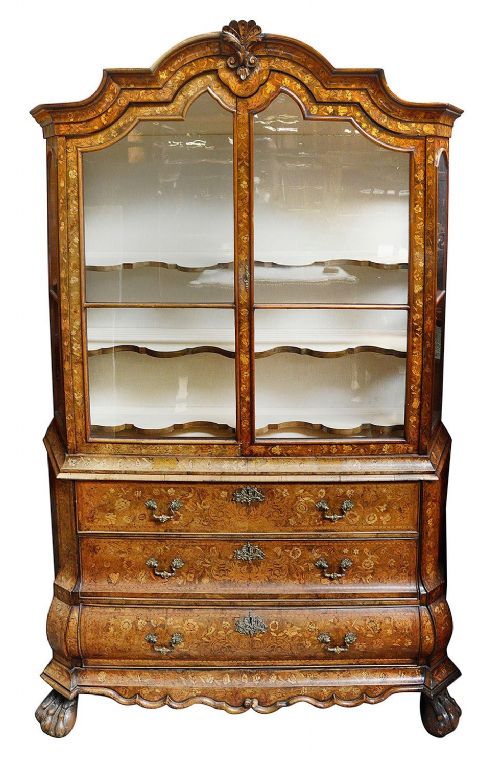
The selection ranges from Dutch bombes and floral marquetry examples to simple Victorian fall-front designs and Davenport desks. Figured timber and elaborate carving define the forms most frequently encountered on this page.
How they were made
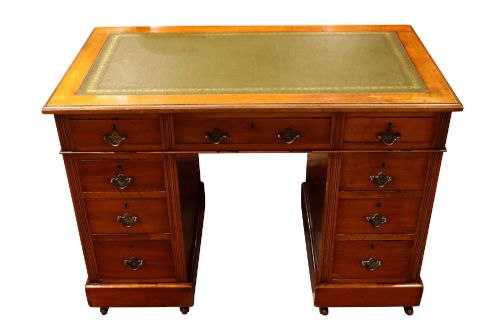
Cabinet makers utilised solid walnut and burr walnut veneers laid over secondary timbers like pine and oak, often pairing them with fruitwood marquetry. Brass hardware, green leather writing surfaces and glass panels complete the structural and decorative elements.
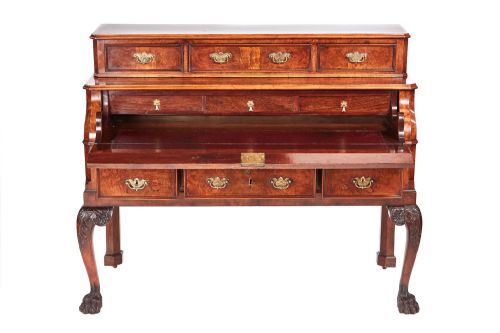
Veneers were painstakingly sawn and applied by hand to achieve symmetrical grain patterns across the fall-fronts and drawer faces. Carved details such as paw feet and shaped aprons were shaped directly into the solid wood components.
Carved Walnut Bureau Retail Price Guide 2026
Typical asking prices for carved walnut bureau among the pieces listed under this phrase on Sellingantiques today, from the lower quarter to the upper quarter. They describe what is for sale here now, not the wider market.
Listings feature pieces spanning the 18th century, the Victorian era, and the 1930s, constructed in walnut, burr walnut, oak, and pine.
What varies in quality
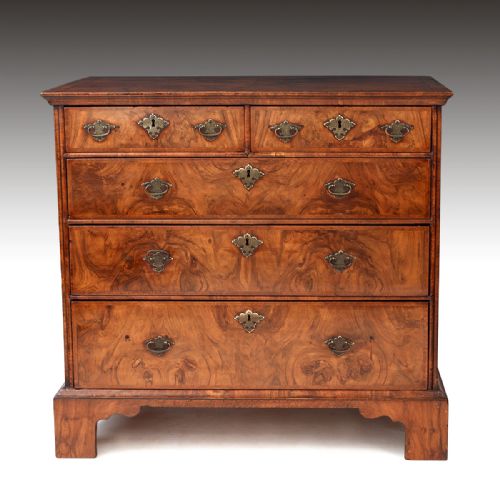
The richness of the timber grain marks the distinction between ordinary and exceptional pieces, with dense burr walnut and crisp floral marquetry commanding attention. Finer examples display meticulous matching of veneers across multiple drawer fronts.
Internal complexity also dictates grade, separating basic letter slots from elaborate satinwood fitted interiors with hidden compartments. The sharpness of hand-carved mouldings and the retention of original brass handles further separate standard production from master craftsmanship.
The Carved Walnut Bureau Glossary
- Burr walnut
- A figured wood grain derived from the wart-like growths on walnut trees, prized for its swirling patterns. Cabinet makers slice it into thin veneers for decorative furniture surfaces.
- Marquetry
- The art of applying small pieces of wood veneer to form pictorial or floral designs. Artisans cut contrasting timbers like fruitwood and walnut to fit flush within a background veneer.
- Bureau
- A desk featuring a sloping hinged lid that drops down to create a writing surface. It typically conceals a series of small drawers and pigeonholes inside.
- Davenport desk
- A compact Victorian writing desk featuring a sloped top above a pedestal of drawers. The side often incorporates a pen box and stationery storage.
- Escritoire
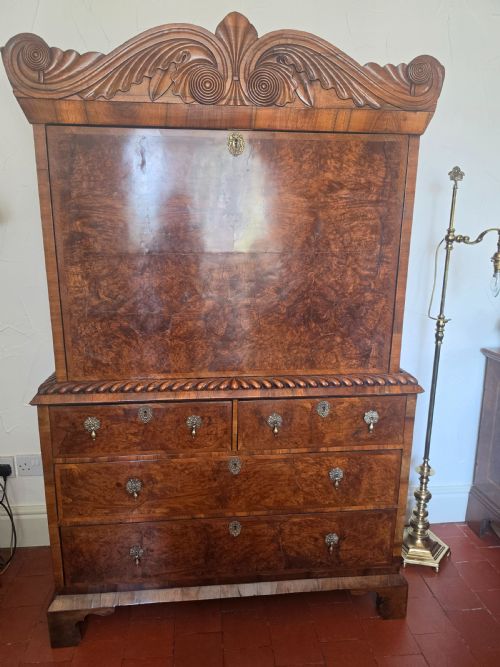
- A tall writing cabinet with a fall-front panel that opens to reveal internal compartments. This form dates back to the late seventeenth and eighteenth centuries.
Carved Walnut Bureau: Frequently Asked Questions
How do I care for antique walnut furniture?
Antique walnut requires stable indoor humidity away from direct sunlight and heat sources to prevent the timber from drying out or splitting. Gentle dusting with a soft cloth keeps the surface clean.
Application of traditional beeswax helps maintain the lustre of the polish without building up residue. Avoid modern silicone sprays that can damage older finishes.
How do I tell an 18th-century bureau from a Victorian one?
Eighteenth-century pieces often display hand-cut dovetails, distinct secondary woods like oak, and understated proportions typical of the Georgian or William and Mary periods. Their veneers and marquetry reflect earlier decorative tastes.
Victorian pieces frequently utilise heavier burr walnut veneers, machine-assisted construction elements, and more exuberant carved details like paw feet. The interior fittings also tend to reflect later nineteenth-century manufacturing methods.
What is burr walnut?
Burr walnut is a specialised timber derived from the gnarled growth on walnut trees where the grain has grown in a distorted, swirling pattern. This creates highly decorative patterns when sliced into thin veneers.
Cabinet makers used these veneers on prominent surfaces like drawer fronts and fall-front lids to create dramatic visual contrast.