

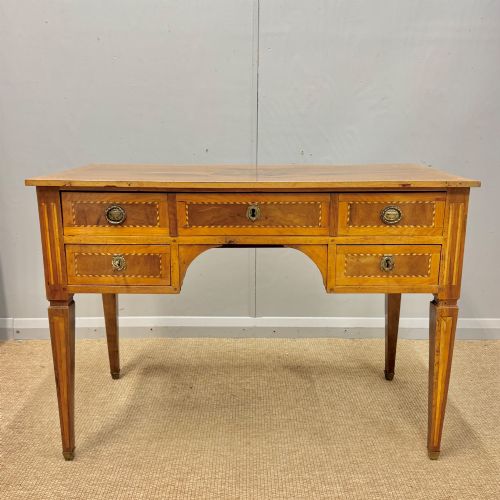
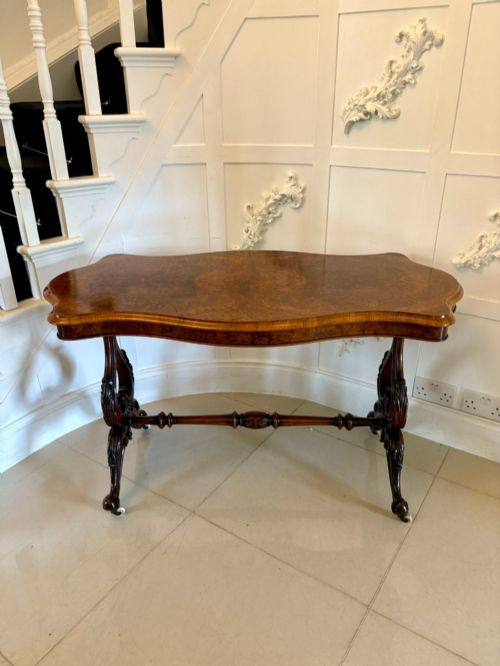
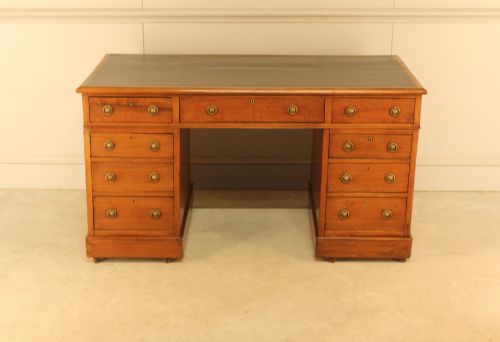
Brown Walnut Writing Table
A brown walnut writing table brings rich timber grain and a practical surface to a study.
Brown Walnut Writing Table
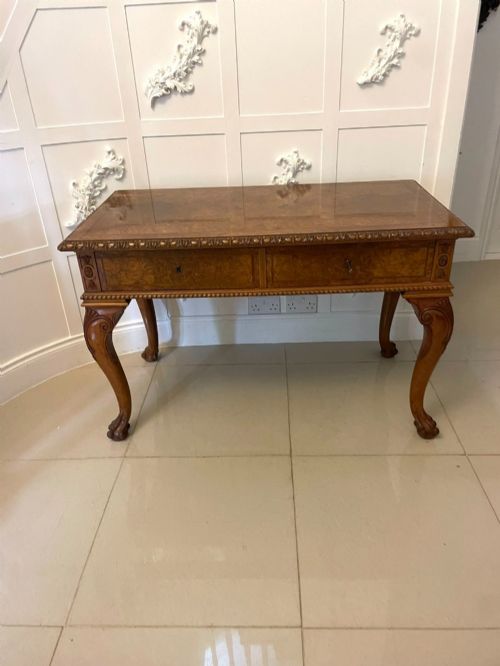
A brown walnut writing table is a desk or freestanding surface designed for correspondence and paperwork, utilising timber as its primary medium. These pieces span centuries of cabinet-making, appearing in Georgian, Victorian, and later twentieth-century forms.
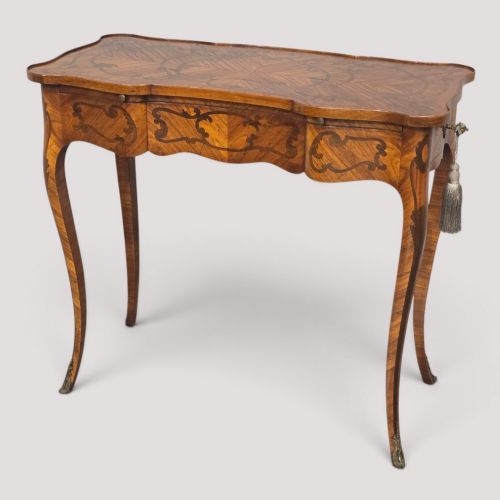
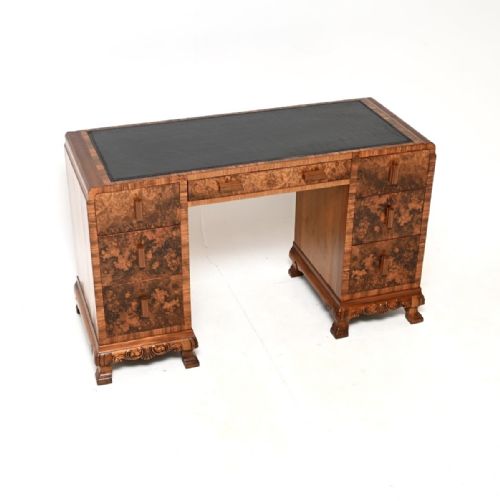
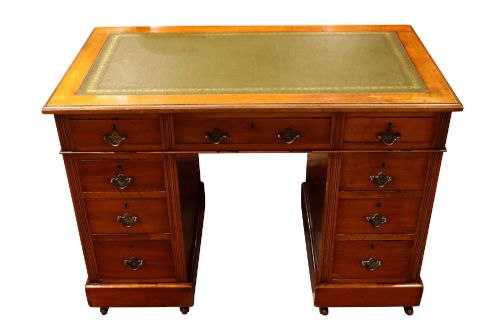
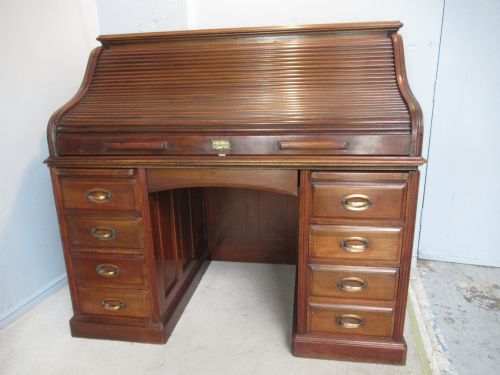
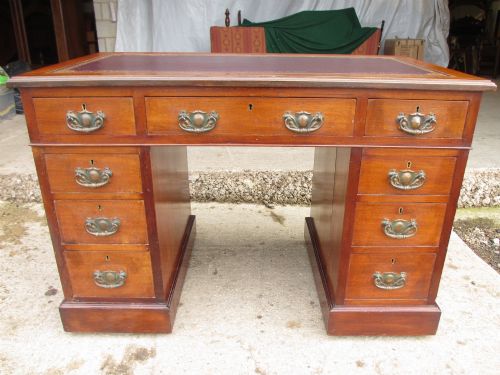
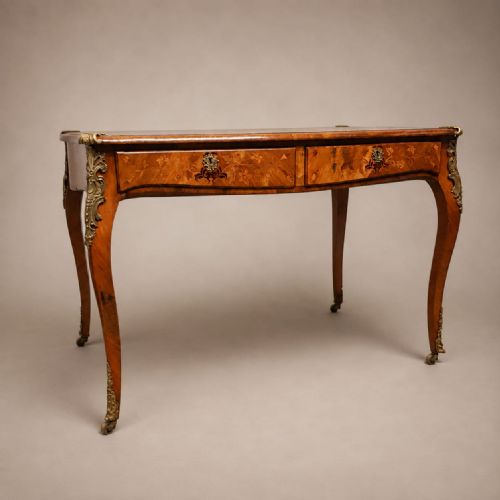
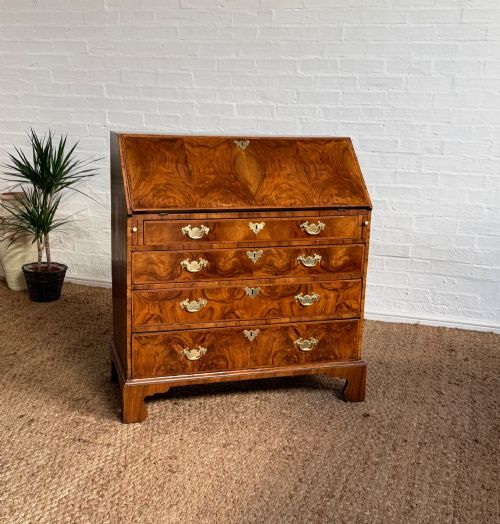
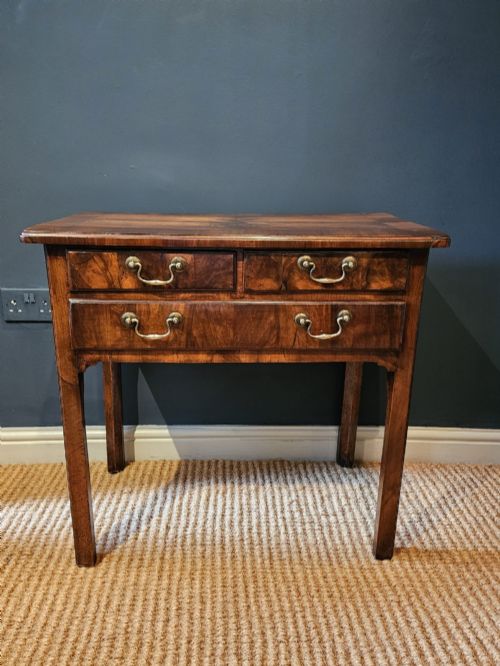
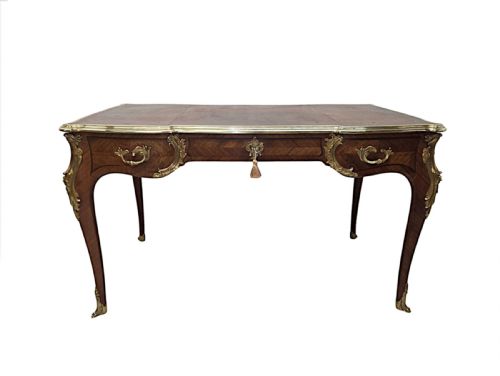
The most common examples on this page are pedestal desks and writing tables featuring burr walnut veneers, leather inserts, and multiple drawers. Alongside these sit side tables, lowboys, and bureau formats originating from English, French, and Dutch workshops.
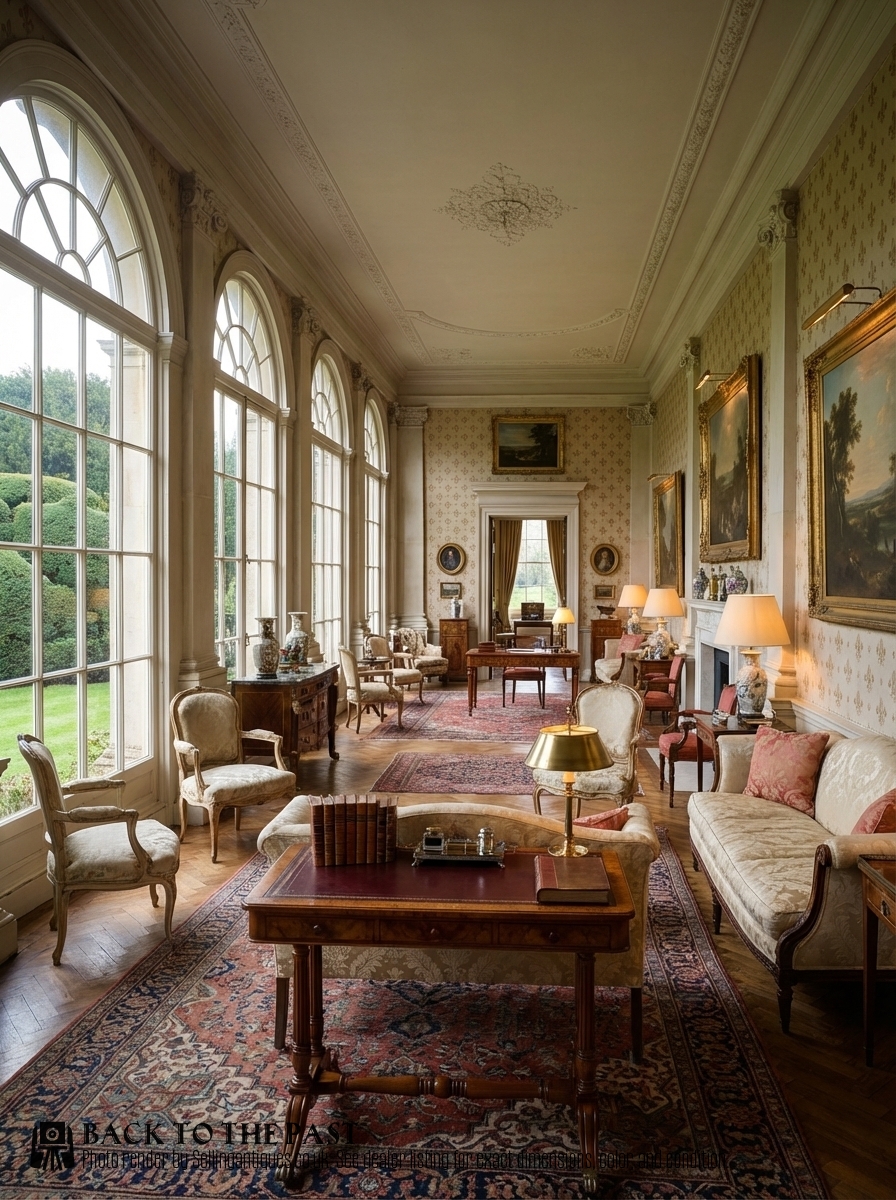
Construction and materials
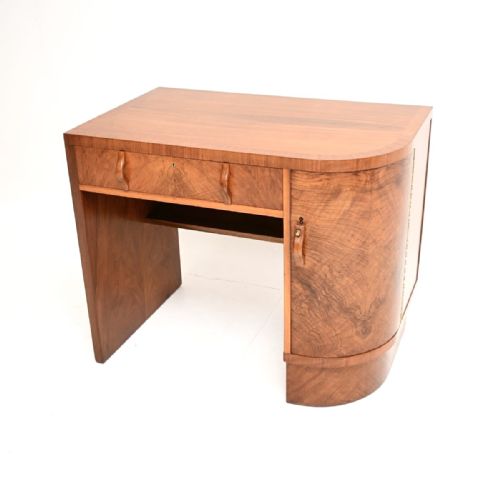
Cabinet-makers built these tables using solid walnut and secondary timbers like oak, applying figured burr walnut or straight-grained veneers to the primary surfaces. Marquetry detailing, brass handles, and glass panels frequently accompany the main wooden structure.
Writing surfaces incorporated inset leather panels, sometimes tooled with gilt decoration, while structural joints relied on traditional craftsmanship to support daily use in libraries and offices.
Brown Walnut Writing Table Retail Price Guide 2026
Typical asking prices for brown walnut writing table among the pieces listed under this phrase on Sellingantiques today, from the lower quarter to the upper quarter. They describe what is for sale here now, not the wider market.
Secret compartments occasionally hide within pedestal desks, waiting for someone to pull the right internal catch.
Factors of quality
The choice of timber veneer dictates much of the visual merit, with densely figured burr walnut and balanced marquetry placement marking out superior examples. Plain timber surfaces rely on clean joinery and well-proportioned drawer configurations to hold distinction.
Internal construction, such as the dovetailing on drawer linings and the retention of original brass hardware, separates utilitarian office furniture from finer parlour or salon pieces.
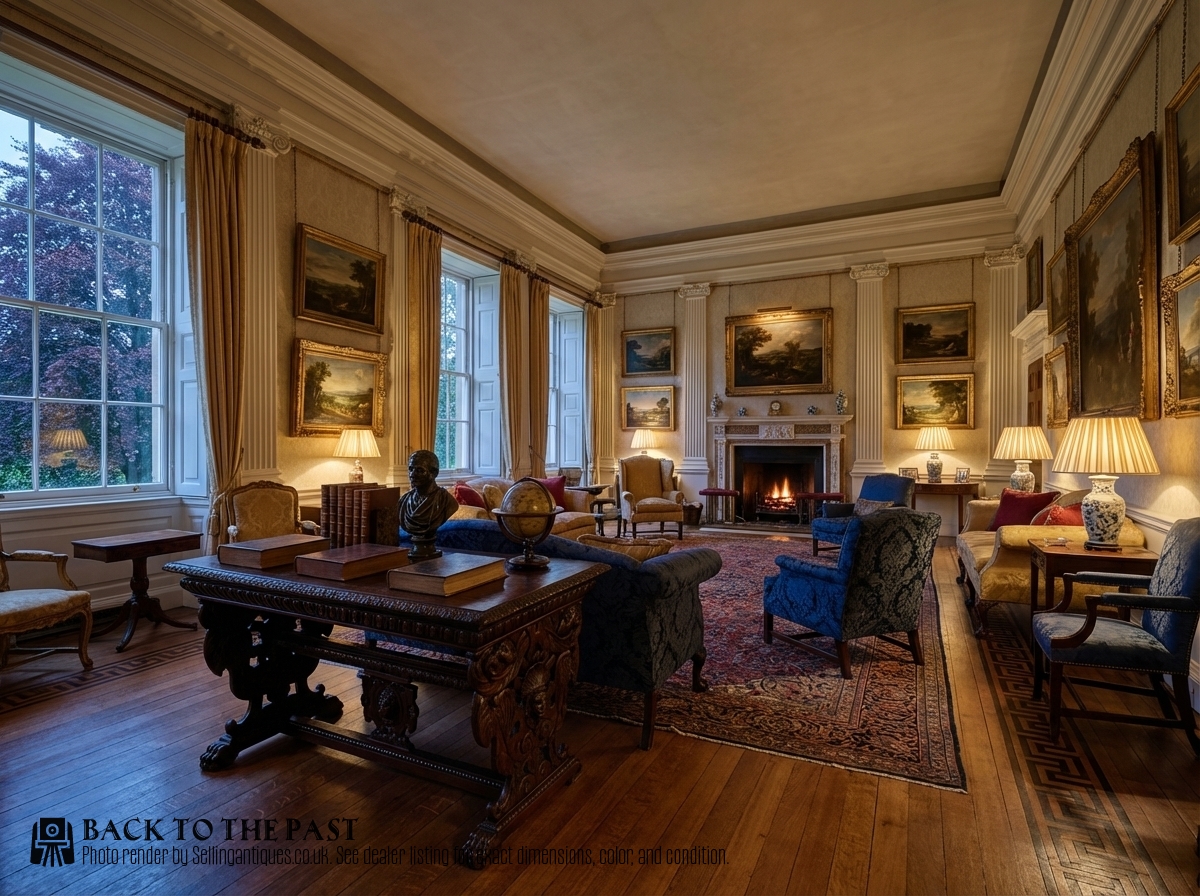
Maple & Co.·Wylie & Lochhead Glasgow
The Brown Walnut Writing Table Glossary
- Burr walnut
- A decorative timber veneer sliced from the gnarly growths on walnut trees, showing swirling grain patterns. It provides a highly figured surface prized in cabinet-making.
- Pedestal desk
- A large freestanding desk featuring two banks of drawers supporting the main writing surface. This form offers substantial storage capacity.
- Lowboy
- A small table with one or more rows of drawers, commonly used as a dressing table or side table in eighteenth-century interiors. It stands on slender legs.
- Bureau plat
- A French freestanding writing table fitted with drawers beneath the top, popular during the eighteenth and nineteenth centuries. It usually lacks the superstructure of a slant-front bureau.
- Marquetry
- The art of applying pieces of veneer to a structure to form decorative patterns or pictures. Craftsmen utilise various coloured woods to achieve the design.
Brown Walnut Writing Table: Frequently Asked Questions
What is a brown walnut writing table?
A brown walnut writing table is a piece of wooden furniture designed for writing, featuring a flat top and often incorporating drawers. These tables use walnut timber, frequently enhanced with burr veneers or marquetry.
They serve as functional desks in studies or libraries, combining storage space with a dedicated writing surface. The form ranges from simple side tables to elaborate pedestal desks.
How do I identify a Georgian walnut desk?
Georgian walnut desks date from the eighteenth century and typically display restrained proportions, cross-banded veneers, and traditional drawer construction using oak linings. Brass handles on these pieces often reflect period hardware designs.
Later revival pieces from the twentieth century emulate these characteristics, so examining internal timber and construction methods helps determine the actual period of manufacture.
What is a kneehole desk?
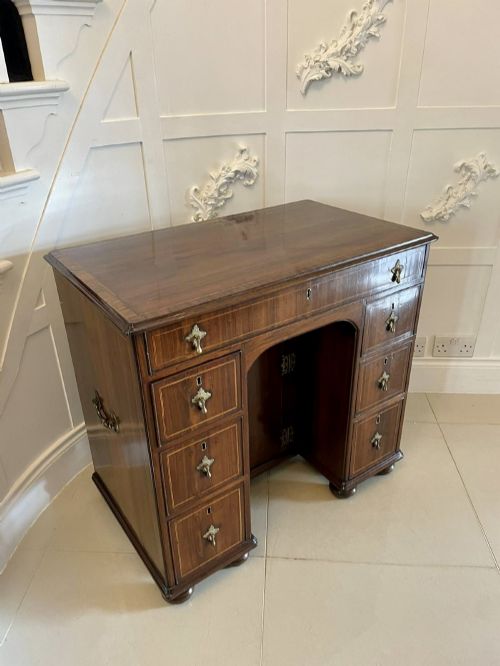
A kneehole desk is a pedestal form featuring a recessed central space beneath the writing surface, allowing a chair to slide underneath. A small cupboard or single drawer often sits above this kneehole space.
This layout provides ample drawer storage on both sides while maintaining a comfortable seating position for the writer.
How do I care for a leather writing surface?
Leather writing surfaces require gentle cleaning with a slightly damp cloth, avoiding harsh chemical cleaners that dry out the hide. Conditioning treatments help preserve the flexibility and colour of the leather over time.
Keeping the surface free from direct sunlight prevents fading and cracking of both the leather insert and the surrounding walnut timber.