





Victorian Secretaire Desk
A Victorian secretaire desk combines everyday practicality with clever concealed writing surfaces, offering the refined workspace that collectors and period interior enthusiasts value.
What a Victorian Secretaire Desk Is
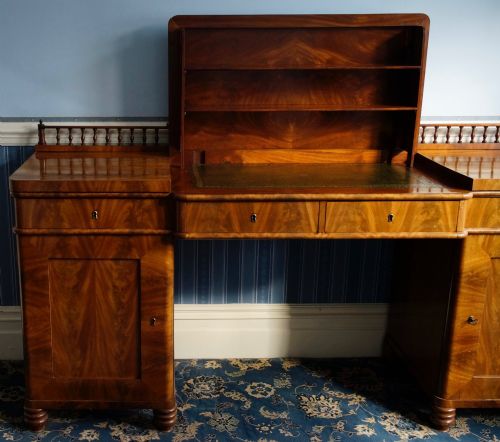
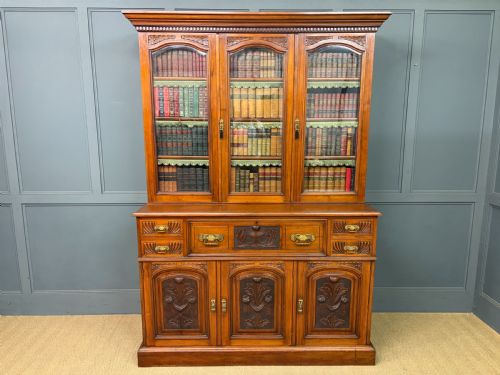
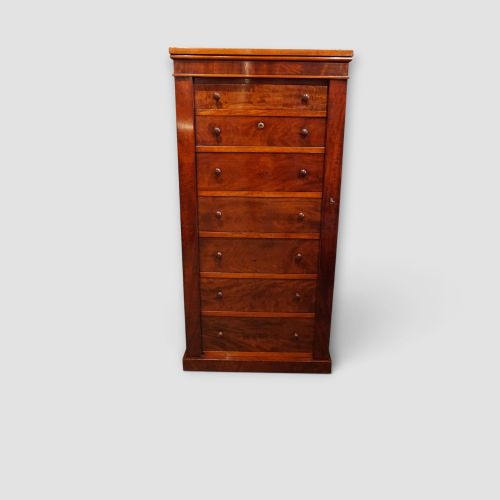
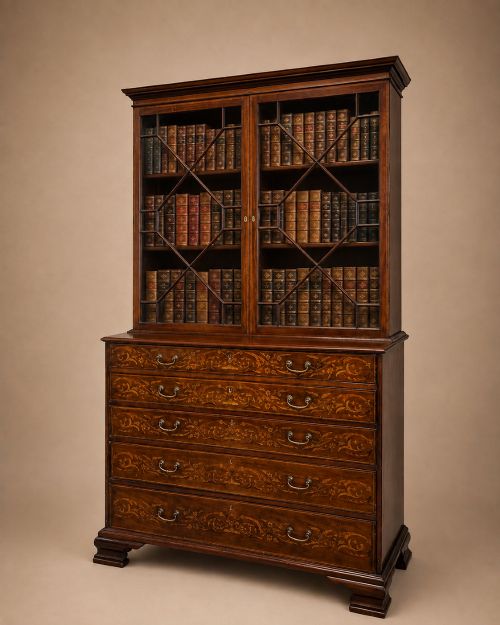
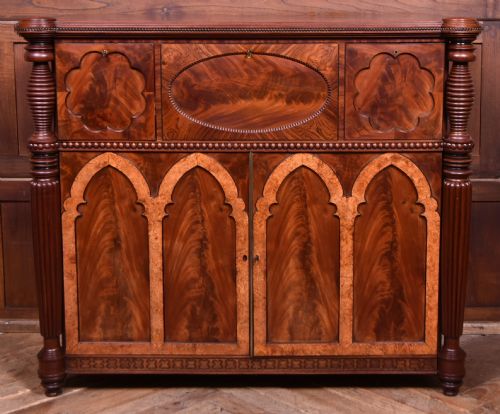
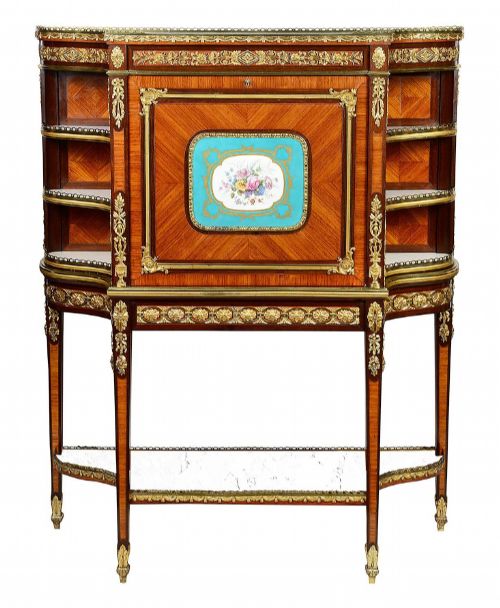
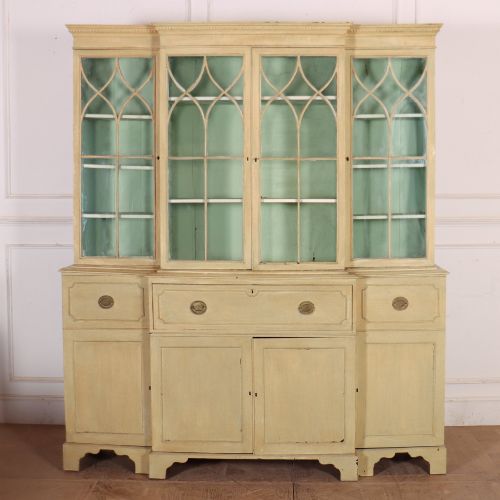
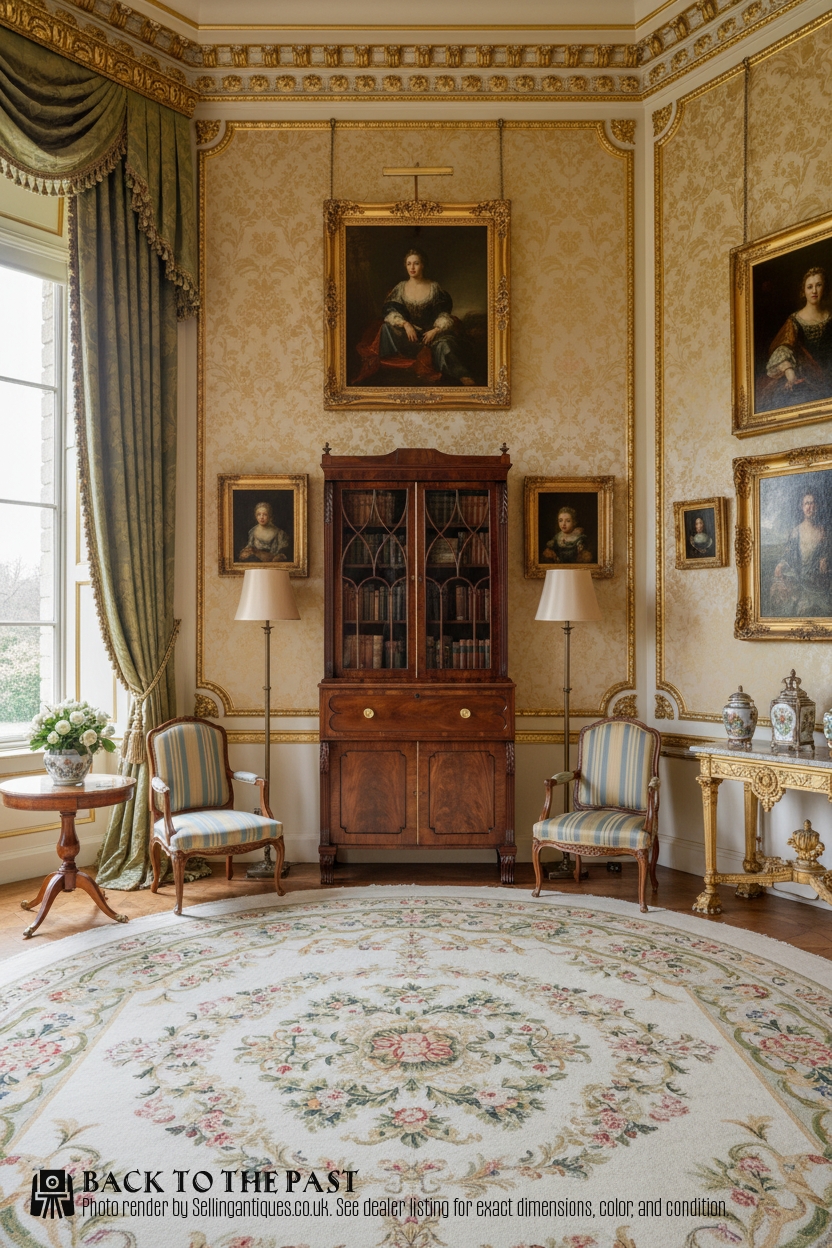
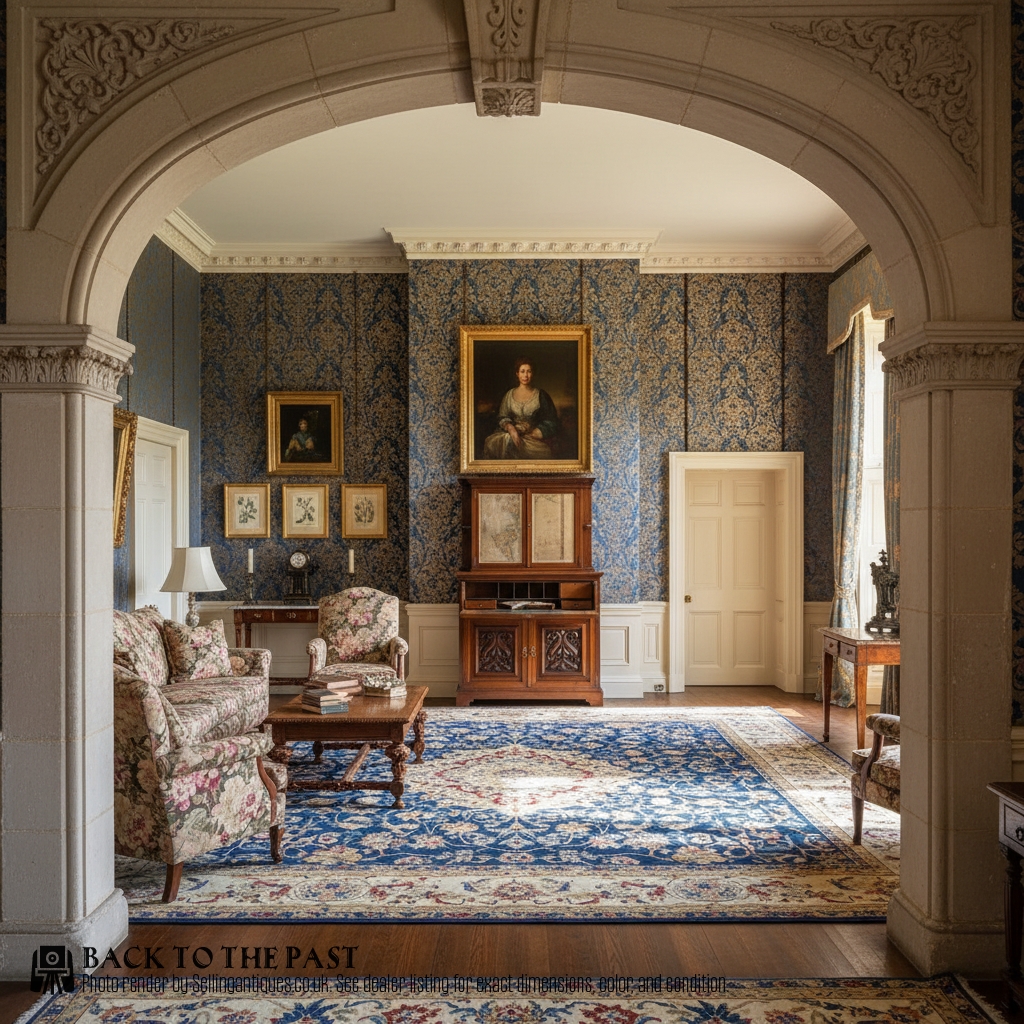
A Victorian secretaire desk bridges the gap between a conventional chest of drawers or bookcase and a dedicated writing station, presenting a closed architectural front that conceals a fitted desk interior. When you search for a Victorian secretaire desk, you encounter various formats ranging from tall bookcase combinations and chiffoniers to compact chests and sideboards.
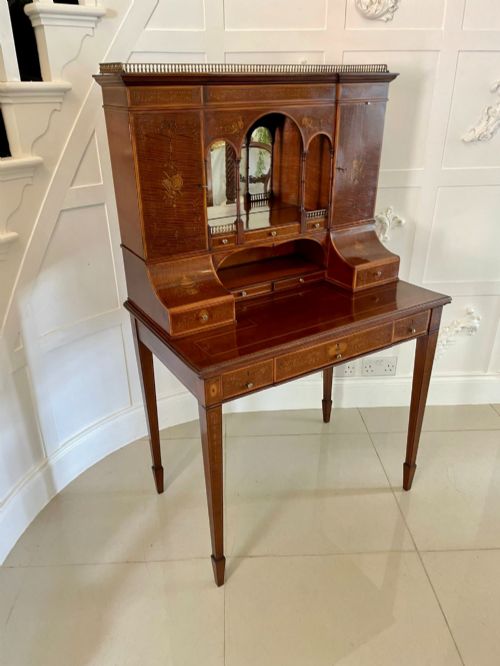
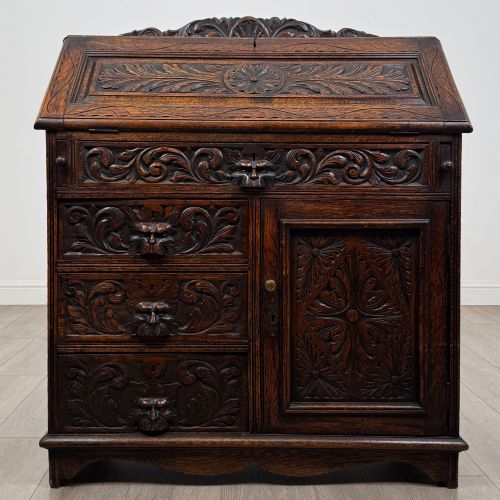
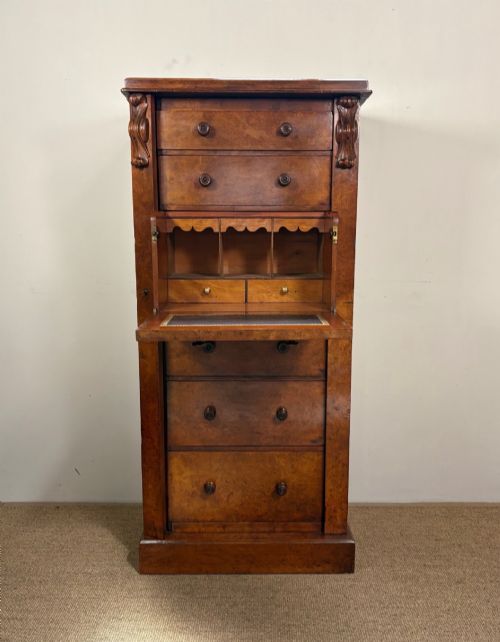
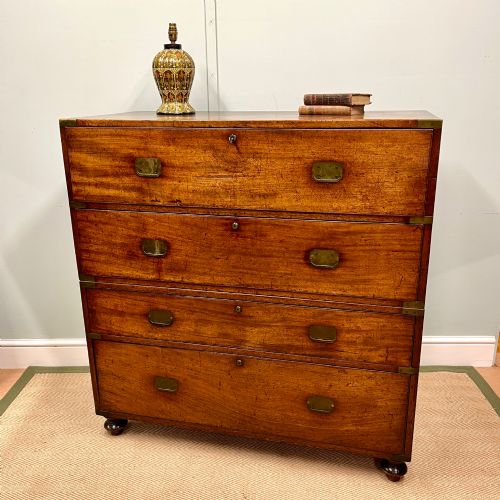
The pieces appearing in this selection reflect the broad design vocabulary of the nineteenth century, utilising dense hardwoods and modular camp forms. Walnut, mahogany, oak, and camphor wood dominate the items, often incorporating fitted pigeonholes and small drawers behind the drop-down writing flap.
You are most likely to meet mahogany and walnut examples dating across the nineteenth century, including pieces featuring inlaid details, campaign brass mounts, or glazed upper bookcases. These hybrid forms served the dual purpose of domestic storage and correspondence before the widespread adoption of modern office furniture.
Materials and Construction
Cabinet makers constructed these secretaire desks using solid timbers overlaid with choice veneers such as flame mahogany and burr walnut to create striking grain patterns on the principal surfaces. Secondary woods like oak or pine form the concealed drawer linings and structural interiors, showcasing traditional hand-cut dovetail joints.
Writing surfaces inside the drop-down flaps typically feature inset panels of leather or baize, providing a durable and smooth writing plane. Metalwork elements, including brass handles, campaign corners, and locking mechanisms, were fitted by hand into the heavy timber frames.
Retail Price Guide 2026
Typical UK retail prices for victorian secretaire desk, calculated from the Sellingantiques database of over a million retail prices indexed since 2003. This retail price guide relies exclusively on Sellingantiques data; no external sources or auction records are used, so the figures do not describe the wider market.
Many secretaire desks conceal hidden miniature drawers behind the pigeonholes, designed for keeping private letters and small valuables out of sight.
Judging Quality
Quality in a Victorian secretaire desk rests upon the selection of timber veneers and the structural integrity of the internal writing mechanism. Superior pieces display book-matched grain across drawer fronts and smooth, balanced action in the drop-down fall-front fittings.
Attention to detail in the secondary interior compartments, such as secret drawers, finely turned small pulls, and hand-tooled leather inserts, separates standard production furniture from superior workshop output. Original brass hardware, stable joints, and intact locking mechanisms further define the higher tier of surviving examples.
Gillows
The Victorian Secretaire Desk Glossary
- Secretaire
- A desk or cabinet featuring a concealed writing drawer or a drop-down front that reveals a fitted interior with pigeonholes and small compartments.
- Flame mahogany
- A prized timber veneer cut from the fork of the mahogany tree, producing a distinctive flickering, flame-like pattern across the wood surface.
- Burr walnut
- A decorative wood veneer harvested from walnut tree growths, characterised by swirling knot clusters and rich texture.
- Campaign furniture
- Portable military furnishings built in sections with recessed brass handles and corner brackets designed for easy transport during travel.
- Pigeonhole
- A small, open compartment within a desk interior used for sorting letters, papers, and stationery.
Frequently Asked Questions
What is a Victorian secretaire desk?
A Victorian secretaire desk is a nineteenth-century item of furniture that looks like a chest of drawers, bookcase, or sideboard from the outside, but includes a fold-down or pull-out drawer that serves as a writing desk.
Inside the drop-down section, you typically find a collection of small drawers, pigeonholes, and a leather or baize writing surface designed for correspondence.
How were these desks used?
These desks functioned as dual-purpose household pieces, allowing owners to store household linens, books, or clothing while keeping stationery and writing materials neatly tucked away.
The drop-down writing flap provided an instant desk for writing letters or managing household accounts without requiring a separate, dedicated room for administration.
How do I identify a Victorian piece?
Victorian pieces are identified by nineteenth-century construction methods, including hand-cut dovetails, dense timbers like mahogany and walnut, and period hardware.
Stylistic cues such as Gothic revival motifs, heavy brass campaign mounts, or inlaid woodwork further help place the piece securely within the nineteenth-century timeline.
Where should I place one at home?
A secretaire desk works well in a living room, study, or hallway where its closed cabinet front adds traditional character while offering practical surface space.
Because many examples combine a bookcase, chest, or sideboard with a hidden desk, they save floor space while providing both display and writing functions.