


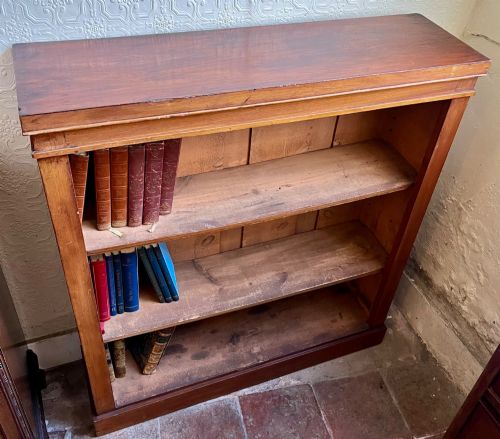
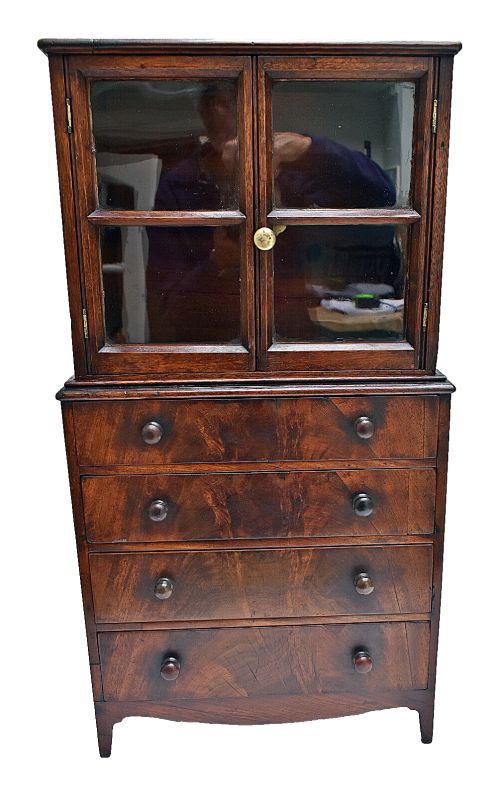
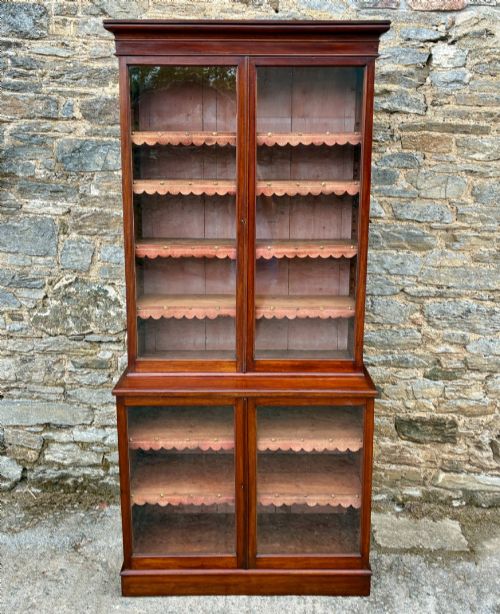
19th Century Mahogany Bookcase
A 19th century mahogany bookcase brings enduring warmth and formal utility to a room, offering sturdy shelving framed in rich timber.
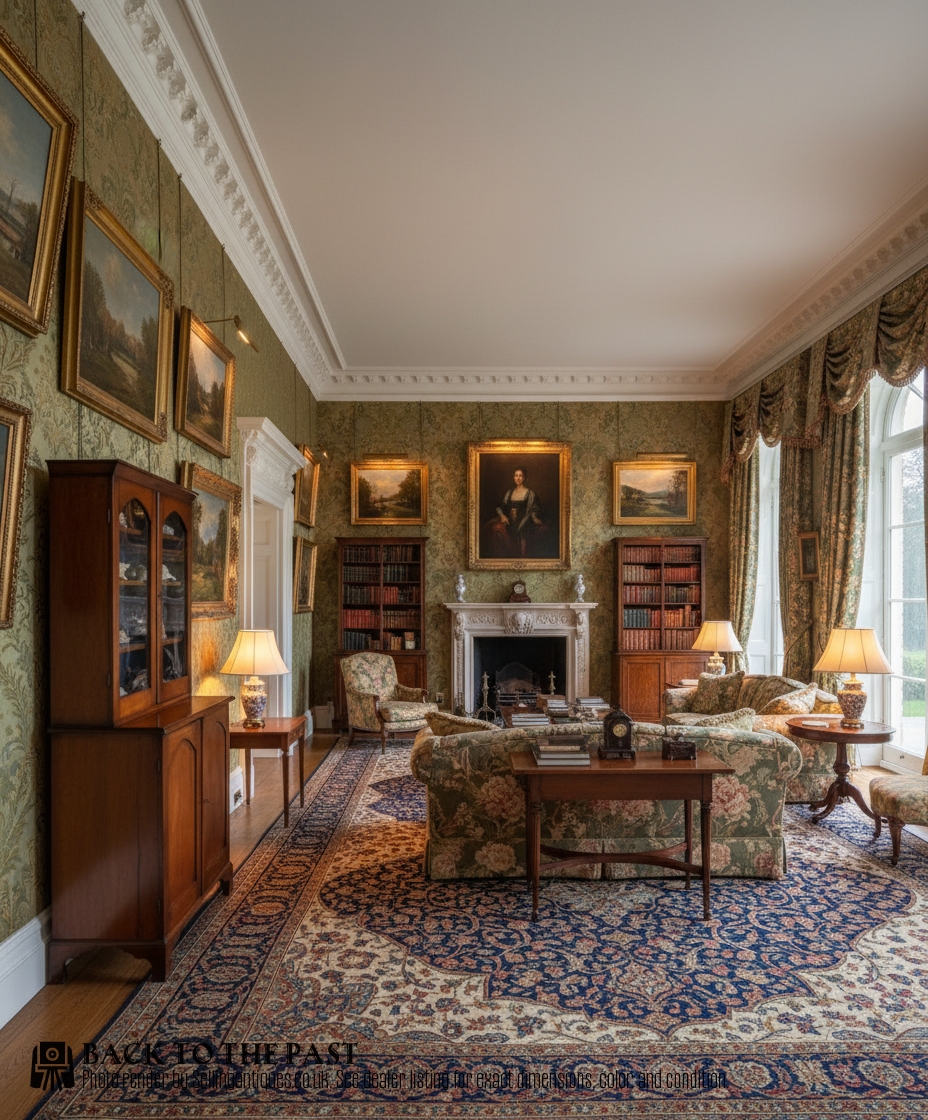
19th Century Mahogany Bookcase
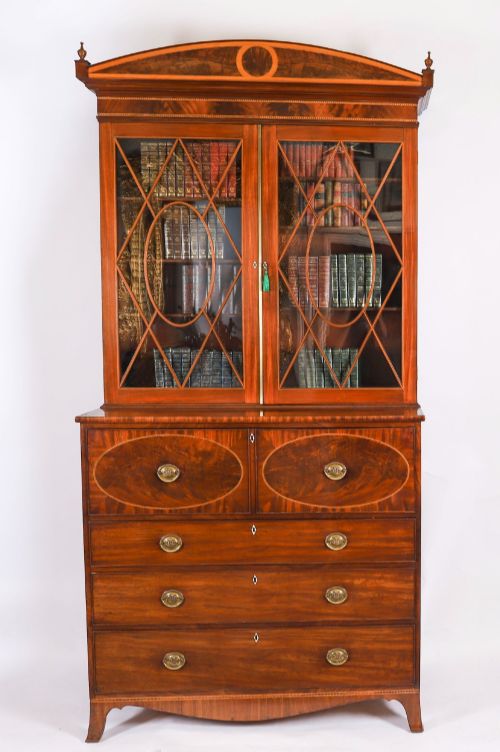
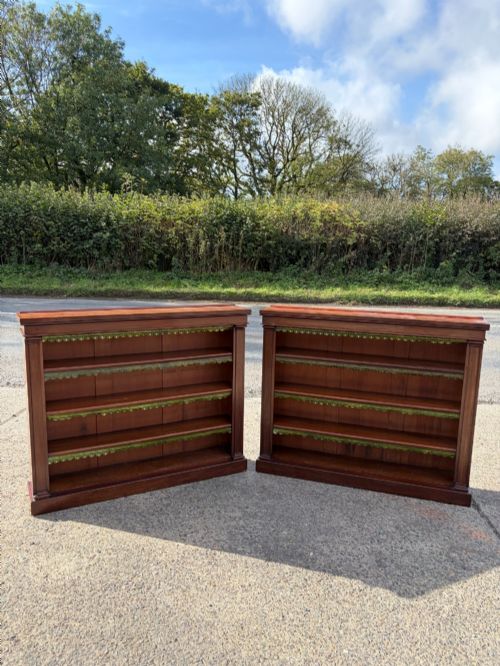
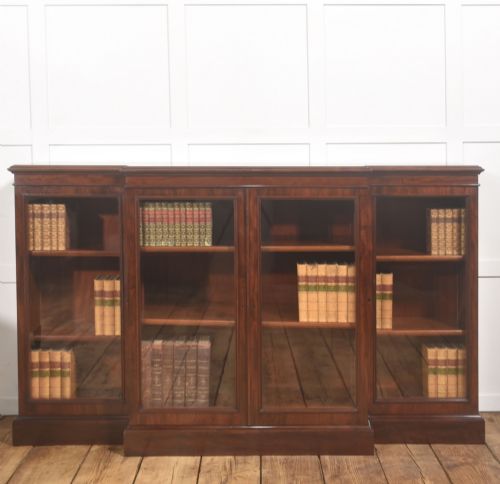
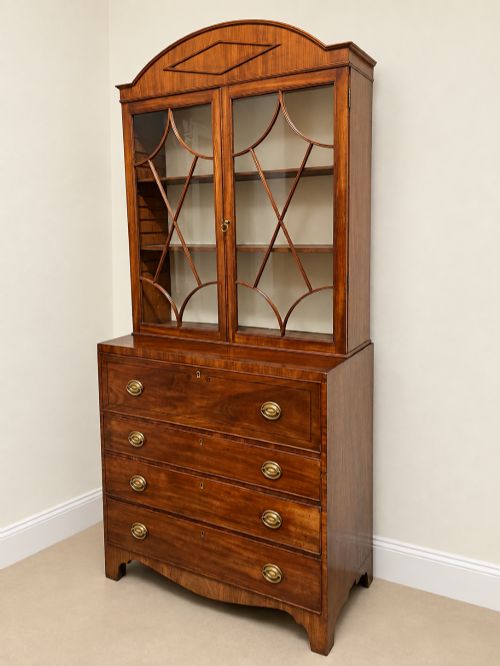
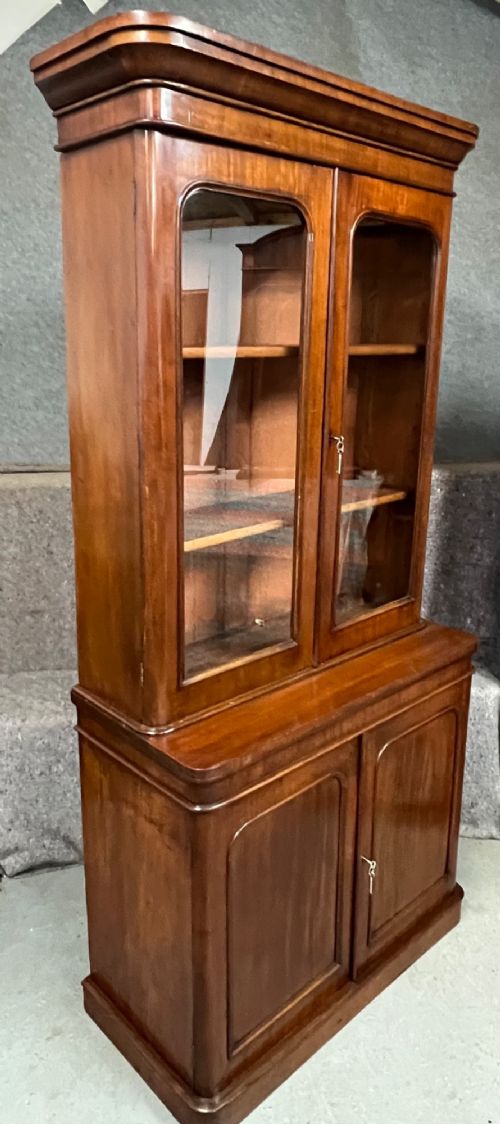
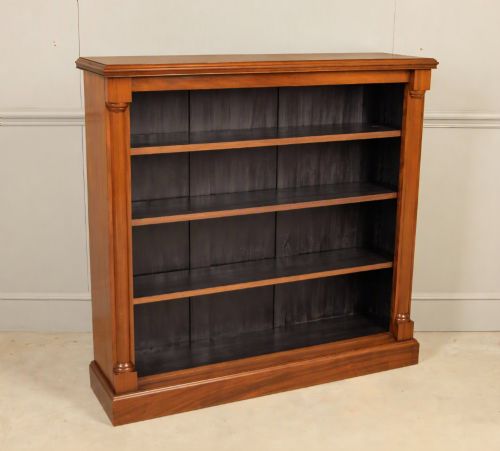
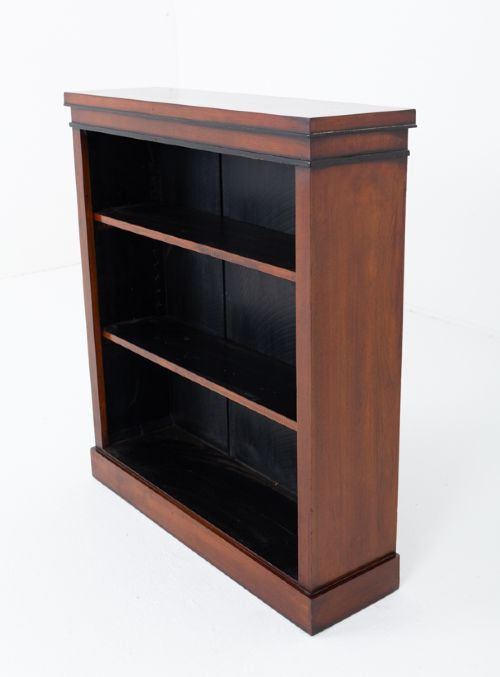
A 19th century mahogany bookcase spans multiple periods including Victorian, Regency, Georgian, and William IV eras. Buyers frequently encounter tall library editions, open front shelving, breakfront cabinets, and compact waterfall designs.
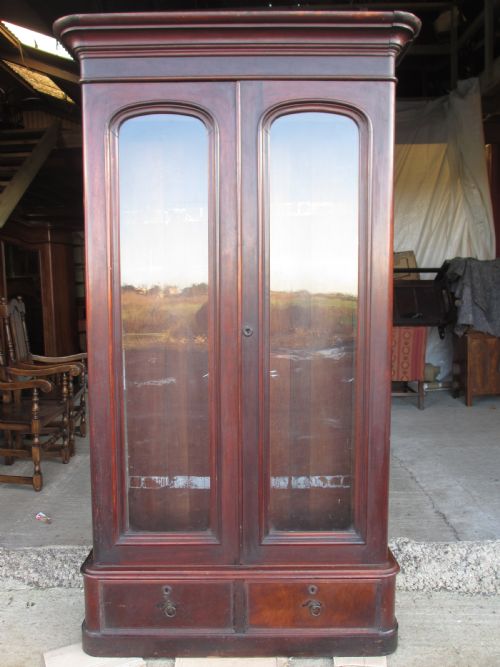
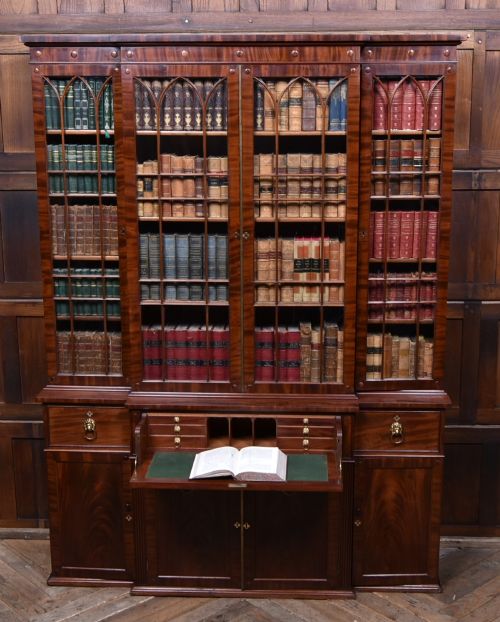
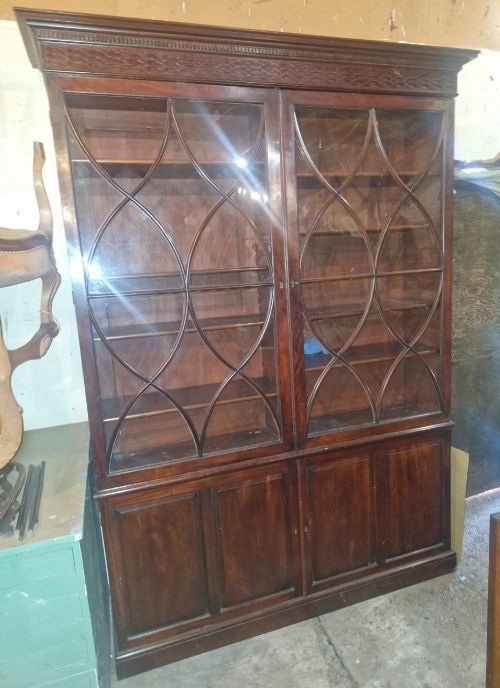
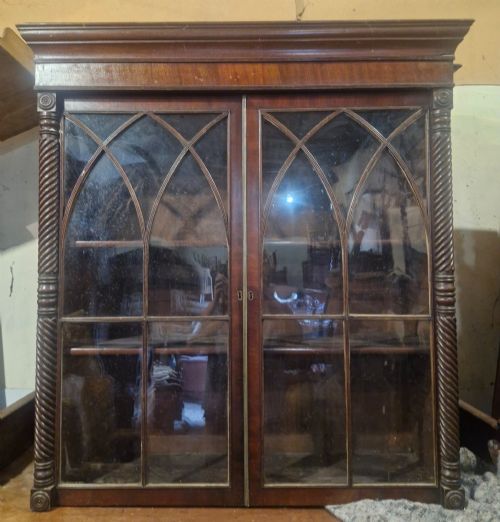
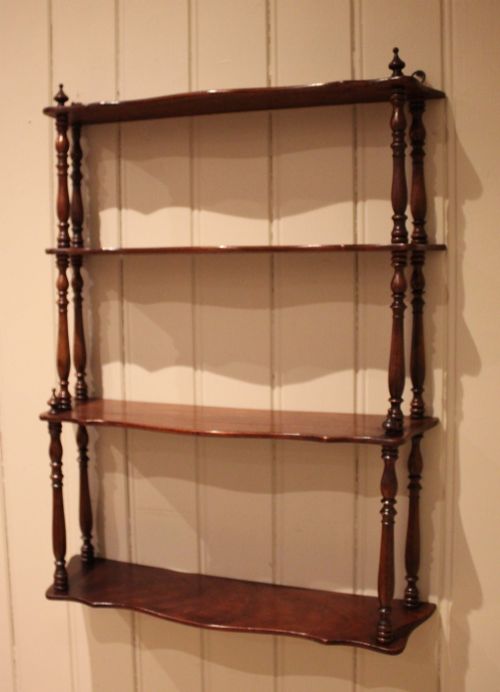
Many examples incorporate glazed doors or fitted interior desks known as secretaire bookcases. Smaller variants such as hanging shelves, revolving stands, and miniature display cabinets also appear across the inventory.
Materials and Technique
Makers utilised solid mahogany alongside flame mahogany veneers to create striking grain patterns across large cabinet doors and drawer fronts. Cabinetmakers frequently incorporated glass for glazed bookcase doors and cast brass or iron for interior hardware.
Inlay work involving ebony, satinwood, and Tunbridge Ware decoration distinguishes finer pieces, while structural joinery supports adjustable shelving systems within heavy library bookcases.
19th Century Mahogany Bookcase Retail Price Guide 2026
Typical asking prices for 19th century mahogany bookcase among the pieces listed under this phrase on Sellingantiques today, from the lower quarter to the upper quarter. They describe what is for sale here now, not the wider market.
Some nineteenth-century readers required revolving bookcases to consult heavy volumes without ever leaving their armchairs.
Judging Quality
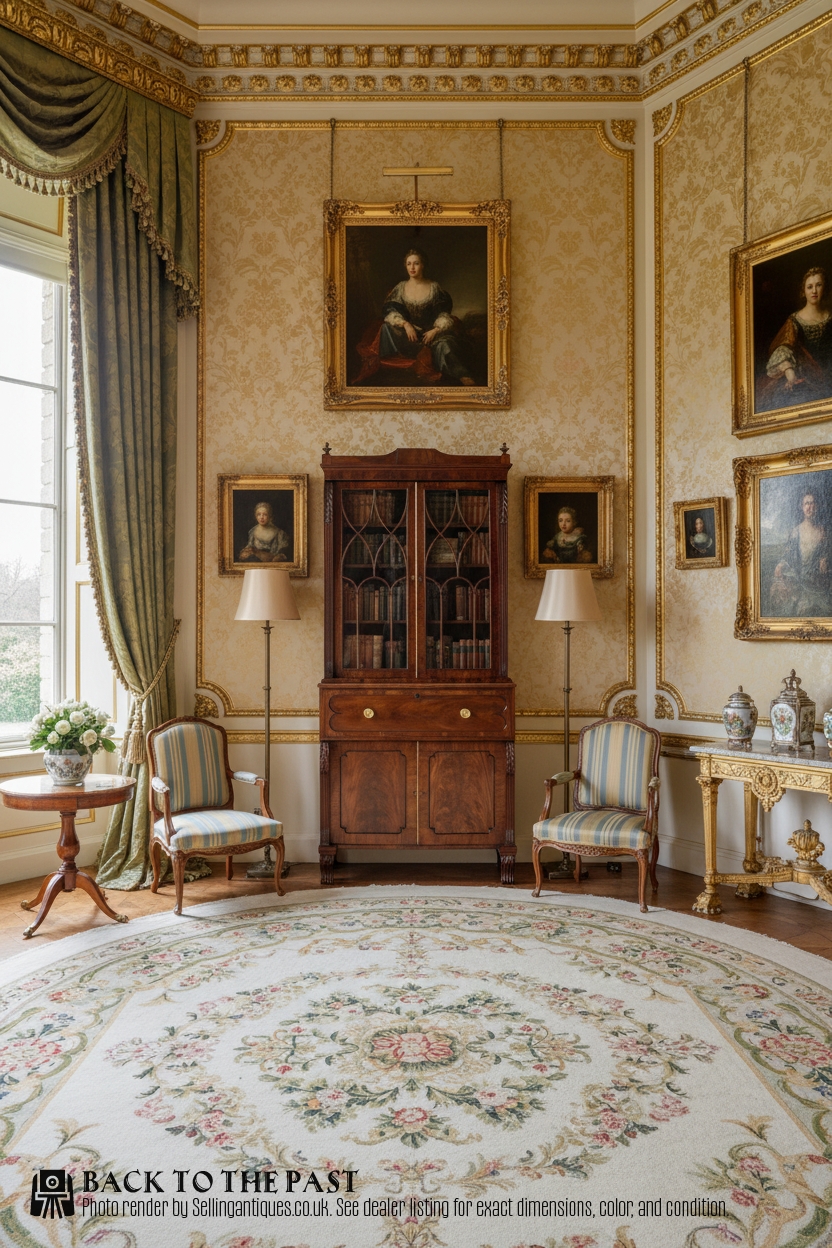
Superior examples display carefully matched flame mahogany veneers and intricate inlay work rather than plain timber surfaces. The depth of the carved mouldings and the clarity of the glazed glass panels separate standard production pieces from fine cabinetmaking.
Interior configuration matters significantly, particularly in secretaire bookcases featuring fitted pigeonholes and small drawers. Robust internal construction and smoothly operating adjustable shelves indicate high workshop standards.
Jas Shoolbred·George Oakley·Gillows
The 19th Century Mahogany Bookcase Glossary
- Secretaire bookcase
- A tall cabinet featuring a pull-down writing drawer that conceals a fitted interior of small drawers and pigeonholes. This dual-purpose form remained popular throughout the Regency and Victorian periods.
- Breakfront
- A cabinet design where the central section projects forward from the flanking outer wings. This architectural arrangement adds visual depth to large library bookcases.
- Flame mahogany
- A figured wood veneer derived from the branch junctions of the mahogany tree, creating a distinctive flamelike pattern. Cabinetmakers reserved this material for prominent exterior panels.
- Astral glazed
- A glass door divided into panes by slender wooden glazing bars, often arranged in geometric or Gothic revival patterns. This technique allows visibility while protecting the book collection.
19th Century Mahogany Bookcase: Frequently Asked Questions
What is a secretaire bookcase?
A secretaire bookcase combines a traditional bookshelf with a pull-down writing desk drawer at the chest height. The drop-front panel reveals small interior drawers and pigeonholes for correspondence.
This multi-functional form allowed owners to write letters without requiring a separate desk. It represents one of the most versatile cabinet types from the Georgian and Regency eras.
How do I identify a Regency period piece?
Regency pieces often display classical architectural influences, crisp brass inlay, and dark figured mahogany veneers. Pieces from this era frequently utilise bold geometric proportions and clean lines.
Makers working in this style during the early nineteenth century also produced distinctive chiffonier bookcases and waterfall shelving units.
Are the shelves adjustable?
Many nineteenth-century bookcases feature adjustable wooden shelving supported by rack-and-pinion mechanisms or wooden toothed strips. This engineering allowed owners to alter shelf heights for varying book sizes.
Libraries required flexible storage systems to accommodate diverse volumes, making adjustable shelving a common feature in larger breakfront and library cabinets.
What is flame mahogany?
Flame mahogany is a decorative wood veneer sourced from specific sections of timber where the grain curls into flame-like patterns. Cabinetmakers applied these figured veneers to prominent surfaces like doors and drawer fronts.
This material choice catches the light and adds rich visual texture to the front of the cabinet without altering its structural integrity.