



Victorian Library Shelving
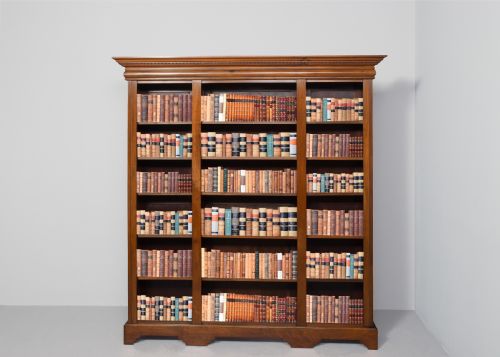
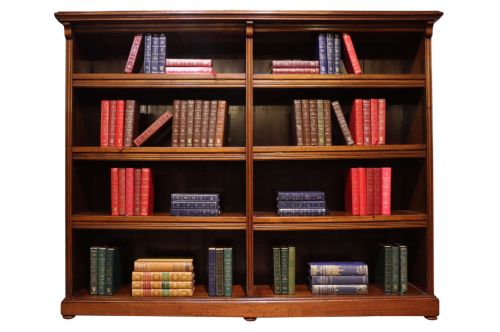
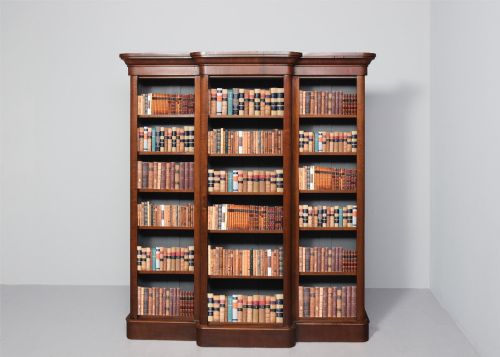
Victorian library shelving brings solid timber bookcases and open shelving into domestic rooms, offering generous storage for substantial volumes.
Victorian Library Shelving
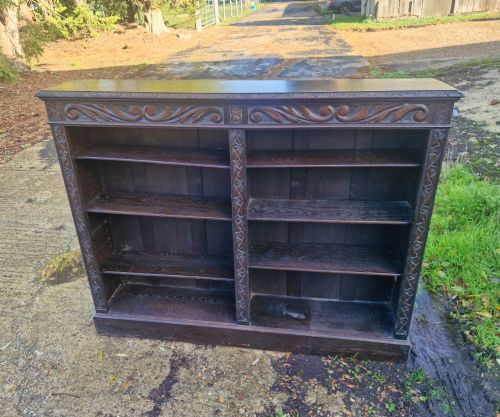
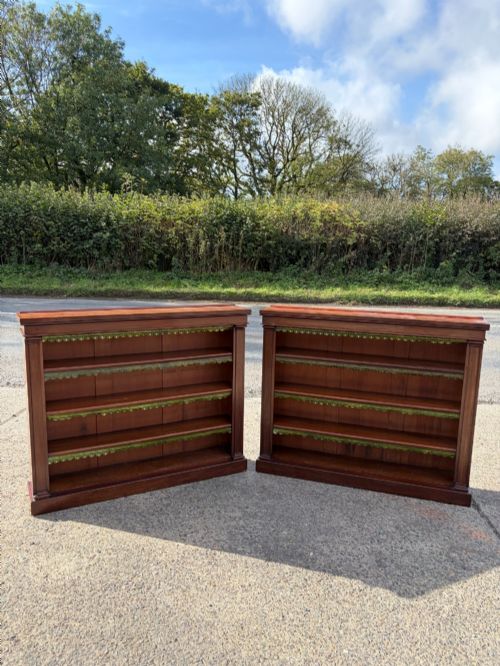
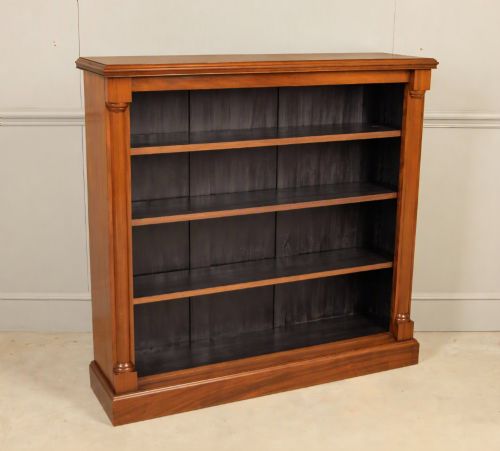
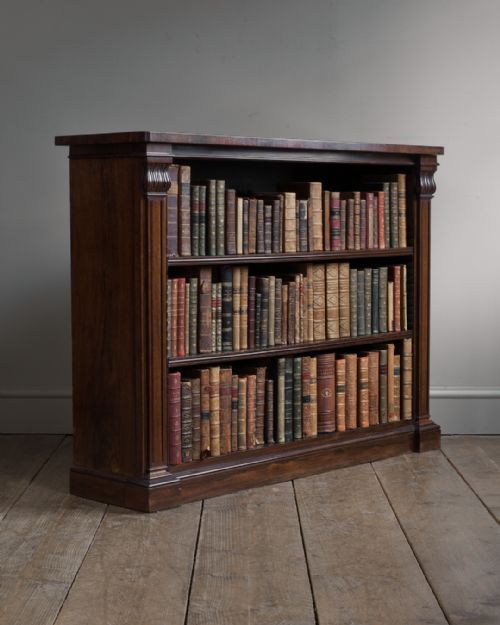
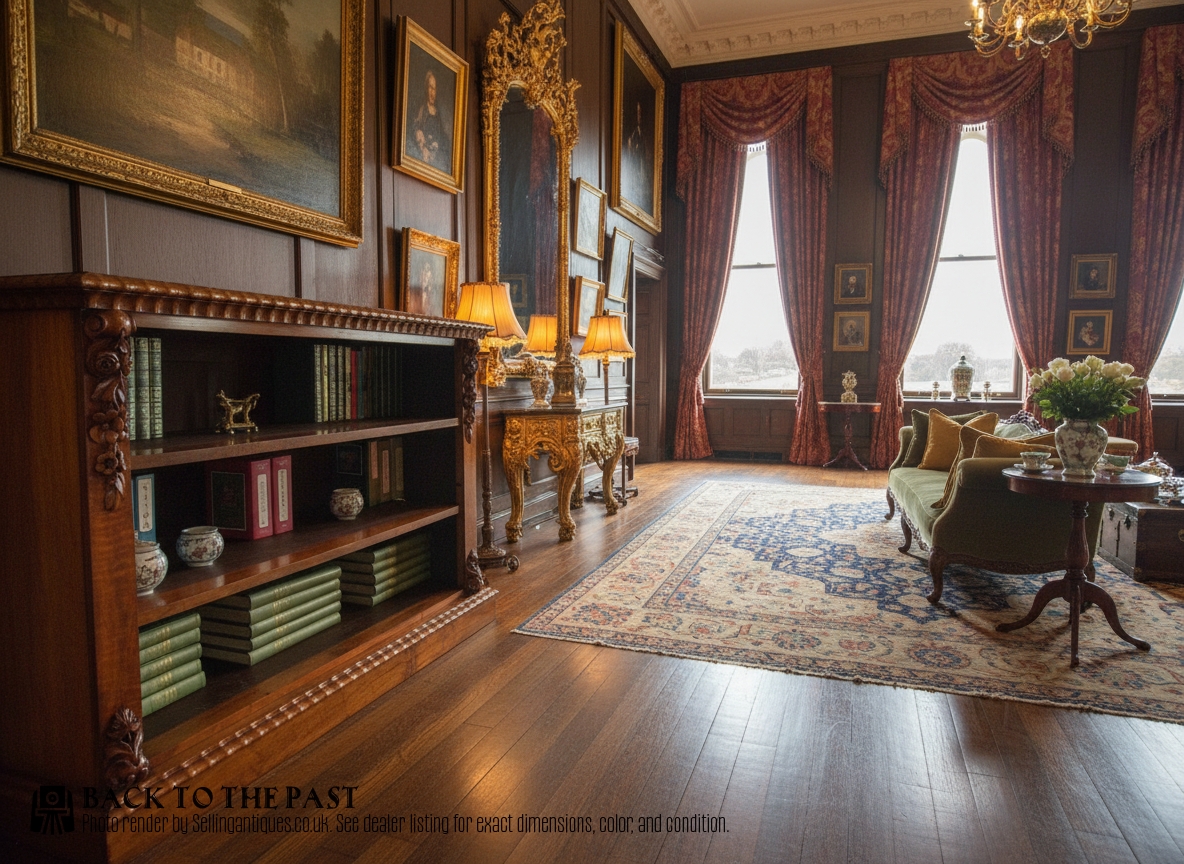
Victorian library shelving comprises open bookcases, tall library units, and fitted shelving systems designed to hold large collections of books. These pieces originate primarily from the nineteenth century, spanning periods from early Victorian to late Victorian and Edwardian eras.
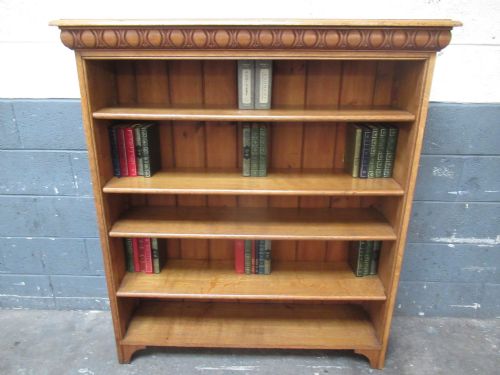
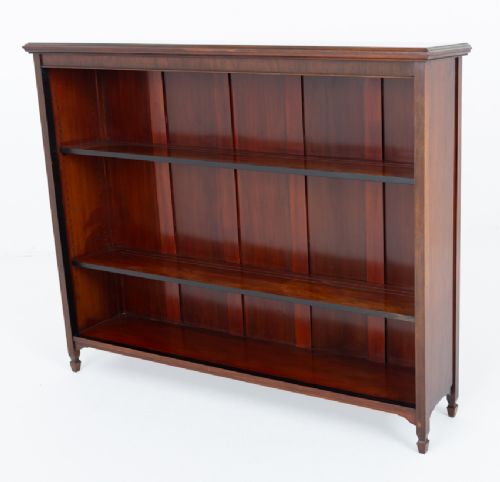
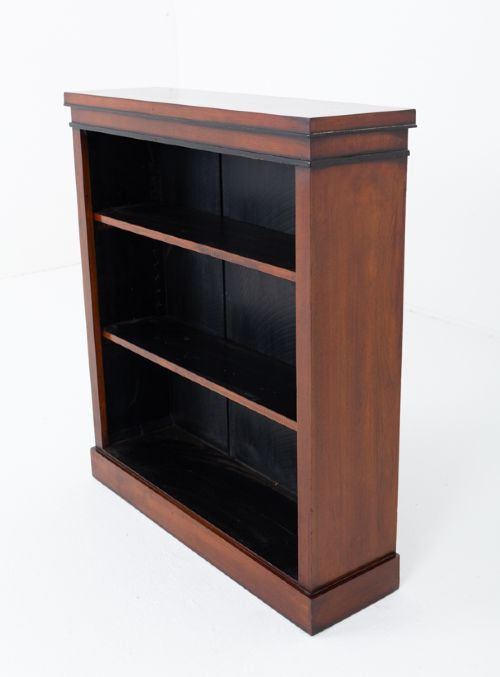
Buyers will most frequently encounter open mahogany, oak, and walnut bookcases on this page. Many examples incorporate adjustable shelves, allowing owners to accommodate books of varying heights.
How these pieces were made
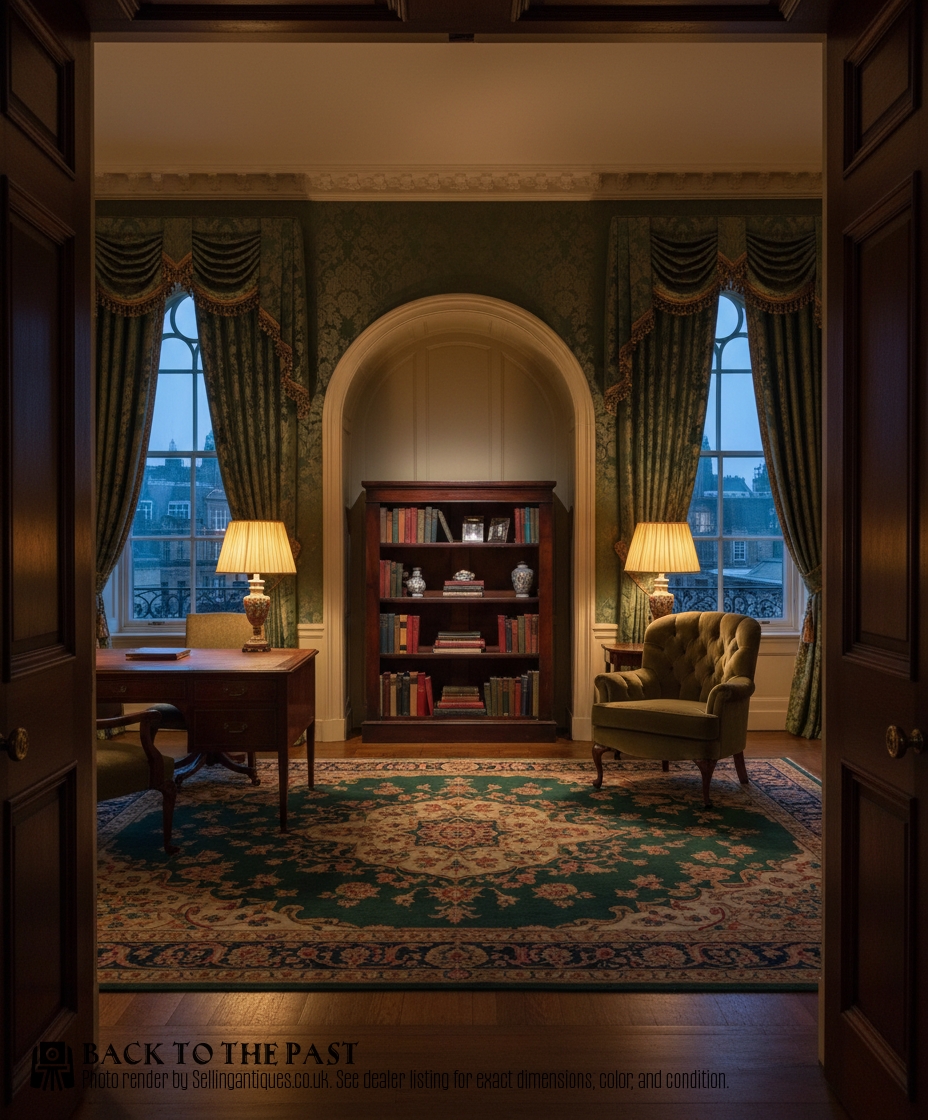
Cabinet makers utilised dense hardwoods such as mahogany, oak, and walnut, frequently selecting burr walnut veneers for figured grain patterns on prominent surfaces. Solid timber construction provided the necessary strength to support heavy rows of books without sagging.
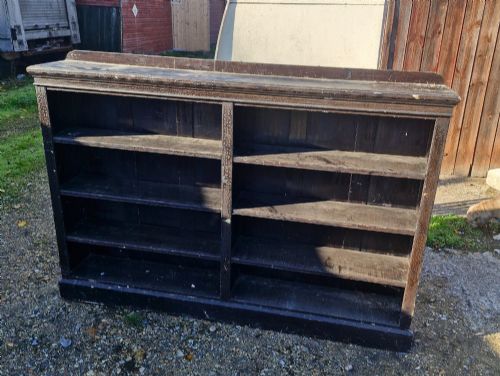
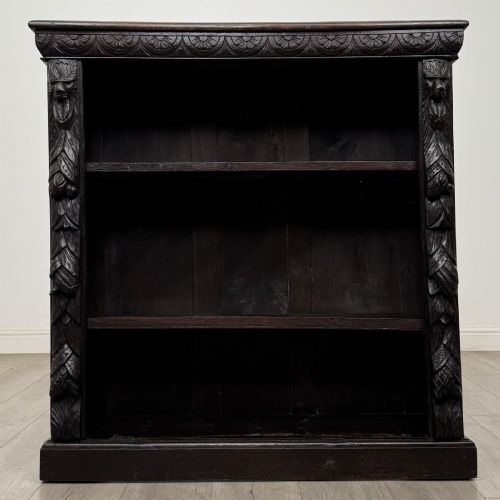
Joinery techniques included adjustable shelf mechanisms utilising wooden ratchets, brass pegs, or metal side strips. Decorative elements incorporated carved details, ormolu mounts, and ebonised finishes.
Glass doors on cabinet variants used leaded or framed panes to protect valuable volumes from dust while maintaining visibility.
Victorian Library Shelving Retail Price Guide 2026
Typical asking prices for victorian library shelving among the pieces listed under this phrase on Sellingantiques today, from the lower quarter to the upper quarter. They describe what is for sale here now, not the wider market.
The site records pieces spanning the William IV, Victorian, Aesthetic Movement, and Edwardian periods.
What varies in quality
The distinction between standard utility shelving and finer library furniture rests on timber selection and decorative restraint. Superior pieces display carefully matched veneers and rich natural grain rather than heavy artificial staining.
Engineering touches such as smoothly operating adjustable shelving systems and solid backboards separate utilitarian pieces from bespoke library commissions. Ormolu mounts and carved ornamentation indicate higher workshop standards.
Johnstone and Jeanes
The Victorian Library Shelving Glossary
- Breakfront
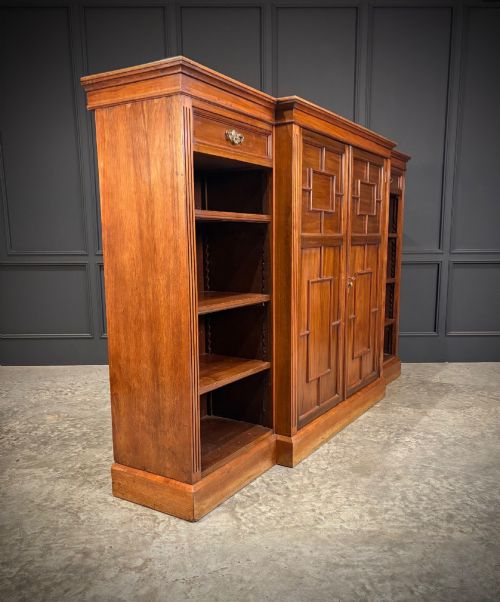
- A cabinet or bookcase whose central section projects forward from the flanking outer sections. This configuration adds architectural depth to large library walls.
- Adjustable shelves
- Shelves that can be moved up or down to accommodate books of different heights. This function is achieved through vertical slots, peg holes, or internal racks.
- Dwarf bookcase
- A low open bookcase designed to sit beneath dado height. These pieces keep floor space open while providing accessible surface storage.
- Ormolu
- Gilded bronze applied as decorative mounts to furniture surfaces. It appears on finer walnut and mahogany pieces from the period.
- Burr walnut
- Wood taken from a walnut tree's growth warts, featuring swirling, highly figured grain patterns. Cabinet makers used veneers of this timber on front panels for visual impact.
Victorian Library Shelving: Frequently Asked Questions
How do I adjust the shelves?
Most Victorian library shelving uses vertical rows of wooden peg holes, brass studs, or ratcheted tracks set into the interior sides. You simply lift the shelf and reposition the supports into alternative slots at the desired height.
Older mechanisms may require careful handling if the wood has expanded over time. Ensure both sides sit level before replacing heavy books.
Were these made for homes or institutions?
Victorian library shelving was manufactured for both large country houses and urban townhouses, as well as institutional reading rooms. Domestic versions often featured finer veneers like burr walnut or rosewood to complement drawing room interiors.
Larger oak and mahogany configurations were built for dedicated studies and institutional libraries where durability mattered most.
How do I clean timber shelves?
Dust the timber regularly with a soft, dry lint-free cloth to prevent dirt buildup in carved details and grain recesses. Avoid silicone-based sprays, which can penetrate the wood pores and damage historic finishes over time.
Apply a traditional beeswax polish sparingly once or twice a year to nourish the timber and maintain a soft sheen.
How do I tell early from late Victorian?
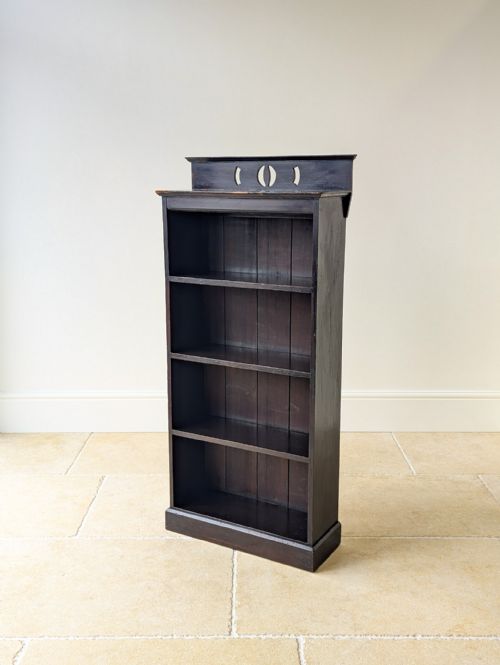
Early Victorian and William IV pieces often display heavier proportions, rich mahogany or burr walnut timbers, and restrained classical lines. Late Victorian examples sometimes incorporate Aesthetic Movement influences, ebonised details, or lighter golden oak.
Checking construction methods on the interior backs and shelf supports also helps indicate the manufacturing decade.