
Mahogany Library Shelves
Mahogany library shelves bring warmth and function to a room, offering sturdy tiers for books through centuries of design.
Mahogany Library Shelves
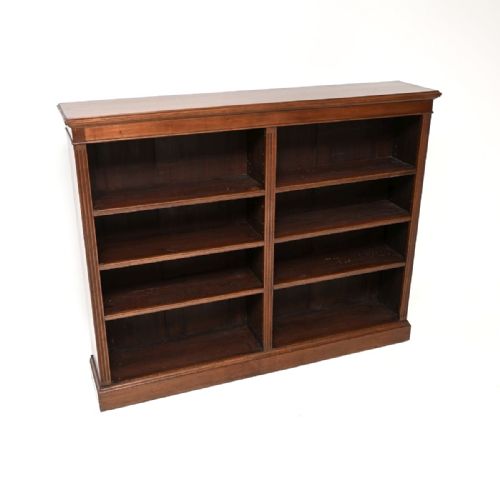
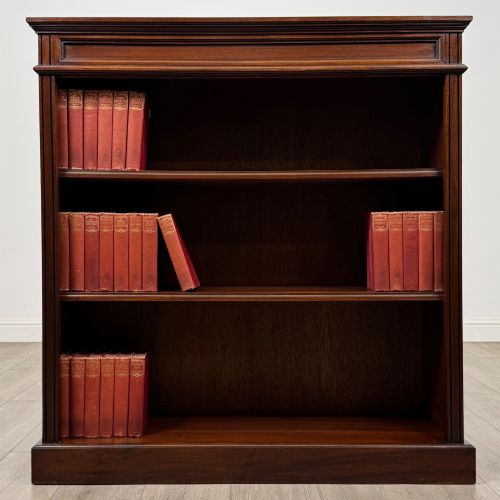
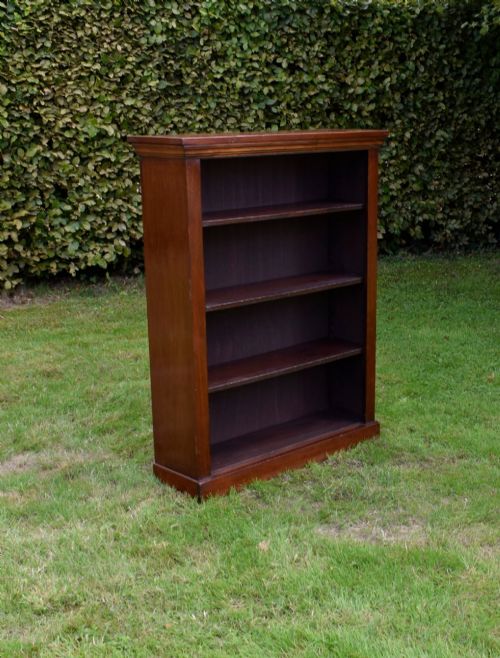
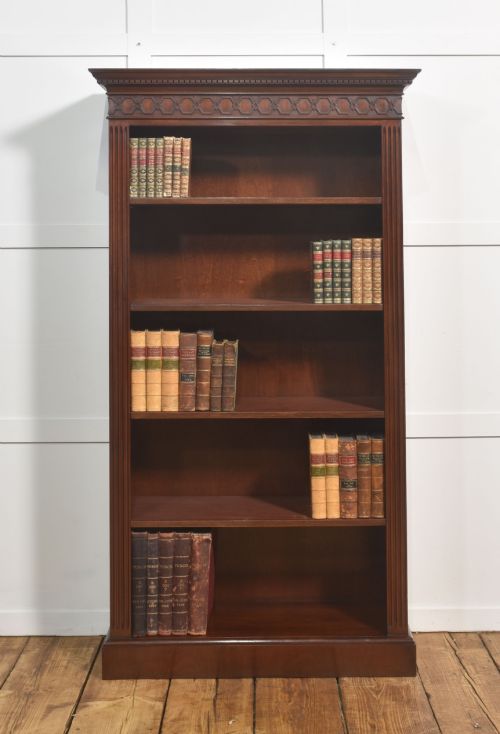
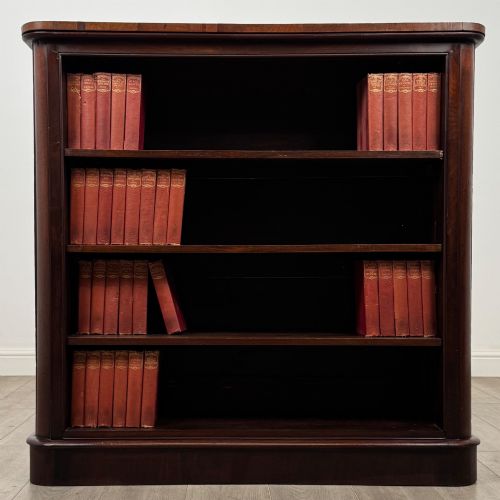
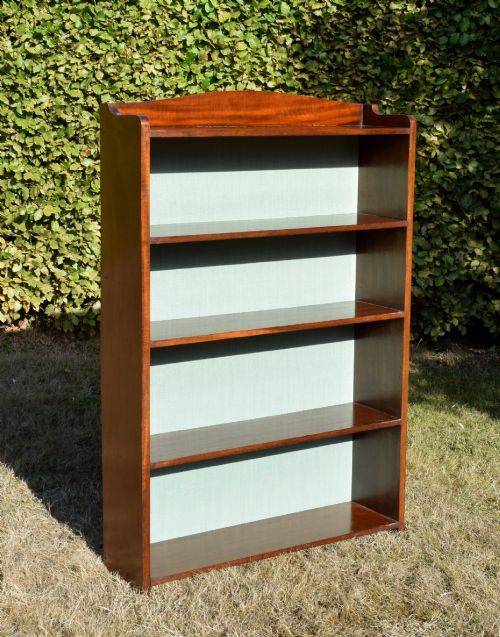
Mahogany library shelves encompass open bookcases, waterfall tiers, revolving units, and breakfront cabinets designed to hold volumes securely in domestic spaces. These pieces emerge across the Regency, Victorian, and Edwardian periods, stretching from the late eighteenth century into the early twentieth century.
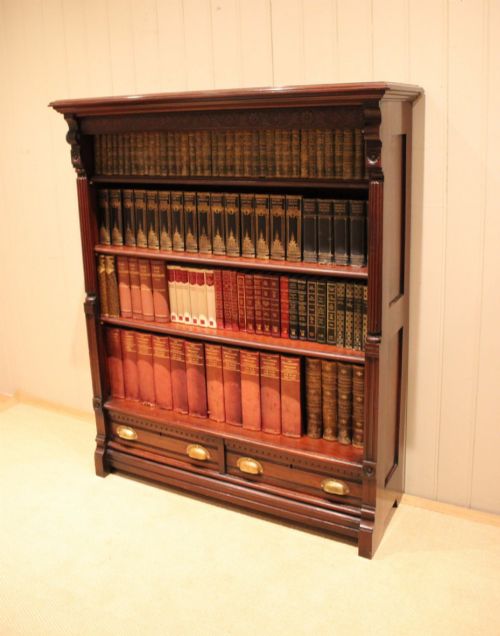
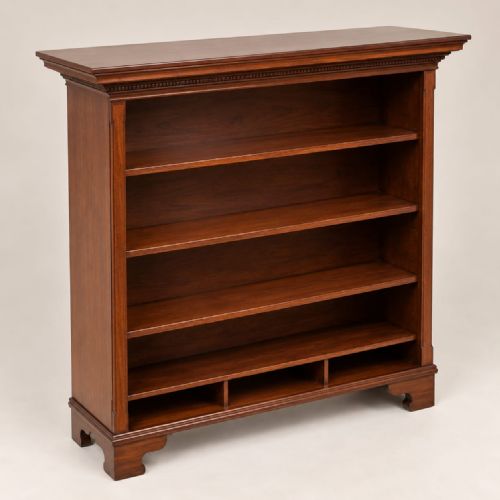
Open bookcases with adjustable shelving and tiered forms dominate the selections found on this page. Pieces appear in various sizes, ranging from compact corner or revolving stands to large breakfront library cabinets fitted with cupboards and drawers.
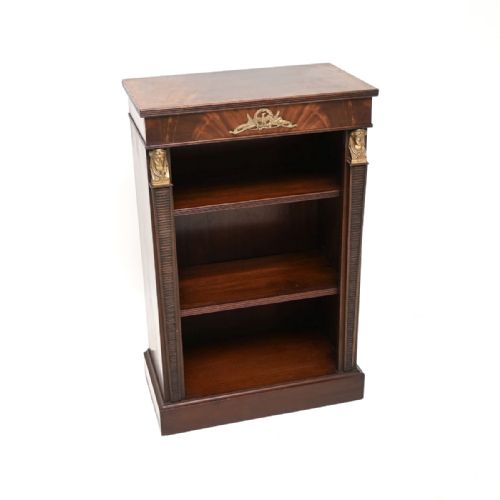
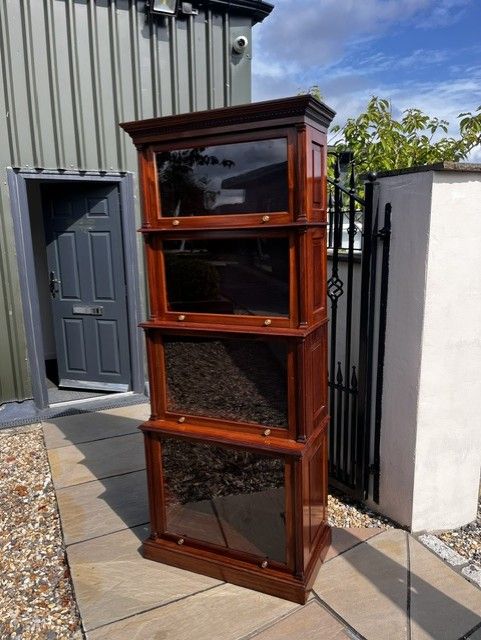
Makers and workshops construct these items using durable timbers, often incorporating brass fittings, glass doors, and painted or inlaid satinwood details to enhance their appearance.
Materials and construction
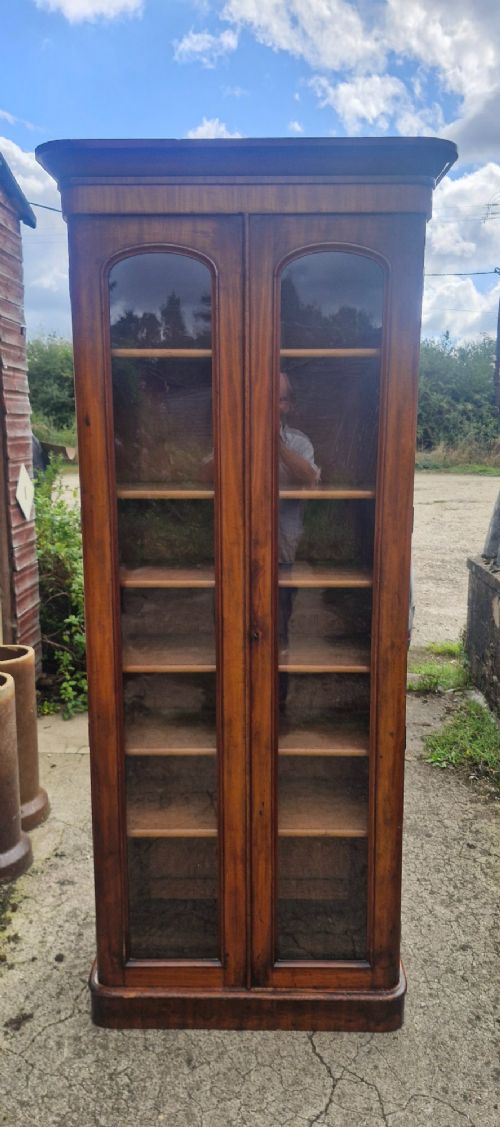
Cabinetmakers select solid and figured mahogany timber for its strength and rich grain, occasionally combining it with secondary woods like pine for internal structure. Selected examples utilise brass for handles, hinges, and castors, alongside glass panels for cabinet doors.
Joinery methods include dovetailed joints for drawers and precise housing for adjustable shelves. Workshops apply polish, paint, or inlay work using satinwood to finish the exterior surfaces.
Mahogany Library Shelves Retail Price Guide 2026
Typical asking prices for mahogany library shelves among the pieces listed under this phrase on Sellingantiques today, from the lower quarter to the upper quarter. They describe what is for sale here now, not the wider market.
Open bookcases and waterfall tiers represent the most common forms of mahogany library shelving available on this page.
Indicators of quality
The choice of timber grain, particularly the use of figured or flame mahogany veneer, sets superior pieces apart from plain variants. Finer examples display meticulous attention to detail in inlay work, such as Sheraton Revival motifs, and robust mechanical elements like smooth-turning revolving bases.
Structural integrity and original fittings dictate the standing of a piece. Better specimens retain matching brass hardware, functional adjustable shelving mechanisms, and sound joinery that withstands heavy loads of books.
Gillows·Waring and Gillows·Globe Wernicke
The Mahogany Library Shelves Glossary
- Breakfront
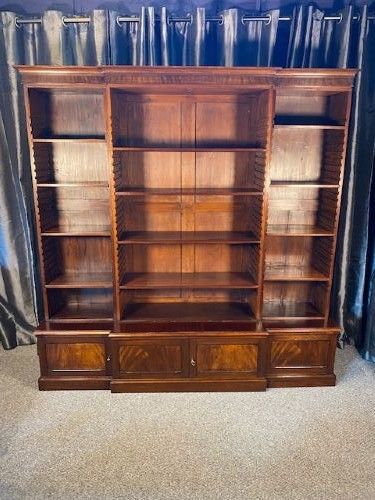
- A large piece of furniture where the central section projects forward from the side sections. This layout creates depth and visual interest in large bookcases.
- Waterfall bookcase
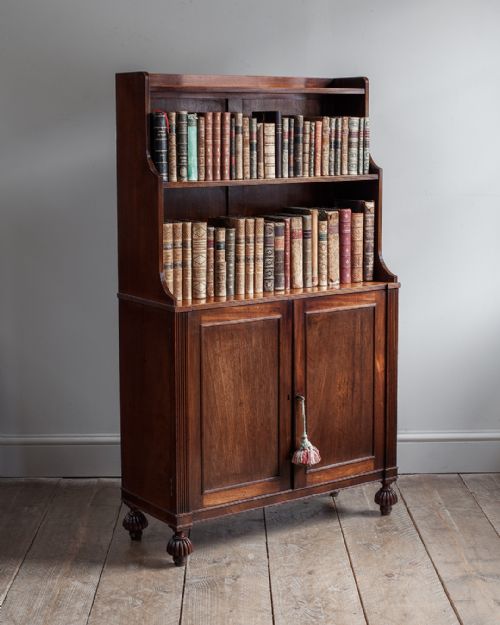
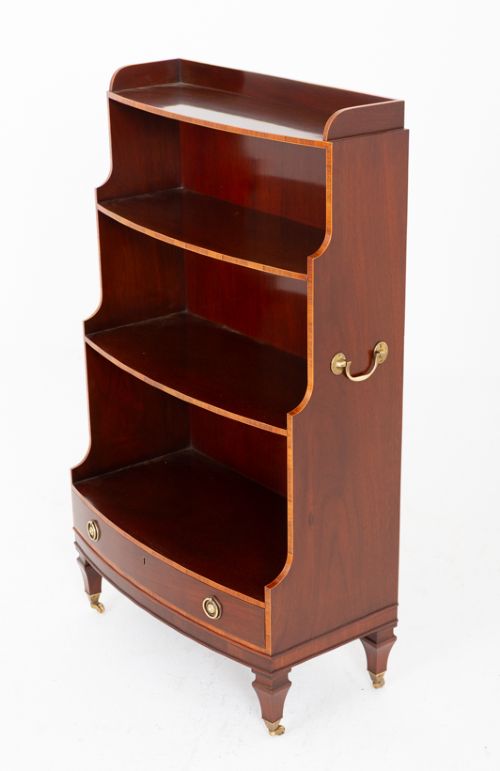
- A set of open shelves that step back progressively from bottom to top, resembling a cascade of water. These compact units appear frequently in Regency and later styles.
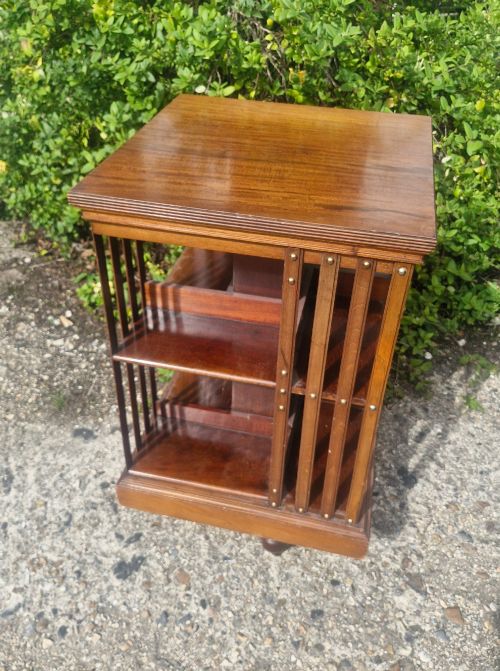
- Revolving bookcase
- A small shelving unit mounted on a rotating spindle or pivot, allowing access to books from any angle. Edwardian and Victorian versions often sit on low tables or floor stands.
- What-not
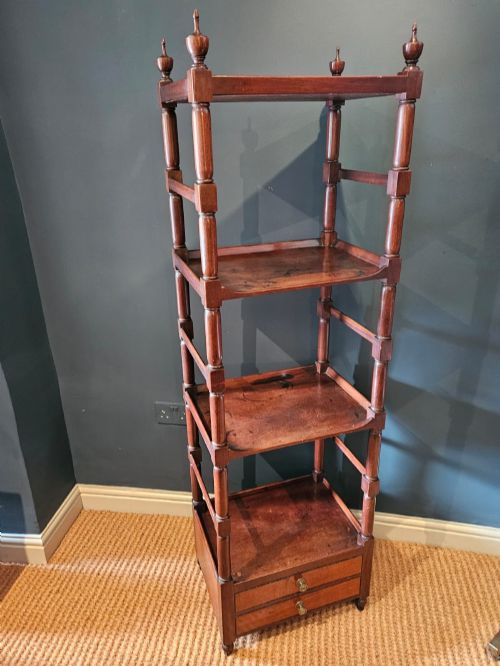
- An open set of multiple shelves used for displaying books or ornaments. They date from the Georgian and Regency periods.
- Inlay
- A decorative technique where contrasting woods like satinwood or other materials are inserted into recesses in the mahogany surface. This method creates patterns and borders.
Mahogany Library Shelves: Frequently Asked Questions
How do I adjust wooden library shelves?
Most antique open bookcases utilise a system of wooden ratchets, brass studs, or metal pins set into vertical slots inside the cabinet walls. You simply lift the shelf slightly to release it from its support and relocate it into adjacent slots.
Take care when moving older shelves to avoid damaging the internal veneer or chipping the edges of the mahogany timber.
Where were library shelves placed?
These pieces sat in studies, private libraries, drawing rooms, and parlours to organise bound volumes and reference books. Smaller revolving versions stood beside armchairs for easy access to current reading material.
Larger breakfront units anchored the walls of dedicated book rooms, providing both open display space and closed storage cupboards below.
How do I care for mahogany shelves?
Keep the wood away from direct heat sources and strong sunlight to prevent the mahogany surface from drying out or fading. Dust regularly with a soft, dry cloth and apply a quality beeswax polish occasionally to nourish the grain.
Avoid using modern chemical sprays, which can build up and dull the antique finish over time.
Can I store heavy books on these shelves?
Solid mahogany construction and sturdy internal supports allow these shelves to hold substantial weight, particularly in larger Victorian and Edwardian bookcases. Adjustable shelves distribute weight evenly across their spans when properly seated on their supports.
Distribute very heavy folios across the deeper lower shelves to maintain overall balance and prevent shelf bowing.
How do I distinguish Regency from Victorian pieces?
Regency pieces often feature clean architectural lines, brass gallery rails, and restrained classical proportions influenced by Neoclassical design. Victorian examples tend to be heavier in scale, sometimes incorporating richer carved details, glass doors, and adjustable shelving mechanisms.
Examine the secondary woods, backboards, and fixings for clues about the manufacturing period.