


Vintage Display Shelves
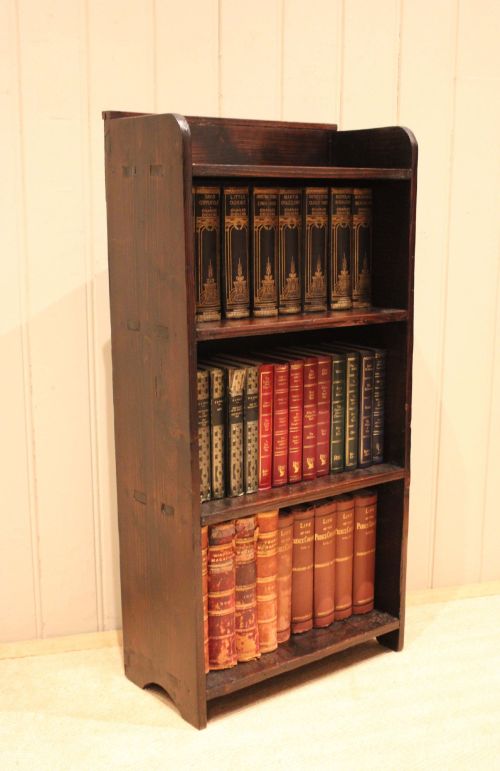
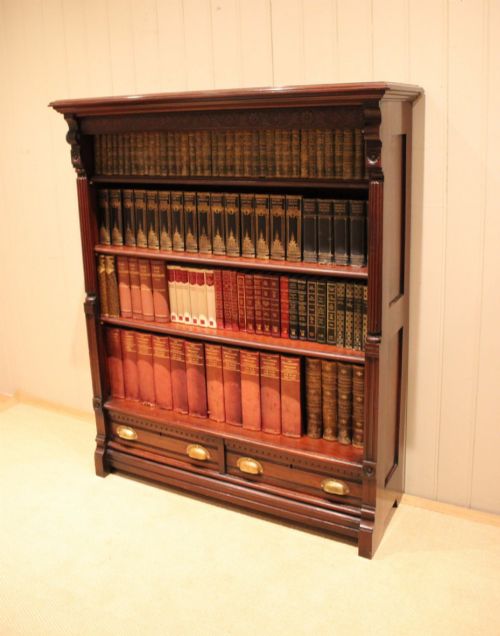
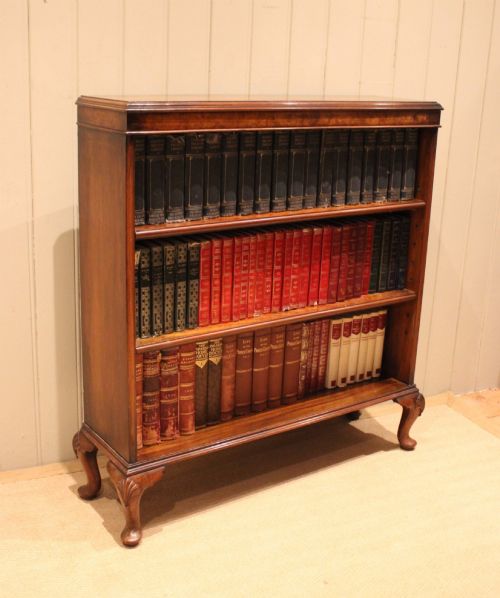
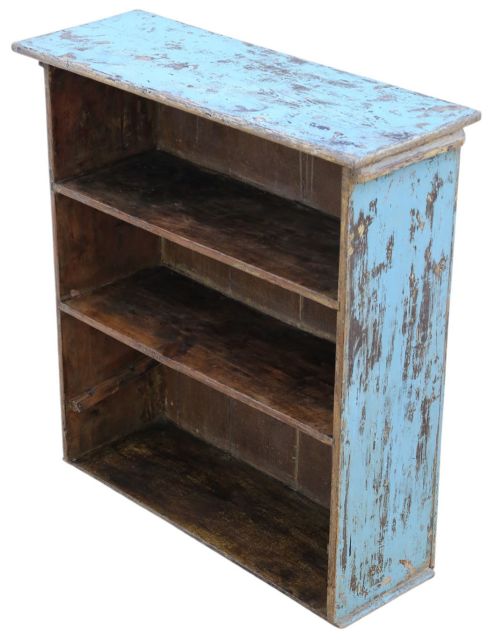
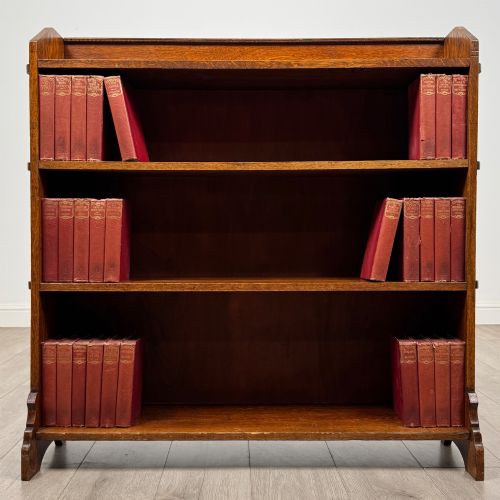
These vintage display shelves are practical storage solutions built from mahogany, oak, and walnut, bringing period character into modern rooms.
Identifying vintage display shelves
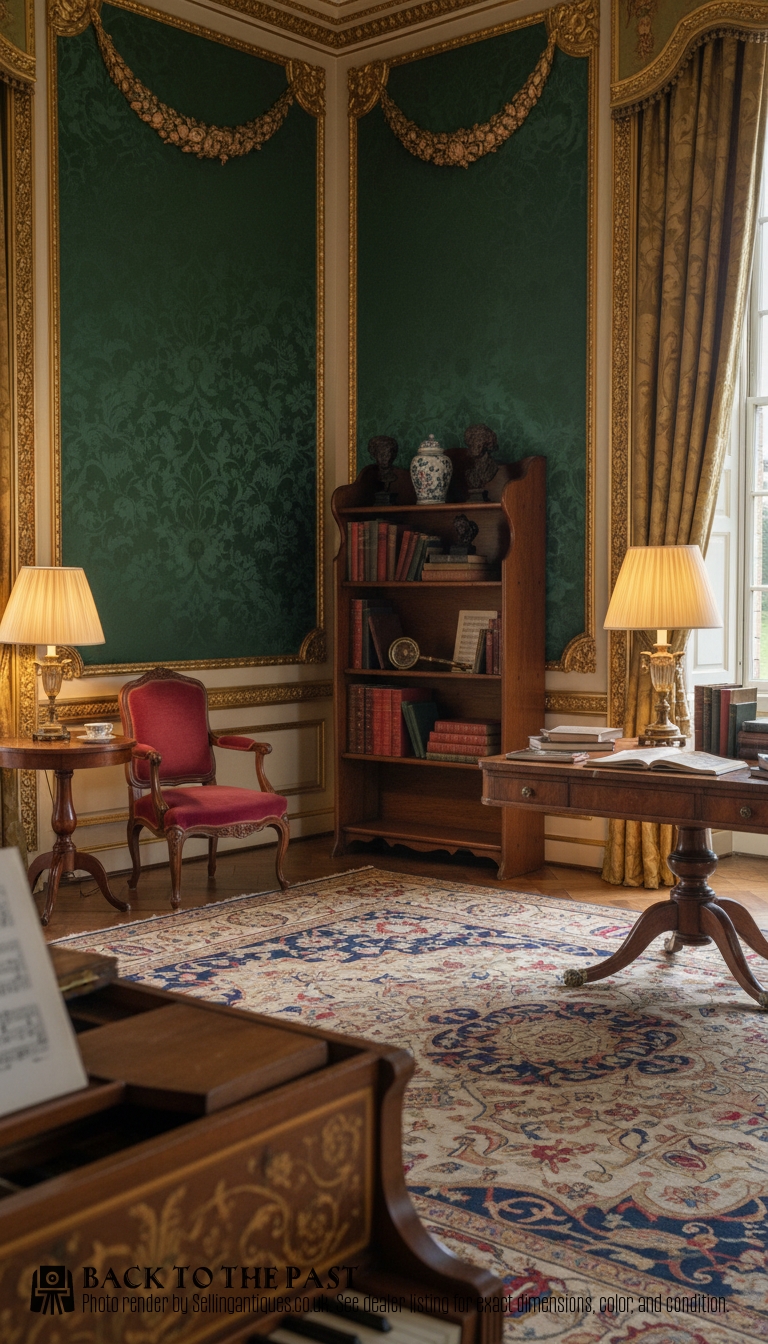
When you search for vintage display shelves, you are looking at open bookcases, wall shelves, and tiered stands designed to hold books and decorative objects. The pieces found here span the Victorian, Edwardian, and Regency eras, alongside later interpretations from the early twentieth century and nineteen thirty. These items bridge utilitarian storage and formal display, functioning as focal points in a study or drawing room.
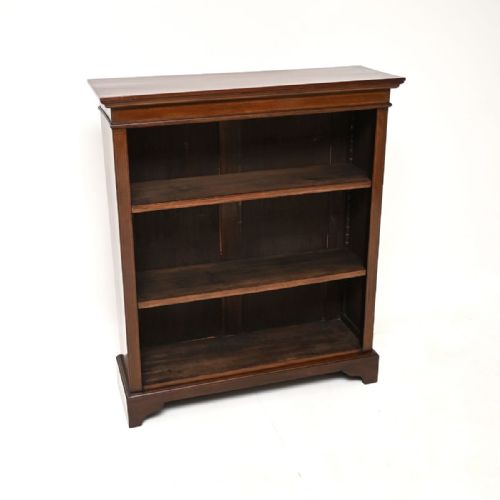
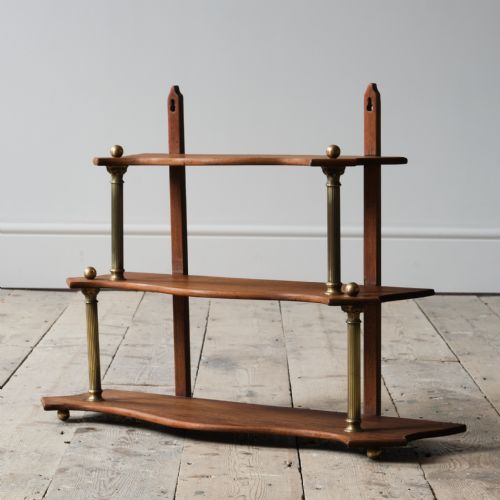
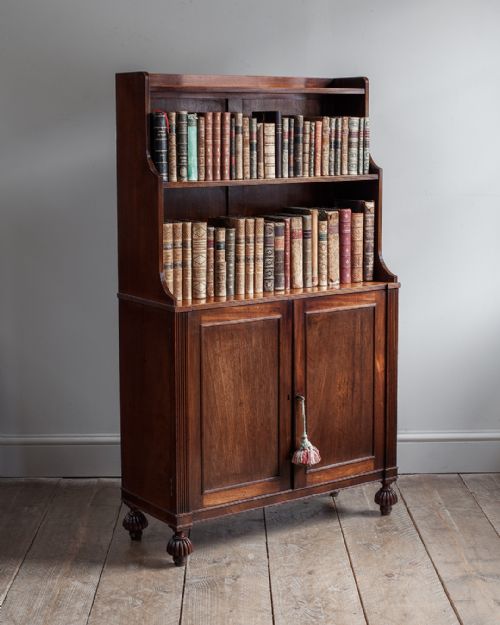
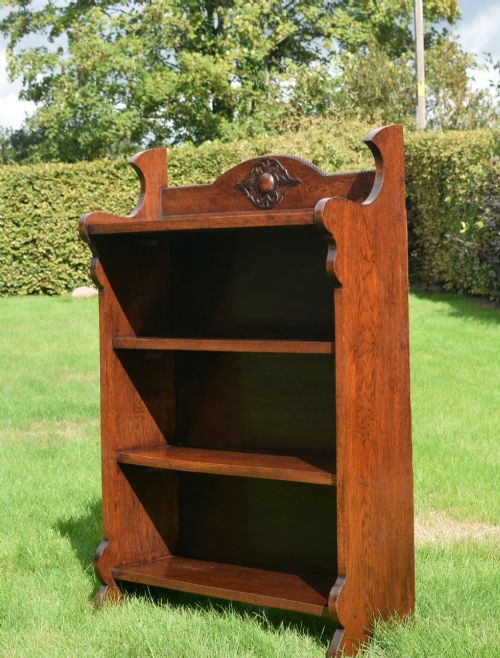
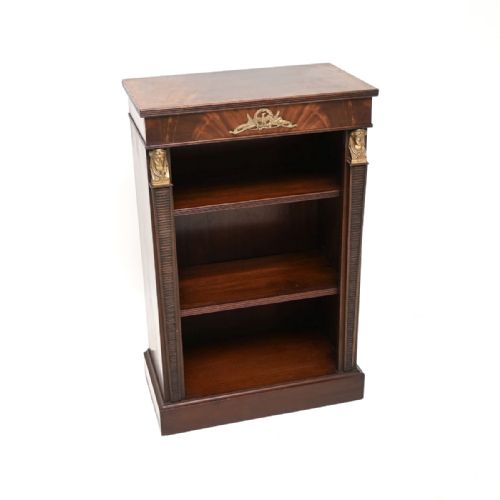
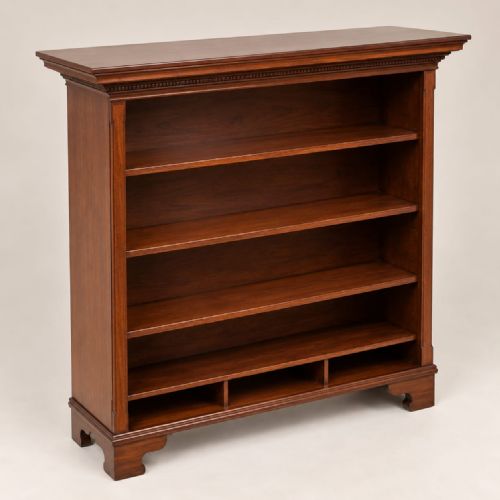
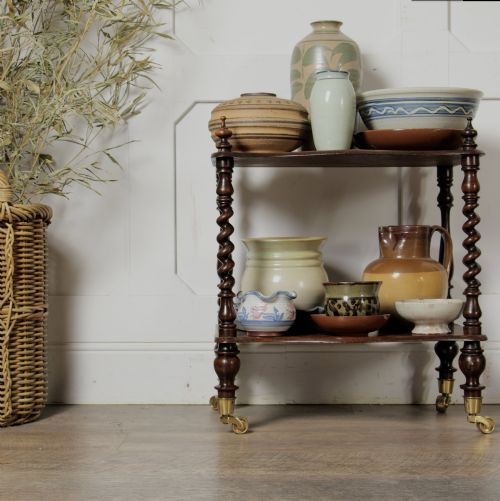
You are most likely to meet mahogany open bookcases and oak open front units, alongside slimmer configurations in burr walnut. Wall shelves offer compact storage for smaller spaces, while three-tier whatnots provide stepped levels for ornaments. The selection includes both English cabinet work and continental Empire style adaptations in mahogany.
Materials and construction
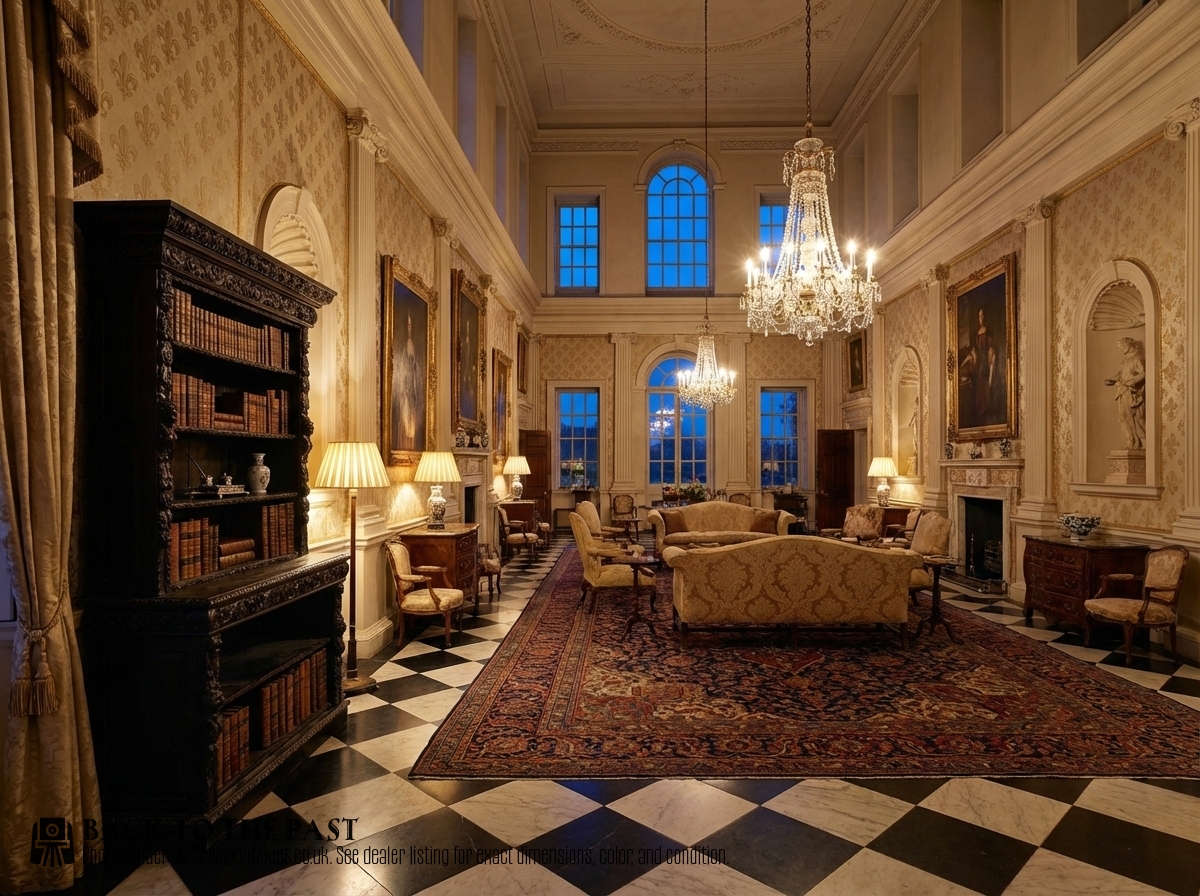
Cabinet makers utilised solid and veneered timbers including mahogany, burr walnut, walnut, and oak to build these structures. Finer details often incorporated brass mounts, ormolu accents, and leather insets to enhance the visual appeal of the shelving units.
Construction techniques combine traditional joinery with carved ornamentation, particularly visible on oak and mahogany surfaces. Wall-mounted and floor-standing pieces alike rely on sturdy uprights and fixed or adjustable tiers to support substantial weight.
Retail Price Guide 2026
Typical UK retail prices for vintage display shelves, calculated from the Sellingantiques database of over a million retail prices indexed since 2003. This retail price guide relies exclusively on Sellingantiques data; no external sources or auction records are used, so the figures do not describe the wider market.
A good whatnot gives your knick-knacks a proper hierarchy, stopping your collection of odd brass animals from staging a coup on the sideboard.
Distinguishing quality
The distinction between standard utility items and exceptional examples lies in the selection of timbers and the finesse of the joinery. Figured veneers such as burr walnut and carefully matched mahogany elevate the visual impact of a bookcase.
Carved enrichment and decorative metalwork, such as ormolu mounts, separate basic shelving from pieces intended for formal reception rooms. The balance of proportions and the crispness of the timber grain determine the standing of each piece.
The Vintage Display Shelves Glossary
- Whatnot
- A moveable piece of furniture with several open shelves placed one above the other for displaying small objects. These tiered stands emerged in the nineteenth century and remained popular for ornaments.
- Open bookcase
- A piece of furniture designed for book storage featuring shelves without glass doors. This form allows direct access and displays the book bindings as part of the room's decor.
- Burr walnut
- A veneer taken from the gnarly growths of a walnut tree, prized for its swirling, highly figured grain patterns. Cabinet makers used this timber on high-status Edwardian and Victorian furniture.
- Ormolu
- Gilded bronze or brass applied to furniture as decorative mounts and feet. This technique was favoured in Empire and Regency design to add metallic contrast to dark woods.
- Regency
- A period of British design spanning the early nineteenth century, characterised by classical restraint and neoclassical motifs. Pieces from this era often feature clean lines and dark mahogany.
Frequently Asked Questions
What are vintage display shelves used for?
These pieces serve as functional storage for books, ceramics, and personal collections while adding period character to an interior. Their open design keeps items accessible and visible.
Different formats, from wall-mounted shelves to tall freestanding bookcases, suit various room layouts and storage needs.
How do I date an antique bookcase?
Dating relies on examining the timber species, construction methods, and stylistic cues such as Regency or Empire influences. The presence of specific woods like burr walnut or mahogany often points towards particular eras.
Comparing the joinery and hardware to documented examples from the nineteenth and early twentieth centuries helps narrow down the period of manufacture.
Where should I place a wall shelf?
Wall shelves require secure fixings into solid masonry or wall studs to support the weight of timber and books safely. They work well above desks or sideboards to utilise vertical space.
Consider eye-level placement to ensure any displayed objects are easy to view and reach.
How do I care for walnut furniture?
Walnut surfaces benefit from dusting with a soft cloth and protection from direct sunlight and extreme temperature changes. This prevents the timber from drying out or fading over time.
Occasional application of appropriate wax polish maintains the natural sheen of the wood without building up a heavy residue.