




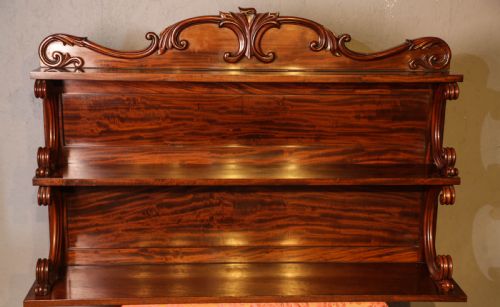


Mahogany Wall Shelves
Mahogany wall shelves bring warmth and practical vertical storage to a room, offering a neat way to display books and small objects.
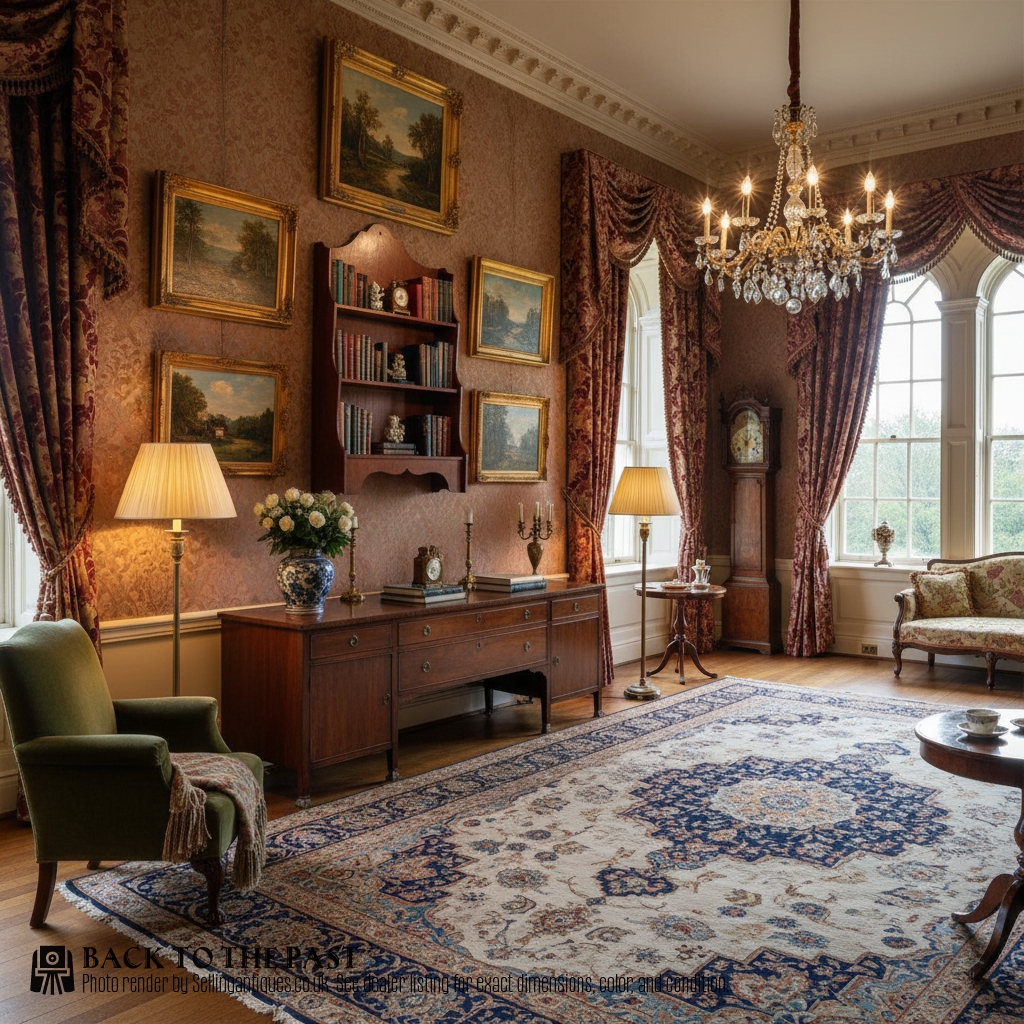
Mahogany Wall Shelves
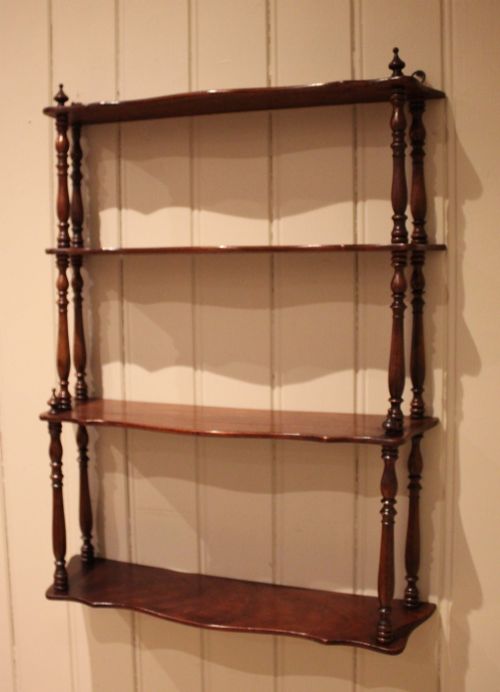
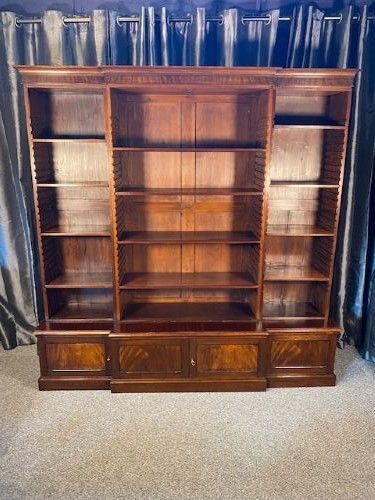
Mahogany wall shelves encompass hanging bookcases, tiered stands, and corner displays designed to be mounted securely on room partitions. The pieces seen here span the Georgian, Regency, Victorian, and Edwardian periods, stretching from the eighteenth century into the early twentieth.
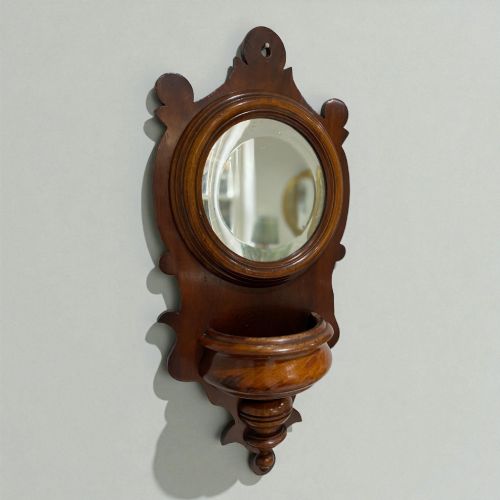
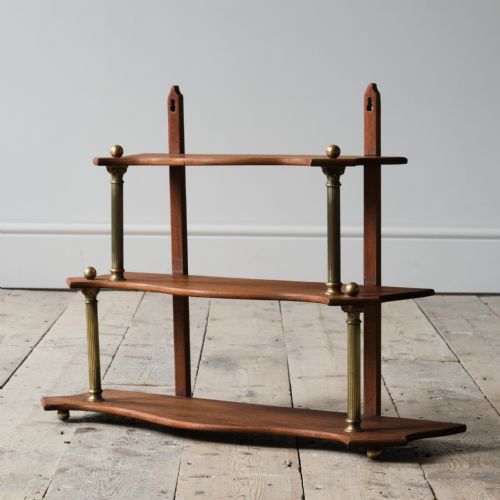
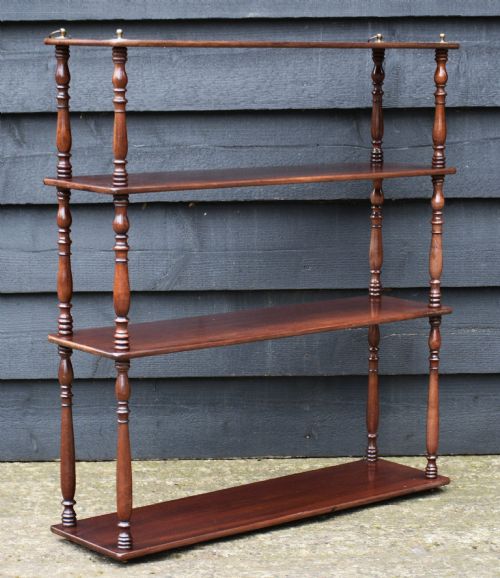
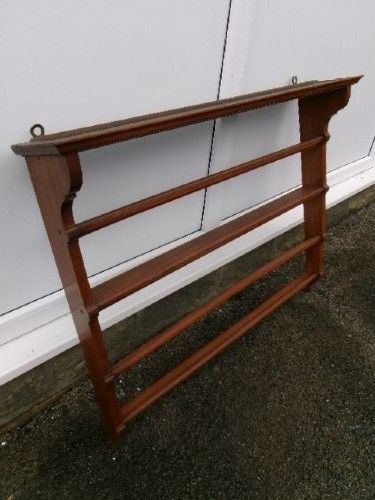
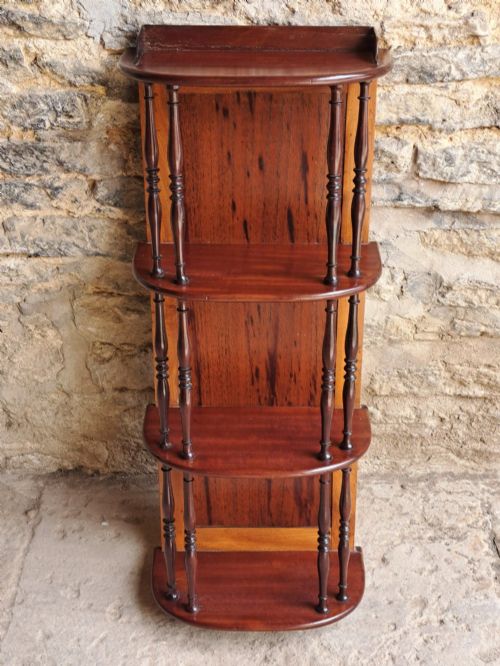
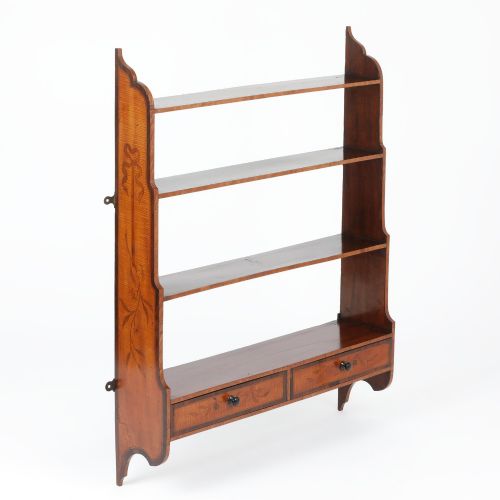
The most frequent examples found in this selection are open hanging shelves with two or three tiers, alongside waterfall forms and variations incorporating small drawers or cupboards. Simpler utilitarian versions sit alongside pieces featuring decorative brass fittings, mirrors, or inlaid satinwood.
Origins represented in the record include English workshops alongside French and American examples, reflecting diverse regional tastes in domestic hanging furniture. These items served functional roles in libraries, bedrooms, and halls, holding everything from books to apothecary items and shaving mirrors.
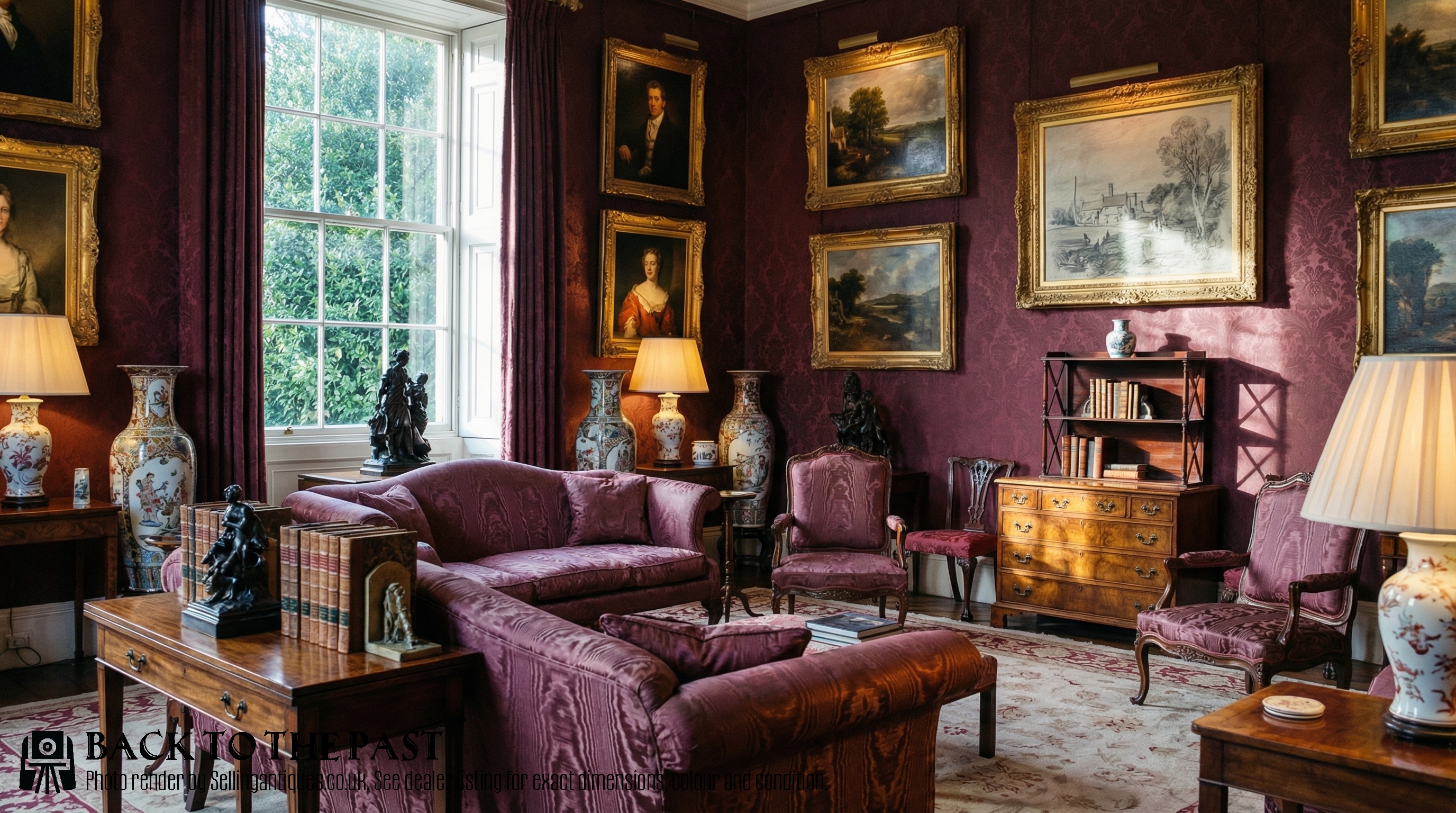
Quality and execution
The distinction between standard utility items and finer examples rests upon the selection of timber and the crispness of any inlay or carving. Figured mahogany grain and careful matching of veneers elevate the visual impact of a piece.
Joinery execution dictates longevity, particularly at the joints where shelves meet the vertical supports or backplates. Original brass fixtures and intact applied details such as boxwood stringing maintain the integrity and character of the object.
Mahogany Wall Shelves Retail Price Guide 2026
Typical asking prices for mahogany wall shelves among the pieces listed under this phrase on Sellingantiques today, from the lower quarter to the upper quarter. They describe what is for sale here now, not the wider market.
The listings demonstrate a strong representation of nineteenth-century pieces alongside eighteenth-century Georgian examples and early twentieth-century Edwardian designs.
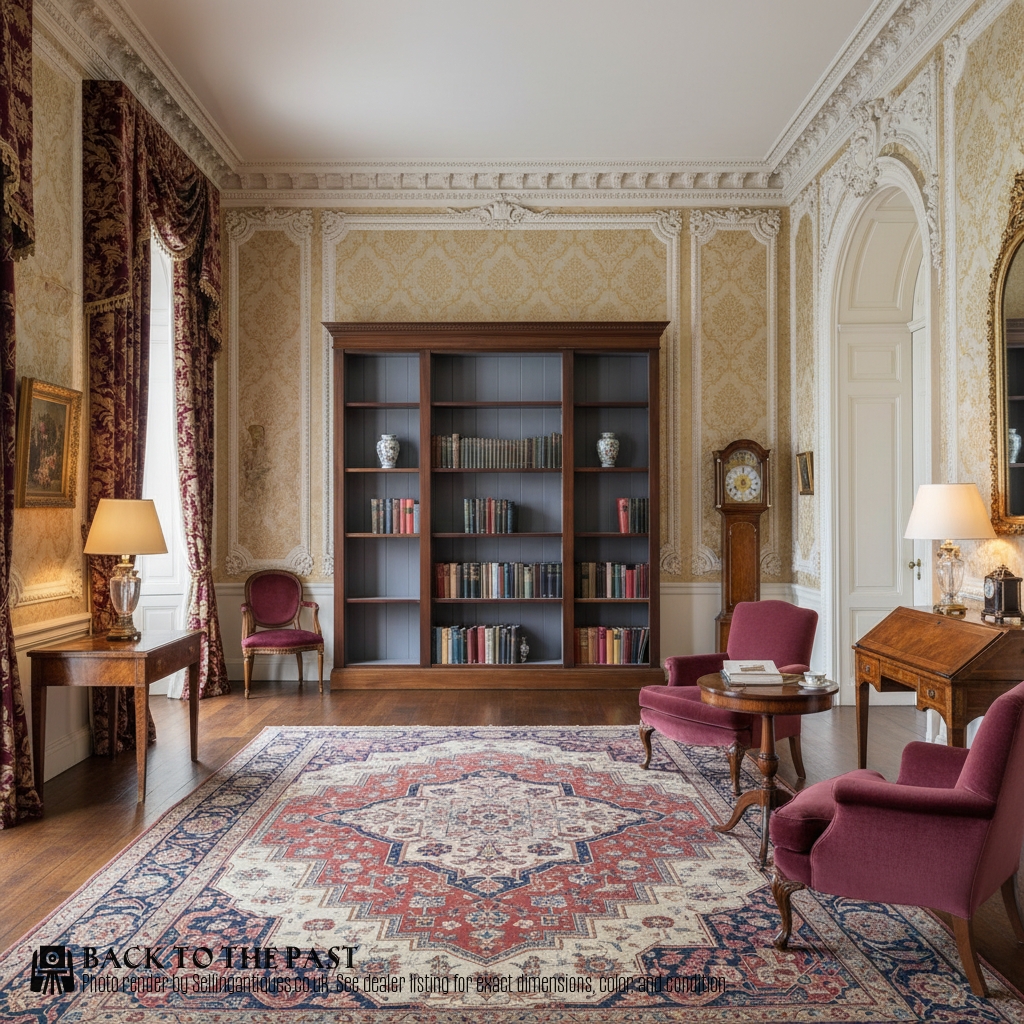
The Mahogany Wall Shelves Glossary
- Waterfall shelves
- Tiers that step back progressively from bottom to top, creating a cascading profile often used for books or small ornaments.
- Boxwood inlay
- A contrasting light-coloured wood inserted into the darker mahogany surface in narrow lines or geometric motifs.
- Hanging shelves
- Open wall-mounted shelving units designed to save floor space while displaying books or decorative objects.
- Corbel
- A projecting bracket of wood supporting a weight above it, frequently carved with scroll or leaf motifs.
- George III
- The stylistic period spanning the mid to late eighteenth century, known for refined proportions and classical restraint.
Mahogany Wall Shelves: Frequently Asked Questions
How do I hang antique shelves safely?
Most hanging shelves utilise original brass mounting loops or screw holes integrated into the backboards. Ensure fixings are anchored securely into wall studs or use appropriate heavy-duty wall plugs to support the weight of the timber and books.
Because older woods can be dry, check that the vertical supports and shelf joints remain rigid before transferring any heavy load to the wall.
Were these shelves meant for books?
While many served as bookshelves or portable libraries, a large number functioned as display spaces for ceramics, plates, or decorative ornaments. Some specialised variations included small drawers for apothecary items or incorporated mirrors for hall and bedroom use.
Examine the depth and height between the tiers to understand the original intended function, as shallower ledges suited small curiosities better than heavy folios.
How do I tell Victorian shelves from Georgian ones?
Georgian shelves generally exhibit restrained classical proportions, simple linear forms, and dark, dense solid mahogany. Victorian examples frequently introduce heavier mouldings, turned bobbin details, or richer figured veneers reflecting industrial-era manufacturing capabilities.
Looking at the construction of the backboards and the type of brass fixings often provides further clues to the manufacturing decade.