





Three Tier Wall Shelf
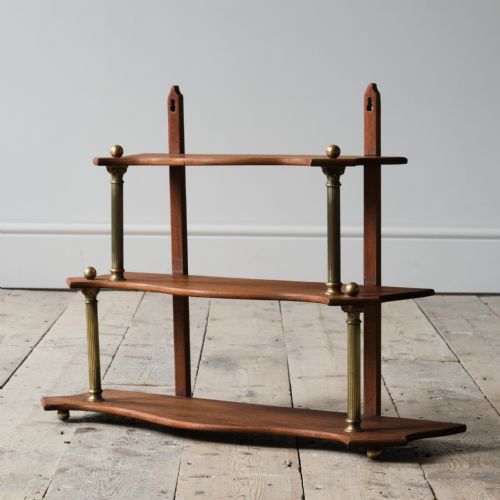
A three tier wall shelf offers compact vertical display and storage, bringing period character and warm timber tones directly to empty wall spaces.
Three Tier Wall Shelf
A three tier wall shelf is a hanging furniture form designed to hold books, small displays, or ornaments off the floor using graduated or uniform horizontal tiers. When searching for a three tier wall shelf, buyers encounter variations spanning the Georgian, Regency, William IV, Victorian, and Edwardian eras.
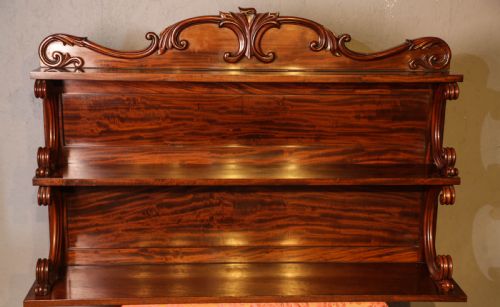
The pieces listed on this page appear in forms such as wall hanging shelves, portable bookshelves, display shelves, and folding wall shelves. Woods include mahogany, flame mahogany veneer, satin birch, oak, rosewood, cherry wood, and painted surfaces.
Makers and designers drew upon Victorian Gothic Revival, Chippendale style, and general Georgian or Victorian aesthetics to shape the fretwork, brackets, and upright supports. Buyers are most likely to meet mahogany examples from the nineteenth century featuring three distinct tiers and brass hanging mounts.
How they were made
Cabinetmakers constructed these shelves using solid hardwoods like mahogany, oak, and rosewood, alongside decorative veneers such as flame mahogany and satin birch. Timbers were selected for grain pattern and colour, then joined with traditional woodworking joints to support the weight of books and ornaments.
Brass fixtures, including hanging brackets and decorative elements, frequently accompanied the timber structures to provide secure wall mounting and structural contrast. Fretwork panels and pierced sides were hand-sawn on specific revival styles, while other examples relied on painted finishes over softwood or hardwood bases.
Three Tier Wall Shelf Retail Price Guide 2026
Typical asking prices for three tier wall shelf among the pieces listed under this phrase on Sellingantiques today, from the lower quarter to the upper quarter. They describe what is for sale here now, not the wider market.
Folding wall shelves allowed nineteenth-century Victorians to collapse their storage flat when moving house or reorganising a room.
What varies in quality
Quality in a three tier wall shelf rests on the choice of timber and the crispness of the carpentry, from plain boards to figured flame mahogany veneer. Superior examples show refined detailing in fretwork brackets, balanced proportions between tiers, and original brass hardware rather than later replacements.
The integrity of the structural joints and the retention of original surface finishes significantly influence the character of each piece. Finer shelves display careful edge moulding and harmonious grain matching across the three levels, whereas simpler utilitarian versions utilise plain painted or straightforward timber construction.
The Three Tier Wall Shelf Glossary
- Fretwork
- Openwork ornamentation carved or pierced through thin wood in geometric or scroll patterns. It frequently defines the side panels of Chippendale style shelves.
- Flame mahogany veneer
- A thinly sliced sheet of mahogany showing a distinctive flickering flame-like grain pattern. Cabinetmakers applied this to prominent surfaces for visual depth.
- Satin birch
- A pale, golden hardwood with a lustrous, silky sheen used during the nineteenth century. It provides a lighter alternative to dark mahogany.
- Gothic Revival
- An architectural and decorative style drawing inspiration from medieval forms. This style introduces pointed arches and quatrefoil motifs to wall shelving.
Three Tier Wall Shelf: Frequently Asked Questions
How were three tier wall shelves mounted?
These shelves typically utilise brass hanging loops, plates, or screw eyes fitted to the back uprights or side supports. They were hung securely from wall hooks or picture nails.
Heavier loaded shelves require direct anchoring into wall studs or proper masonry fixings to ensure safety and stability.
What rooms suit a three tier wall shelf?
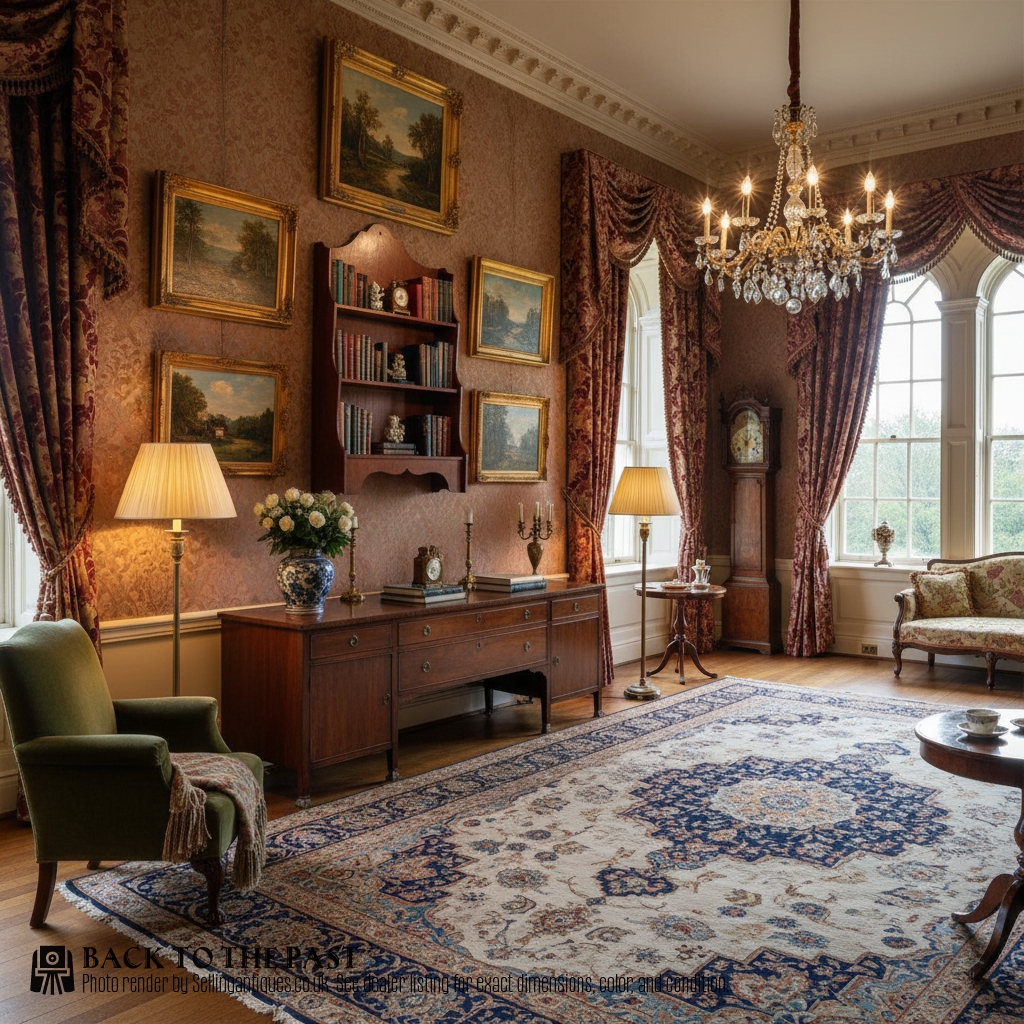
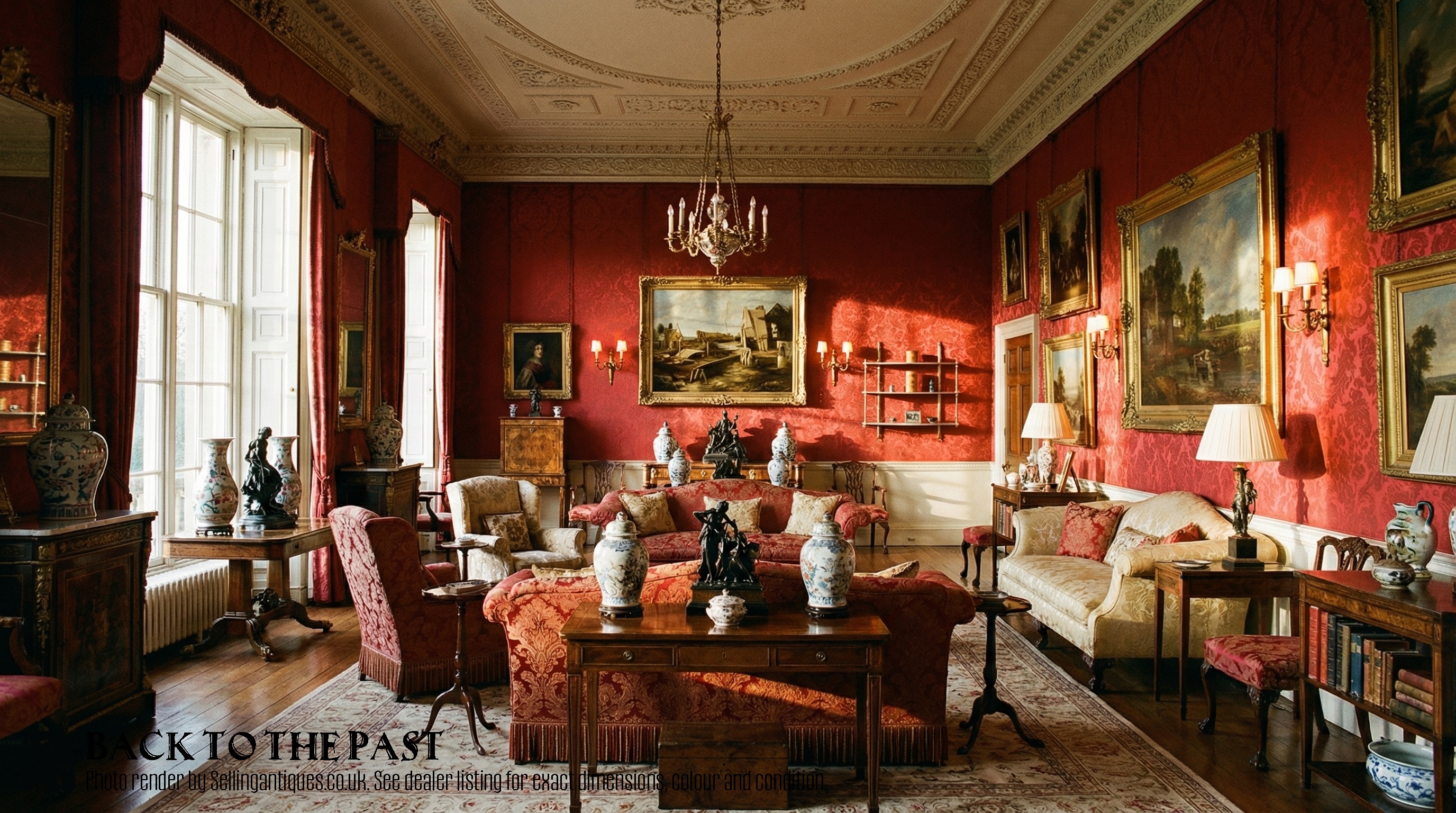
A three tier wall shelf fits well in studies for holding small volumes, in living rooms for display items, or in hallways for compact organisation. Their vertical format preserves floor space while adding decorative interest.
Kitchens and bathrooms also accommodate smaller painted or hardwood versions for everyday storage needs.
How do I date a wall shelf?
Dating relies on timber choice, construction methods, and stylistic cues such as Regency curves or Victorian Gothic details. Tool marks, screw types, and general wear patterns further indicate the period of manufacture.
Earlier eighteenth-century and Regency pieces often display lighter scantlings and hand-cut joinery compared to later Victorian production.
Can these shelves hold heavy books?
While portable bookshelves and sturdy mahogany tiers held volumes in period homes, modern placement depends on the strength of the wall fixings and shelf joints. Lighter items and paperbacks are generally safer for older hanging structures.
Checking the rigidity of the upright-to-shelf joints helps determine appropriate weight distribution.