


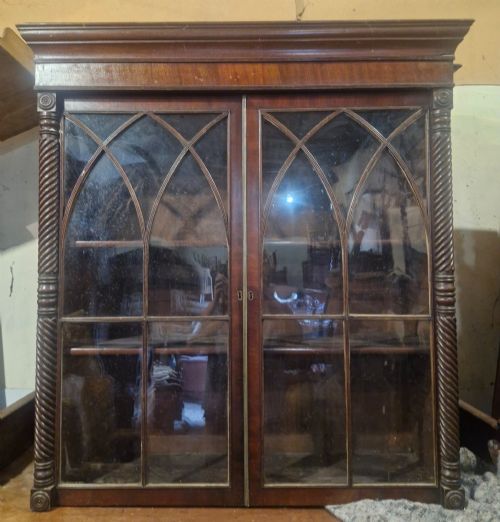
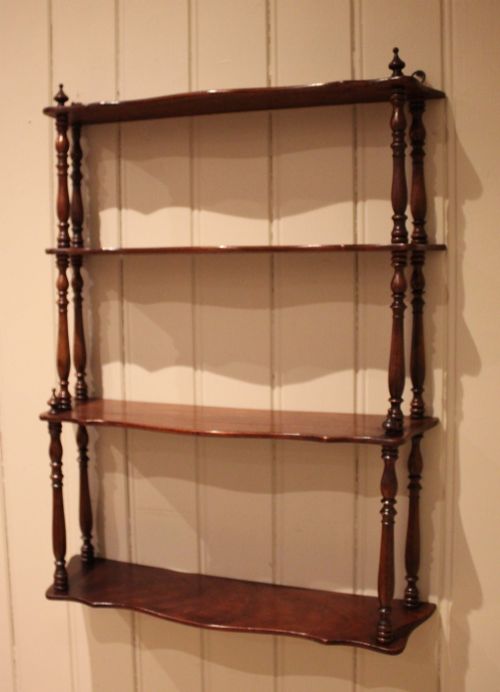
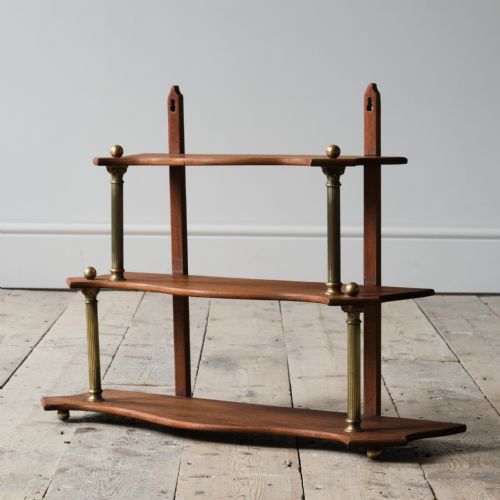
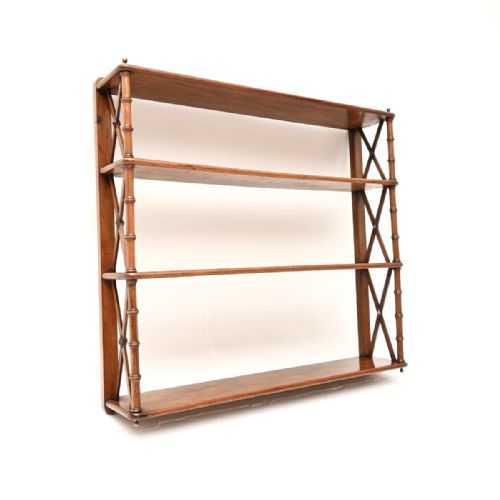

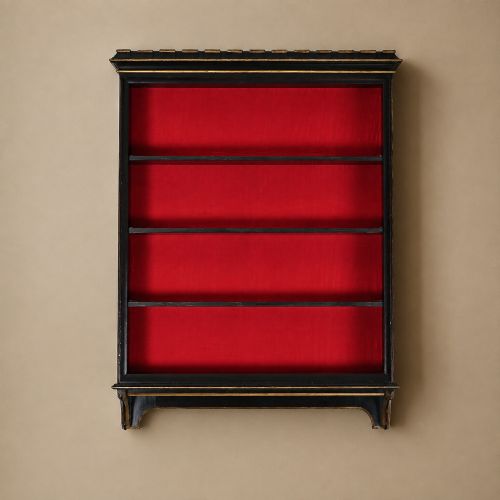


Wall Mounted Bookcase
These wall mounted bookcase pieces are hanging timber shelves and cabinets that save floor space while holding a proper library.
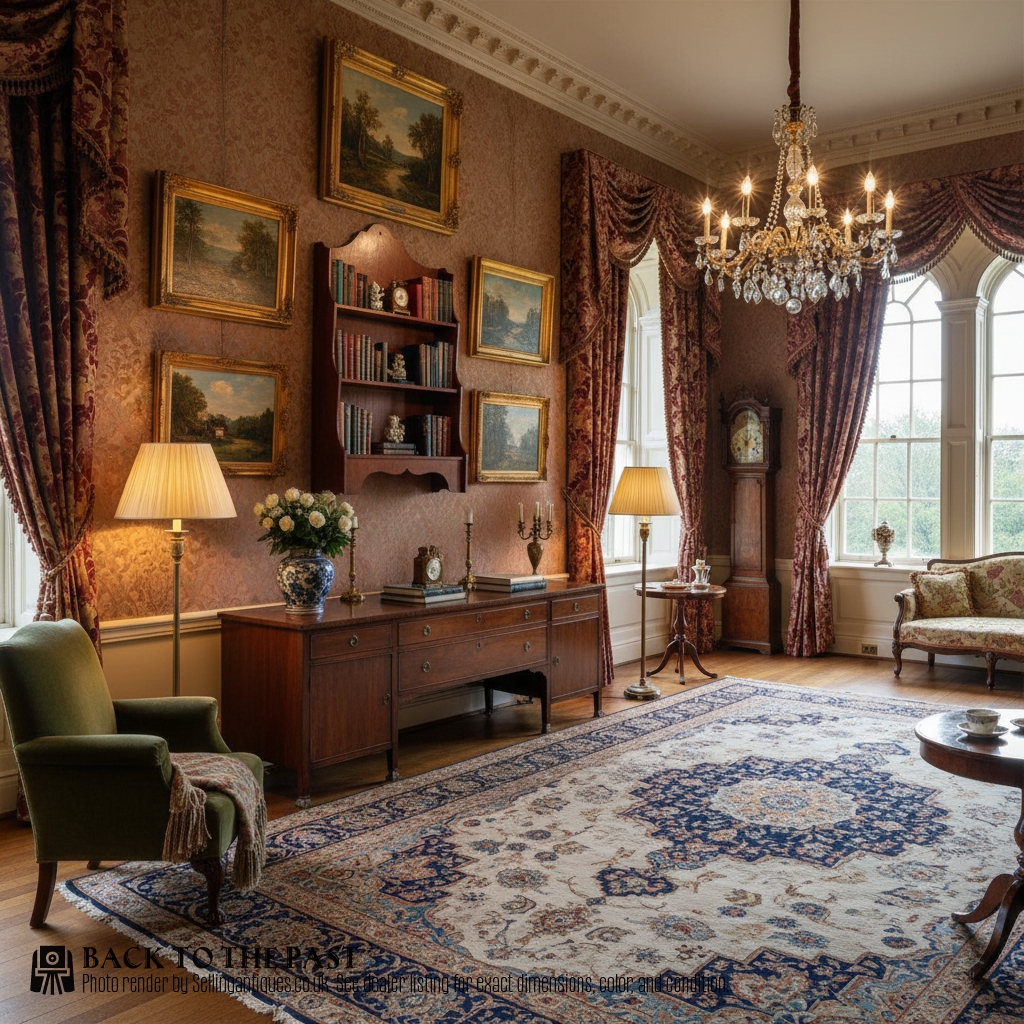
Wall Mounted Bookcase
A wall mounted bookcase provides compact book storage and display by utilising vertical wall space rather than floor area. The pieces seen here include open wall shelves, hanging shelves, enclosed wall cabinets, and display cabinets.
Most examples date from the Georgian, Victorian, and Edwardian periods, constructed in forms ranging from simple open shelving to glazed cupboards and multi-tier hanging whatsnot shelves.
How they were made
Cabinetmakers built these shelves using timbers such as mahogany, oak, walnut, satinwood, and pine, often enhancing the designs with brass fittings or painted finishes. Glazed doors incorporate glass panels, while specialised pieces feature satin birch or cherry wood.
Construction methods rely on traditional joinery suitable for hanging weight securely, utilising sturdy wall fixings and solid wood panels for durability.
Wall Mounted Bookcase Retail Price Guide 2026
Typical asking prices for wall mounted bookcase among the pieces listed under this phrase on Sellingantiques today, from the lower quarter to the upper quarter. They describe what is for sale here now, not the wider market.
Listings feature wall mounted bookcase designs spanning the Georgian, Victorian, and Edwardian eras, in mahogany, oak, walnut, and pine.
What varies in quality
Quality separates simple utility furniture from pieces made with finer timber selections like figured mahogany, satinwood, or walnut. Details such as brass mounts, astral glazing bars, and refined cabinetwork elevate an ordinary shelf into a distinguished furnishing.
The integrity of the timber joints and the weight capacity of the hanging structure also mark the distinction between standard workshop output and superior craftsmanship.
George Edmund Street
The Wall Mounted Bookcase Glossary
- Hanging shelves
- Wall-mounted shelving units designed to hold books or plates without touching the floor. They use integrated brackets or hanging loops.
- Astral glaze
- A method of dividing glass panes in cabinet doors using slender wooden or metal bars. This creates a geometric pattern across the front of a display case.
- Whatnot
- A piece of furniture consisting of multiple open tiers for displaying small objects or books. Hanging versions save valuable room space.
- Gothic Revival
- A design style drawing on medieval architectural motifs, featuring pointed arches and dark finishes. It appears on Victorian cabinets.
- Satinwood
- A durable, lustrous timber with a yellowish sheen used for fine cabinetmaking. It yields a distinctive decorative surface.
Wall Mounted Bookcase: Frequently Asked Questions
What is the difference between open shelves and wall cabinets?
Open wall shelves provide immediate access to books and decorative items without any barrier. They suit general display and everyday reading.
Wall cabinets feature doors, often glazed, which protect sensitive books and objects from dust and light exposure.
How do I identify a Victorian wall bookcase?
Victorian pieces often display heavier timber sections, darker finishes like ebonised wood, or Gothic Revival architectural details. Oak and walnut are common woods from this era.
Construction traits and decorative motifs help separate these 19th-century designs from earlier Georgian or later Edwardian examples.
Can these bookcases stand on the floor?
Most examples in this category are specifically designed for wall mounting or hanging, lacking the broad plinth bases required for floor stability. Some variations, however, are built to function in multiple orientations.
Attempting to place a strictly hanging shelf on the floor without support risks tipping and structural damage.
What woods were used for Georgian hanging shelves?
Georgian cabinetmakers favoured dense timbers such as mahogany and oak for strength and grain pattern. These materials handled wall-hanging loads effectively.
Fine brass hardware often complemented the rich brown tones of the primary woods during this period.