


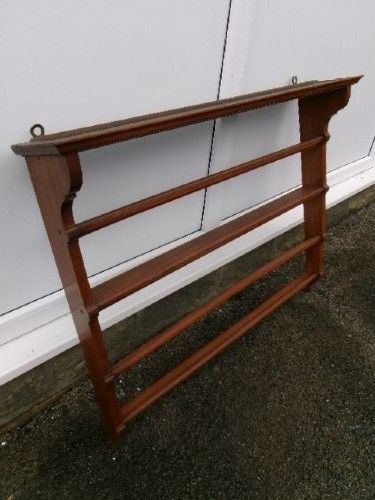
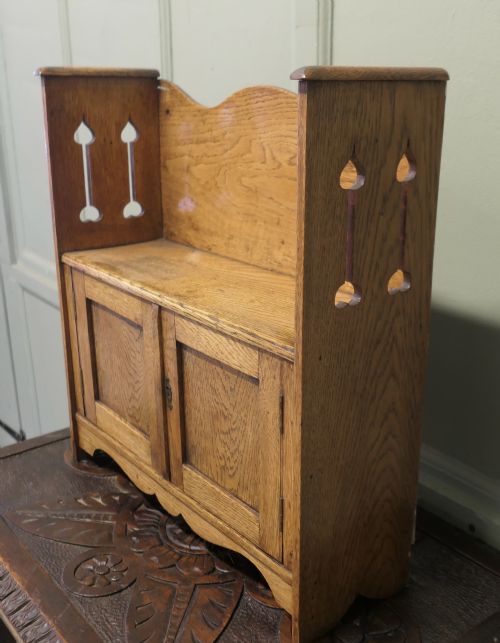
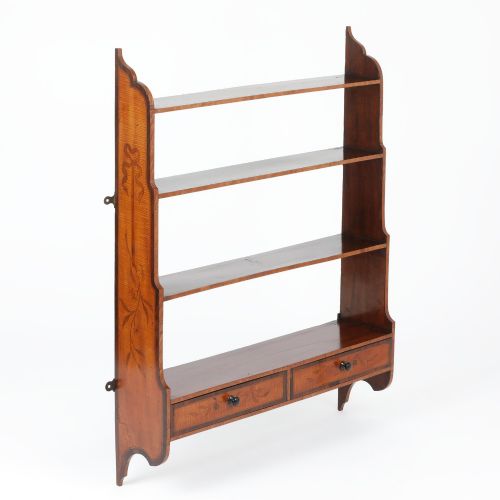
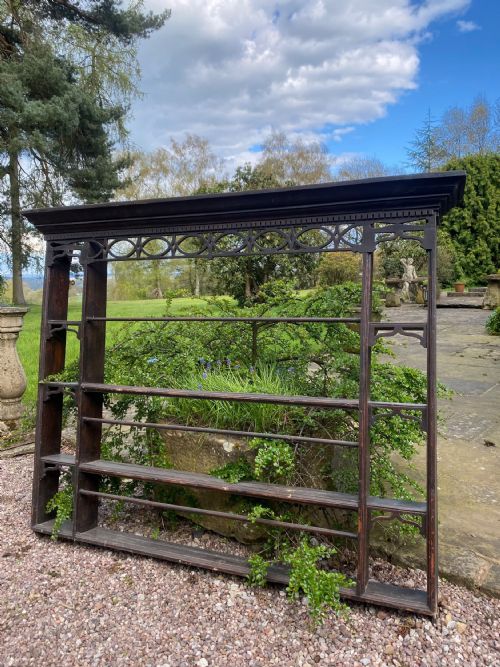


Edwardian Hanging Shelves
Edwardian hanging shelves bring timber and tiers to vertical spaces, offering practical display where floor space runs thin.
Edwardian Hanging Shelves
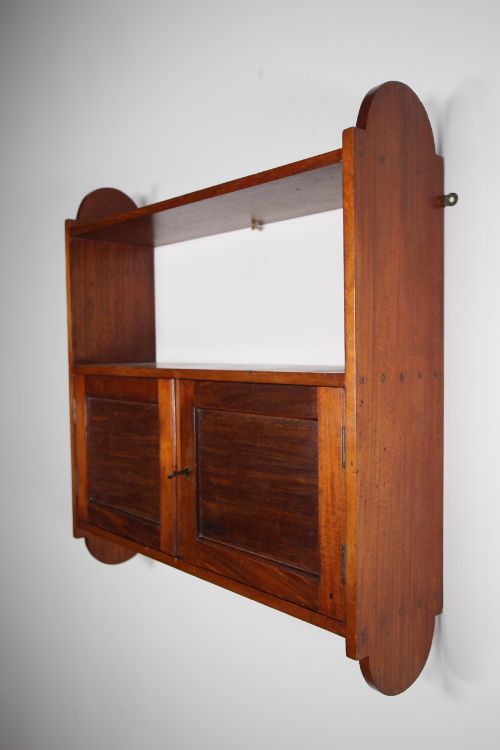
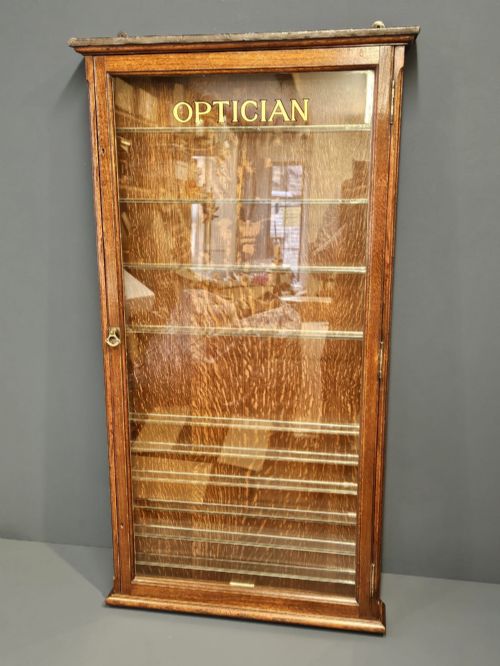
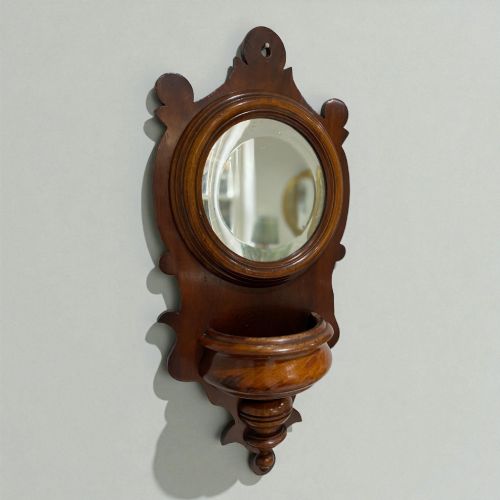
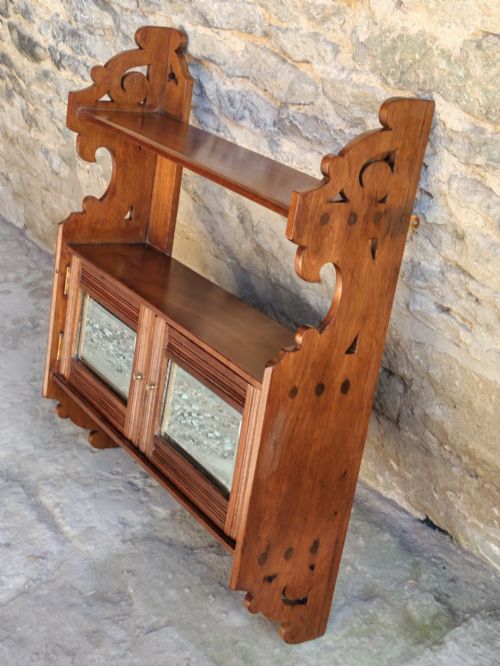
Edwardian hanging shelves combine practical wall storage with timber craftsmanship, appearing in formats from simple open tiers to enclosed wall cabinets with mirrors. When searching this phrase, a buyer meets pieces built for display and utility, frequently executed in mahogany, oak, and walnut.
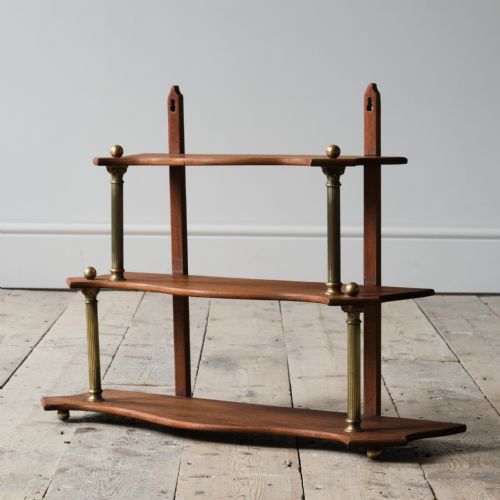
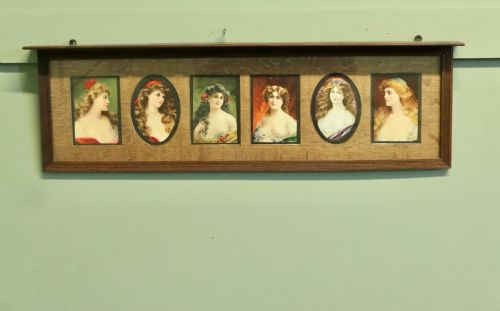
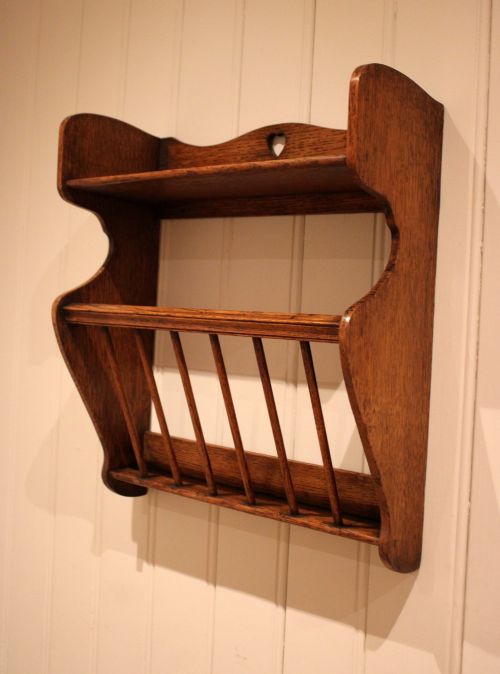
The selection ranges from dedicated Edwardian designs to earlier Victorian and Regency examples, alongside Arts and Crafts iterations. Open bookshelves, corner tiers, and mirror-backed ledges dominate the forms, offering places for books, ceramics, and small collections.
Makers of the period adapted traditional furniture styles to suit smaller rooms and hallways. Pieces often incorporate inlaid boxwood, brass galleries, or painted finishes, reflecting the decorative priorities of their original interiors.
How they were made
Makers constructed these shelves primarily in mahogany, oak, and walnut, often selecting figured timbers for visible surfaces. Satinwood and boxwood appeared as contrasting inlay materials, creating geometric or botanical banding along the edges.
Structural joints relied on traditional woodworking methods such as dovetailing and mortise and tenon joints to secure uprights and ledges. Brass fixtures, including hanging brackets and galleries, provided functional reinforcement and decorative accenting.
Edwardian Hanging Shelves Retail Price Guide 2026
Typical asking prices for edwardian hanging shelves among the pieces listed under this phrase on Sellingantiques today, from the lower quarter to the upper quarter. They describe what is for sale here now, not the wider market.
The listings here feature oak, mahogany, walnut, and satinwood, spanning the Victorian, Edwardian, and Arts and Crafts periods.
What varies in quality
Quality rests in the selection of timber and the precision of the joinery rather than mere ornamentation. Superior pieces feature well-figured grain, intact inlay work, and robust hanging points that support the weight of books or ceramics safely.
The refinement of carved details, the weight of brass galleries, and the clarity of mirrored glass distinguish workshop pieces from mass-produced items. Original surfaces with appropriate patination command greater appreciation than stripped or heavily restored timber.
John Moyr Smith·Arthur Simpson
The Edwardian Hanging Shelves Glossary
- Edwardian
- Pertaining to the reign of King Edward VII, spanning the start of the twentieth century. Furniture from this era often lighter in proportion than Victorian equivalents.
- Boxwood inlay
- A decorative technique where small strips of light-toned boxwood are set flush into recesses in darker timber. This creates sharp linear contrast along shelves and backboards.
- Whatnot
- A freestanding or hanging set of open shelves designed for displaying ornaments and books. The form dates back earlier but remained popular through the Victorian and Edwardian periods.
- Brass gallery
- A low metal rail fitted around the edge of a shelf to stop objects from sliding off. These rails often feature pierced or turned brass spindles.
- Arts and Crafts
- A design movement prioritising handcraftsmanship and simple construction over industrial ornamentation. Pieces in this style emphasise the natural grain of oak and visible joinery.
Edwardian Hanging Shelves: Frequently Asked Questions
How do I hang antique shelves safely?
Antique hanging shelves require secure fixings matched to the weight of the timber and the intended load. Locate wall studs or use appropriate cavity anchors suited to plaster or brick surfaces.
Check the original hanging loops or brackets on the back of the piece to ensure they remain firm in the wood. Distribute weight evenly across the tiers once mounted.
What rooms suit hanging shelves best?
These shelves suit hallways, bedrooms, and studies where floor space is limited. Smaller mahogany or satinwood versions often function above desks or hall tables for letters and keys.
Kitchens and bathrooms also accommodate wall-mounted cabinets and plate racks, provided the timber finish withstands the environment.
How do I clean antique timber shelves?
Dust the wood regularly with a dry, soft cloth to prevent particle buildup in carved or inlaid areas. Avoid modern silicone sprays that leave residues and attract further dust.
Apply a traditional beeswax polish sparingly when the timber appears dry, buffing it gently to maintain the natural sheen of the polish.
Are these shelves suitable for heavy books?
Most hanging shelves are designed for lighter books, pamphlets, and decorative ceramics rather than heavy reference volumes. Inspect the thickness of the shelves and the strength of the side supports before loading them.
Corner shelves and shorter ledges generally offer better stability for heavier items due to reduced span length.