


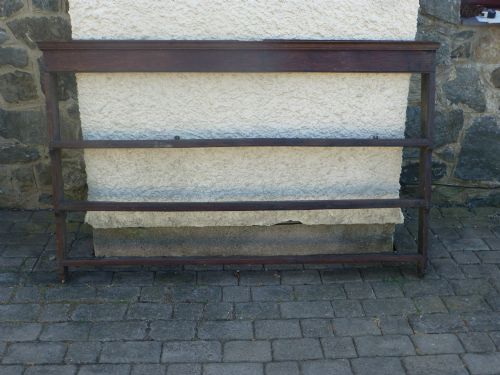
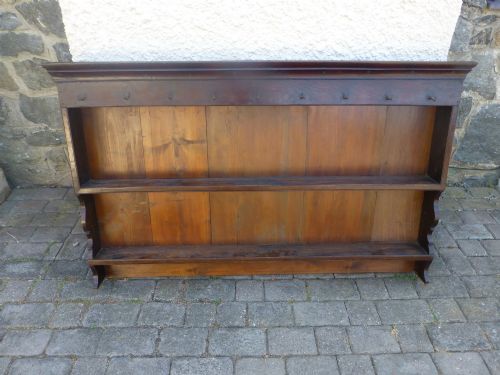
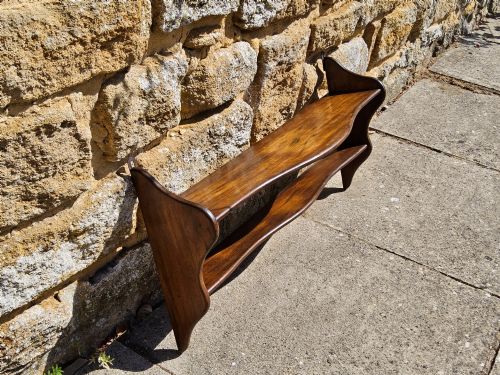
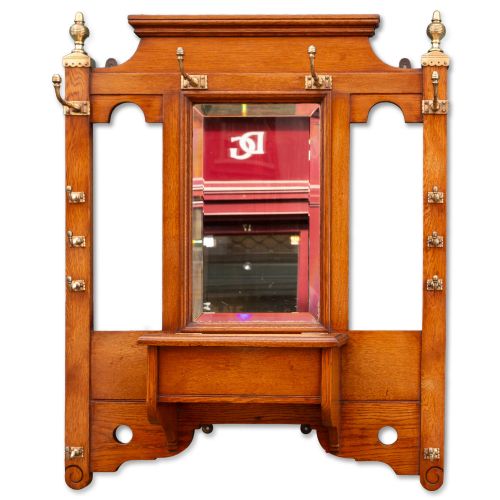
Antique Wooden Wall Shelf
An antique wooden wall shelf brings period character and practical display space to any room.
Understanding antique wooden wall shelf designs
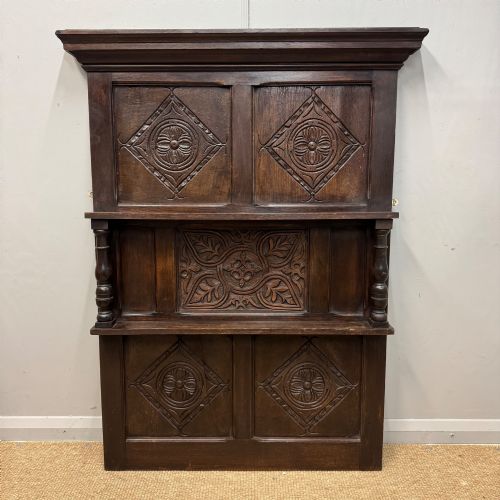
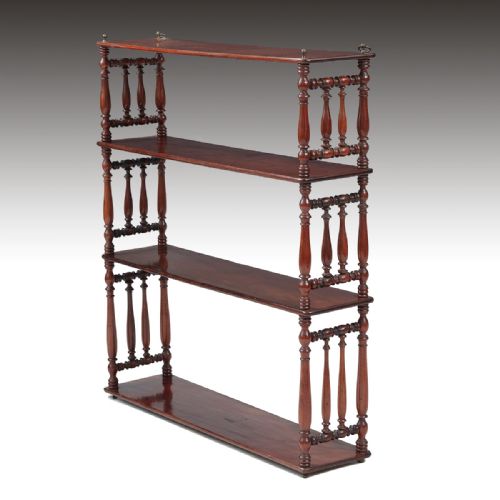
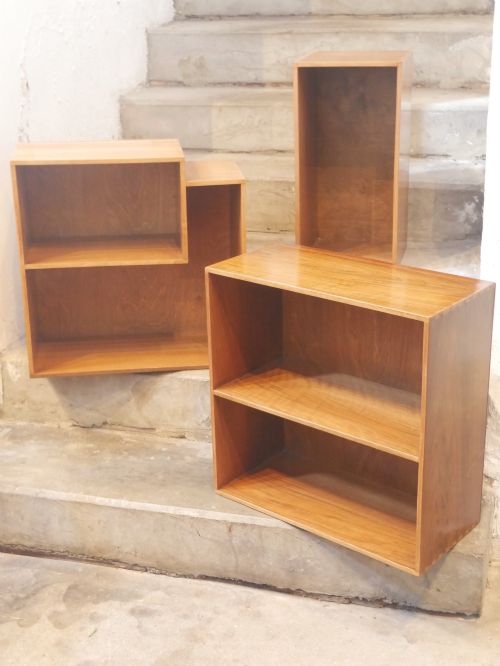
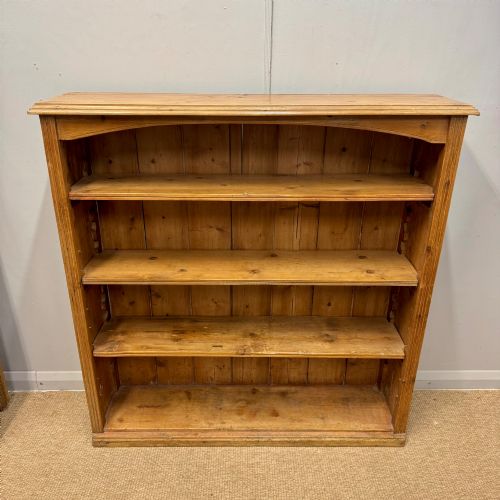
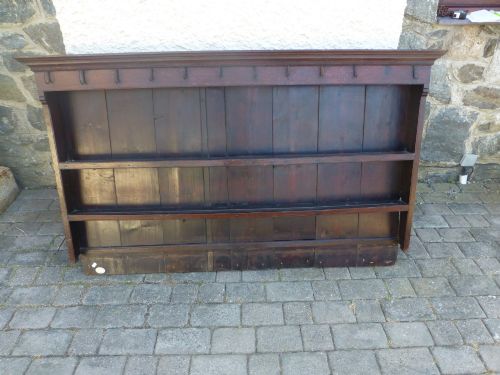
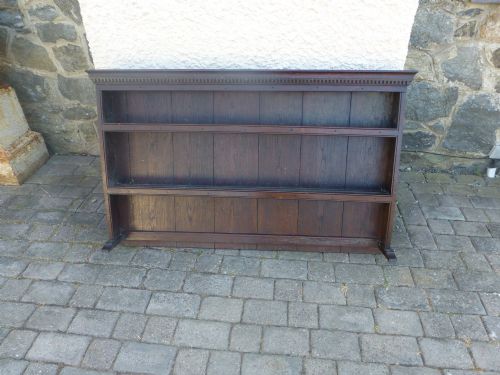
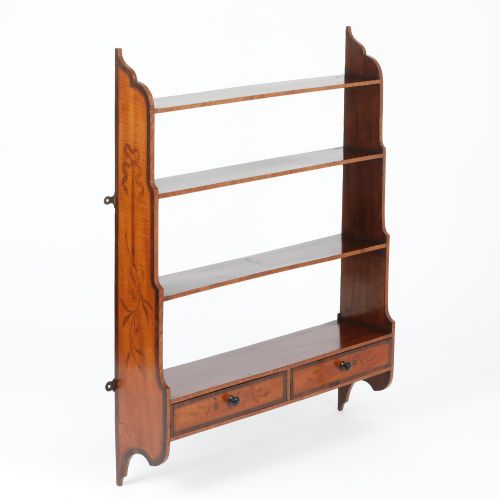
An antique wooden wall shelf encompasses hanging bookshelves, wall brackets, and wall cabinets originating from periods spanning the eighteenth and nineteenth centuries. These pieces serve to display books and decorative objects while utilising vertical wall space in traditional interiors.
The most common examples encountered on this page date from the Georgian and Victorian eras, alongside pieces dated around eighteen eighty and nineteen ten. Forms range from simple wall brackets and hanging shelves to more elaborate waterfall bookshelves and wall cabinets.
Materials and construction methods
Cabinet makers utilised a variety of woods including mahogany, walnut, satinwood, and limewood to construct these shelves and brackets. Additional decorative elements such as brass, inlay, and paint appear across different pieces.
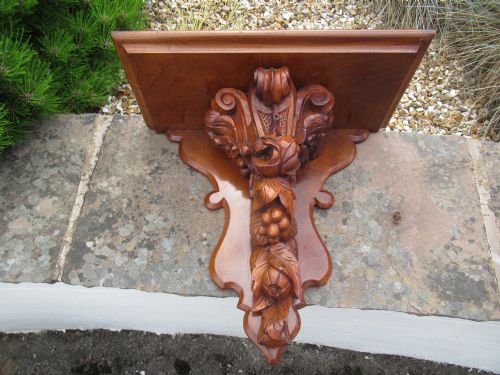
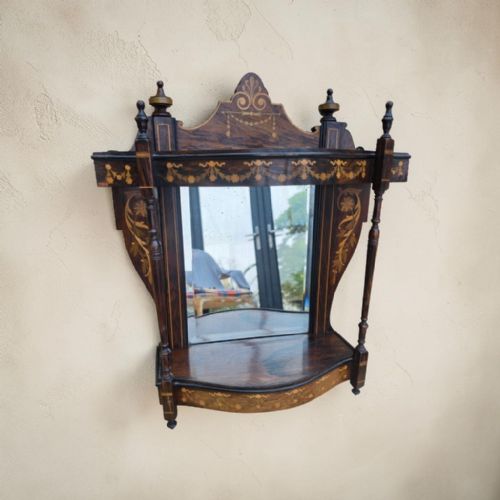
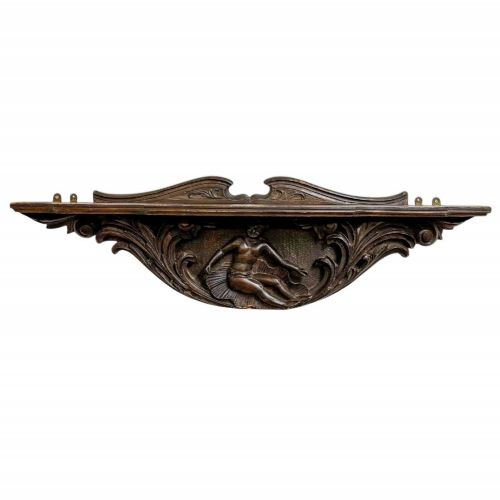
Construction techniques involve traditional joinery suited to hanging furniture, alongside detailed hand carving seen on limewood wall brackets. Selected items incorporate marquetry details like satinwood inlay upon mahogany carcases.
Retail Price Guide 2026
Typical UK retail prices for wooden wall shelf, calculated from the Sellingantiques database of over a million retail prices indexed since 2003. This retail price guide relies exclusively on Sellingantiques data; no external sources or auction records are used, so the figures do not describe the wider market.
Carved limewood brackets offer homes a touch of Victorian theatrical flair without taking up any floor space.
Distinctions in craftsmanship and design
Quality separates pieces through the selection of timber figures, such as richly grained mahogany and figured walnut, compared to plain or heavily painted surfaces. The depth and crispness of hand carving on limewood brackets further distinguishes finer examples from simpler utilitarian items.
Sophistication of form dictates standing within the range, moving from basic wall brackets to multi-tiered hanging waterfall bookshelves and combined wall cabinets with fitted doors. Structural integration of inlay work and brass fittings demonstrates superior workshop execution.
The Antique Wooden Wall Shelf Glossary
- Waterfall bookshelves
- Hanging bookshelves arranged in descending tiers where each shelf steps back from the one below it. This form maximises display capacity whilst maintaining a light profile on the wall.
- Limewood
- A pale timber favoured by carvers for its fine, even texture that permits intricate undercut details. It provides the ideal medium for decorative wall brackets.
- Satinwood
- A durable exotic hardwood displaying a golden lustre and satiny sheen. Often utilised for decorative stringing and inlay on Georgian and eighteenth century furniture.
- Wall bracket
- A projecting architectural support fixed to a vertical surface to hold ornaments or busts. Pairs of these brackets are frequently encountered in Victorian Italianate designs.
Frequently Asked Questions
What is the difference between wall brackets and hanging shelves?
Wall brackets are typically smaller architectural supports designed to hold single decorative objects or figures. They attach directly to the wall in pairs or singles.
Hanging shelves feature multiple horizontal tiers suspended from a backplate or hanging frame, providing greater surface area for books and collections.
How do I date an antique wooden wall shelf?
Dating relies on identifying the prevailing timber choices, decorative styles, and construction hallmarks of specific eras. Georgian pieces often display restrained mahogany forms, whereas Victorian items show heavier walnut or carved limewood.
Examining the secondary woods, backboards, and fixings provides further clues to the period of manufacture.
Can antique wooden wall shelves hold heavy books?
Most antique hanging shelves accommodate standard book collections, but older joints benefit from careful assessment before loading heavy volumes. Lighter items and display pieces reduce stress on historic fixings.
Waterfall bookshelves and cabinet combinations offer sturdy platforms, though wall support remains the primary factor in load capacity.