

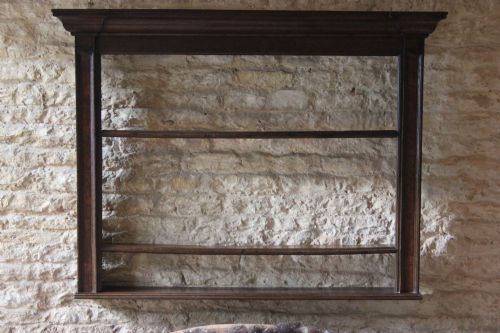

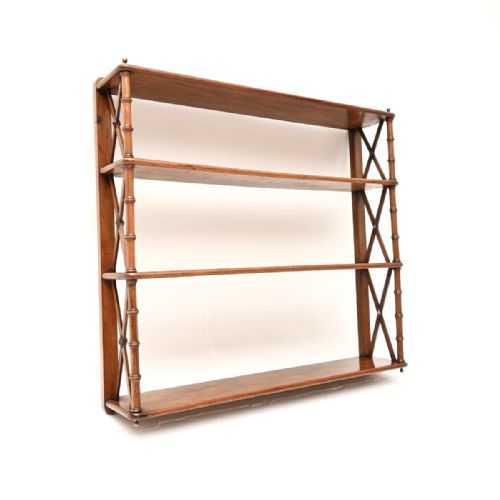

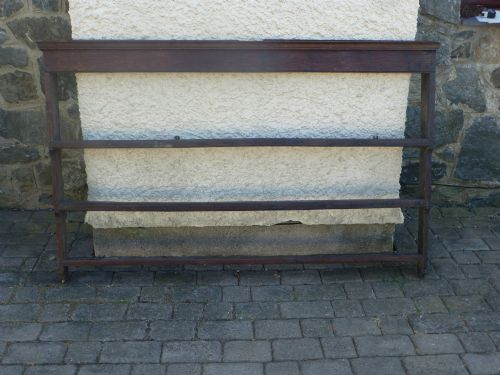
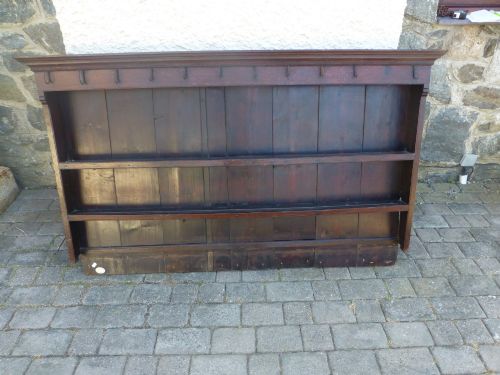


Georgian Wall Shelves
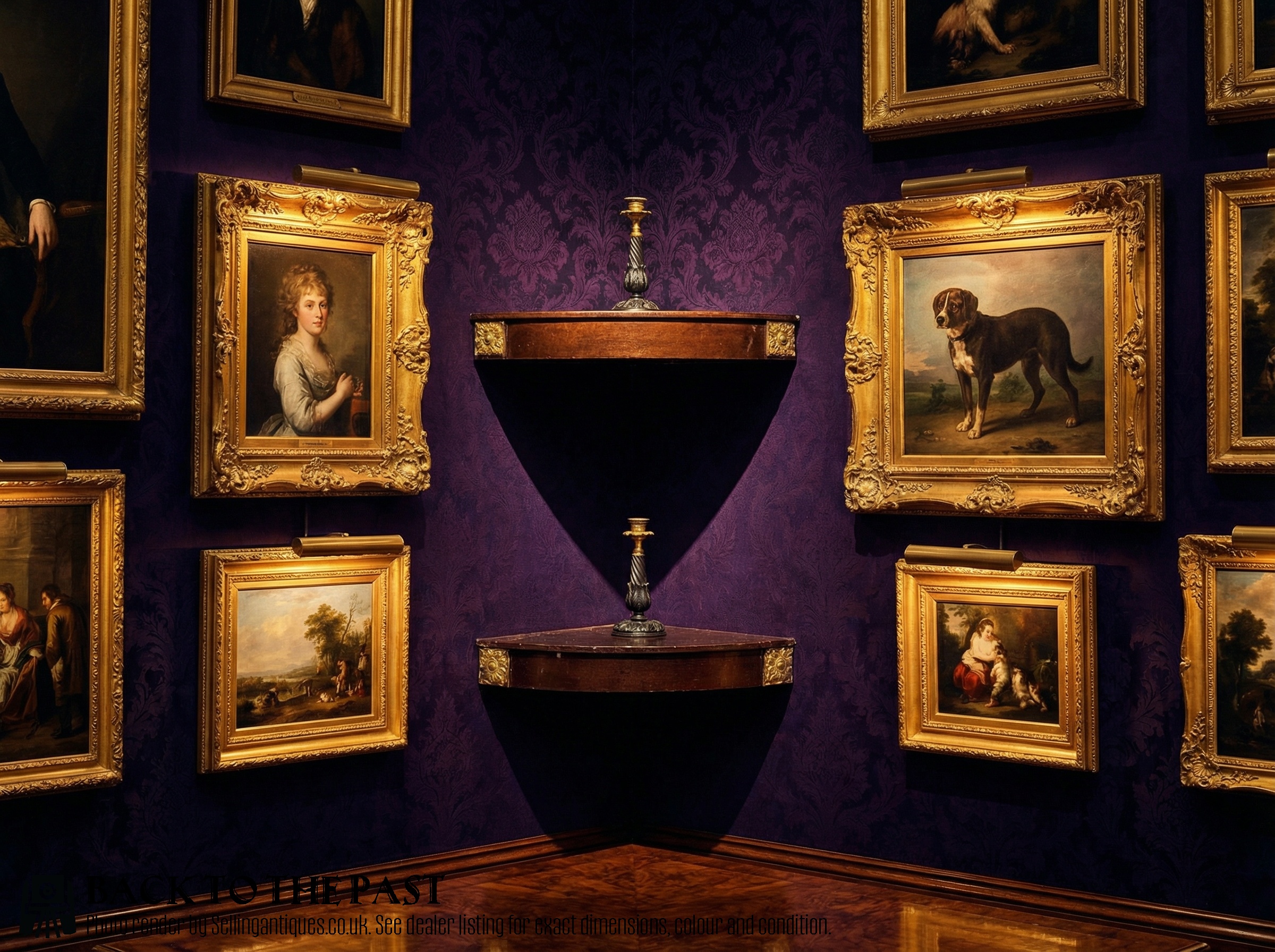
Georgian wall shelves bring warmth and architectural order to a room, offering practical display space with distinct period character.

Georgian Wall Shelves
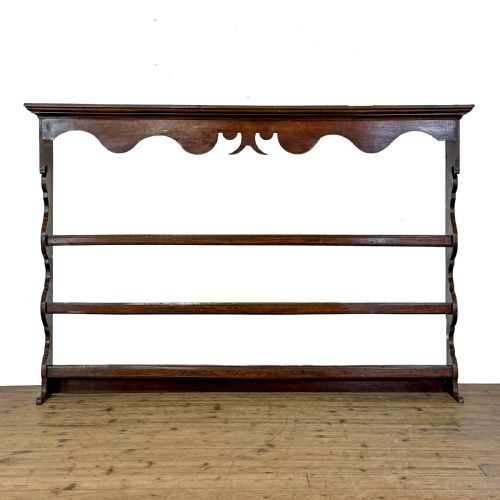
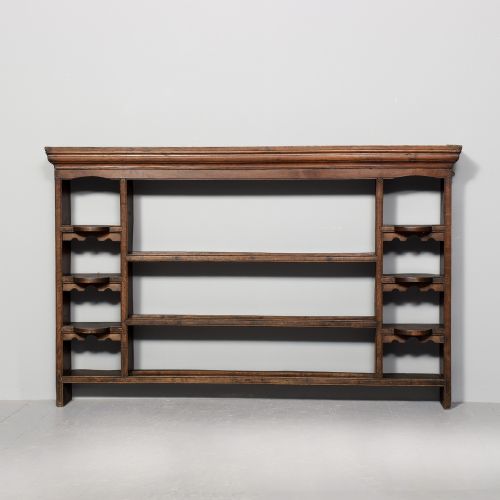
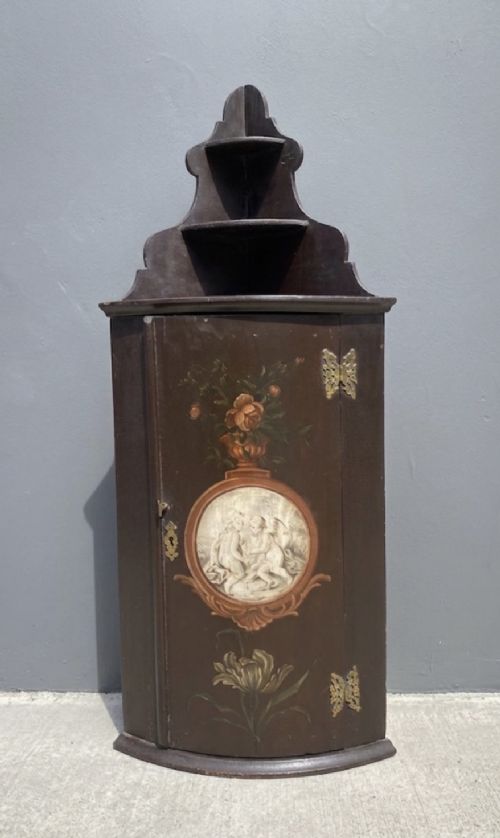
When you search for georgian wall shelves, you encounter hanging bookshelves, plate racks, and corner units designed to utilise vertical wall space efficiently.
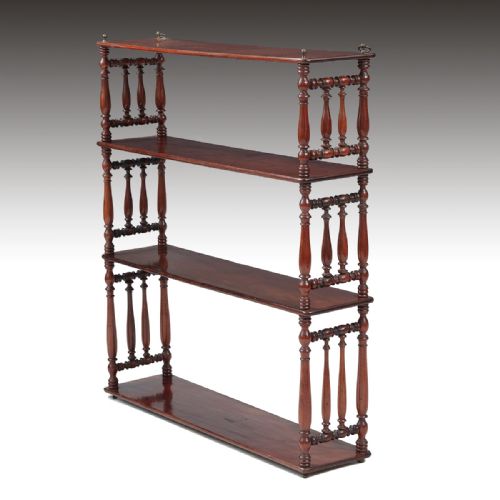
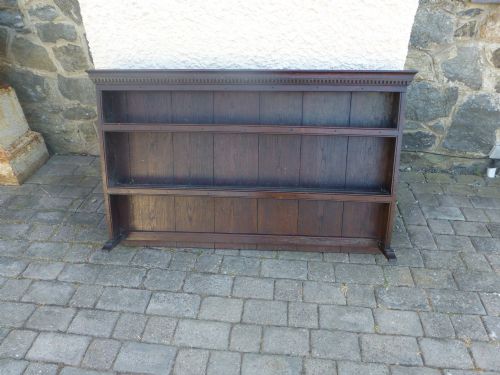
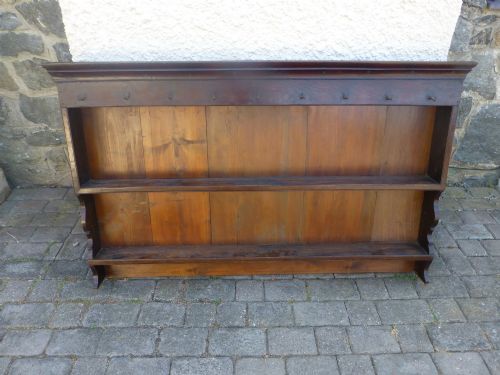
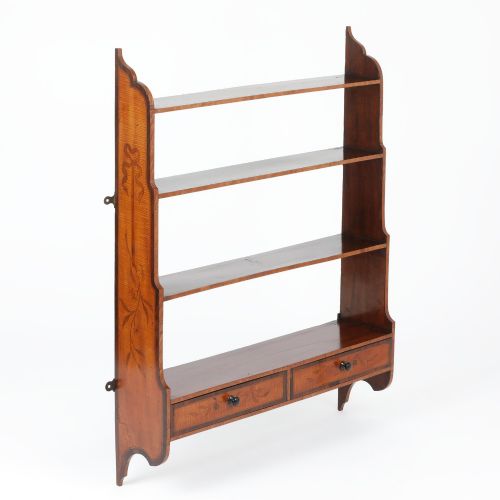
The pieces on this page span the eighteenth and nineteenth centuries, including specific Regency examples and George III designs.
Mahogany predominates in the evidence, alongside oak, satinwood, giltwood, and glass, taking forms such as waterfall arrangements and bow fronted tiers.
How They Were Made
Cabinet makers constructed these wall fixtures primarily from solid timbers like mahogany, Cuban mahogany, and oak, often incorporating brass fittings and gesso details.
Surviving examples demonstrate traditional joinery techniques suited to hanging furniture, occasionally featuring carved elements and mirrored surfaces.
Georgian Wall Shelves Retail Price Guide 2026
Typical asking prices for georgian wall shelves among the pieces listed under this phrase on Sellingantiques today, from the lower quarter to the upper quarter. They describe what is for sale here now, not the wider market.
Listings feature mahogany, oak, satinwood, and giltwood across eighteenth and nineteenth-century periods.
What Varies in Quality
The distinction between standard examples and finer items rests on the selection of timber, such as figured mahogany or rich satinwood, and the crispness of any carved decoration.
Design complexity also sets pieces apart, moving from utilitarian oak delft racks to sophisticated bow fronted corner shelves and tiered waterfall bookshelves.
Strahan of Dublin
The Georgian Wall Shelves Glossary
- Hanging shelves
- Wall-mounted shelving units designed to save floor space while displaying books or ceramics. These pieces typically feature pierced sides or suspension brackets.
- Plate rack
- A wall-mounted rack specifically constructed to display plates upright with retaining rails or grooves. They often appear in oak or mahogany from the eighteenth century.
- Waterfall bookshelves
- Tiered shelving units where each successive shelf steps back from the one below. This stepped arrangement creates a cascading profile popular in finer pieces.
- Giltwood
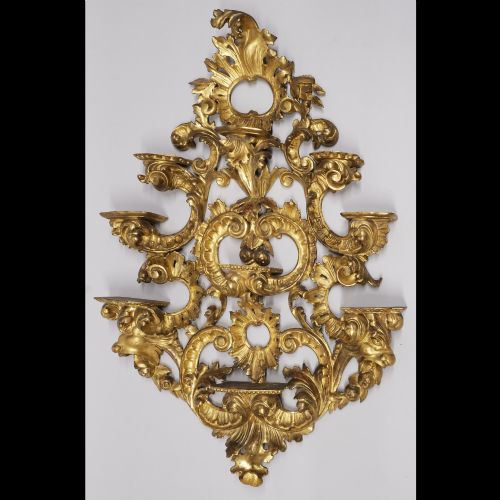
- Wood carved and coated with gold leaf or a gold-coloured finish. This technique appears on decorative mirrors and high-status wall furnishings.
Georgian Wall Shelves: Frequently Asked Questions
What are georgian wall shelves?
These are wall-mounted storage and display units produced during the eighteenth and early nineteenth centuries. They include open bookshelves, plate racks, and corner units.
Cabinet makers built them primarily in mahogany and oak to hold books, ceramics, and household objects while keeping floor areas clear.
How were georgian wall shelves used?
Households utilised these hanging fixtures in libraries, parlours, and dining rooms for daily storage and display. Plate racks held crockery securely, while smaller shelves displayed books.
Their wall-mounted design made them practical for rooms with limited floor space.
How do I identify a georgian wall shelf?
Look at the timber selection, construction methods, and overall proportions. Eighteenth-century pieces frequently employ solid mahogany or oak with period joinery.
Styles range from simple oak delft racks to refined George III mahogany tiers and Regency bow-fronted corner shelves.
Are these shelves sturdy enough for books?
Period wall shelves were constructed by cabinet makers using solid hardwoods designed to support the weight of books and ceramics. Traditional joinery ensures structural integrity.
Proper wall fixings remain essential to support the weight of timber and heavy volumes safely.