


Walnut Wall Shelves
Walnut wall shelves bring warmth and historic utility to a room, offering tiered display space crafted from rich timber.
Walnut Wall Shelves
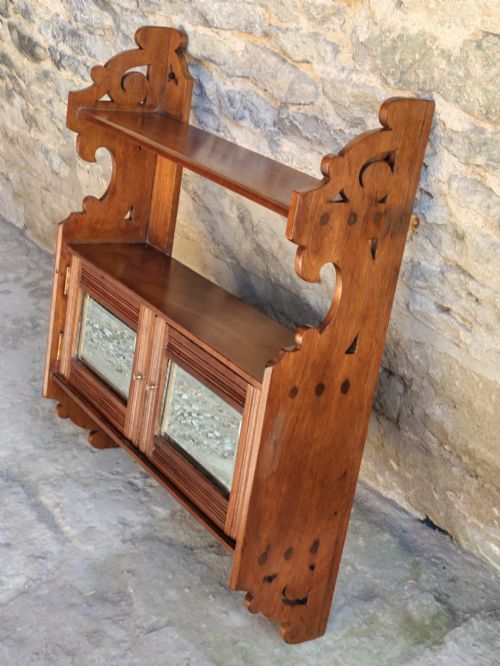
Walnut wall shelves span several centuries of domestic design, ranging from plain functional tiers to elaborate display cabinets and glazed wall mirrors. The pieces you encounter most often on this page date from the nineteenth century, encompassing Victorian and Edwardian examples alongside earlier Georgian and eighteenth-century items.
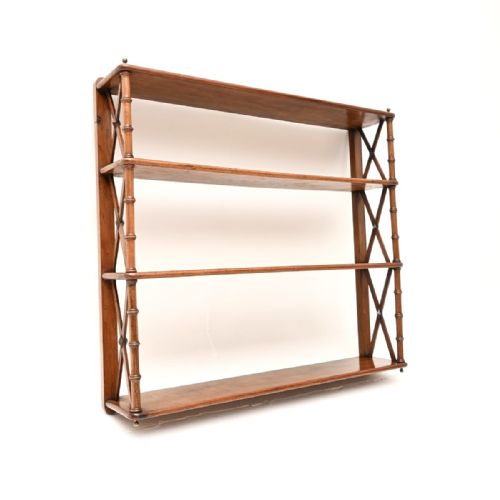
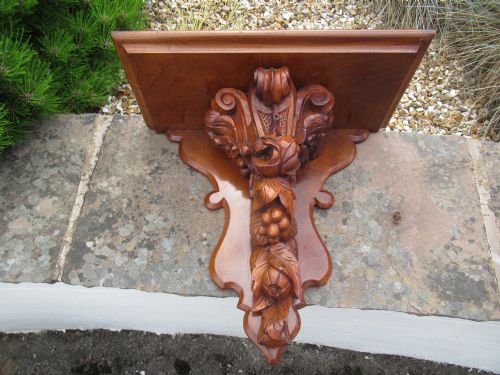
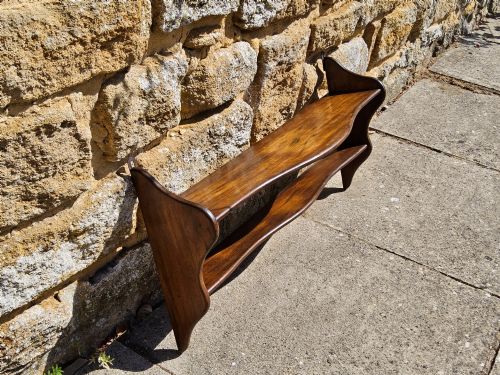
Makers shaped these wall-mounted fittings in various formats, including multi-tiered waterfall shelves, hanging cupboards, and decorative wall brackets. French, Italian, and English workshops produced these variations, utilising the deep brown tones of walnut to anchor storage onto domestic walls.
How they were made
Craftsmen built these pieces predominantly using walnut timber, occasionally incorporating burr walnut veneers to achieve complex, figured grain patterns across backboards and shelves. Structural supports and decorative accents frequently relied on carved wood, while supplementary materials such as brass fittings, mirror glass, and mother-of-pearl inlay appeared on more elaborate hanging cabinets and brackets.
Joinery techniques ranged from straightforward pegged housing joints on simple tier structures to intricate marquetry and hand-carved corbels on pieces influenced by the Arts and Crafts and Aesthetic movements. Surface finishes were applied to highlight the natural dark lustre of the wood rather than masking the grain.
Walnut Wall Shelves Retail Price Guide 2026
Typical asking prices for walnut wall shelves among the pieces listed under this phrase on Sellingantiques today, from the lower quarter to the upper quarter. They describe what is for sale here now, not the wider market.
The site records walnut wall shelves spanning from the eighteenth century through to the Edwardian period, incorporating materials like brass, giltwood, and mirror glass.
What varies in quality
The standard of carving and the selection of timber dictate the hierarchy of these wall pieces. Superior examples exhibit crisp, hand-cut relief work on brackets and cornices, alongside symmetrical figuring in the walnut veneer.
Construction depth also separates standard utility pieces from exceptional items. Heavier timber gauges, original brass hanging hardware, and integrated display doors with intact glass indicate higher standards of period workshop production.
Arthur Simpson·Connell of London·Luigi Frullini
The Walnut Wall Shelves Glossary
- Walnut
- A dense, hard timber prized for its rich dark brown colour and varied grain patterns. It served as the primary material for high-status furniture throughout the Georgian and Victorian periods.
- Burr walnut
- A figured wood grain obtained from the wart-like growths on walnut trees, sliced into thin veneers for decorative cabinet fronts. This material creates swirling, organic patterns across the backing boards of hanging shelves.
- Marquetry
- The art of applying decorative pieces of wood veneer to a structure to form intricate pictorial designs. It appears on select nineteenth-century cabinet doors and shelf backs.
- Corbel
- A structural bracket projecting from a wall to support a weight above it. In walnut wall fittings, these are often heavily carved with foliage or figural motifs.
- Pier glass
- A tall mirror designed to hang on the wall space between windows. These pieces occasionally incorporate integrated shelves or console brackets beneath the glass plate.
Walnut Wall Shelves: Frequently Asked Questions
How do I hang antique wall shelves securely?
These wall-mounted pieces require solid fixings suited to the weight of dense hardwood and any displayed items. Historic hanging loops or brackets fixed to the rear framework must be anchored directly into wall studs or masonry.
Distributing weight evenly across multiple tiers prevents structural strain on the antique joints over time.
What is a waterfall shelf?
A waterfall shelf consists of multiple tiers that step backward as the unit rises up the wall. This graduated arrangement provides varying shelf depths for displaying small objects while maintaining a compact footprint.
Victorian and Edwardian makers produced these tiered formats in walnut to maximise vertical wall storage.
How can I tell Victorian shelves from Edwardian ones?
Victorian walnut shelves generally feature darker finishes, heavier mouldings, and more elaborate carved ornamentation. The construction often reflects historical revival styles, including Gothic or Renaissance motifs.
Edwardian pieces tend to display lighter proportions, simpler lines, and occasionally lighter walnut tones or restrained inlay work suited to more open domestic spaces.
Can these shelves support heavy books?
Most hanging wall shelves were designed for display items, ceramics, or small volumes rather than heavy library collections. The capacity depends on the strength of the wall fixings and the integrity of the backboard joints.
Lighter brackets and multi-tiered units suit decorative ornaments, while dedicated wall-mounted bookcases handle heavier reading material.