

Hanging Display Shelf
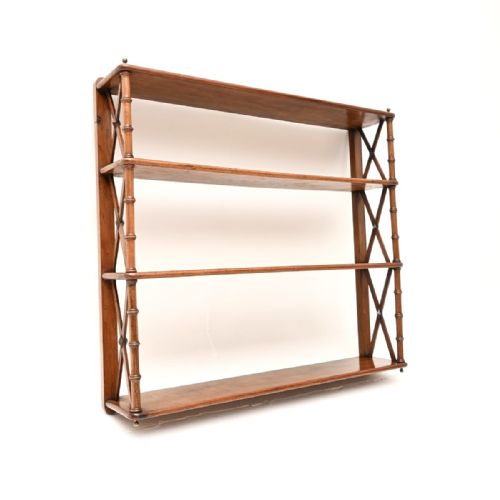
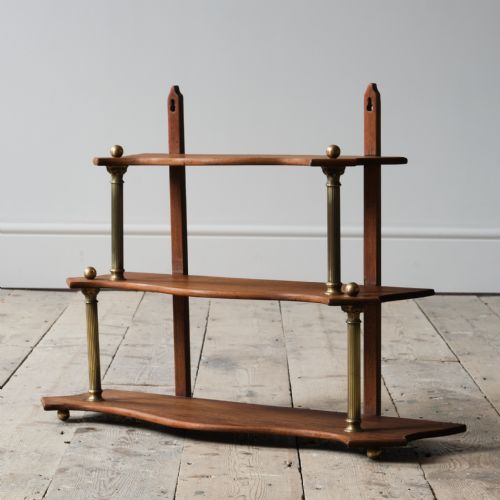
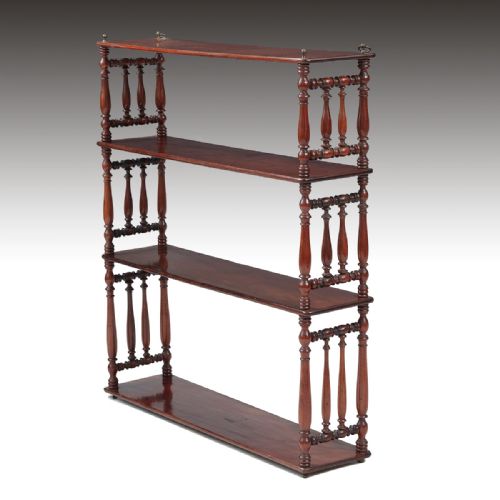
When you search for a hanging display shelf, you find wall-mounted storage pieces designed to hold books, plates, and small collections off the floor.
Hanging Display Shelf
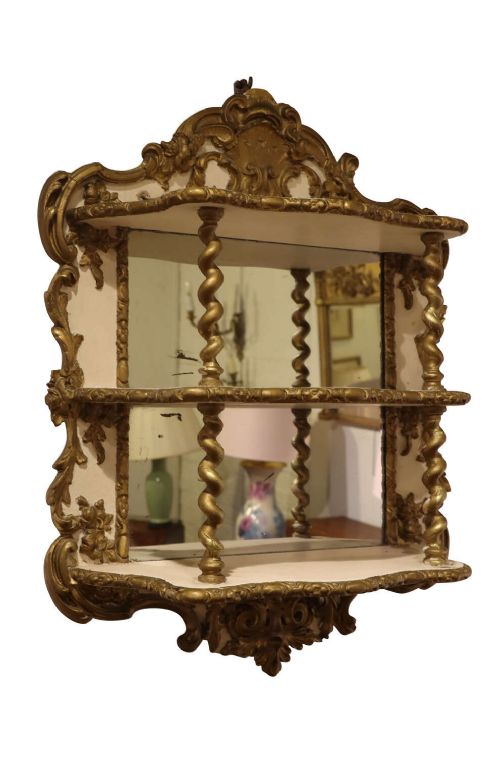
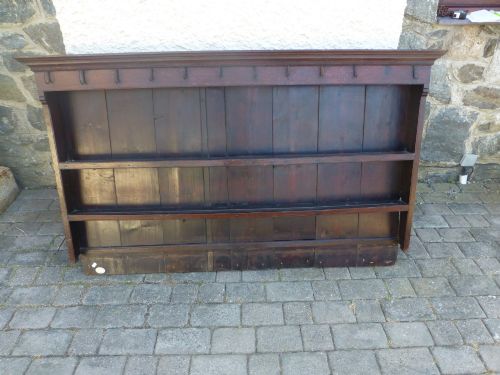
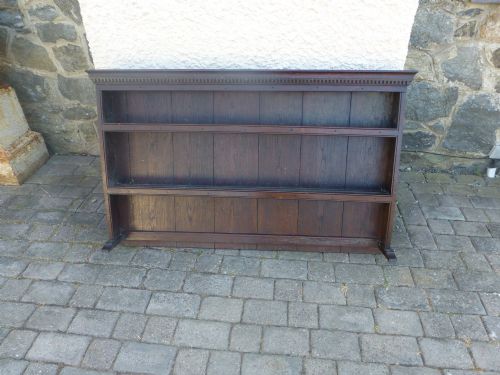
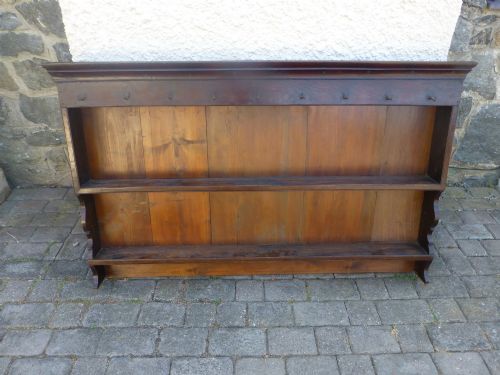
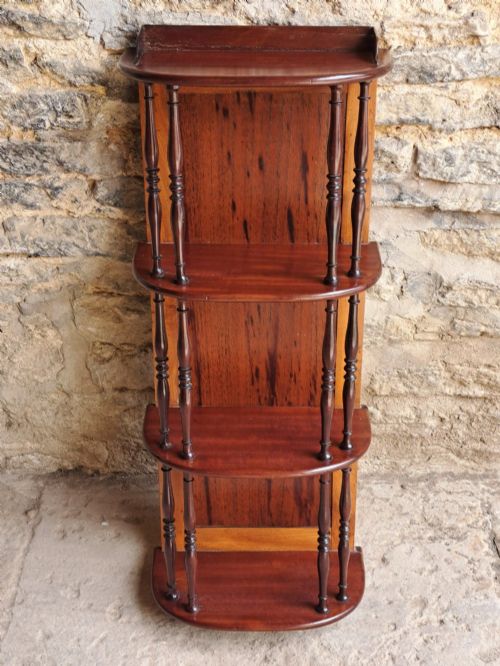
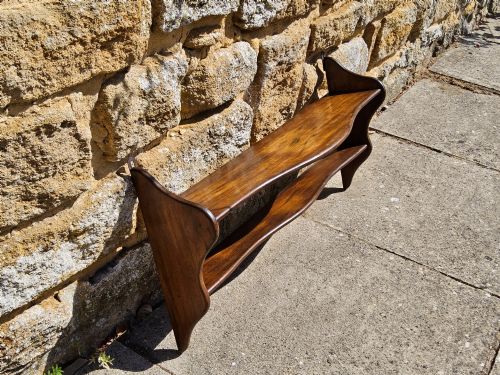
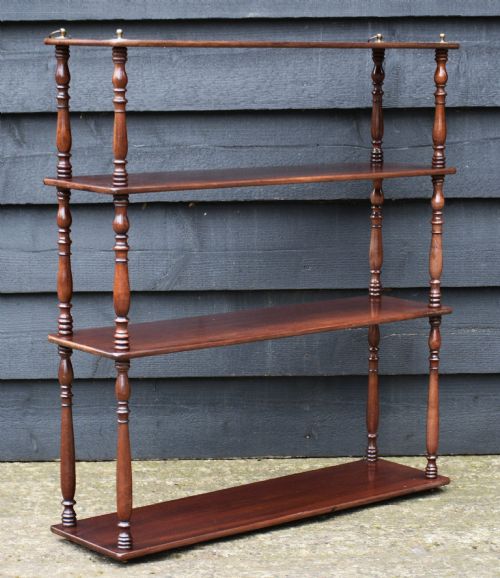
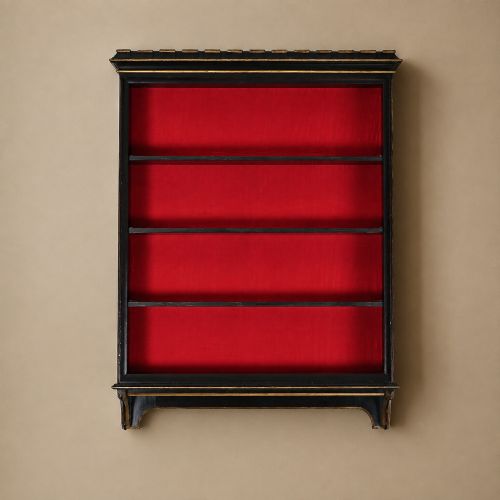
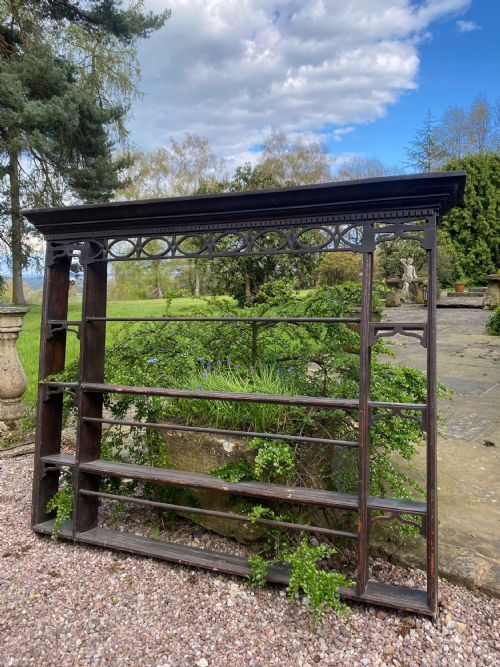
A hanging display shelf is a wall-mounted piece designed to hold books, plates, or ornaments in domestic spaces. The selection on this page includes wall shelves, plate racks, wall cabinets, corner shelves, and bookcases spanning several centuries.
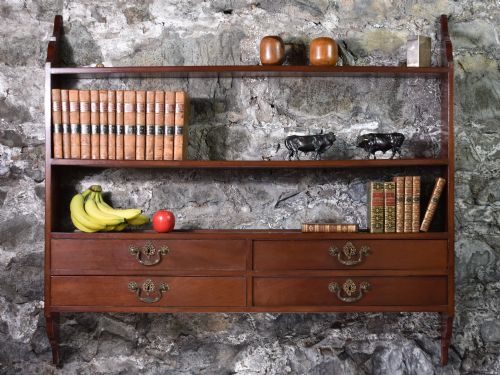
The most common examples you meet are nineteenth-century mahogany or oak pieces, alongside eighteenth-century formats such as delft plate racks. Formats range from simple open wall shelves to enclosed hanging cabinets and corner cupboards.
Makers and designers from various periods, including the Victorian era and the Aesthetic Movement, produced these shelves in woods like walnut, satin birch, and painted deal.
How they were made
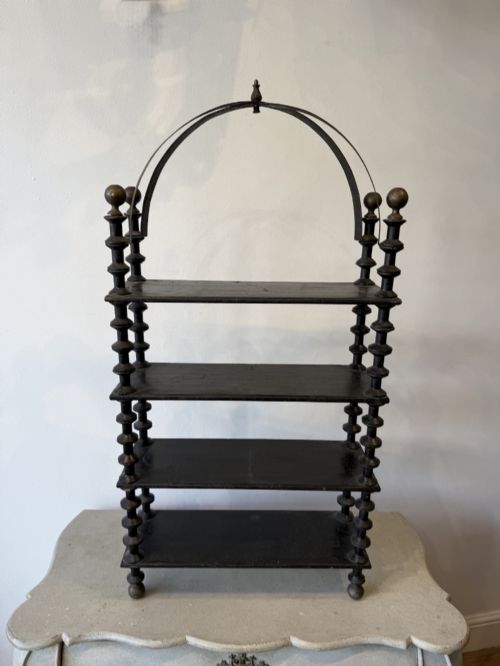
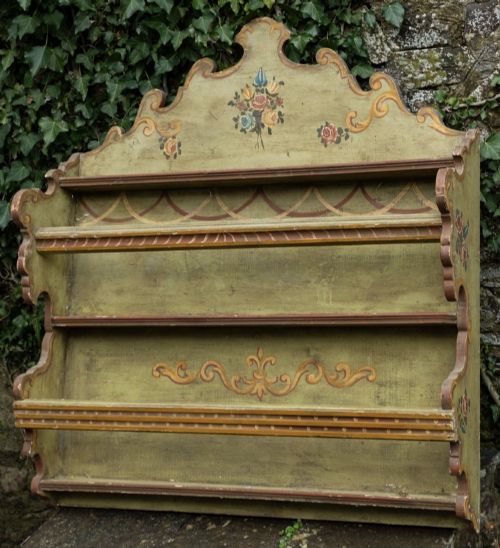
Cabinet makers utilised timbers such as mahogany, oak, walnut, and deal, often combining them with brass fittings, glass panels, and iron supports. Woods were left in their natural polished state, painted, ebonised, or inlaid with olive wood.
Construction methods relied on traditional joinery suitable for wall-mounted furniture, ensuring the weight of books and ceramics could be safely supported. Surface decoration included hand-painting, gilt touches, and intricate carving seen in Gothic Revival and French Rococo pieces.
Apple ladder display shelves remind us that even orchard equipment eventually finds a second career holding knick-knacks indoors.
What varies in quality
The distinction between standard and finer examples rests on the choice of timber and the sophistication of the joinery. Selected mahogany, figured walnut, and heavy brass hardware signal a higher standard of production.
Design ambition also separates pieces, as seen in items featuring specialised decorative treatments like hand-painting, ebonising, or specific stylistic movements such as the Aesthetic Movement and Victorian Gothic Revival.
George Edmund Street·John Moyr Smith
The Hanging Display Shelf Glossary
- Plate rack
- A wall-mounted shelving unit specifically designed with grooved bases or protective rails to display plates upright.
- Ebonised
- Wood treated with a chemical stain or finish to imitate expensive ebony.
- Aesthetic Movement
- A late nineteenth-century design style emphasising decorative arts and visual beauty over narrative function.
- Waterfall shelves
- Shelves that step outwards or downwards in a cascading tier formation.
- Delft
- Refers to traditional tin-glazed earthenware often displayed on eighteenth-century wall racks.
Hanging Display Shelf: Frequently Asked Questions
How do I hang a heavy wooden shelf safely?
Wall-mounted display shelves require secure fixing directly into wall studs or solid masonry using appropriate brackets and screws. Due to the weight of denser timbers like oak or mahogany combined with books and ceramics, professional installation is often recommended.
Ensure the hanging brackets or pre-drilled fixing points on the back of the cabinet are checked for stability before loading the shelves with objects.
What is the difference between a plate rack and a bookcase?
A plate rack typically incorporates narrow shelves with wooden lips or upright slats designed to hold plates and dishes safely at an angle. Bookcases feature deeper, flat shelves intended for storing books vertically.
Many antique wall-mounted pieces combine these functions or serve as general display cabinets for ornaments rather than strict library storage.
Which woods are most common in antique hanging shelves?
Mahogany and oak appear most frequently across eighteenth and nineteenth-century examples, providing strong structural support for wall mounting. Walnut and deal were also regularly utilised, alongside painted softwoods.
Finer decorative items sometimes feature exotic woods such as rosewood, satin birch, or inlaid olive wood.
How do I tell an 18th-century rack from a Victorian one?
Eighteenth-century examples frequently take the form of oak delft plate racks associated with kitchen or dining spaces. Victorian pieces often showcase darker ebonised finishes, Gothic revival carving, or mahogany display shelving intended for parlours.
Construction details and secondary woods inside cabinets also help confirm the period of manufacture.