





Vintage Wall Rack
These vintage wall rack pieces organise hallways and kitchens with timber and brass, offering practical storage grounded in period craftsmanship.
Vintage Wall Rack
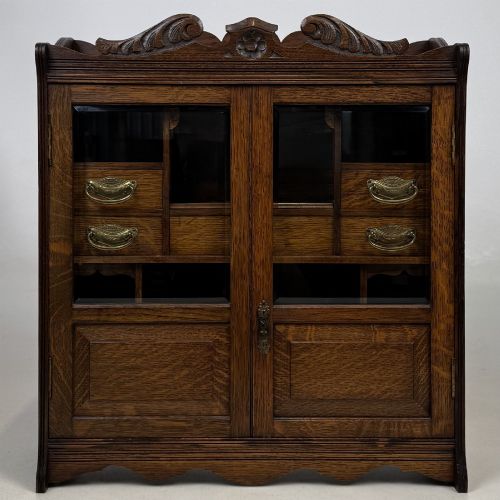
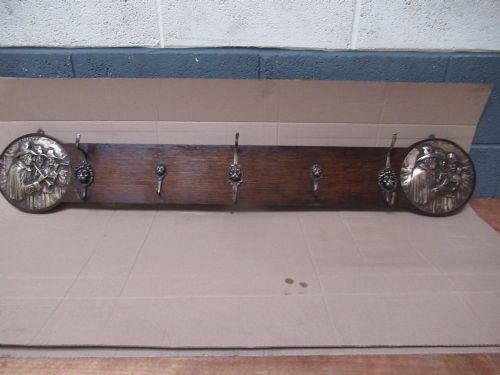
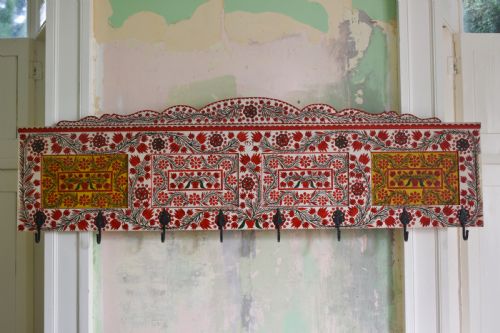
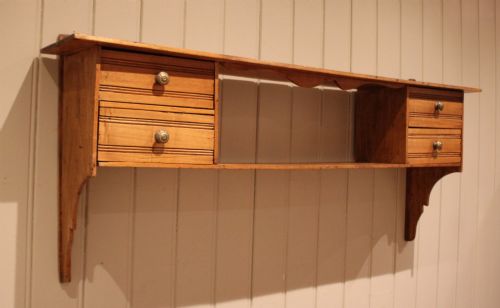
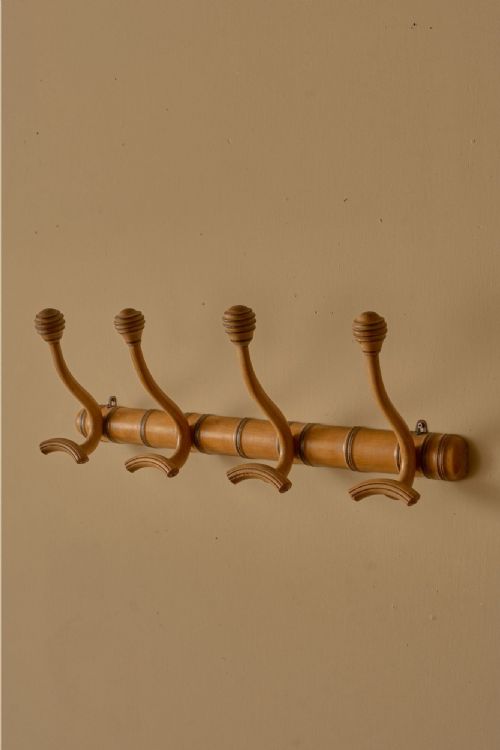
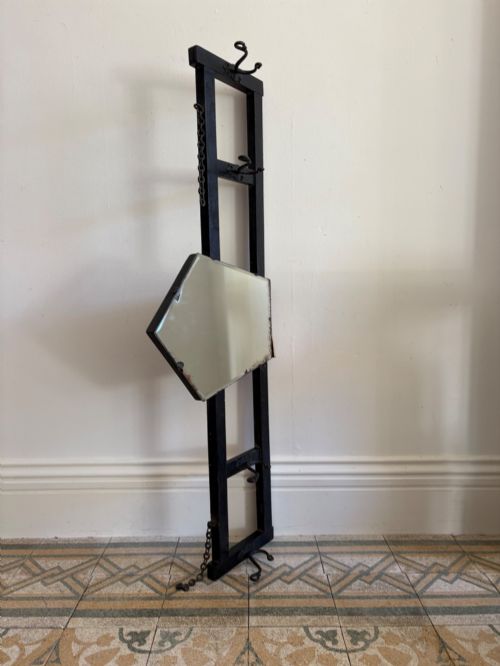
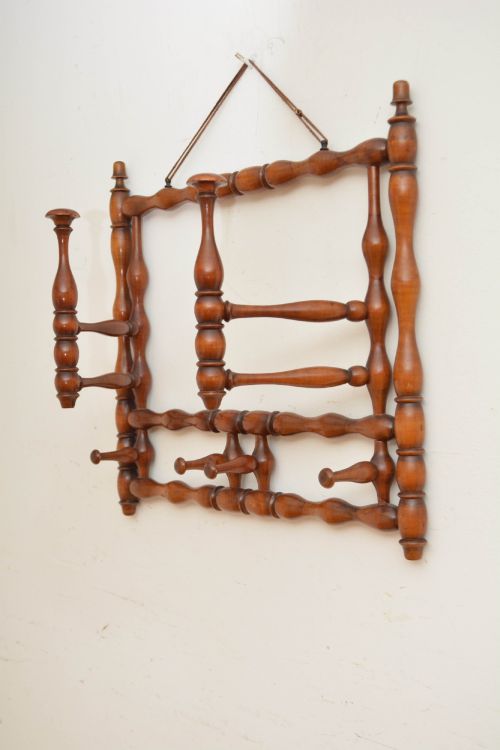
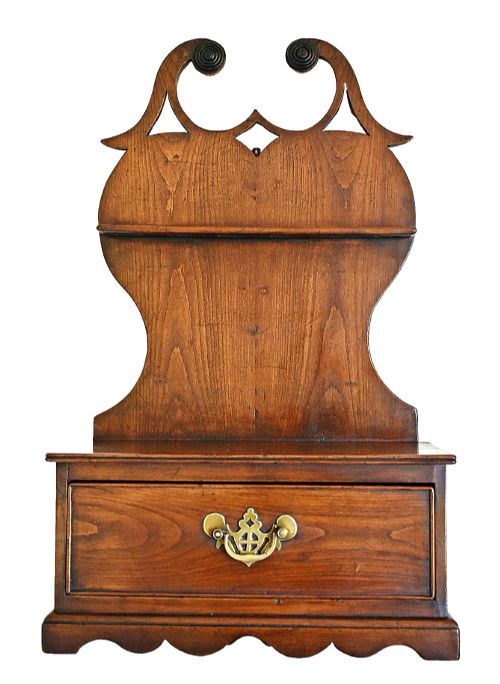
A vintage wall rack provides hanging and display storage across domestic spaces, taking the form of coat racks, plate racks, and wall shelves. The inventory spans straightforward pine and mahogany hanging shelves alongside elaborate brass-fitted coat hooks on solid oak backboards.
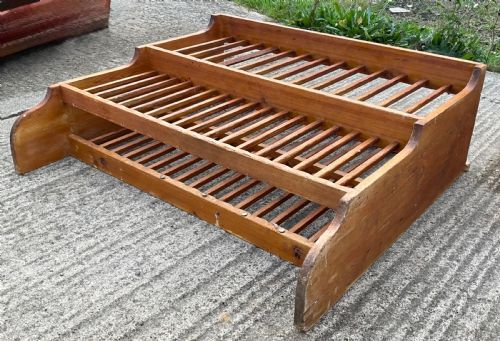
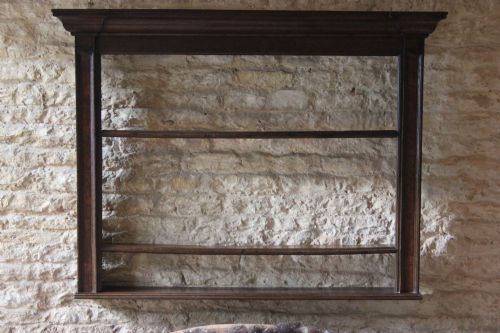
Buyers encounter period pieces ranging from 18th century oak delft plate racks to 19th century mahogany wall hanging shelves and early 20th century brass designs. Functional items such as pipe racks, game hook racks, and railway ticket cupboards also appear among the domestic forms.
Georgian and Victorian examples dominate the selection, bringing substantial timbers like walnut and oak into everyday utility. Edwardian and later 1920s pieces introduce painted finishes and lighter scaling suited to smaller rooms.
Materials and construction
Makers utilised solid native timbers, predominantly oak, pine, and mahogany, shaped into boards, shelves, and structural frames. Walnut and ebonised woods provide darker, more formal alternatives in Victorian and Georgian pieces.
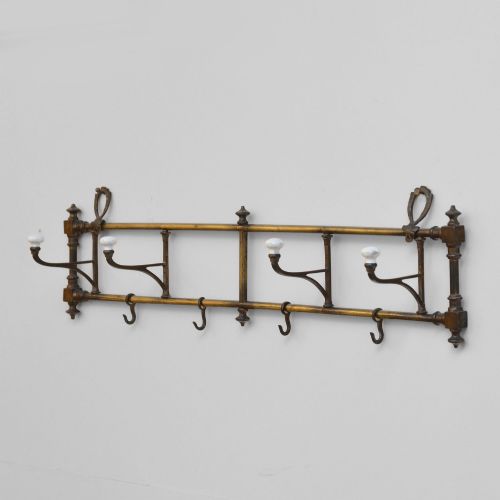
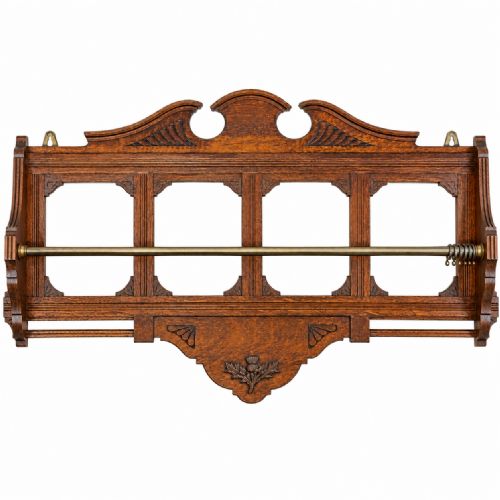
Metal elements are integral to the construction, with cast brass, iron, and ceramic incorporated into hooks, brackets, and hangers. Ceramic inserts frequently decorate coat hooks, while brass rods and mounting plates secure structural stability.
Vintage Wall Rack Retail Price Guide 2026
Typical asking prices for vintage wall rack among the pieces listed under this phrase on Sellingantiques today, from the lower quarter to the upper quarter. They describe what is for sale here now, not the wider market.
Object types include coat racks, wall shelves, plate racks, bookcases, and wall cabinets.
Evaluating standard and design
The distinction between tiers rests upon the choice of timber and the integration of decorative details such as hand-painted surfaces, twisted rope mouldings, or fine brass fittings. Heavier hardwoods like mahogany and figured walnut denote more ambitious commission work.
Construction methods reveal the maker's hand, where substantial backboards, dovetail joints, and robust original brass or ceramic hooks separate utilitarian items from decorative hall furniture. Surviving original paintwork and unblemished structural integrity elevate the piece.
The Vintage Wall Rack Glossary
- Delft plate rack
- A kitchen wall rack specifically designed with vertical slats or rungs to display ceramic plates upright. These oak fixtures date largely to the 18th century.
- Pipe rack
- A wall-mounted wooden frame fitted with small notches and holes intended for holding smoking pipes. They frequently incorporate shelving or small cupboards.
- Ebonised
- Wood finished with a black stain or lacquer to imitate ebony. This treatment appears frequently on Victorian oak backboards.
- Game hook rack
- A functional timber bar set with heavy metal hooks used in country house larders for hanging game. These utilitarian items date from the 18th and 19th centuries.
Vintage Wall Rack: Frequently Asked Questions
How do I hang a heavy oak rack safely?
Heavy timber racks require direct fixing into wall studs or solid masonry using appropriate screws and rawlplugs. The weight of oak and mahogany demands secure load-bearing support.
Distribute fixings evenly across the backboard to prevent warping over time, particularly when the rack holds heavy coats or kitchenware.
What rooms suit a plate rack best?
Kitchens and dining rooms provide the traditional setting for plate racks, displaying ceramic tableware while keeping surfaces clear. The open shelving offers immediate access to everyday items.
Ensure wall space allows for the depth of the plates and check that fixings clear any existing wall tiles or panelling.
Are brass hooks original to 19th century racks?
Many Victorian and Edwardian racks retain their original cast brass and ceramic-centred hooks, often secured with slotted brass screws. Patination on the metal surface indicates age.
Matched sets of hooks mounted on pine or oak backboards reflect the standard workshop practices of the period.
How do I clean antique polished mahogany?
Dust mahogany surfaces regularly with a soft, dry cloth to prevent dirt accumulation. Avoid modern silicone sprays that can damage the underlying polish.
Apply a traditional beeswax sparingly to nourish the timber and maintain the natural sheen of 19th century finishes.