


Antique Coat Hooks
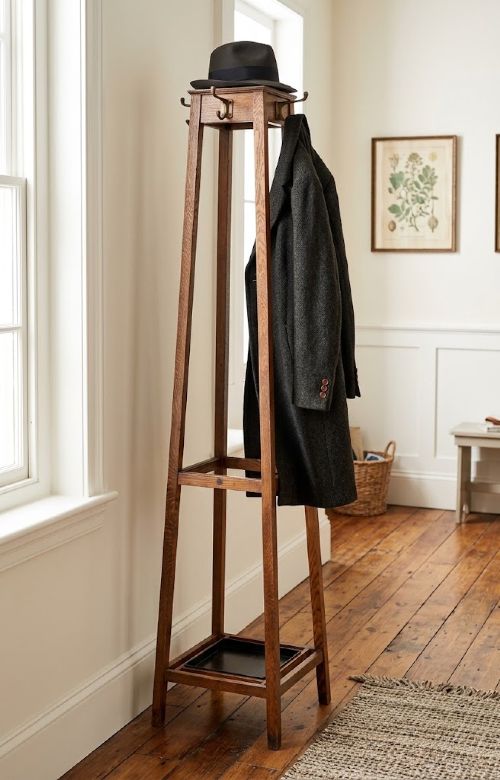
These antique coat hooks range from simple wall-mounted brass brackets to large oak hall stands designed for heavy daily use.
Antique Coat Hooks
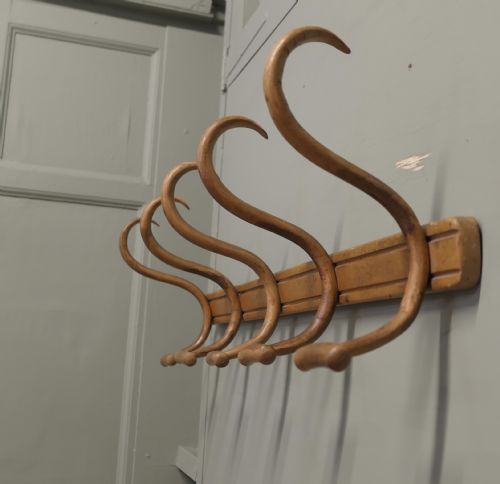
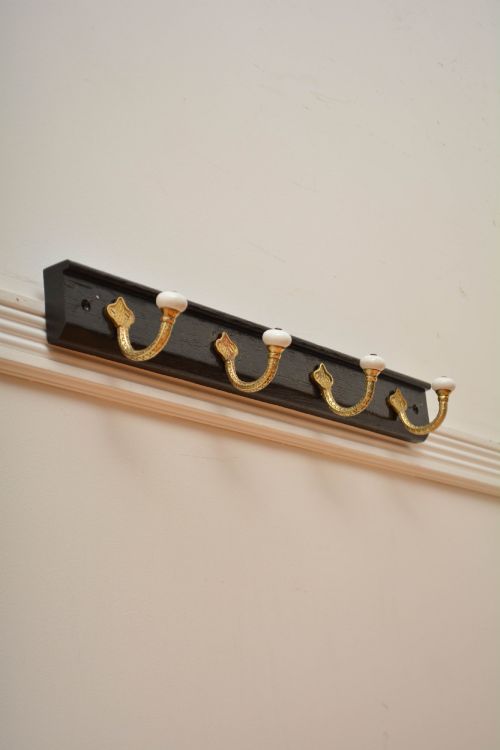
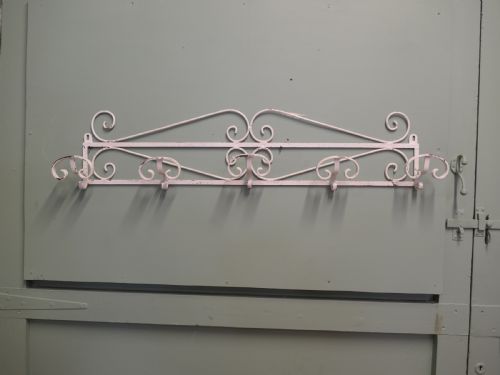
Antique coat hooks appear primarily as wall-mounted rails fitted with brass, iron or ceramic fixtures, alongside larger freestanding hall stands and coat racks. The selection spans the Victorian and Edwardian periods into the early twentieth century, showing a clear preference for functional domestic hardware made from timber and metal.
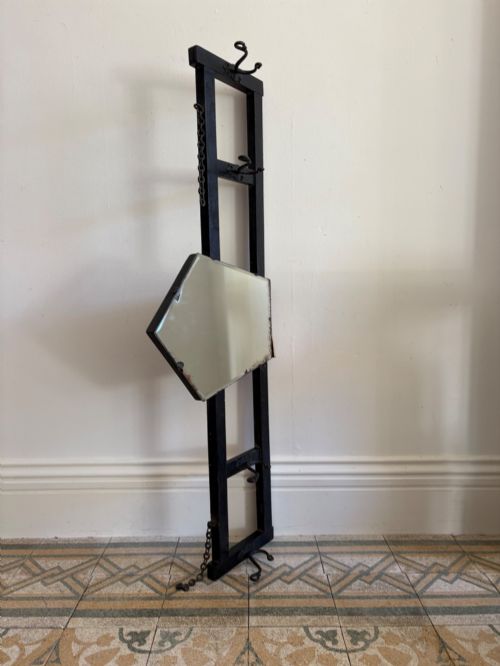
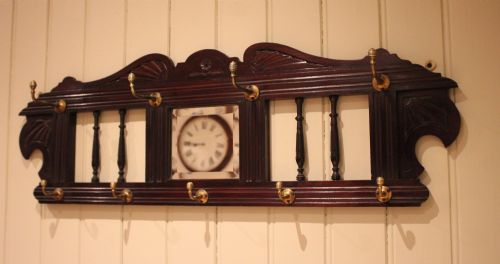
Buyers meet wall-mounted boards in pine, oak and mahogany alongside more elaborate items incorporating mirrors, umbrella stands and hat shelves. These forms reflect the needs of period hallways, cloakrooms and reception spaces where outdoor garments required sturdy hanging storage.
How they were made
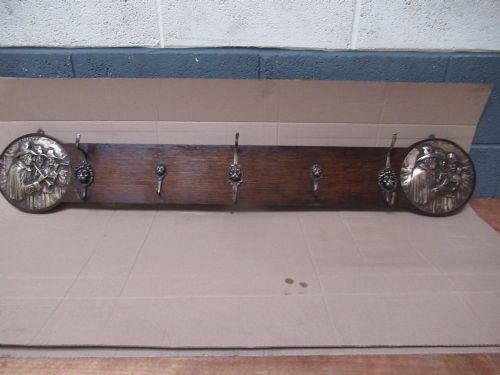
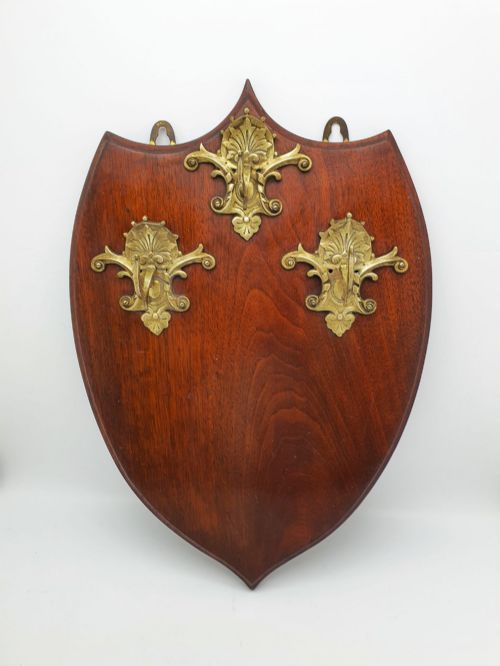
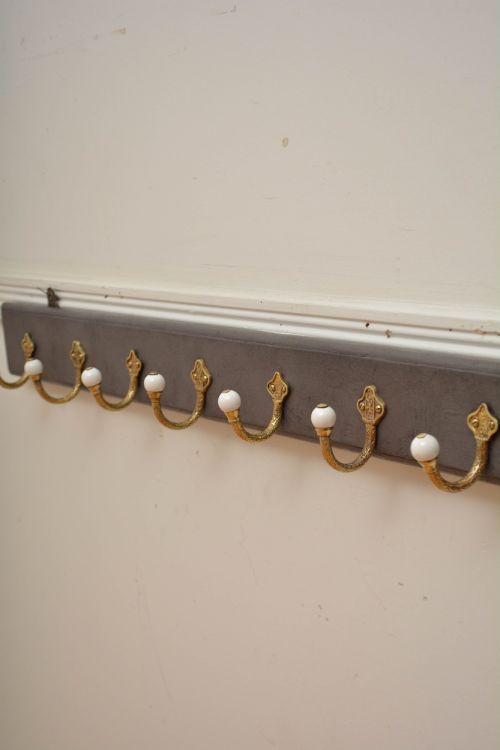
Construction relies heavily on solid hardwoods such as oak, walnut and mahogany, often paired with cast brass, iron or ceramic hooks. Backboards are frequently shaped, ebonised or carved to complement the metalwork mounted upon them.
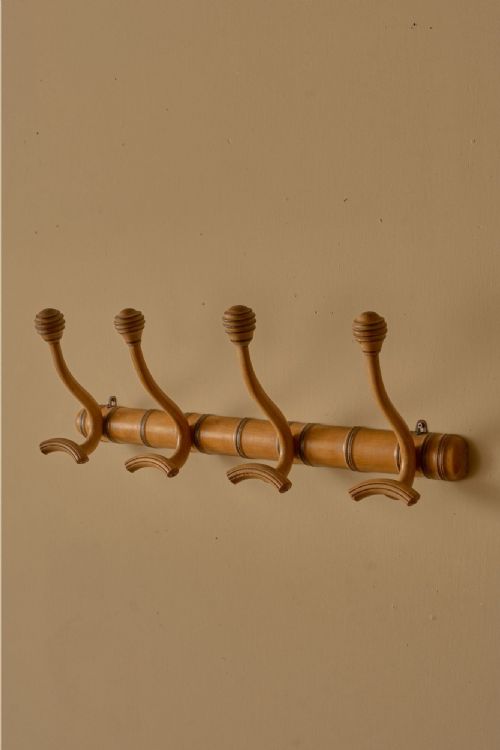
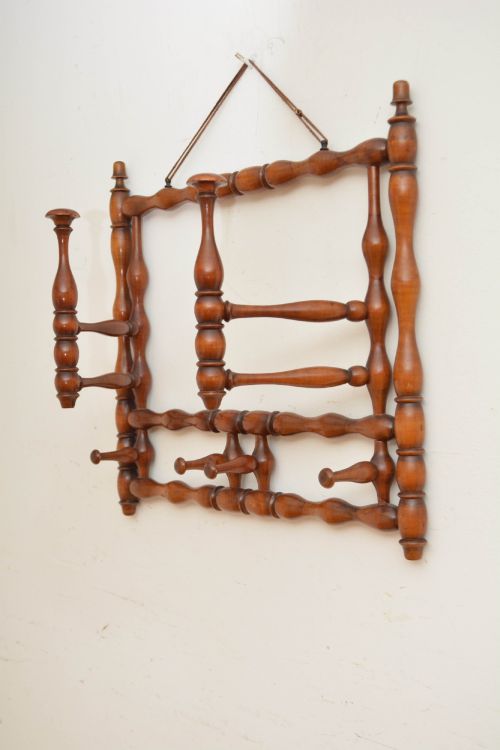
Metal components utilise casting techniques for decorative plates and hooks, while wooden frames employ traditional joinery. Details like twisted rope carving, applied faux bamboo and taxidermy elements demonstrate specific period craftsmanship.
Antique Coat Hooks Retail Price Guide 2026
Typical asking prices for coat hooks among the pieces listed under this phrase on Sellingantiques today, from the lower quarter to the upper quarter. They describe what is for sale here now, not the wider market.
Stags' horns, horse busts and carved gnomes peer out from the hallway, reminding visitors that Victorians enjoyed a touch of wildlife with their outerwear.
What varies in quality
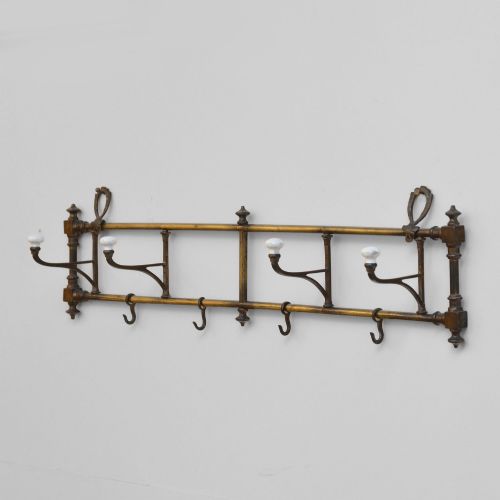
The degree of artistic ambition in the design also differentiates pieces, moving from utilitarian hallway fittings to sculptural Black Forest carvings and Aesthetic Movement brasswork.
Jas. Shoolbred
The Antique Coat Hooks Glossary
- Hall stand
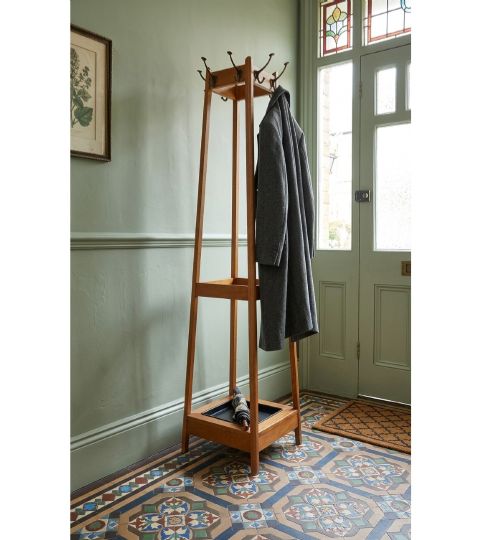
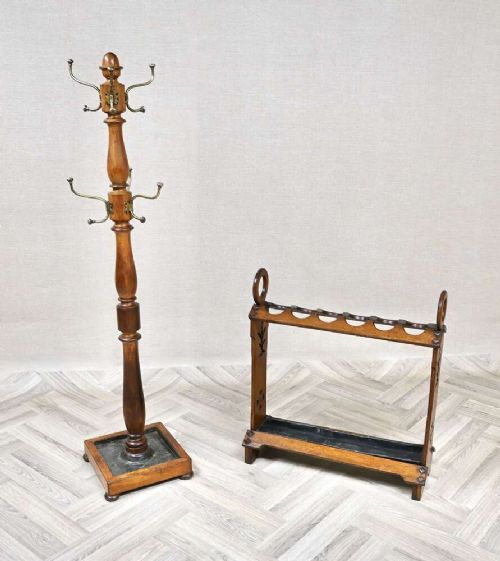
- A freestanding piece of furniture combining a coat rack, mirror, umbrella stand and sometimes a small glove drawer. It served as a central fixture in a period hallway.
- Organ stop
- A style of wooden or ceramic hook resembling the cylindrical draw stops found on pipe organs. They offer a smooth, rounded surface for garments.
- Black Forest
- A regional style of wood carving originating in Switzerland and Germany, characterised by naturalistic motifs including animals, foliage and figures. Pieces often use walnut or limewood.
- Aesthetic Movement
- A late nineteenth-century design style that emphasised visual beauty over narrative function. Items from this movement often feature refined brass mounts and ebonised timber.
Antique Coat Hooks: Frequently Asked Questions
How do I hang heavy winter coats safely?
Wall-mounted racks require secure fixing into solid masonry or direct wall studs to support the weight of heavy woollen garments. Using appropriate screws matched to the mounting holes ensures the backboard stays firm under daily loads.
Distributing heavier items evenly across the available hooks prevents undue strain on the end brackets and keeps the timber stable against the wall.
Were these racks meant for hallways or bedrooms?
Most mounted coat rails and hall stands were designed for the main entrance hall or cloakroom of a period home. They provided immediate hanging space for hats, coats and umbrellas upon entering the house.
Smaller variants also served in reception rooms, offices and kitchens for specific hanging duties, as seen with specialised game hooks and equestrian tack racks.
How do I clean old brass and ceramic hooks?
Dust accumulates naturally in the recesses of cast brass plates and around ceramic inserts over decades of use. Gentle dusting with a soft cloth preserves the existing surface character without removing the aged patina.
Harsh metal polishes should be avoided on antique brass because they strip away the dark oxidation that develops with age. Keeping the timber clean with appropriate wax maintains the overall condition of the backboard.
What indicates a Victorian piece?
Victorian coat hooks often feature substantial cast brass components mounted on solid oak, pine or ebonised backboards. Stylistic details frequently include ceramic central bosses, heavy mouldings and robust proportions suited to busy household entryways.
Later Edwardian and Art Deco examples tend toward lighter woods, streamlined metal shields or painted finishes that reflect changing domestic tastes.