

Vintage Hat Rack
These vintage hat rack pieces bring enduring utility and period character to hallways, combining brass, beech, and oak for everyday hanging.
What vintage hat rack pieces are
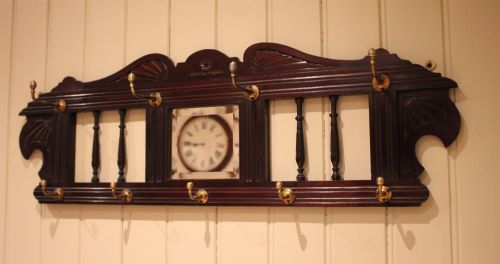
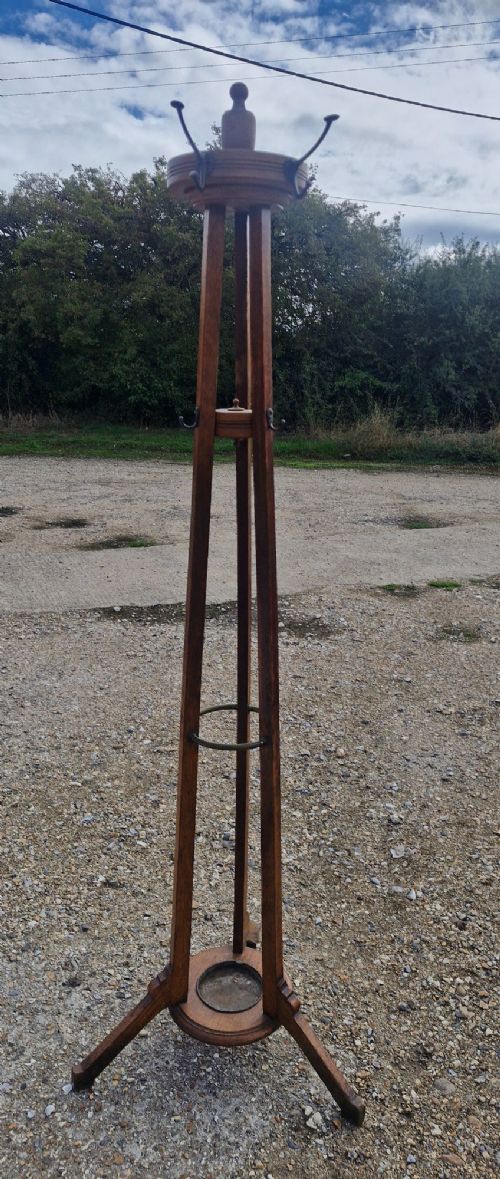
A vintage hat rack encompasses wall-mounted hooks and standing halls stands designed for garments and headwear. These items emerge from periods spanning Victorian times through to the Art Deco era.
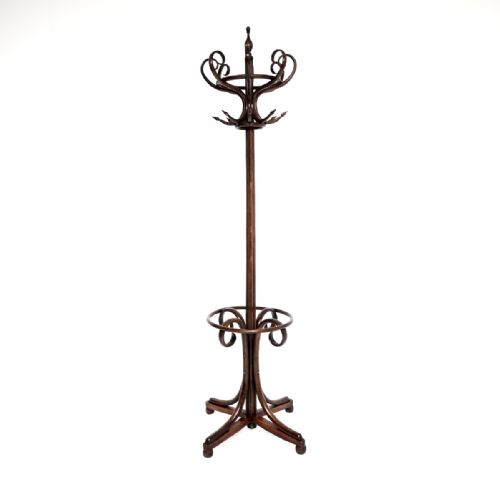
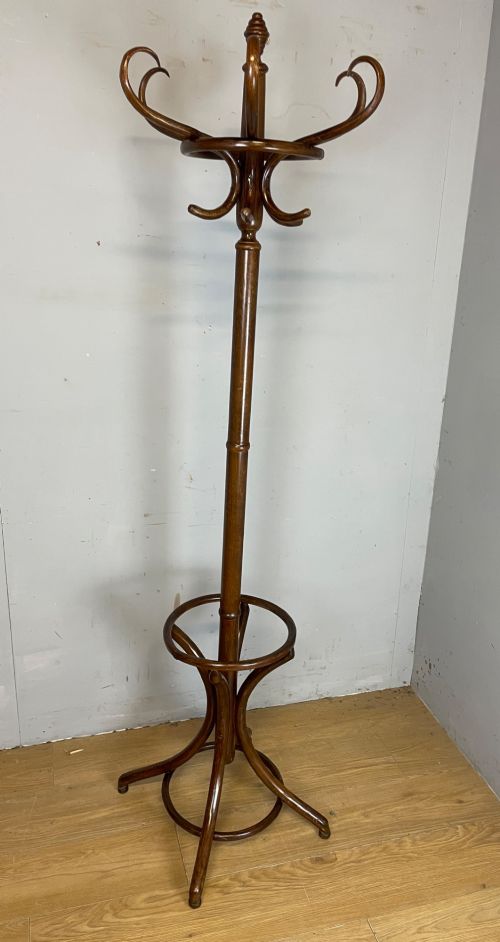
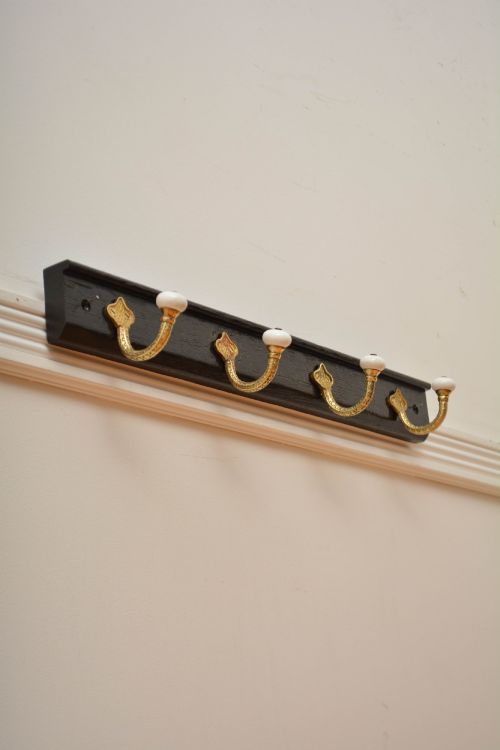
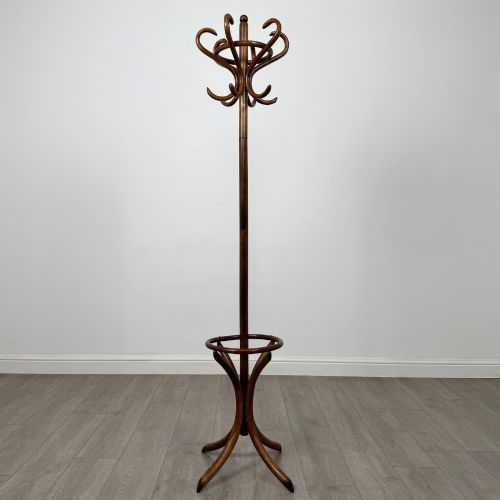
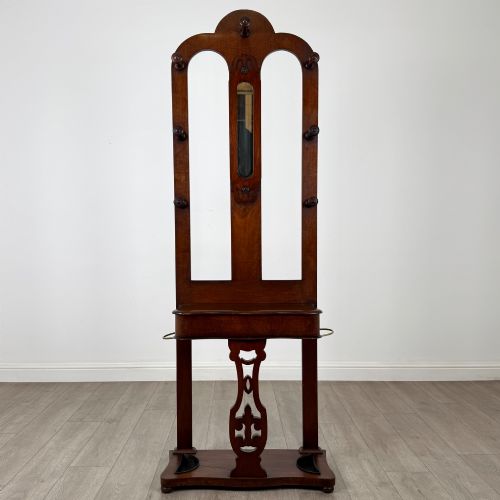
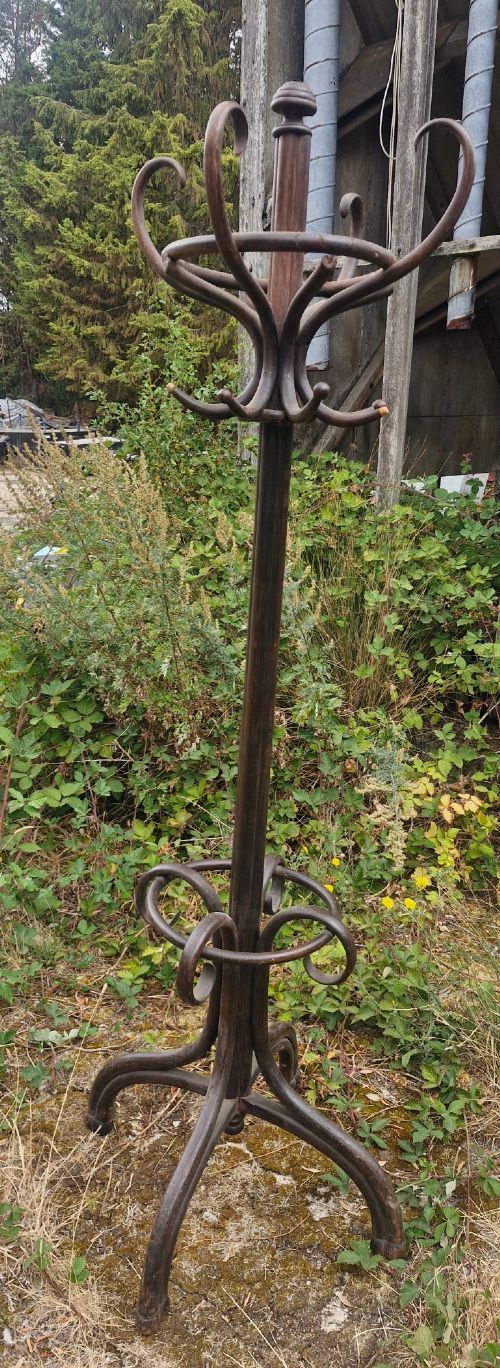
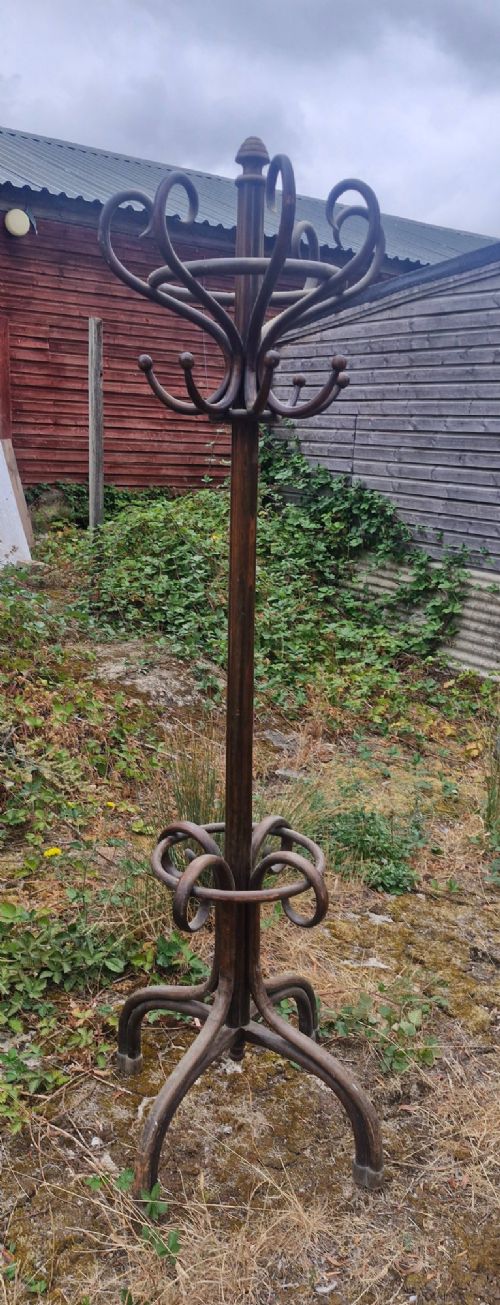
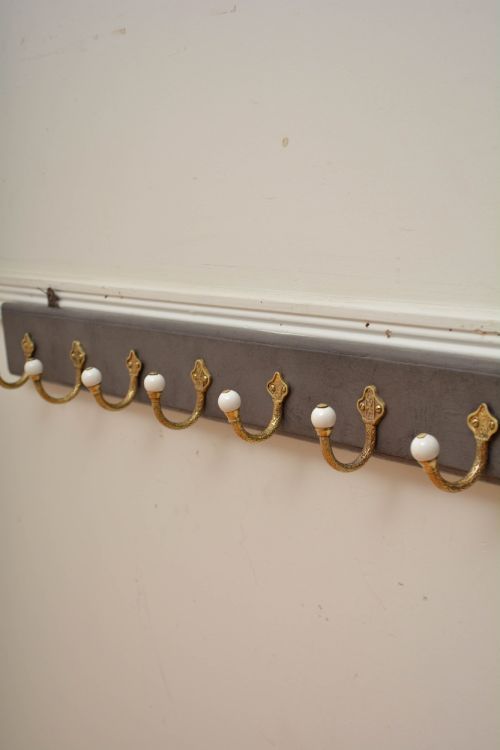
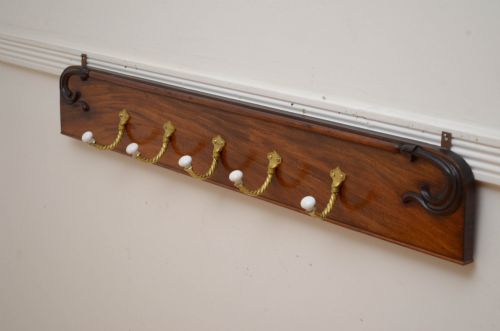
Buyers frequently encounter wall-mounted strips featuring brass and ceramic hooks set upon ebonised solid oak or turned wood. Larger floor-standing examples include half round bentwood designs reminiscent of Thonet manufacture.
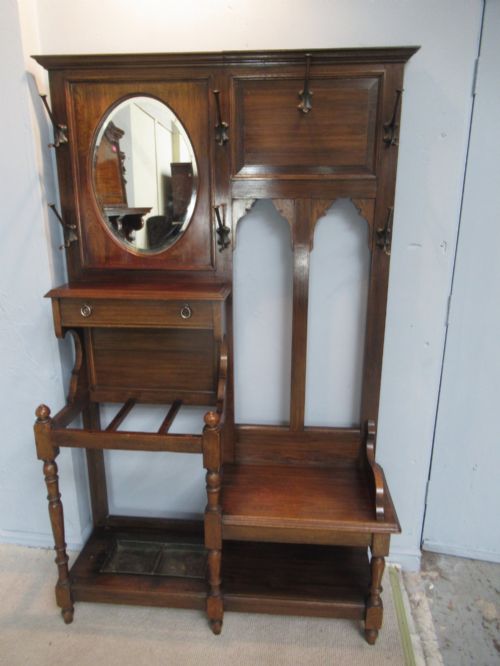
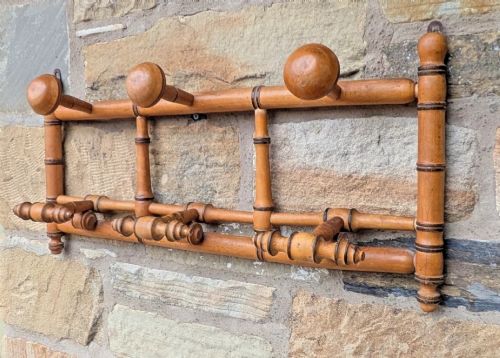
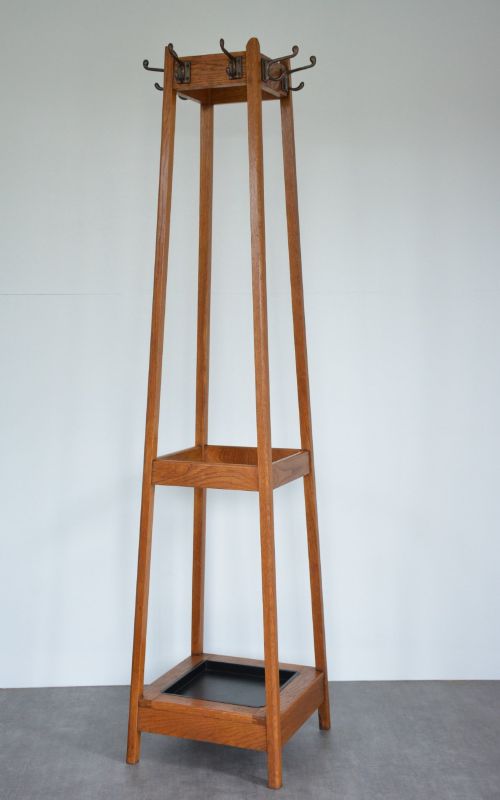
The selection ranges from French faux bamboo coat hangers to turn-of-the-century coat and hat combinations. Each configuration serves the practical requirement of organising outdoor attire within an entranceway.
How they were made
Construction relies heavily upon solid woods including beech, ebonised oak, and steamed beechwood shaped through specialised bending techniques. Wood stains provide surface finishes while retaining the natural grain underneath.
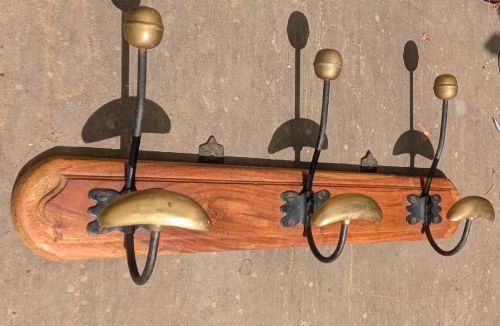
Metal components utilise brass and nickel plating to form durable hooks and mounts capable of supporting heavy garments. Ceramic elements are frequently incorporated into the hook designs for decorative contrast.
Makers employed traditional joining methods alongside steam bending for curved sections such as those seen on bentwood stands. Surface treatments range from polished metal to dark ebonisation.
Retail Price Guide 2026
Typical UK retail prices for vintage hat rack, calculated from the Sellingantiques database of over a million retail prices indexed since 2003. This retail price guide relies exclusively on Sellingantiques data; no external sources or auction records are used, so the figures do not describe the wider market.
Early twentieth-century makers even bent beechwood into looped umbrella rings so soggy brollies wouldn't ruin the parquet.
What varies in quality
Quality rests in the substantial nature of the timber frame and the finish applied to the wood. Solid oak and heavy beech foundations offer greater permanence than lighter alternatives.
The refinement of metal components, such as cast brass or nickel-plated hooks, distinguishes superior examples. Intricate turning on wooden mounts and the inclusion of original ceramic details elevate the standard of the piece.
The Vintage Hat Rack Glossary
- Bentwood
- Wood that has been heated with steam and bent into curved shapes. This technique defines the airy frames of tall stands.
- Ebonised
- Timber treated to resemble ebony through staining or finishing. It provides a dark, formal appearance common on Victorian hook boards.
- Faux bamboo
- Carved or moulded decoration imitating natural bamboo stalks. This style appears on French hanging pieces from the early twentieth century.
- Nickel plated
- Metal coated with a thin layer of nickel to prevent corrosion. This finish offers a bright, industrial sheen seen on later items.
Frequently Asked Questions
Where should a wall rack be hung?
Mount these pieces securely to wall studs or masonry within a hallway or entrance lobby where coats and hats are readily accessible upon entry.
Ensure the height accommodates longer garments while leaving sufficient clearance above skirting boards.
How do I clean bentwood?
Dust wooden surfaces gently with a dry or slightly damp cloth to preserve the original polish and grain. Avoid harsh chemical cleaners that might strip historical wood stains.
Dry the material thoroughly after cleaning to protect steam-bent joints from moisture damage.
Are these items suitable for heavy coats?
Solid oak and heavy beech frameworks support substantial winter wear when properly anchored to structural walls. Floor-standing designs distribute weight across a wider base.
Check the fixing points and hook mountings to ensure stability before loading multiple heavy garments onto the structure.
How do I identify Victorian pieces?
Victorian examples often feature ebonised solid oak paired with decorative brass and ceramic components. The joinery and ornamentation reflect nineteenth-century domestic design priorities.
Turn-of-the-century production also introduces early bentwood techniques alongside traditional hardwood mounting boards.