



Wooden Coat Tree
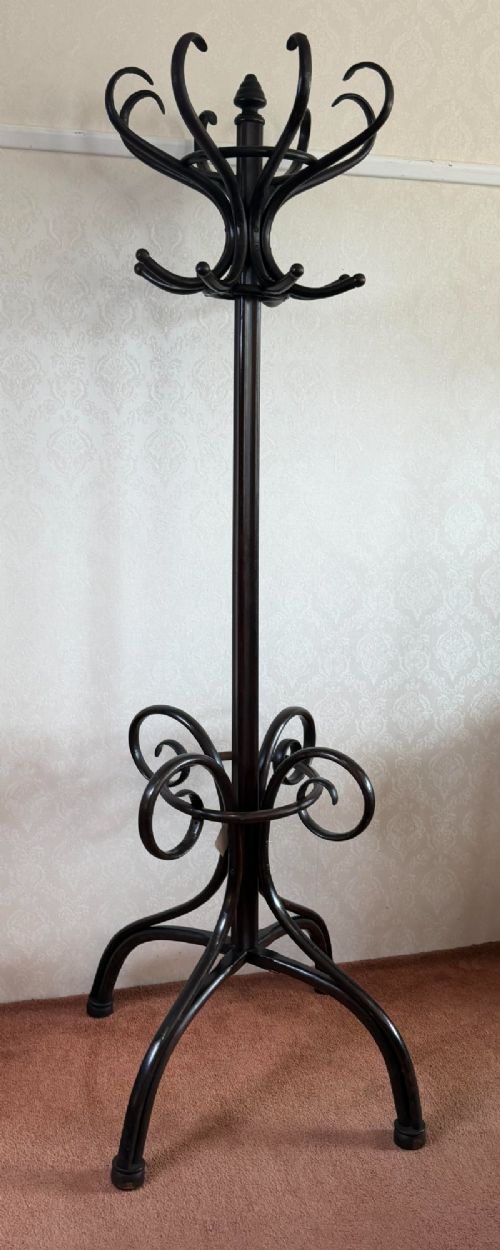
A wooden coat tree brings practical utility and architectural form to an entrance hall, providing organised storage for hats, coats, and sticks.
Wooden Coat Tree
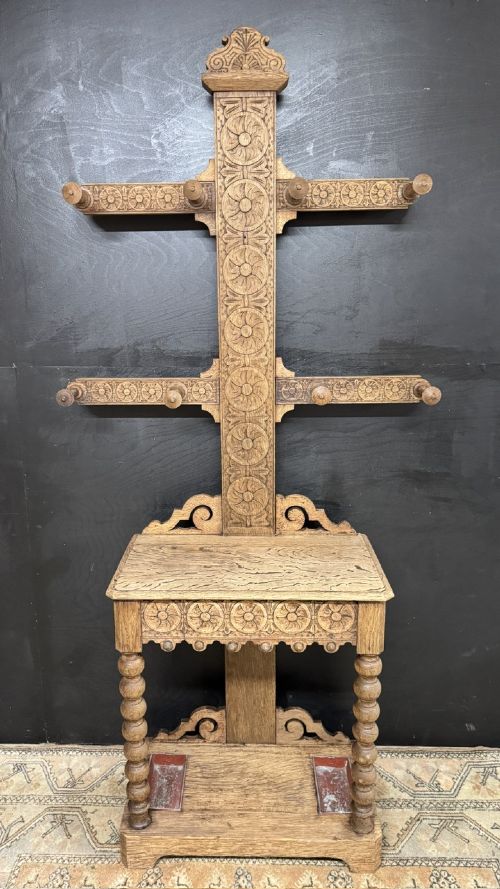
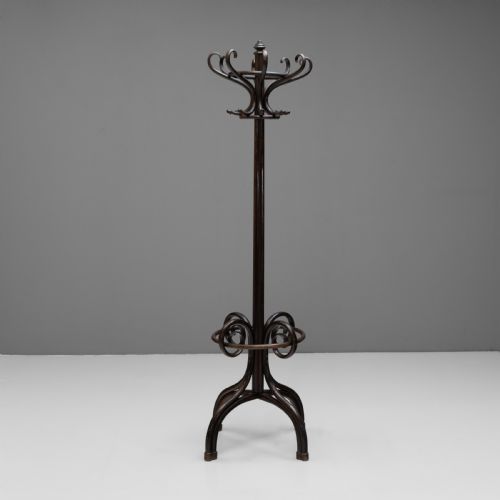
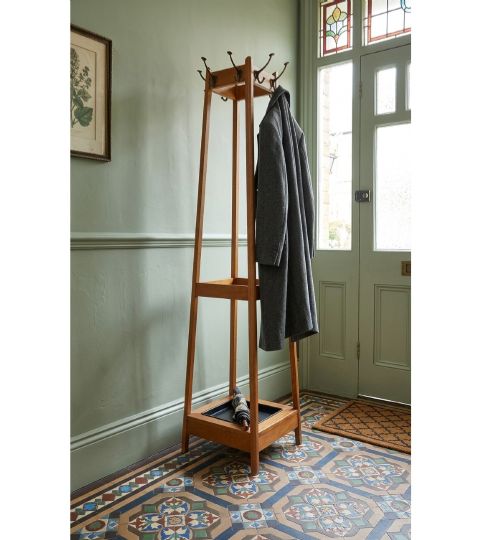
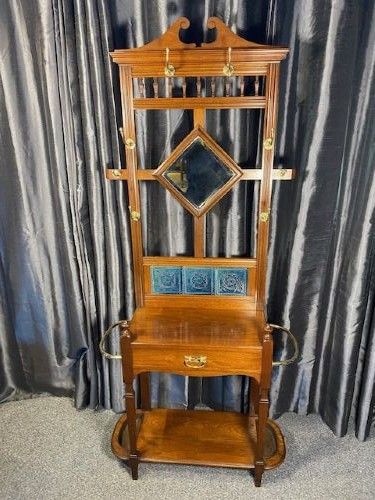
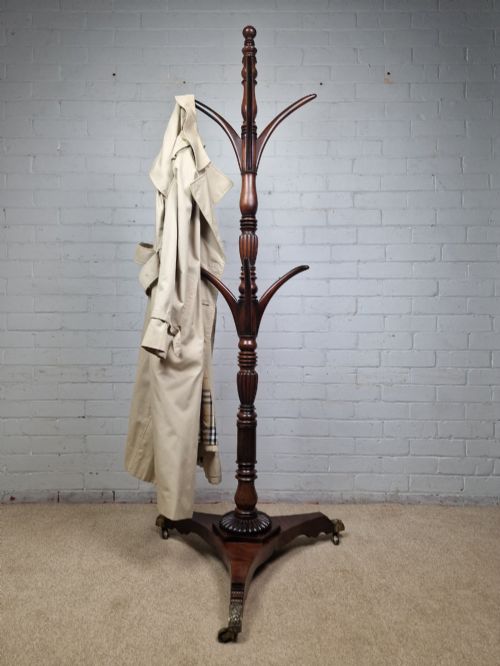
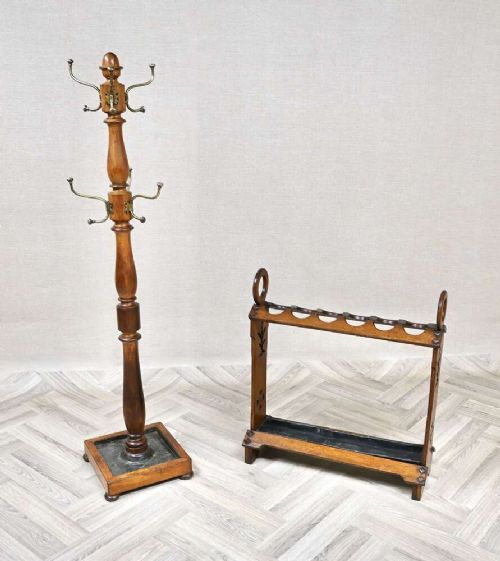
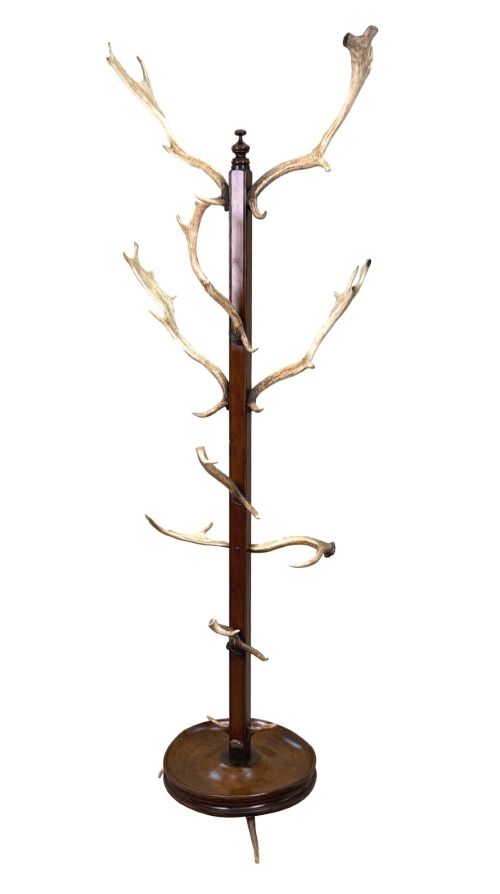
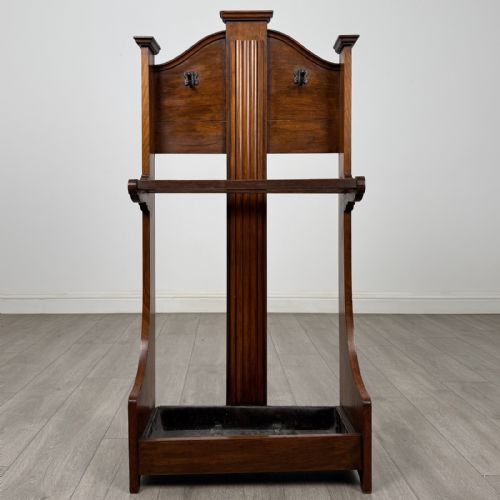
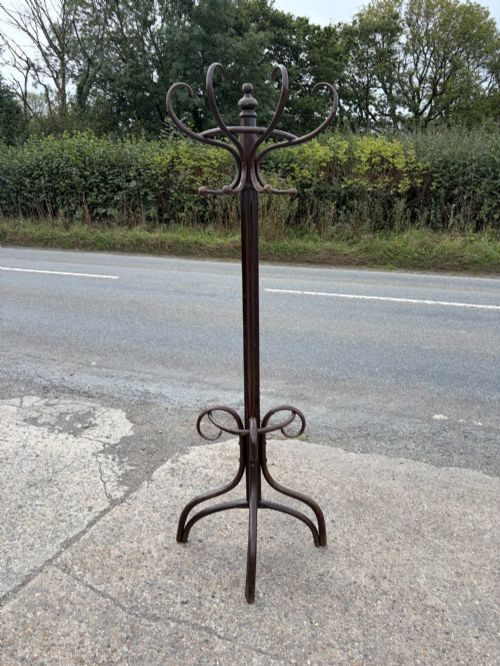
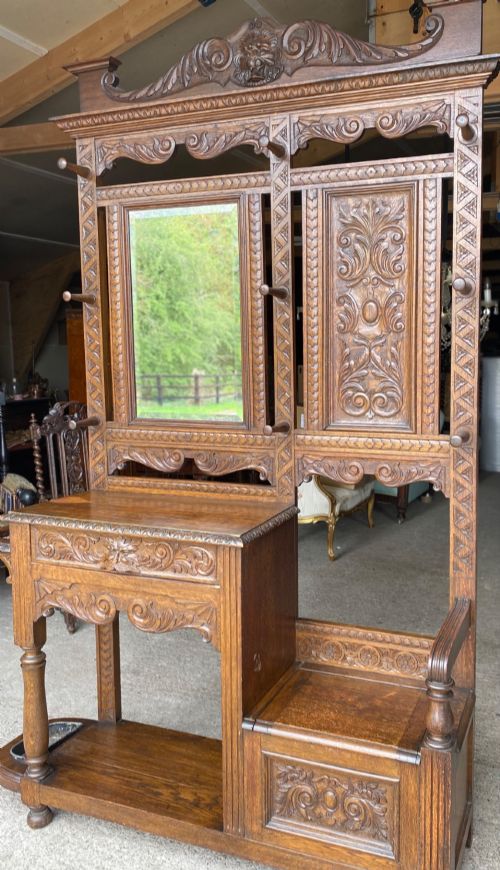
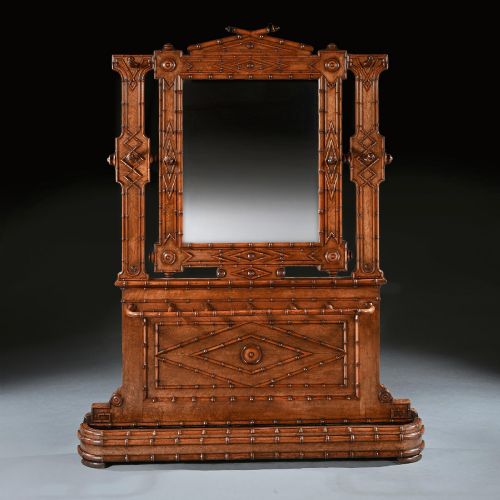
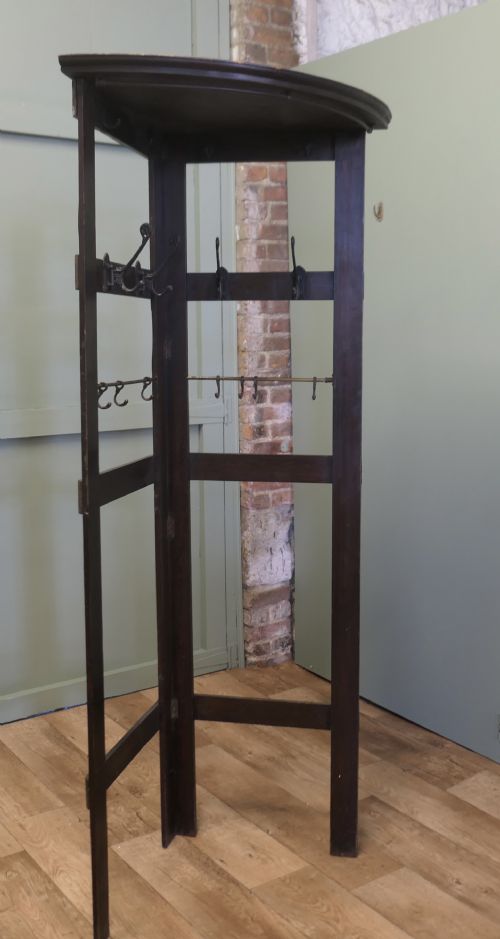
A wooden coat tree functions as a vertical storage piece for outerwear in hallways and vestibules. When looking at a wooden coat tree, buyers encounter freestanding upright poles with branching hooks, as well as more substantial hall stands combining seating, umbrella holders, and drip trays.
The selections span periods from the Victorian era and the Edwardian period through to the 1930s, alongside pieces attributed to the Arts and Crafts movement and the Aesthetic Period. Oak and beechwood form the backbone of the heavy upright designs, while specialised variations utilise walnut, mahogany, and maple.
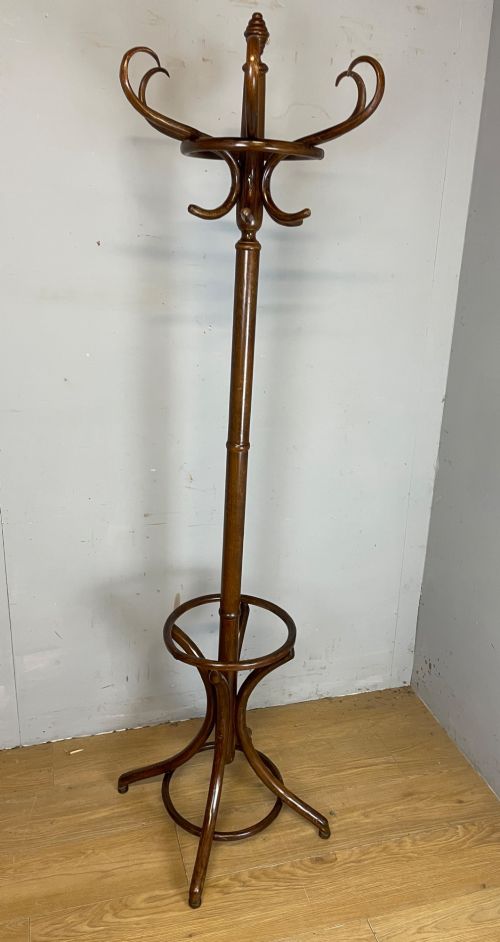
Many examples incorporate bentwood manufacturing techniques associated with Thonet, creating graceful curving structures designed to hold garments without creasing fabric. Other variants take the form of wall-mounted racks featuring brass or metal hooks for tighter spaces.
Materials and construction methods
Construction relies heavily on solid oak, beech, and beechwood, chosen for their structural rigidity when bearing the weight of heavy winter garments. Bentwood techniques involve steaming timber until pliable, then bending the wood into curved forms for hooks and frames.
Joinery techniques include pegged joints, carved detailing, and steam-bent components secured to central upright pillars. Metal and brass elements appear frequently as coat hooks, umbrella rings, and bottom drip trays designed to catch moisture from wet walking sticks.
Wooden Coat Tree Retail Price Guide 2026
Typical asking prices for wooden coat tree among the pieces listed under this phrase on Sellingantiques today, from the lower quarter to the upper quarter. They describe what is for sale here now, not the wider market.
The listings demonstrate that bentwood designs and solid oak constructions dominate the available forms.
Factors determining quality
Quality rests in the structural integrity of the central column and the stability of the base. Heavy, well-balanced bases prevent the stand from tipping under an uneven load of heavy coats and hats.
The refinement of the woodwork distinguishes standard production items from finer craftsmanship. Clean steam-bent curves, integrated drip trays, carved details, and original brass hardware elevate the standard of an individual piece.
Thonet·Astrola·Jas. Shoolbred
The Wooden Coat Tree Glossary
- Bentwood
- Wood that has been heated with steam and bent into curved shapes. This technique creates lightweight yet strong frames without traditional joinery.
- Hall stand
- A multi-functional piece of furniture placed in an entrance hallway. It typically combines coat hooks, a mirror, umbrella holders, and sometimes a bench seat.
- Drip tray
- A metal receptacle placed at the base of a stand to catch water from wet umbrellas and walking sticks. It protects the surrounding wooden floorboards from moisture damage.
- Aesthetic Movement
- A late nineteenth-century design style that emphasised visual beauty over narrative or moral themes. Pieces from this period often integrated artistic Japonisme influences.
- Arts and Crafts
- A design movement valuing traditional craftsmanship and simple forms. Furniture from this tradition highlights visible construction methods and solid oak or walnut timbers.
Wooden Coat Tree: Frequently Asked Questions
How do I stabilise a top-heavy coat tree?
Ensure heavier coats are distributed evenly around the opposing hooks to maintain balance across the central pillar.
Placing heavier items lower down on the stand or positioning the base on level flooring prevents accidental tipping.
Were these pieces used in domestic homes?
These items served as the primary storage solution for outerwear in the entrance halls of Victorian and Edwardian residences.
Visitors and residents placed hats, coats, scarves, and walking sticks upon them immediately upon entering the house.
How do I maintain the wooden finish?
Dust the surfaces regularly with a dry cloth and apply a traditional beeswax polish occasionally to nourish the timber.
Avoid placing damp items directly onto unsealed wood surfaces to prevent water marks from forming on the grain.
What is the difference between a coat tree and a hall stand?
A coat tree primarily consists of a vertical pole with projecting wooden hooks for hanging garments and hats.
A hall stand is a larger, more architectural piece that incorporates umbrella bins, drip trays, and frequently a bench seat or mirror.