
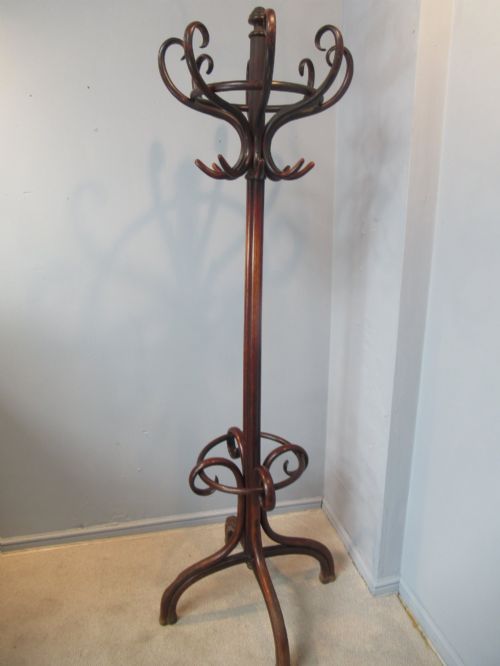
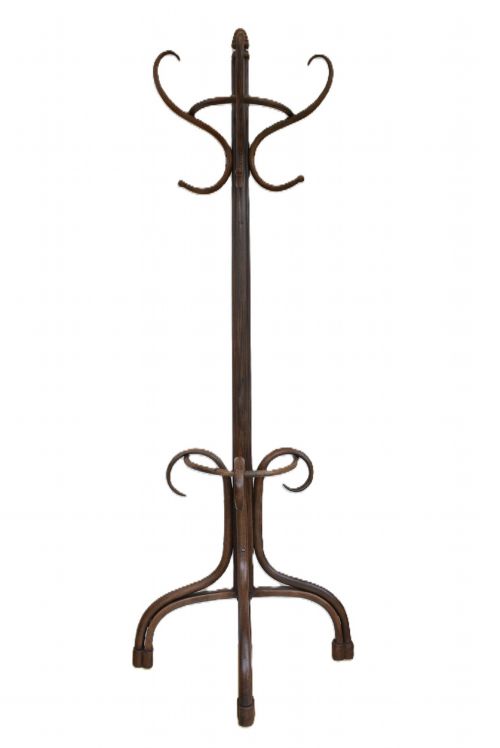
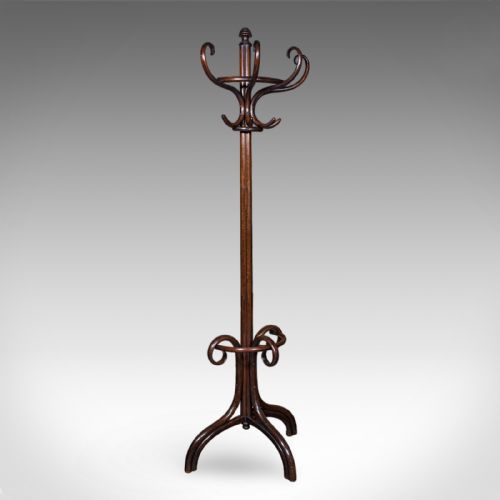
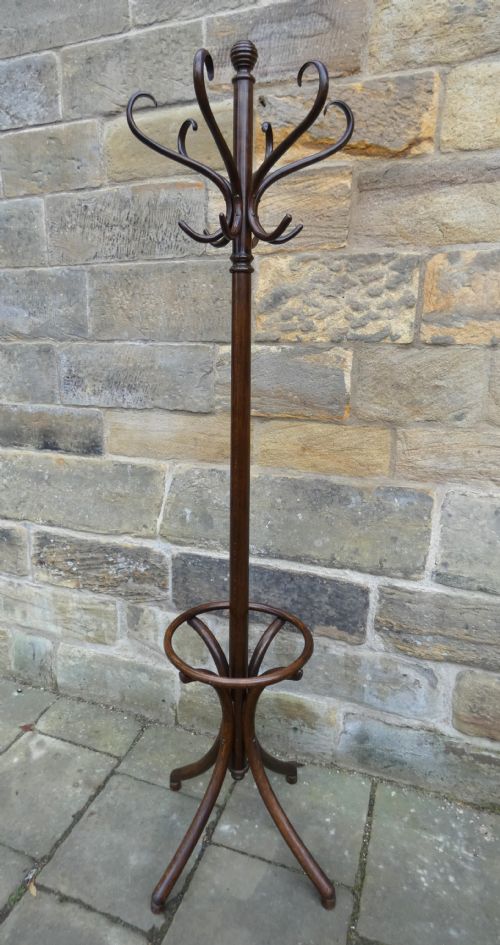
Thonet Coat Rack
A thonet coat rack brings iconic steam-bent curves and practical hallway storage into your home.
Thonet Coat Rack
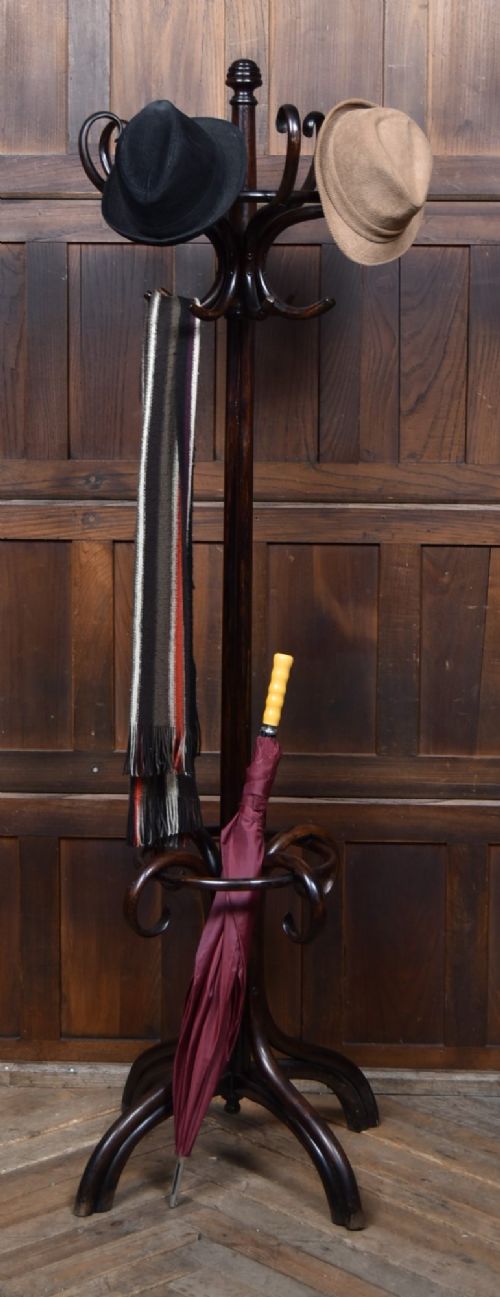
When searching for a thonet coat rack, a buyer encounters a range of vertical hall furniture designed for hats, coats, and walking sticks. The pieces seen on this page span the Victorian era, the Edwardian period, and the early twentieth century up to the nineteen-thirties.
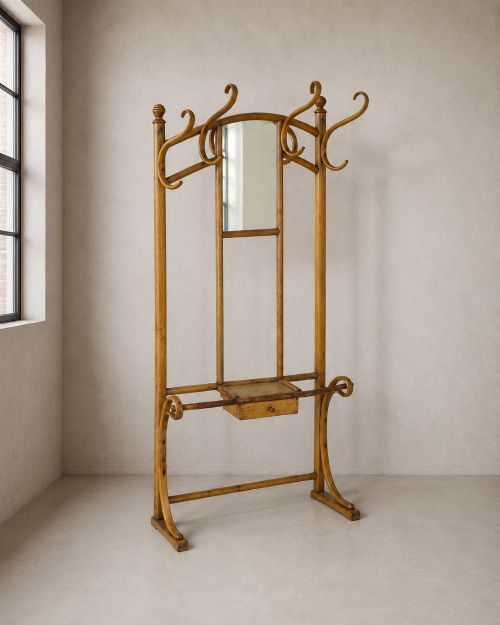
Most examples take the form of freestanding floor-standing coat stands, hall stands, or coat trees, alongside occasional wall-hanging racks. Origins stretch from Austrian workshops to wider European production, encompassing authentic pieces alongside items made in the distinct thonet style.
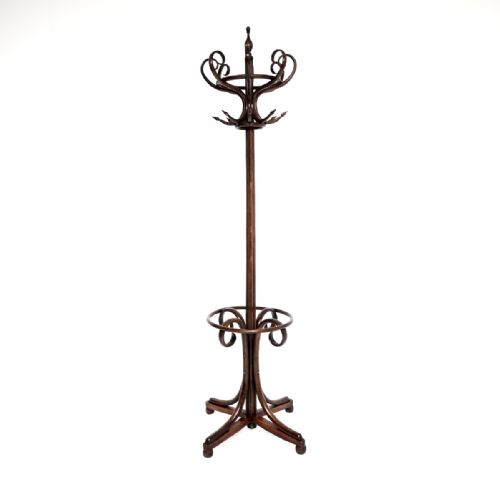
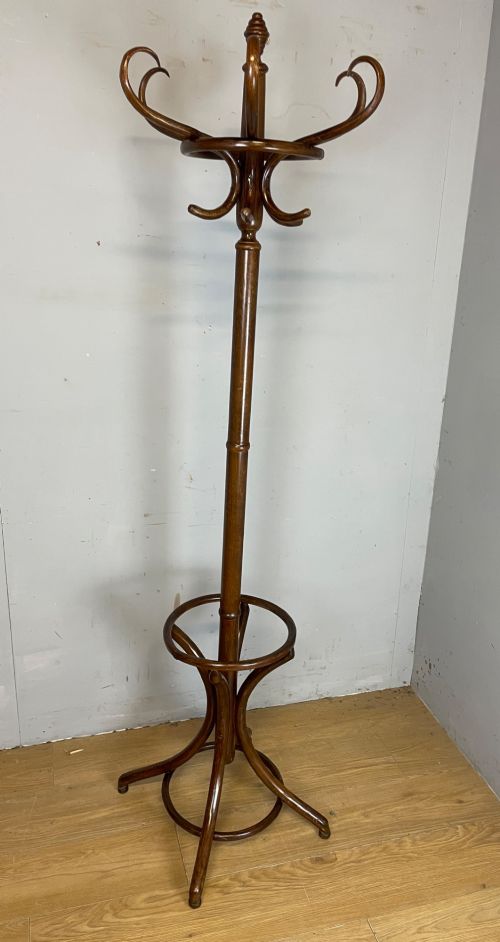
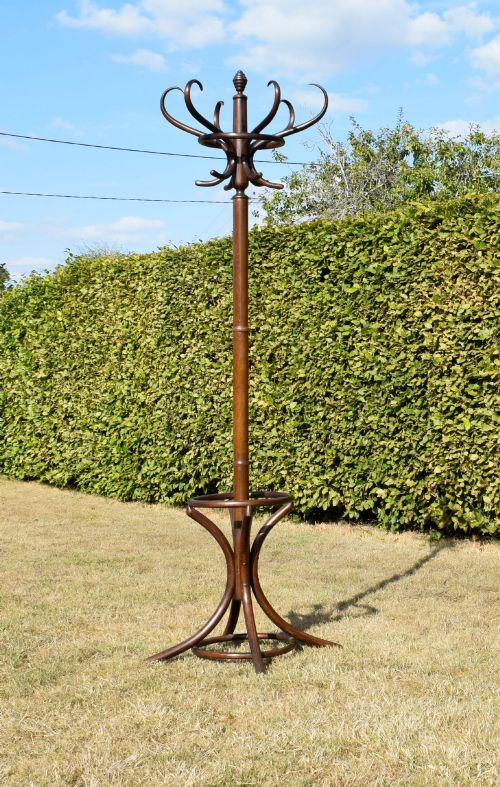
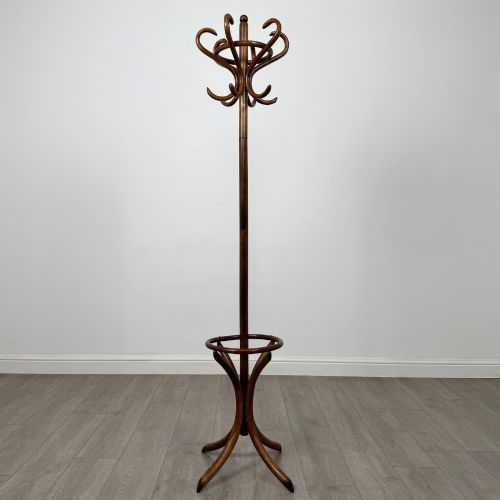
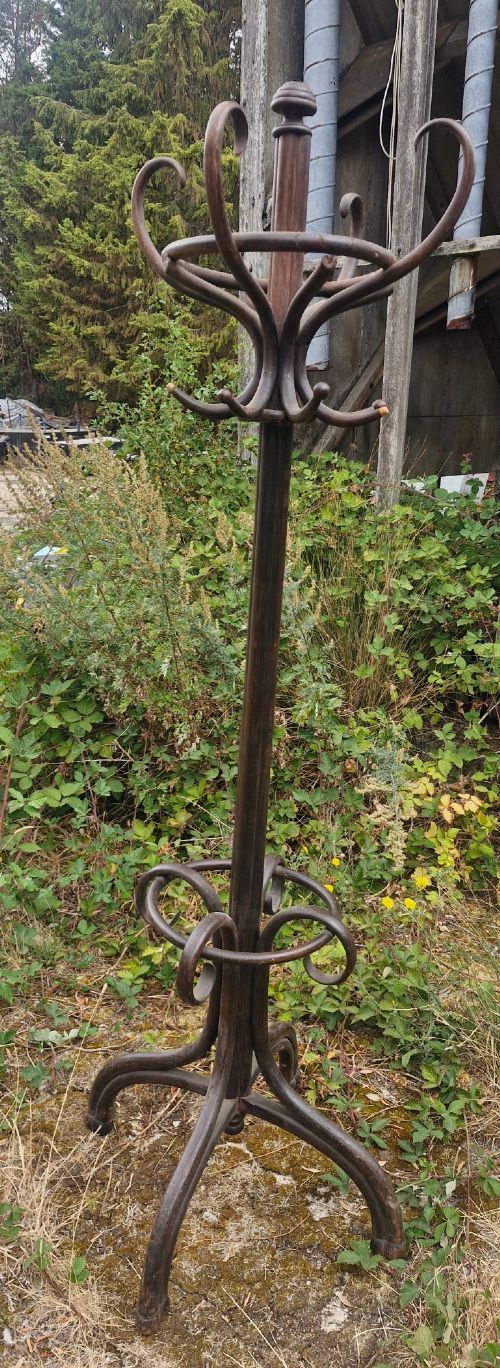
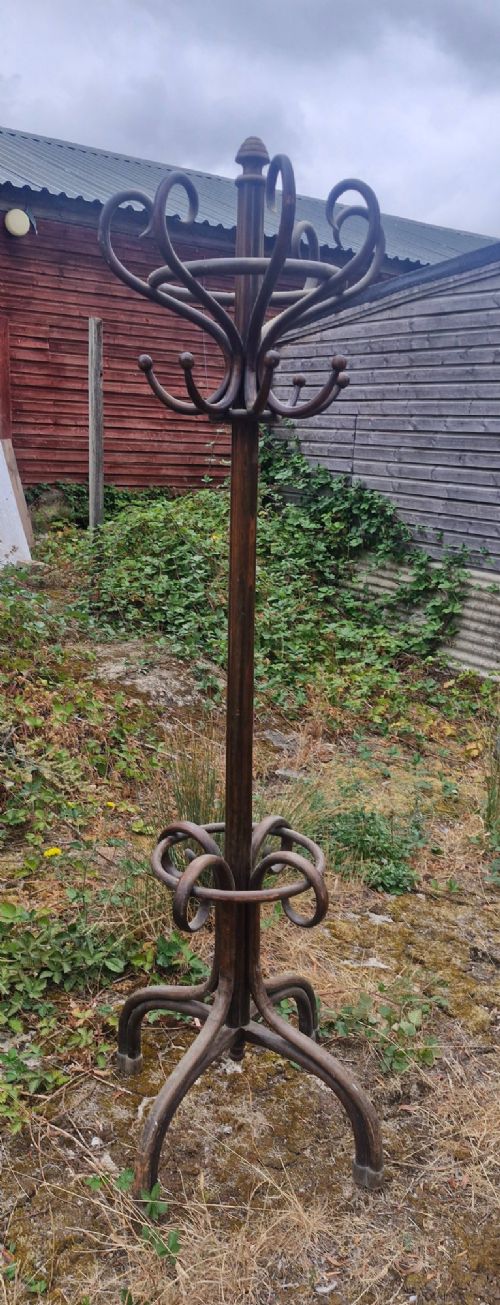
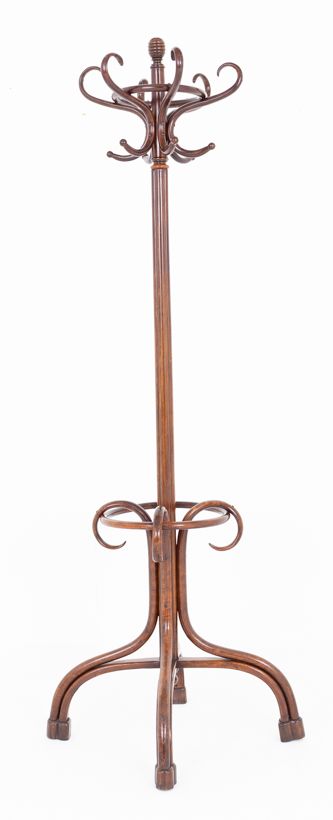
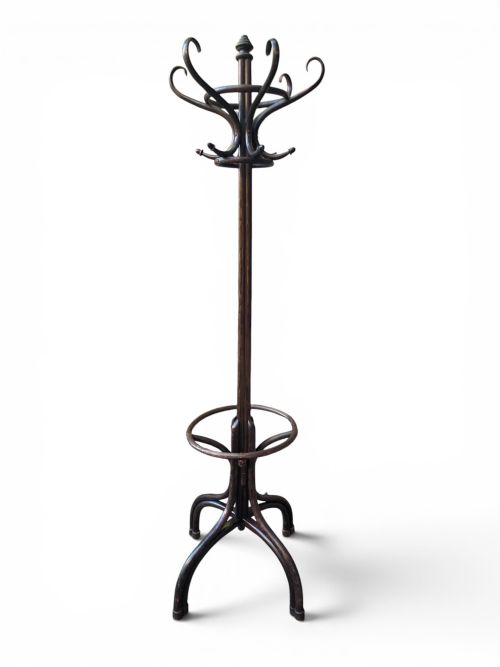
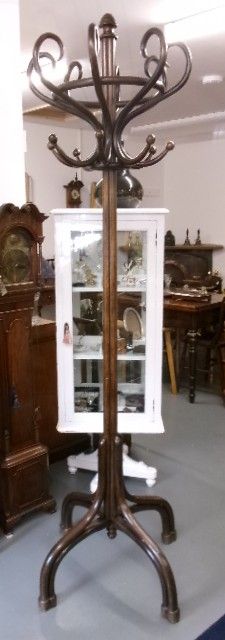
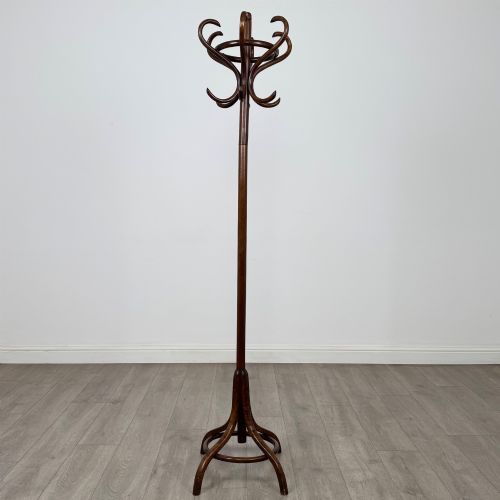
The standard configuration includes a central upright column supported by curved legs, topped with branching hooks for headwear and outerwear. Half-round demi-lune designs and revolving variants also appear regularly within this selection.
How they were made
The primary material across these listings is beech, often recorded simply as wood, beechwood, or steamed beechwood. Wood stain and ebonised finishes are applied to alter the appearance of the timber.
The signature manufacturing technique relies on steam-bending, where solid wood is exposed to moisture and heat until pliable enough to form sweeping curves. These curved components are then assembled to create lightweight yet resilient frames.
Materials across these listings include beech, bentwood, steamed beechwood, ebonised beech, and glass.
What varies in quality
Differences across the range depend on the weight of the timber and the complexity of the framework. Heavier constructions with double tops or revolving sections demonstrate more ambitious carpentry.
The presence of maker labels or attribution to specific makers distinguishes standard production from notable pieces. Finishes also differ, ranging from honey-coloured stained beech to deep ebonised surfaces.
Thonet·Fischel
The Thonet Coat Rack Glossary
- Bentwood
- Wood shaped by exposure to steam and pressure. This technique allows for the smooth, rounded curves characteristic of nineteenth-century seating and coat stands.
- Demi-Lune
- A half-moon shape. Hall stands built with a flat back adhere to this profile to sit flush against a hallway wall.
- Hall Tree
- An alternative term for a freestanding coat and hat stand. These tall pieces provide hanging space for garments alongside storage for sticks and umbrellas.
- Ebonised
- Wood stained or painted black to resemble ebony. This dark finish appears on selected bentwood pieces from the period.
Thonet Coat Rack: Frequently Asked Questions
What is a bentwood coat stand?
A bentwood coat stand is a freestanding hall piece constructed from steam-bent timber components. These items feature vertical columns and curved wooden hooks designed to hold hats and coats.
Such objects originated in the nineteenth century and remain popular for hallway storage due to their open, slender silhouettes.
How do I date a Thonet coat rack?
Dating relies on stylistic markers, construction methods, and maker labels attached to the timber. Pieces from the Victorian era and Edwardian period often display distinct turning and proportions compared to later nineteen-thirties examples.
Examining the base and the method of joining the bentwood components helps identify the period of manufacture.
Are these coat racks freestanding or wall mounted?
The vast majority of items listed are floor-standing coat stands, hall trees, or hall stands that require no wall attachment. These vertical pieces rest on curved legs for stability.
A small number of listings comprise wall-hanging coat racks designed to be secured directly to a wall surface.
What wood are these stands made from?
The listings show that these pieces are constructed primarily from beech, frequently described as bentwood, beechwood, or steamed beechwood. Makers utilised beech for its exceptional flexibility when exposed to steam.
Surfaces are finished in various tones, including honey-coloured wood stain and ebonised treatments.