

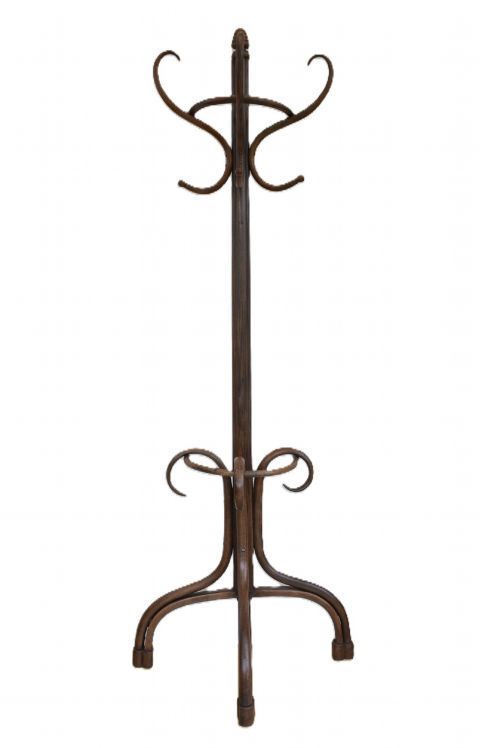
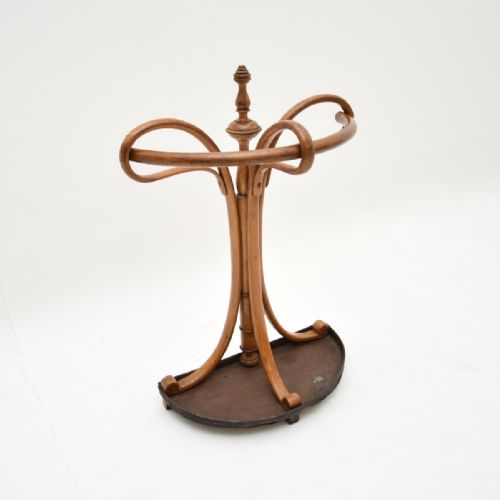


Bentwood Umbrella Stand
When you select a bentwood umbrella stand, you bring home a piece of late Victorian or Edwardian ingenuity built for everyday entrance halls.
Bentwood Umbrella Stand
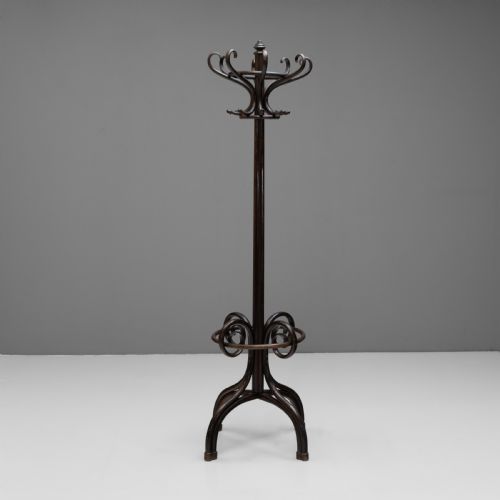
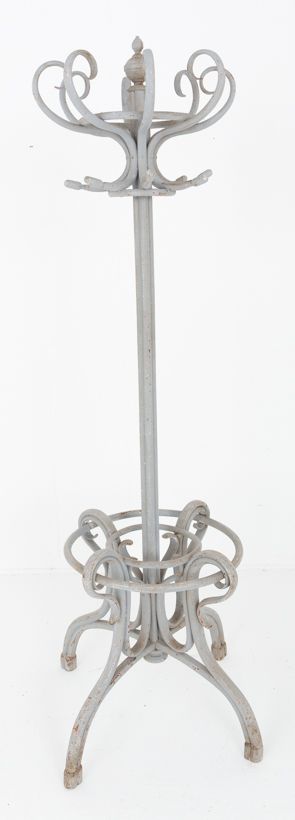
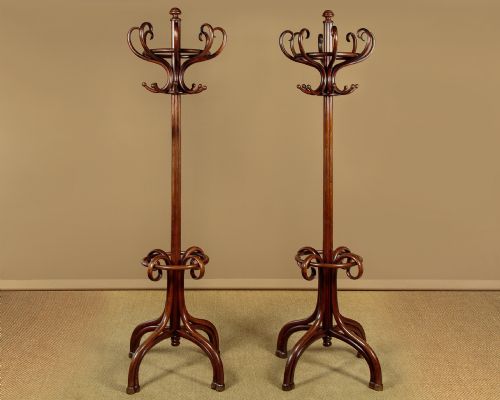
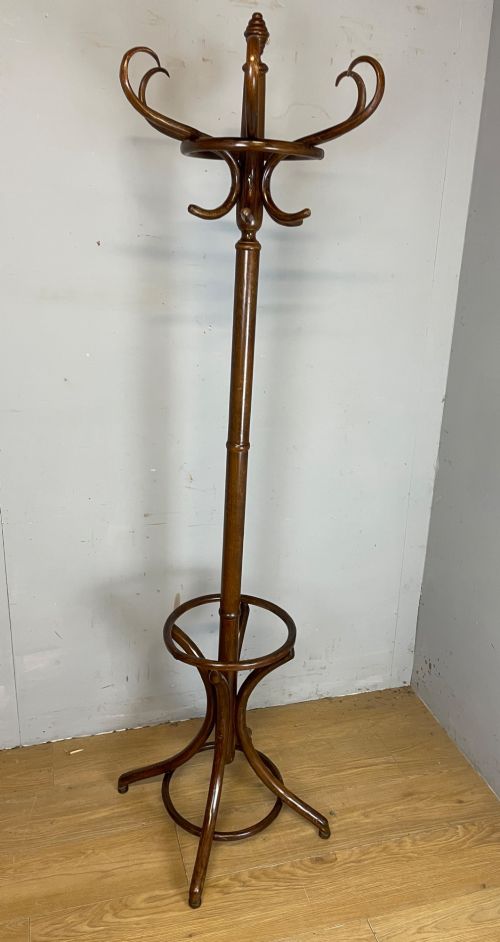
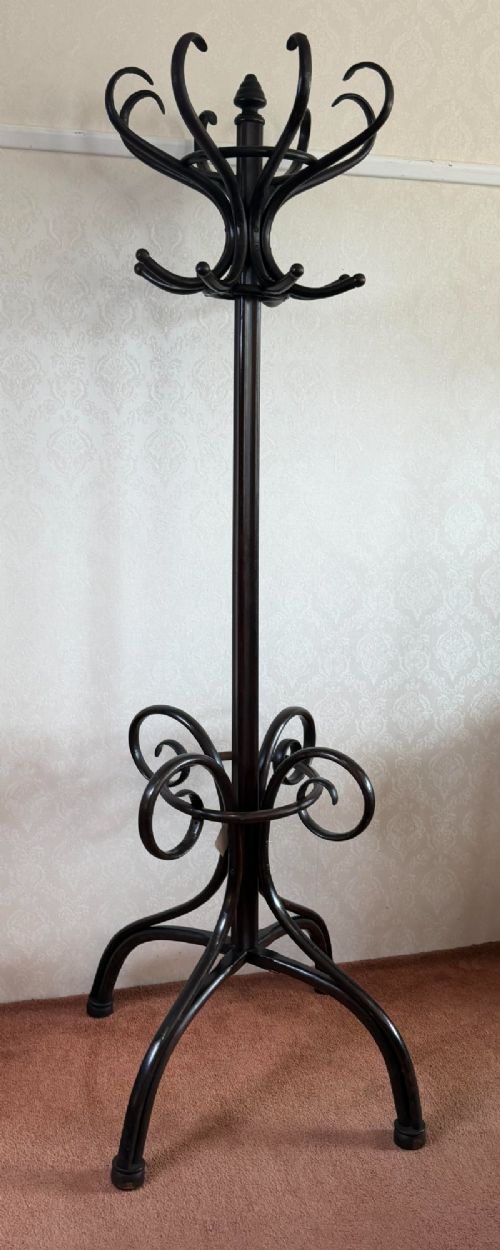
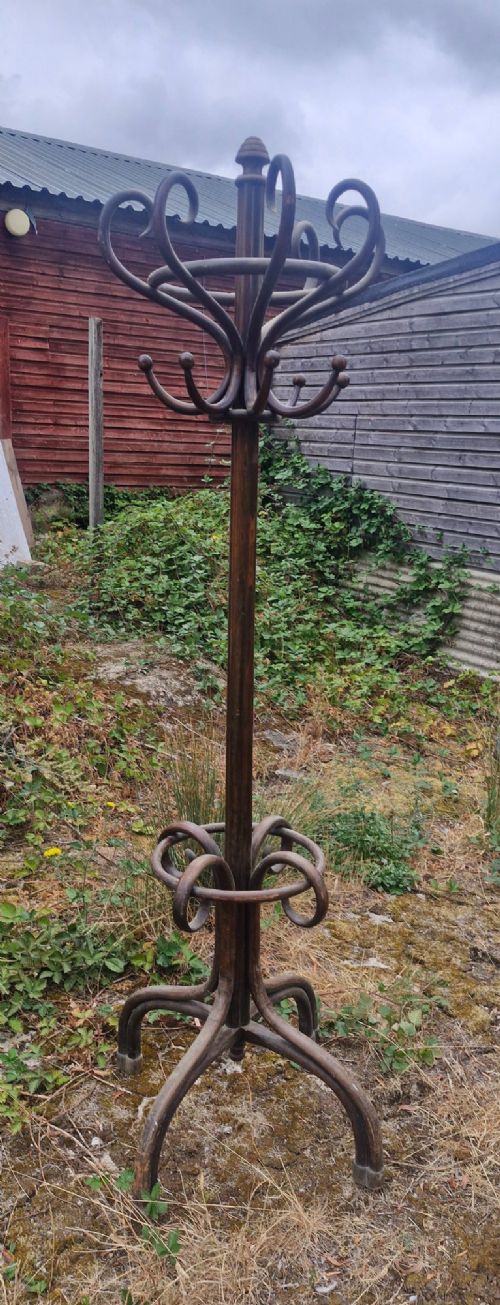
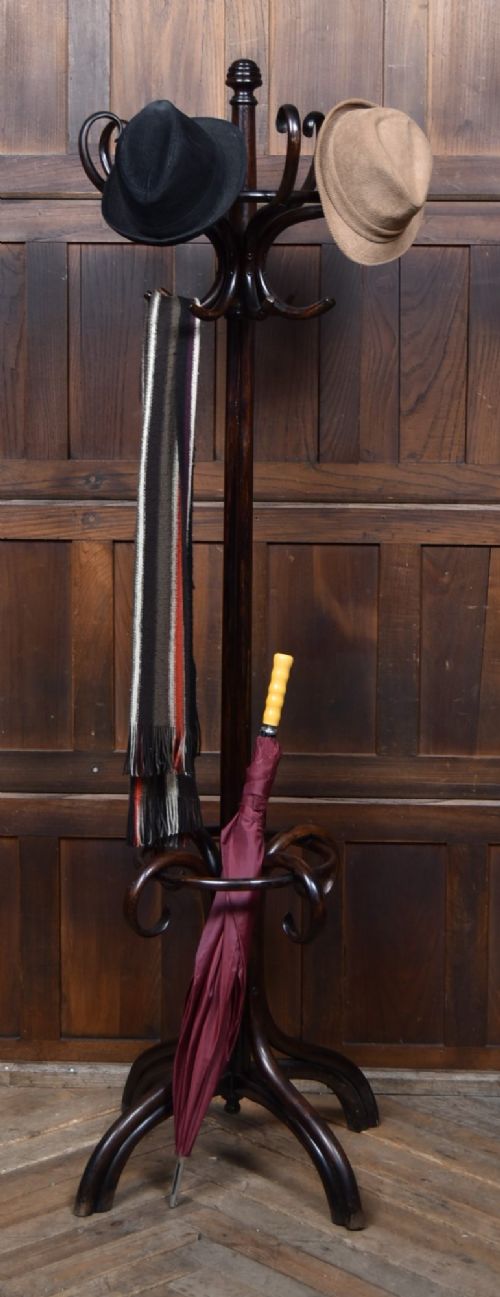
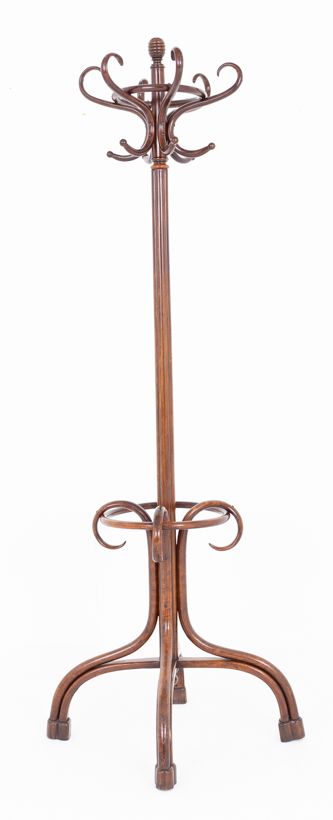
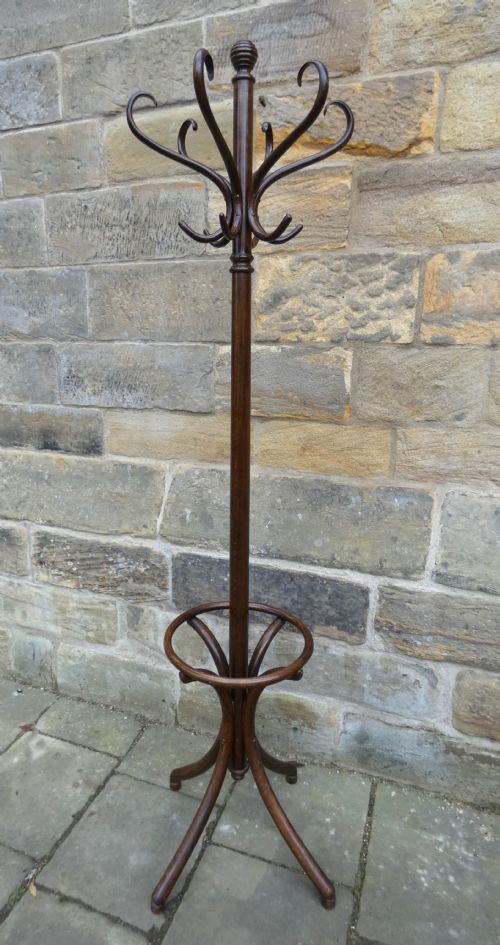
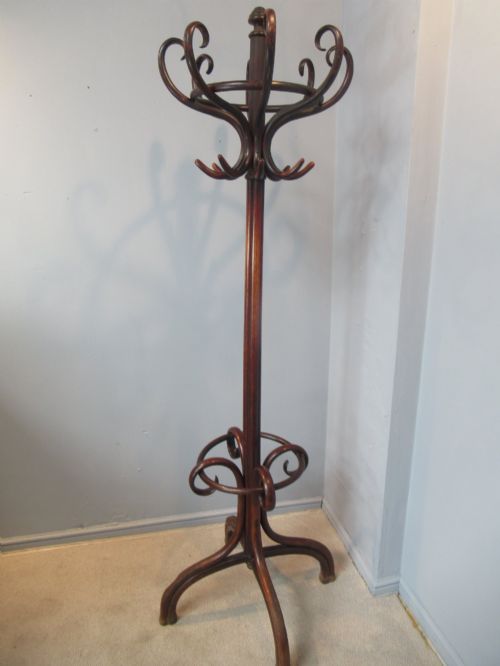
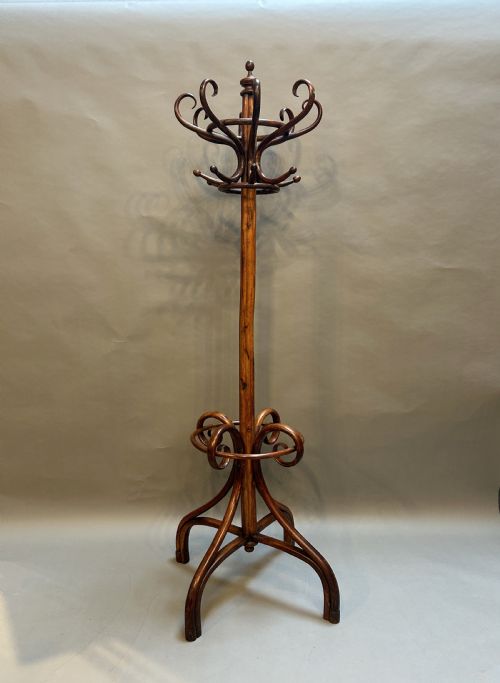
A bentwood umbrella stand combines the organic curves of steam-shaped timber with practical storage for wet walking sticks and rain gear in a domestic entryway.
The pieces seen here range from dedicated stick holders to multi-purpose hall stands that incorporate hooks for coats and hats alongside receptacles for umbrellas.
Originating largely from late nineteenth and early twentieth-century workshops, these items frequently feature half-round or circular footprints designed to sit neatly against a hallway wall.
Materials and Technique
Craftsmen utilised European beech and beechwood, taking advantage of the timber's grain and flexibility when exposed to moisture and heat.
Lengths of wood were subjected to steam treatment, allowing them to be bent into flowing curves and loops that formed both the structural frames and decorative scrollwork.
Many examples integrate original metal drip trays at the base to catch water from wet umbrellas, protecting the wooden floorboards beneath.
Bentwood Umbrella Stand Retail Price Guide 2026
Typical asking prices for bentwood umbrella stand among the pieces listed under this phrase on Sellingantiques today, from the lower quarter to the upper quarter. They describe what is for sale here now, not the wider market.
Listings feature beech and oak bentwood stands spanning the Victorian era through the nineteen-thirties.
Assessing Quality
The distinction between standard utility items and finer examples rests upon the fluidity of the steamed curves and the crispness of maker stamps or paper labels.
Robust construction methods, such as secure screw-in assemblies and well-preserved bentwood rings without splitting, separate enduring pieces from those weakened by improper storage.
Thonet·Fischel
The Bentwood Umbrella Stand Glossary
- Bentwood
- Wood that has been rendered pliable via steam heat and forced into curved shapes using metal straps and moulds. This technique allowed makers to produce light, strong furniture without traditional joinery.
- Drip tray
- A removable metal basin located at the base of a stand to catch water from wet umbrellas. These trays protect the surrounding wood from rot and water staining.
- Hall tree
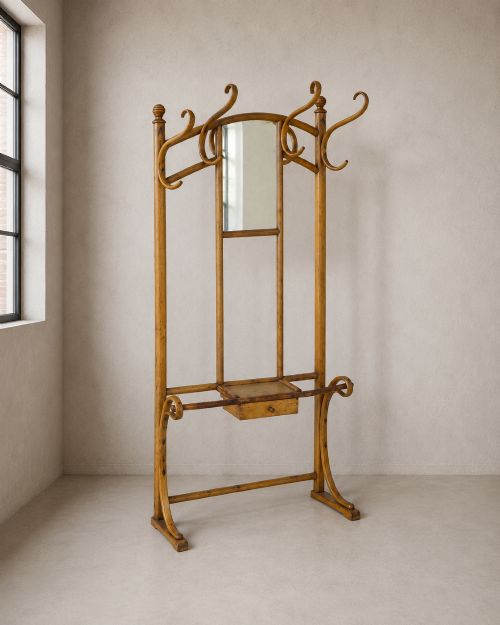
- A tall piece of hallway furniture combining hooks for coats and hats with umbrella storage and sometimes a mirror. They were essential for Victorian and Edwardian entryways.
- Demi-lune
- A half-moon shape used for the footprint of hall stands so they sit flush against a wall. This profile maximises floor space in narrow corridors.
Bentwood Umbrella Stand: Frequently Asked Questions
How do I date a bentwood stand?
Dating relies on stylistic markers, construction methods, and occasionally maker labels stamped into the wood or pasted underneath.
Victorian and Edwardian examples often show greater complexity in their steam-bent scrolls compared to plainer pieces from the nineteen-twenties.
Are these stands sturdy enough for daily use?
Bentwood furniture was designed specifically for robust commercial and domestic service in busy entrance halls.
The steam-bending process gives the timber a natural spring and resilience that handles daily hanging of coats and placement of heavy walking sticks.
Do original drip trays matter?
Original metal drip trays add authenticity and completeness to a stick stand, matching the period wear of the frame.
Their presence ensures that wet umbrellas do not damage the lower wooden rungs or the floor beneath.