

Bentwood Coat Rack
A bentwood coat rack provides a light, curving structure for hallway storage, emerging from nineteenth-century industrial techniques.
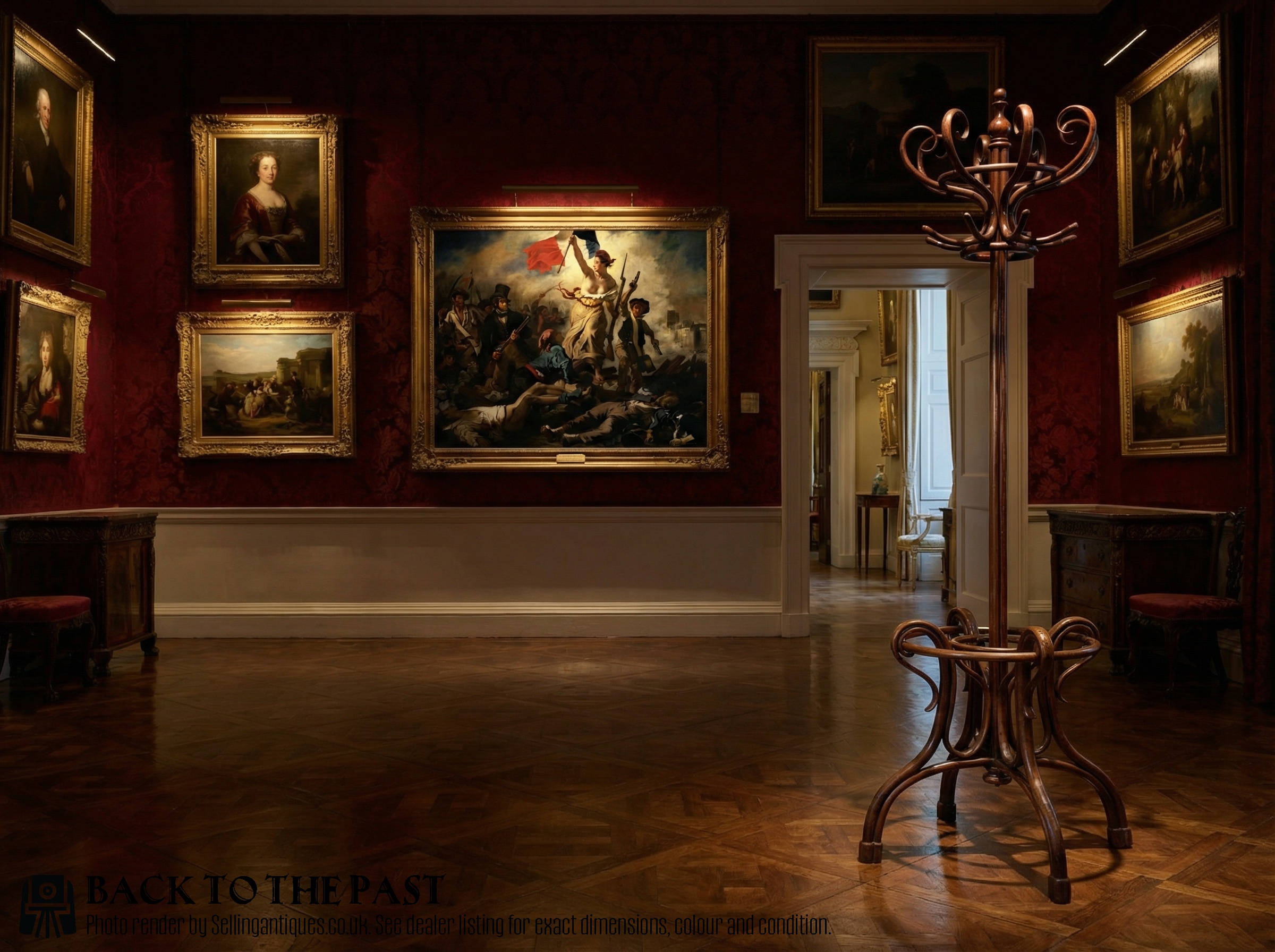
Bentwood Coat Rack
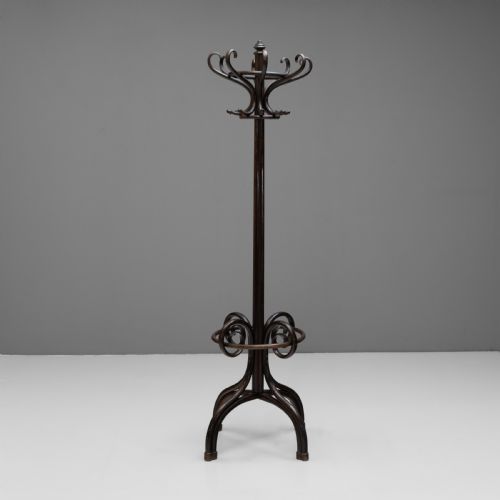
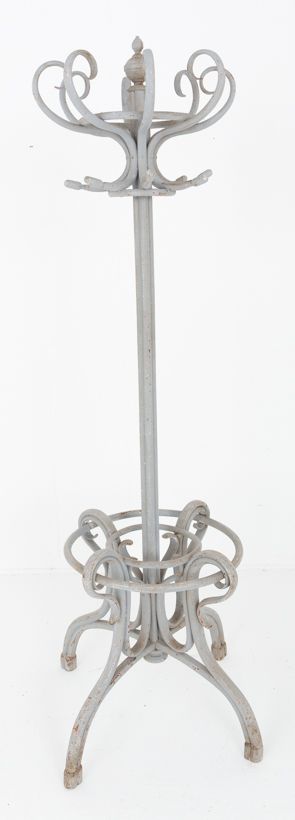
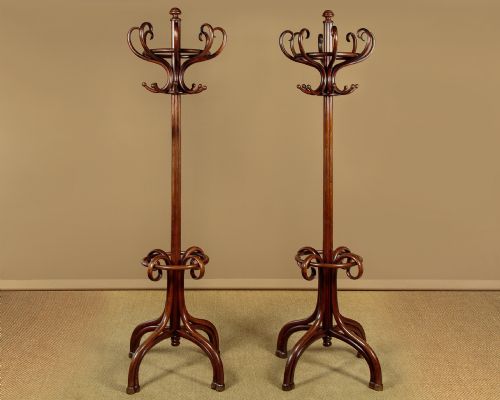
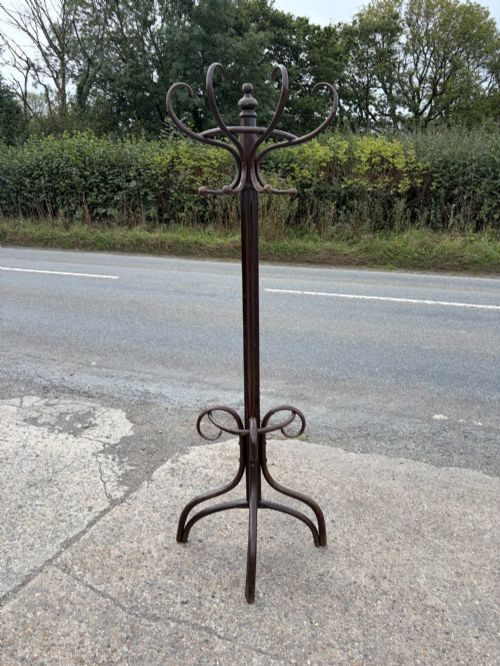
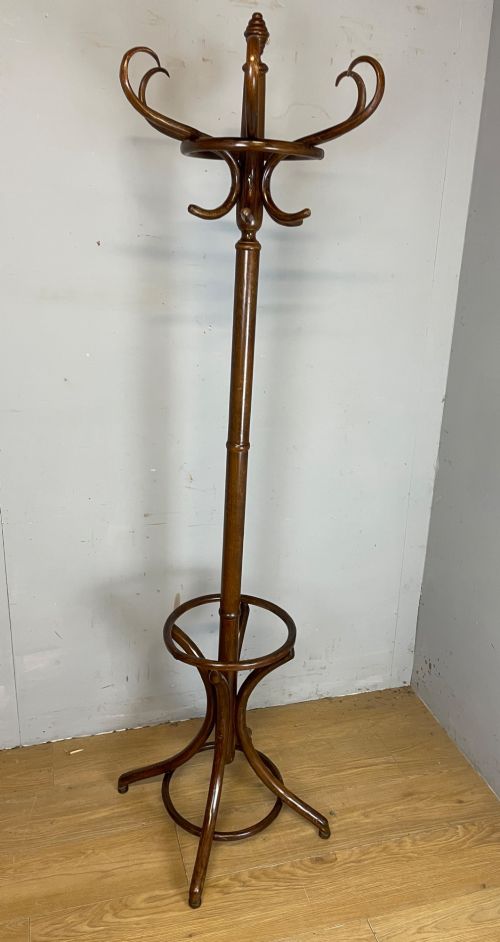
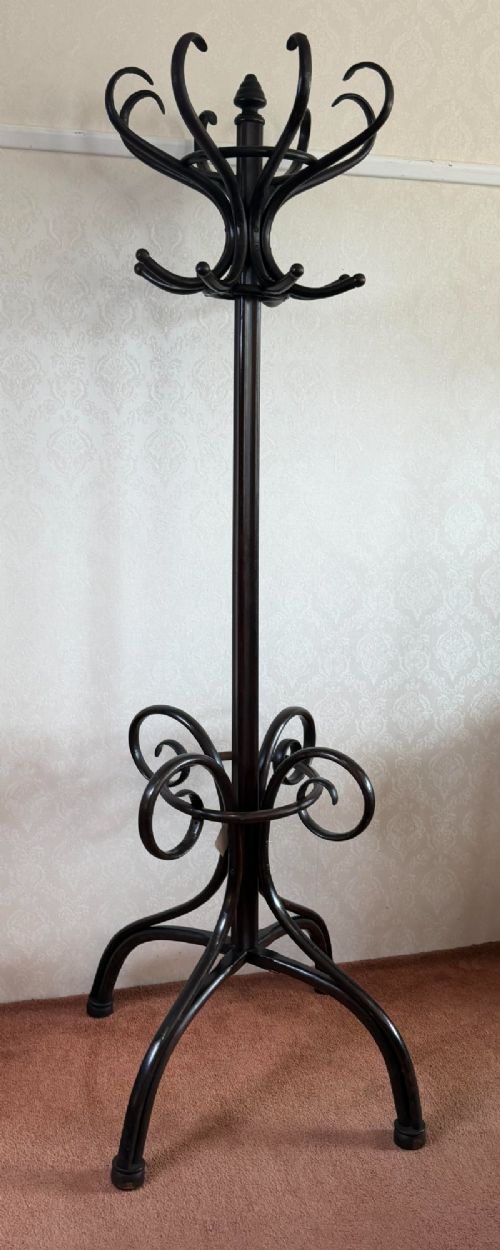
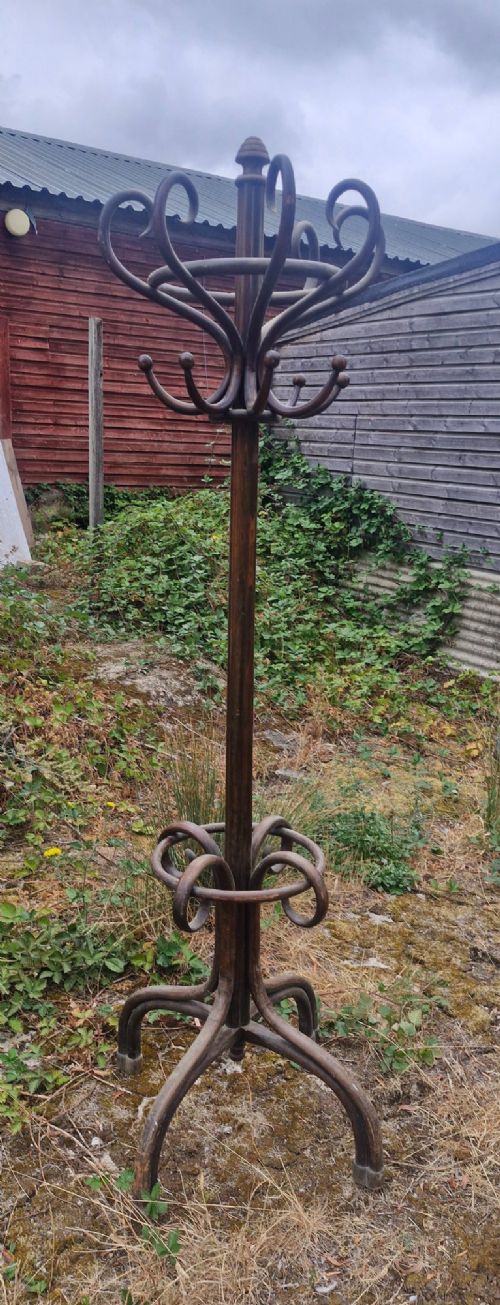
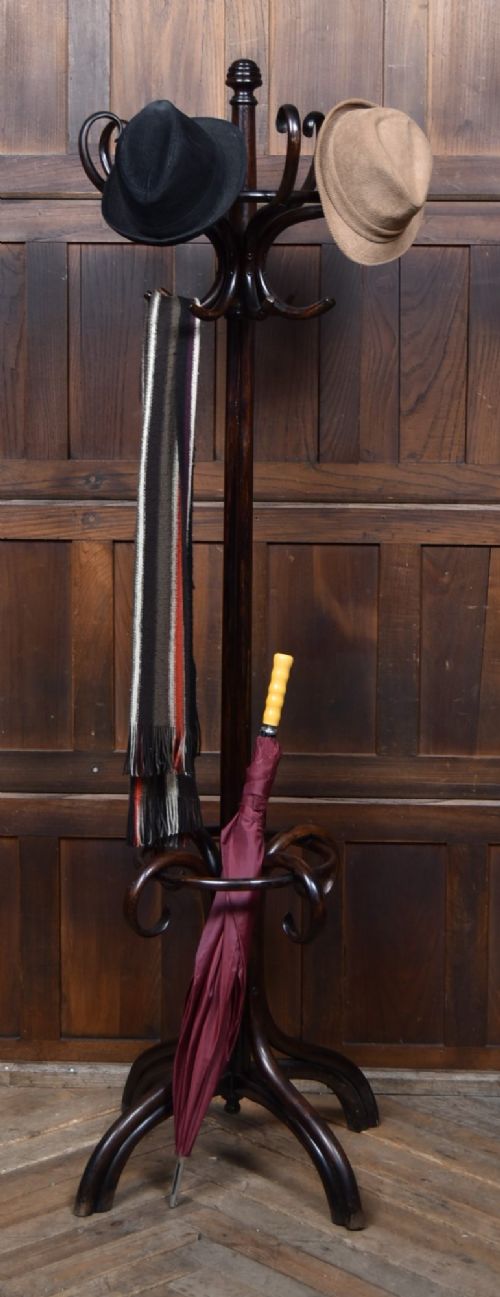
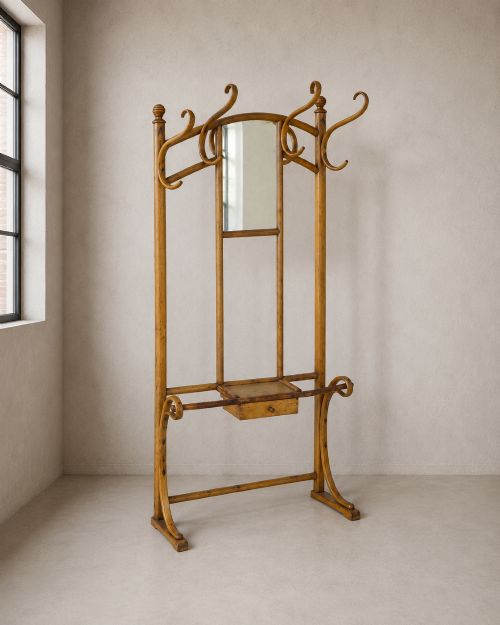
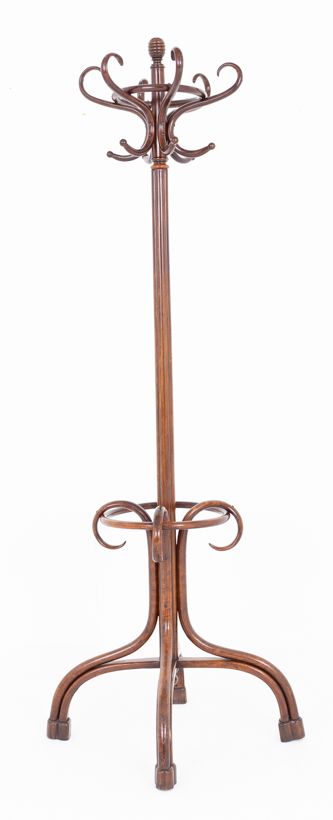
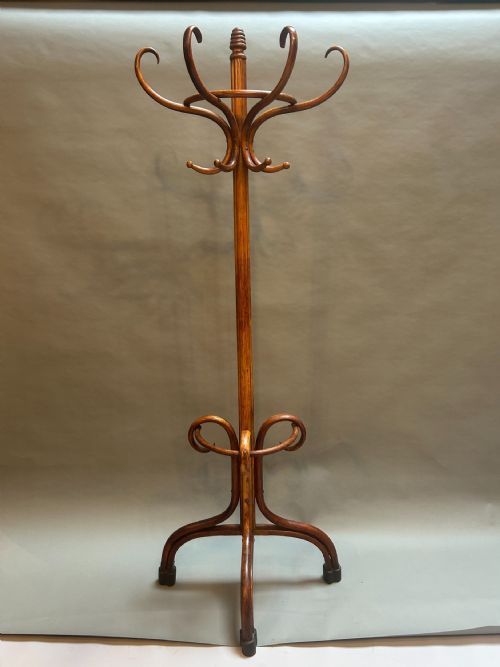
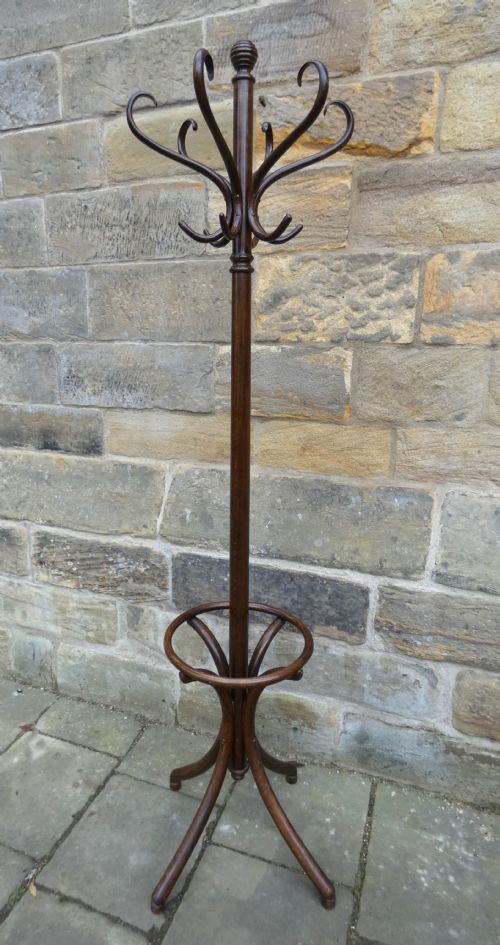
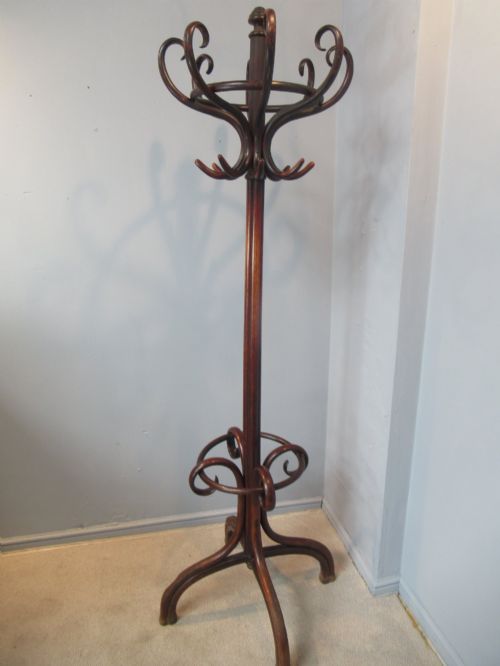
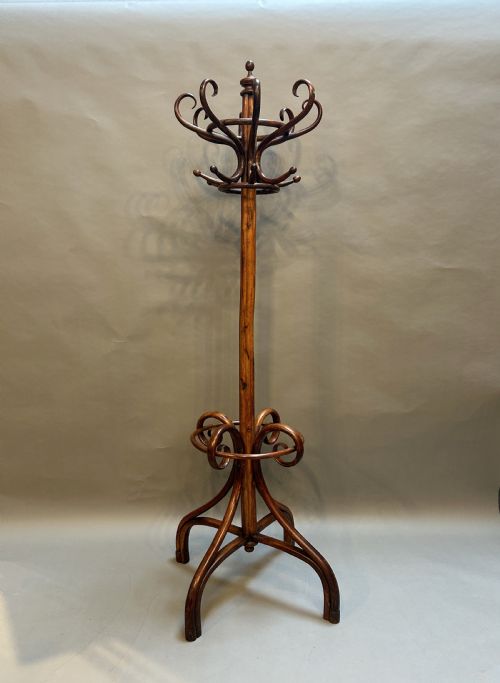
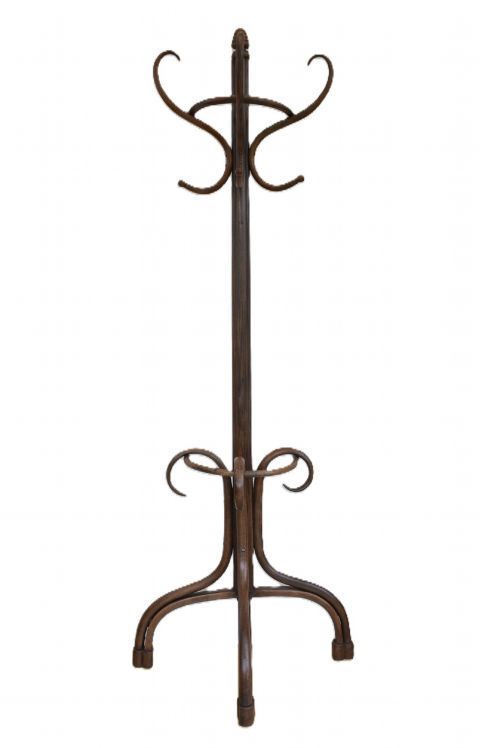
A bentwood coat rack combines vertical standards with sweeping hook assemblies designed to hold hats, coats, and walking sticks in domestic hallways. The pieces appearing here span from the late nineteenth century through the Edwardian period and into the nineteen-thirties.
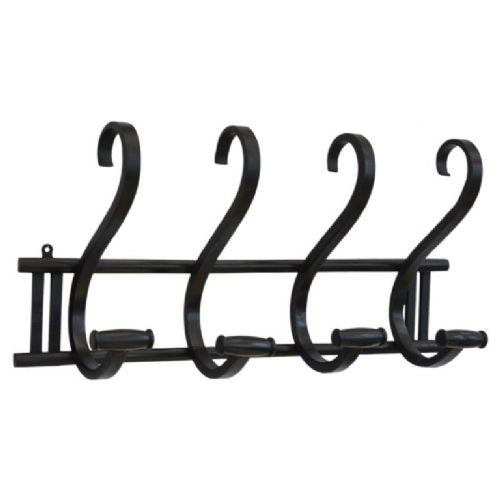
Buyers will encounter freestanding hall stands, revolving designs, half-round variations meant to sit flush against a wall, and smaller wall-mounted racks. These items draw on Austrian and continental origins, often following the established patterns of Thonet or Fischel.
The form relies on slender profiles that maximise hanging capacity without dominating an entrance space. Most examples integrate umbrella rings and lower drip pans alongside upper tiers of curved wooden hooks.
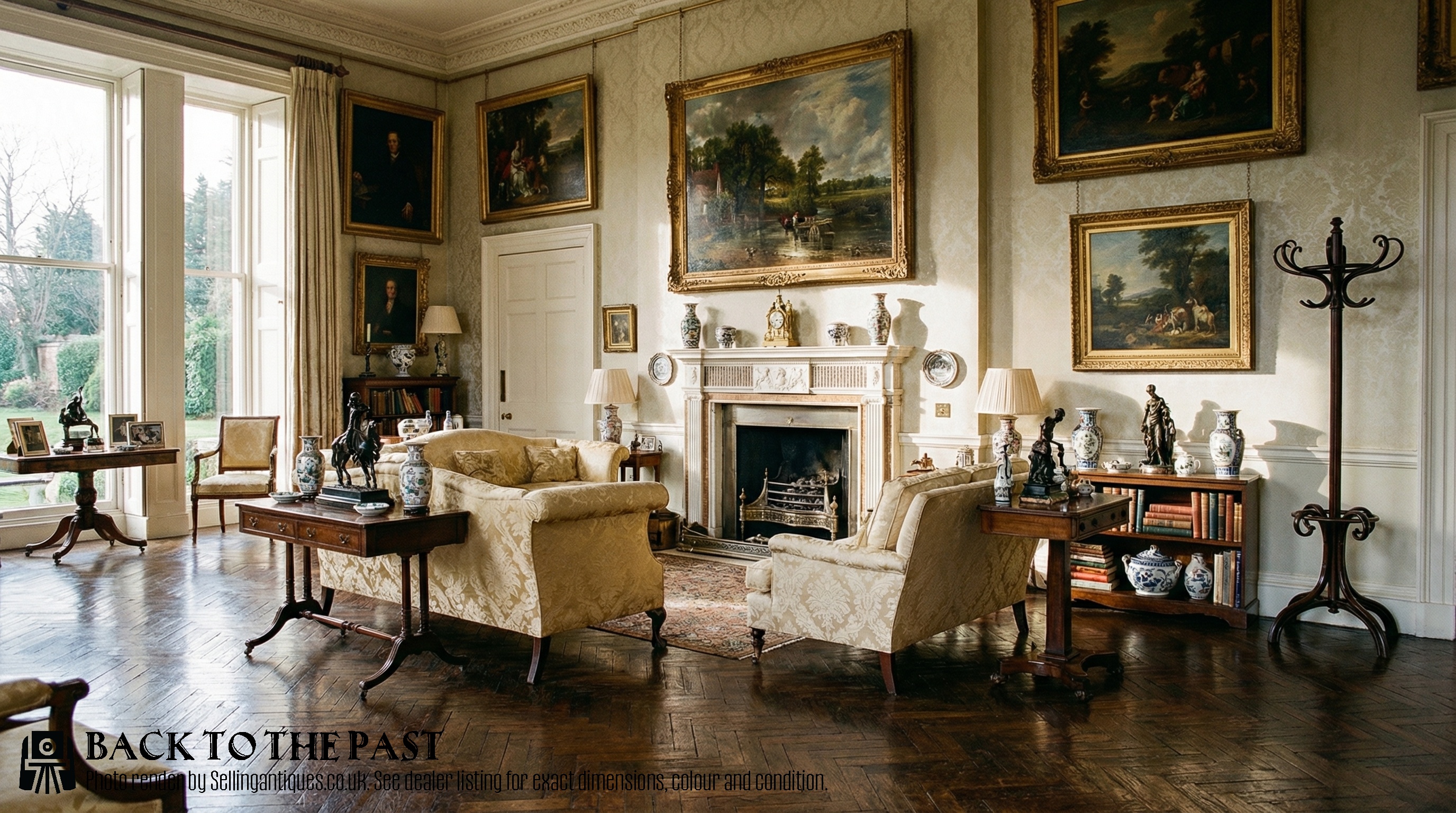
Materials and steaming techniques
The construction of a bentwood coat rack depends upon solid beech or beechwood subjected to moisture and intense heat inside steam boxes. This process softens the grain so artisans can bend timber around metal forms into tight, permanent curves.
Manufacturers finished these pieces with clear wood stains to highlight the natural grain, or applied ebonised treatments for a dark, uniform surface. Selected examples incorporate glass elements or metal hardware to reinforce structural joints.
Bentwood Coat Rack Retail Price Guide 2026
Typical asking prices for bentwood coat rack among the pieces listed under this phrase on Sellingantiques today, from the lower quarter to the upper quarter. They describe what is for sale here now, not the wider market.
Materials recorded on this page are primarily beech and ebonised beechwood with occasional glass components.
Evaluating construction and design
Differences across a bentwood coat rack rest upon the complexity of the scrolling framework and the retention of original tiered assemblies. Pieces featuring double top sections or revolving mechanisms represent more ambitious manufacturing standards than simple wall-mounted rails.
The integrity of the steamed joints dictates durability, as inferior examples suffer from separation where the curves meet the central shaft. Maker labels stamped into the wood elevate historical interest significantly.
Thonet·Fischel
The Bentwood Coat Rack Glossary
- Bentwood
- Wood shaped by applying moisture and heat to make it pliable. This technique allows long, continuous curves that would be impossible with traditional straight joinery.
- Hall tree
- A freestanding item designed for hallways that combines coat hooks, hat receptacles, and stick stands. These structures often incorporate mirror panels or umbrella wells.
- Demi lune
- A half-moon shape used for hall stands designed to stand flat against a wall. This profile saves floor space in narrow corridors.
- Ebonised
- Wood finished to resemble ebony through dark staining or painting. This treatment was popular in the late nineteenth century for a formal appearance.
- Thonet style
- Furniture following the pioneering manufacturing methods developed by Michael Thonet. The approach defined mass-produced curving wooden domestic items across Europe.
Bentwood Coat Rack: Frequently Asked Questions
How do I date a bentwood coat rack?
Dating relies on construction methods, timber finishes, and manufacturer stamps found on the wood. Pieces from the nineteenth century often display early paper labels or impressed maker marks.
Later Edwardian and interwar items tend to feature standardised screw-in components and simpler arrangements of the upper hook tiers.
Are wall-mounted bentwood racks sturdy?
Wall-mounted versions provide reliable hanging storage when secured directly into structural wall studs or masonry. Their weight capacity depends entirely upon the strength of the mounting brackets.
These pieces offer a practical alternative to freestanding floor stands in compact hallways.
How should I care for steamed beechwood?
Maintain the wood by dusting with a dry cloth and avoiding excessive moisture or direct sunlight. Sudden temperature shifts can cause the steamed timber to warp or strain the glued joints.
Occasional application of appropriate furniture wax preserves the original stain and surface sheen.