




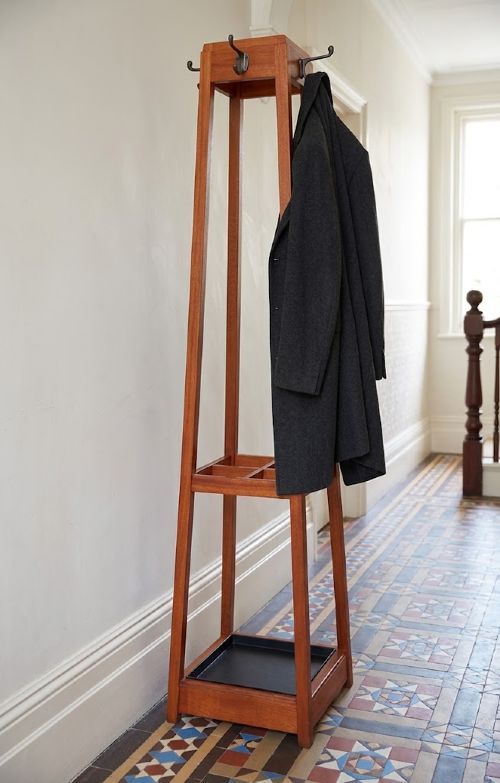
Vintage Coat Tree
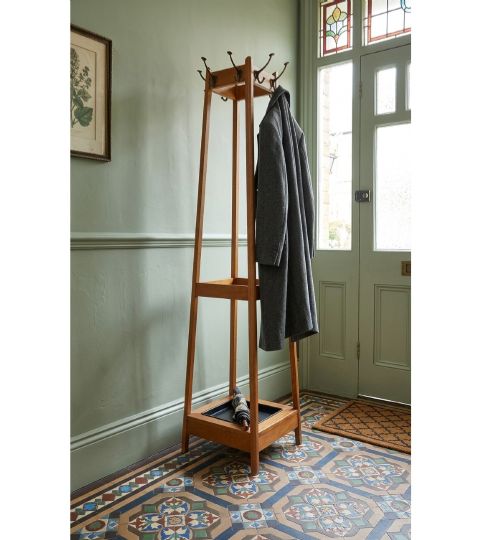
A vintage coat tree is a practical piece of furniture designed to hold garments, hats, and umbrellas in hallways.
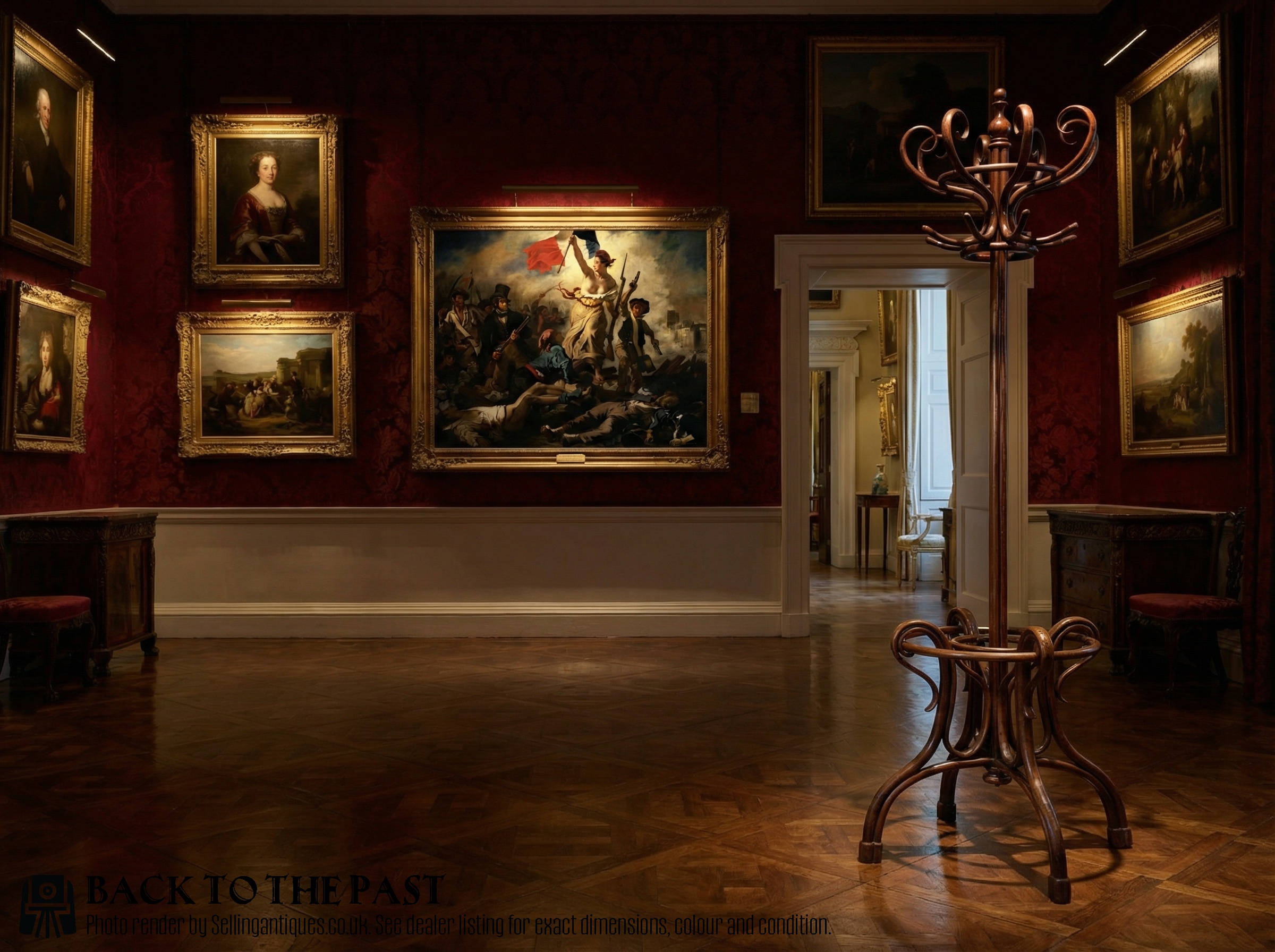
Vintage Coat Tree
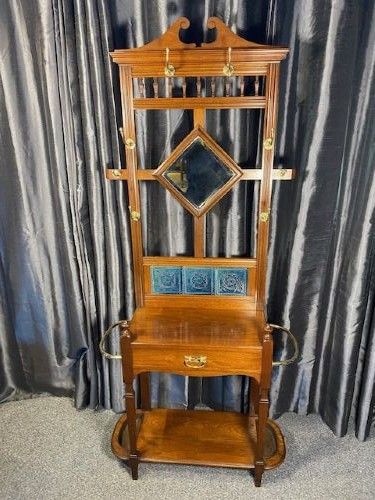
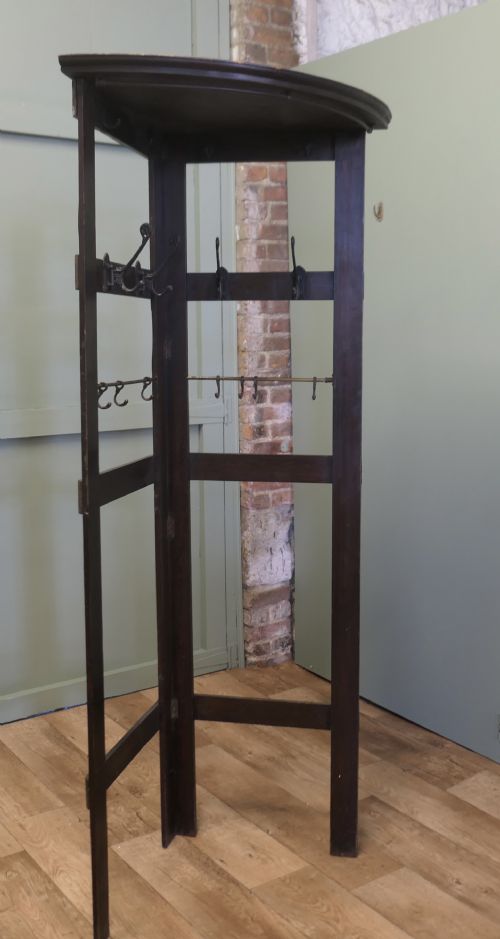
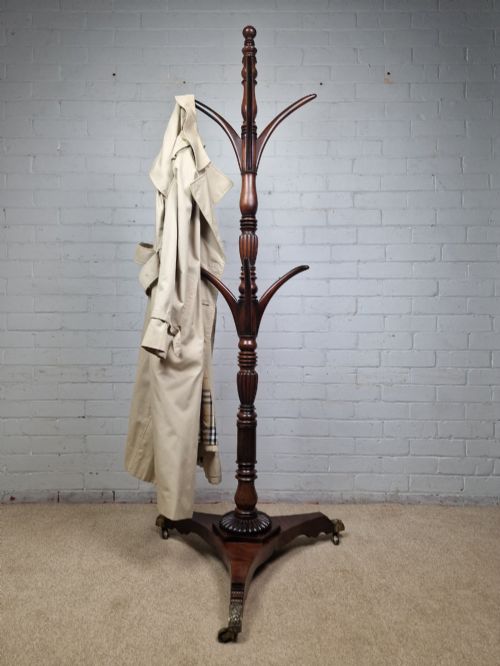
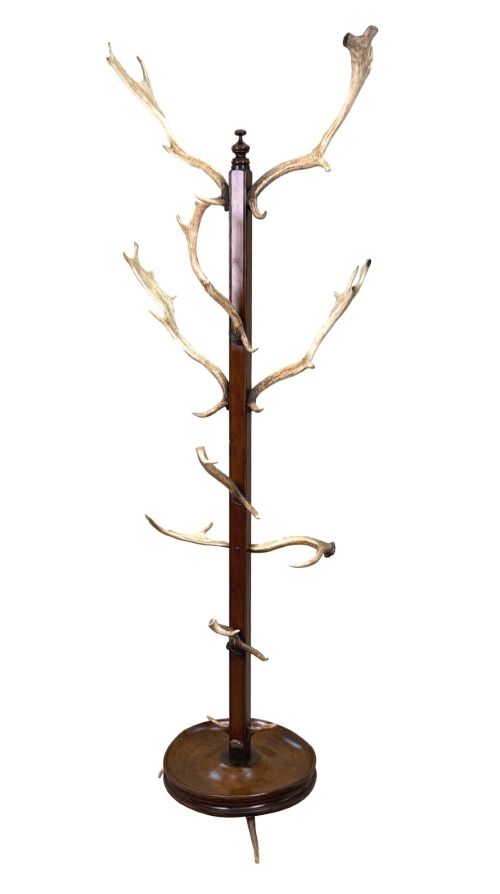
A vintage coat tree, also designated in listings as a coat stand, hall stand, or hatstand, serves as a functional freestanding or wall-mounted post for garments and accessories. These objects emerge from periods spanning the late nineteenth century through the mid twentieth century, encompassing Victorian, Edwardian, and Art Nouveau styles.
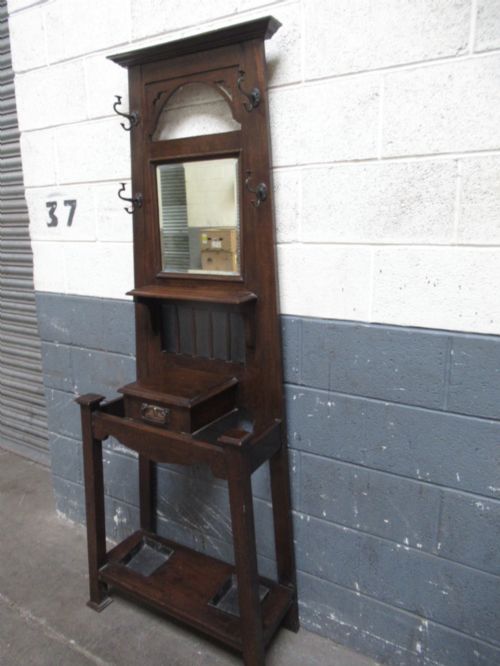
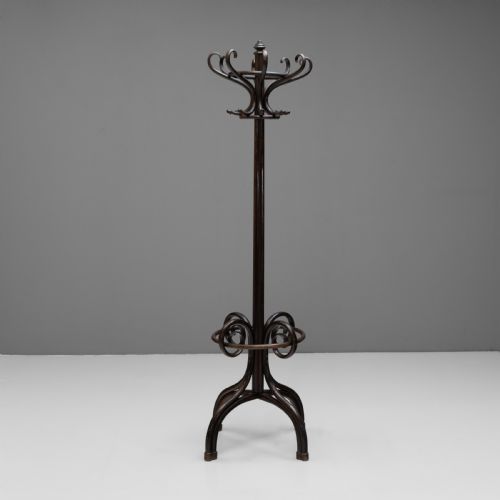
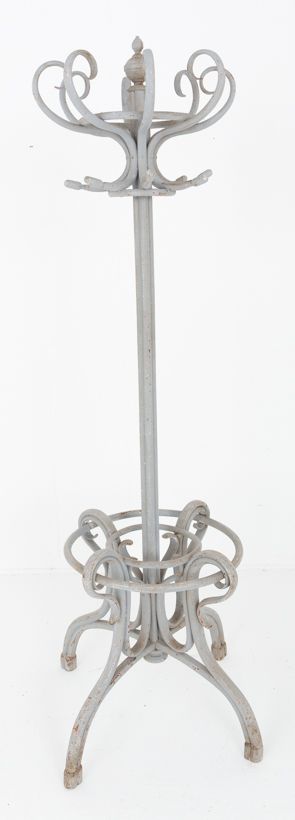
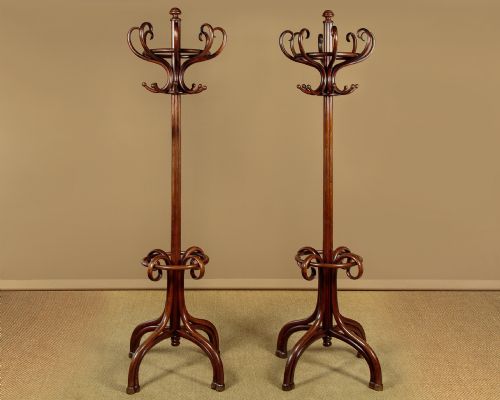
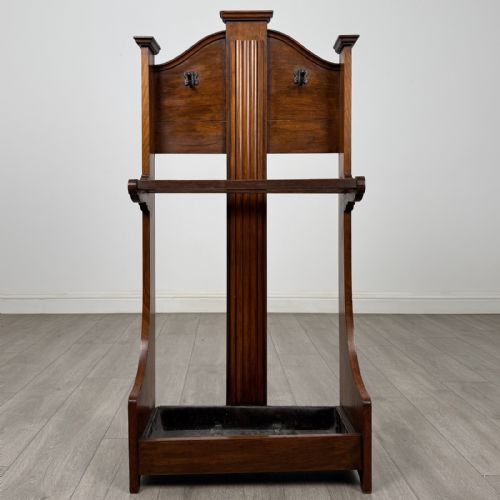
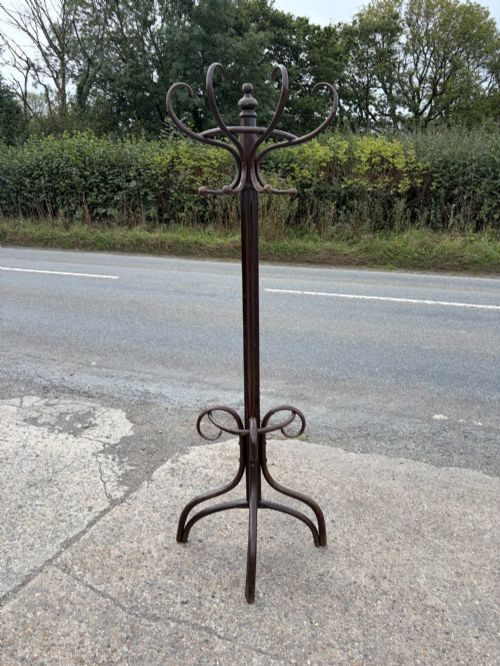
The version most frequently encountered on this page is the bentwood hat and coat stand, often associated with the Thonet style in beech or beechwood. Alongside these, buyers find solid oak hall stands featuring integrated umbrella holders, drip trays, and occasionally small seats or mirrors.
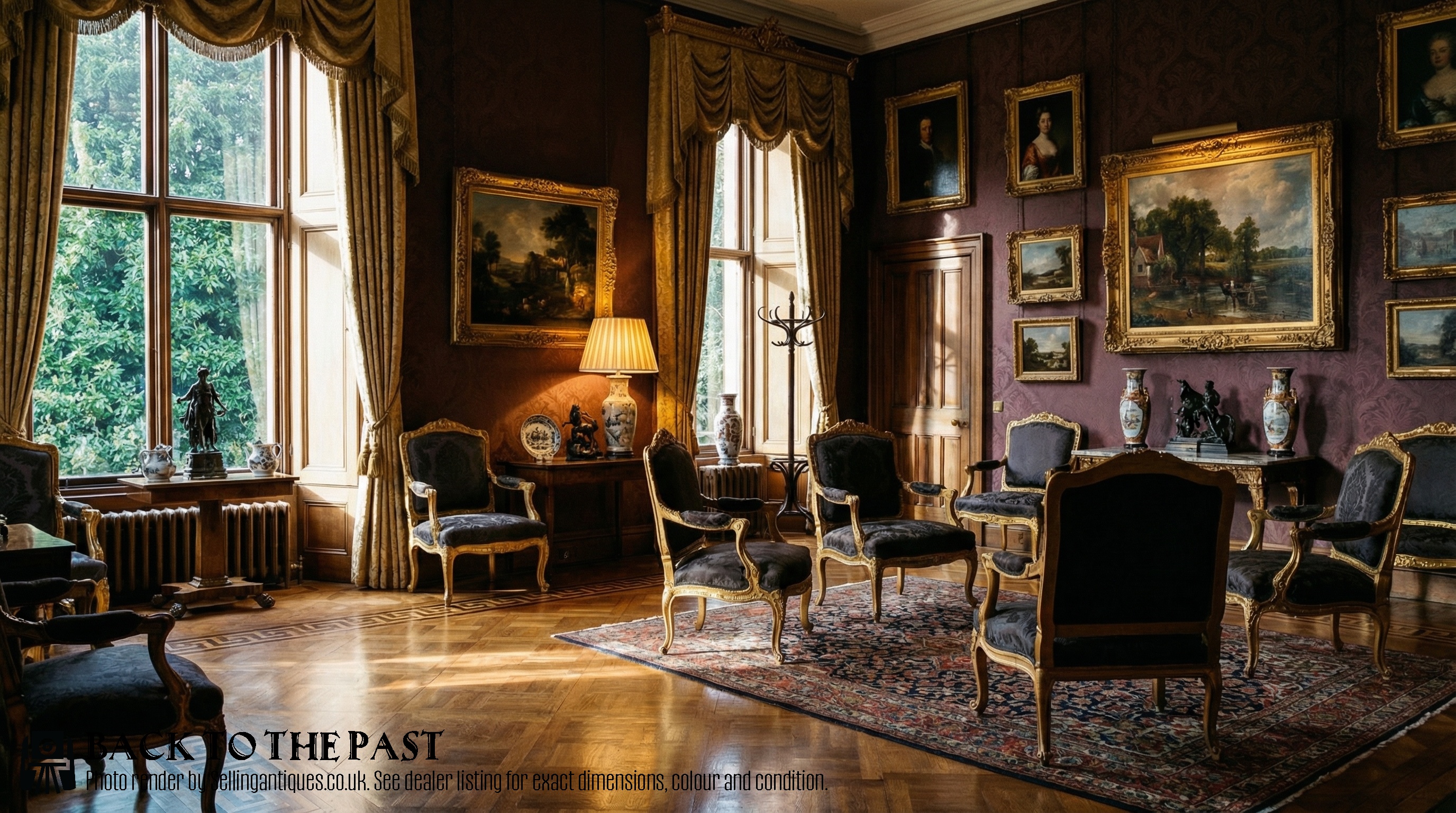
Materials and construction
Makers utilised solid timbers such as oak, walnut, and mahogany, shaped through traditional joinery and carving to build robust hall stands and wall racks. Bentwood examples rely on steam-bent beech or beechwood to form the characteristic curved hooks and upright stems.
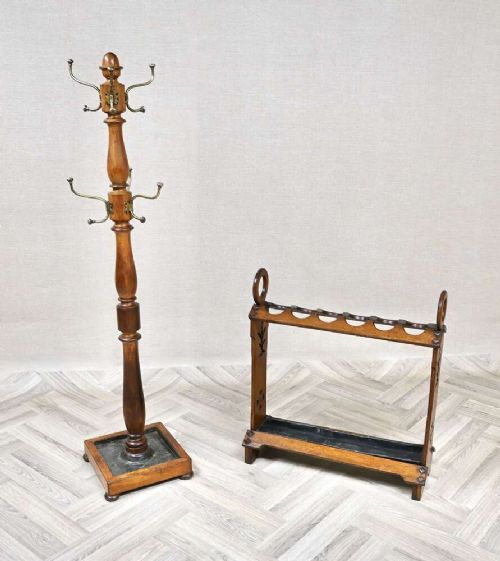
Metal elements appear in cast iron, brass, and industrial components, often combined with wood or cast entirely into intricate patterns with drip trays for wet umbrellas.
Vintage Coat Tree Retail Price Guide 2026
Typical asking prices for vintage coat tree among the pieces listed under this phrase on Sellingantiques today, from the lower quarter to the upper quarter. They describe what is for sale here now, not the wider market.
Listings feature oak, beech, metal, cast iron, and bentwood across Victorian, Edwardian, Arts and Crafts, and Art Nouveau styles.
Assessing quality and form
Quality rests in the integrity of the joints, the weight of the casting or timber, and the subtlety of the carved or curved detailing. Superior bentwood stands display smooth, continuous steam-formed curves without stress fractures, whilst better hall stands exhibit dense oak or walnut construction with well-fitted mirrors and brass hardware.
Simpler utility pieces offer straightforward function, whereas examples bearing maker attributions or complex multi-functional designs with seats and umbrella pans represent the upper tier of the range.
Thonet·J. Parker of Woodstock·Coalbrookdale·Astrola·Jas. Shoolbred
The Vintage Coat Tree Glossary
- Bentwood
- Wood softened by steam and bent into curved structural shapes. This technique defines lightweight stands produced in large quantities during the late nineteenth and early twentieth centuries.
- Hallstand
- A piece of hallway furniture combining coat hooks, a mirror, umbrella storage, and frequently a small bench seat. These items organise entrance spaces.
- Demi lune
- Half-moon shape in furniture design. Hall stands built with a flat back to sit flush against a wall often utilise this profile.
- Thonet
- A manufacturing name associated with pioneering steam-bent furniture. Pieces in this style utilise curved wooden sections for strength and grace.
Vintage Coat Tree: Frequently Asked Questions
What is a vintage coat tree?
A vintage coat tree is a tall freestanding post fitted with multiple hooks for hanging hats, coats, and scarves in an entryway or hallway.
These pieces range from steam-bent wooden stands to cast iron and solid oak hall furniture produced across the nineteenth and twentieth centuries.
How do I place a hall stand?
Hall stands suit entryways, corridors, and reception rooms where guests remove outerwear upon arrival.
Freestanding designs require adequate floor clearance, whereas wall-mounted racks attach directly to plaster or timber partitions to save floor space.
What materials were used?
Construction materials include hardwoods such as oak, mahogany, and walnut, alongside steam-bent beech and beechwood.
Metal components appear frequently in the form of cast iron frames, brass hooks, and zinc or iron umbrella drip trays.
How do I date a coat stand?
Dating relies on stylistic markers such as the ornate carvings of Victorian and Edwardian pieces, the clean lines of Arts and Crafts design, or the curved minimalism of bentwood.
Materials and construction methods, including the presence of steam-bent beech or heavy cast iron, further indicate the period of manufacture.