




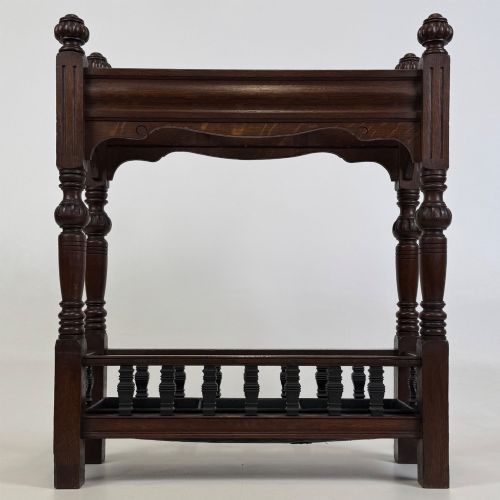
Wooden Umbrella Rack
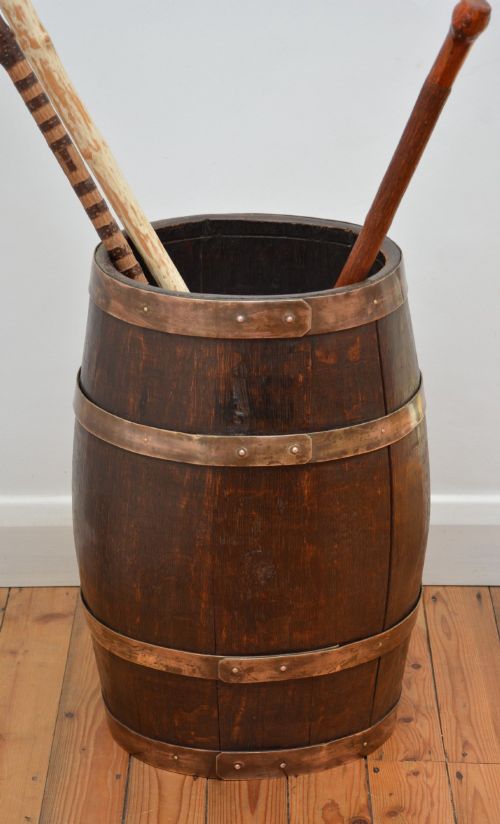
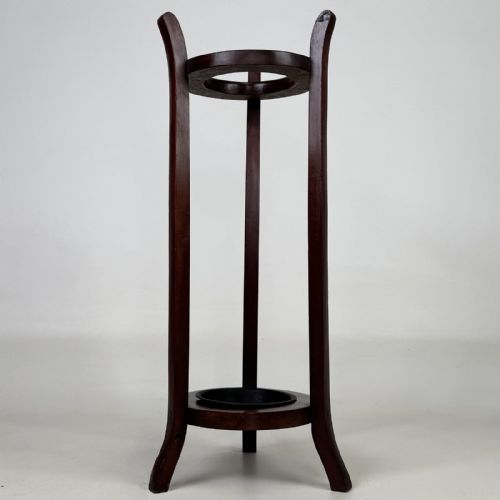
A wooden umbrella rack keeps heavy hallways tidy, offering a dedicated spot for wet sticks and damp walking poles.
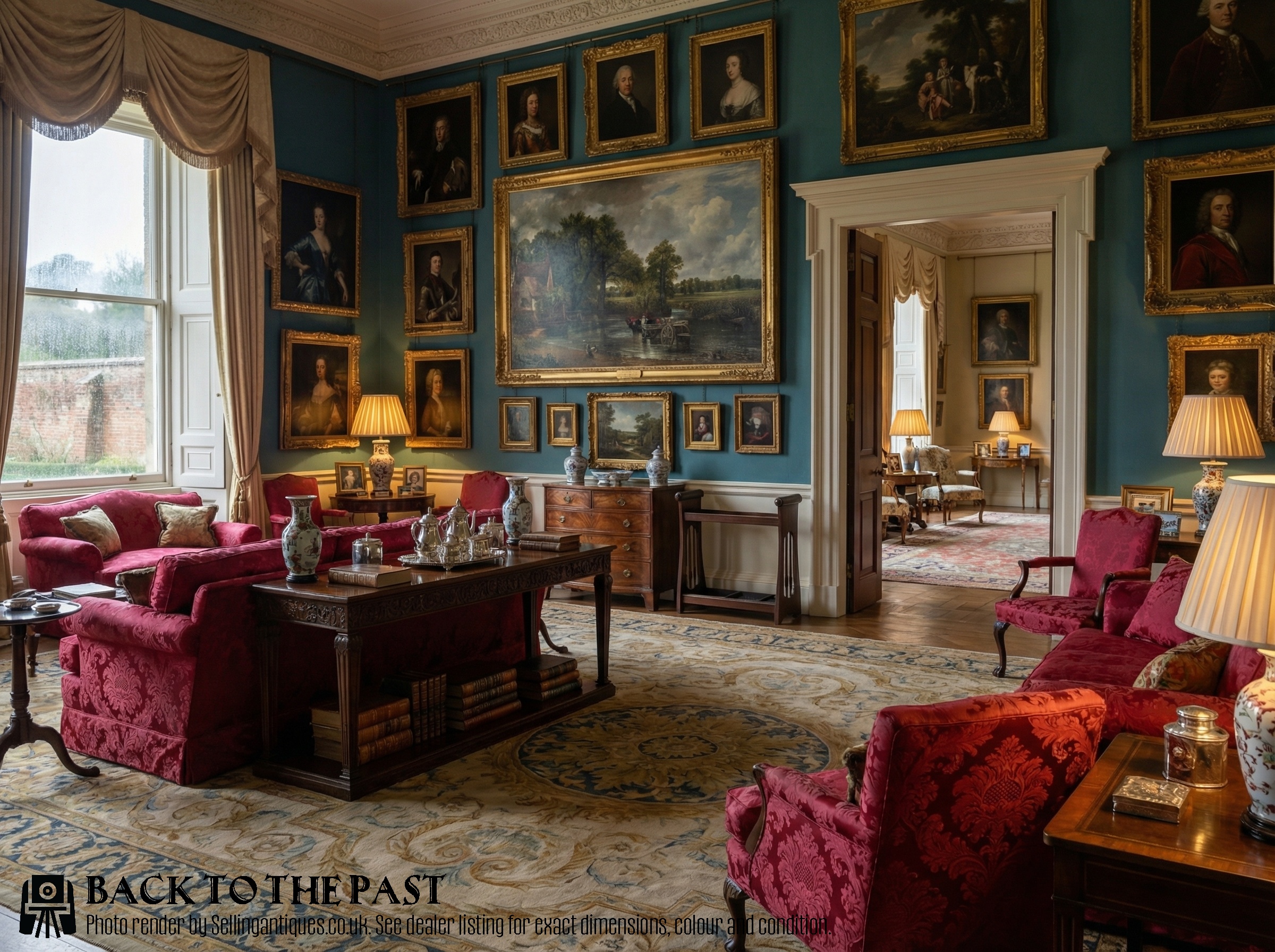
Wooden Umbrella Rack
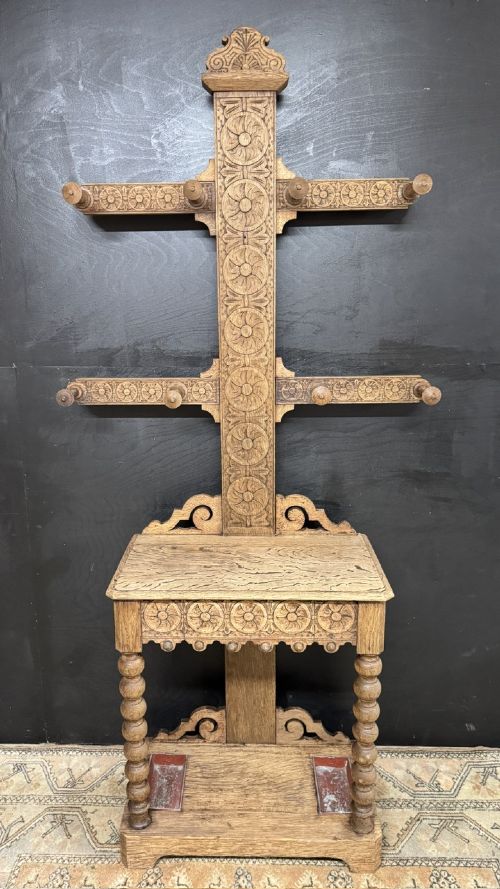
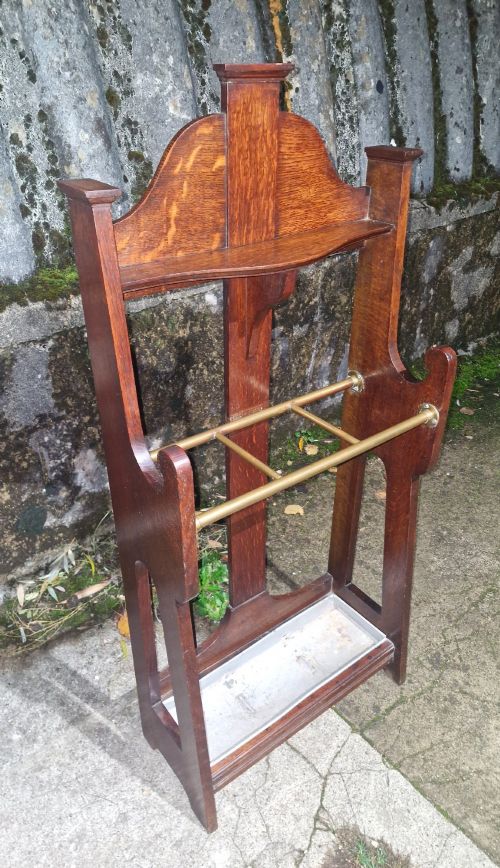
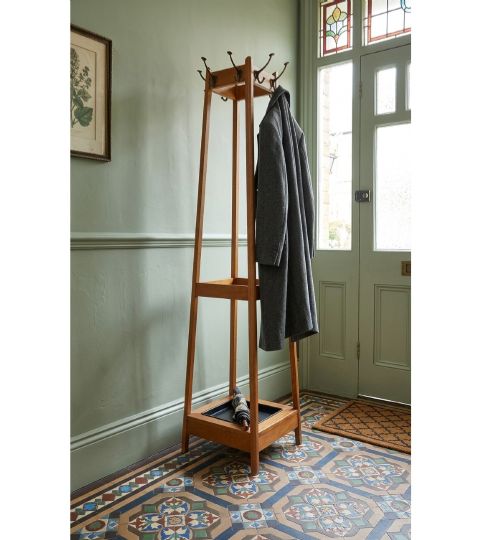
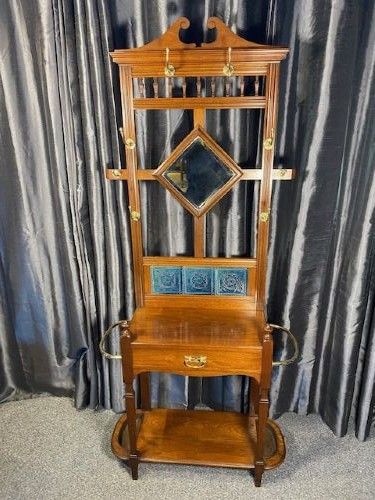
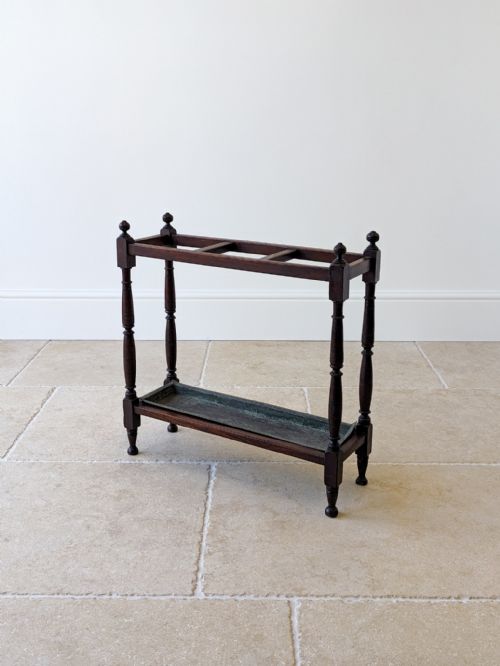
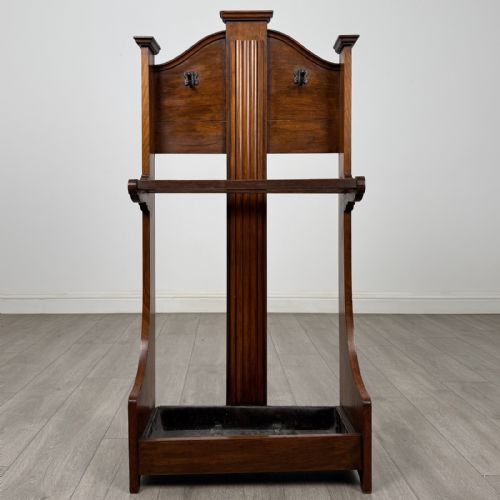
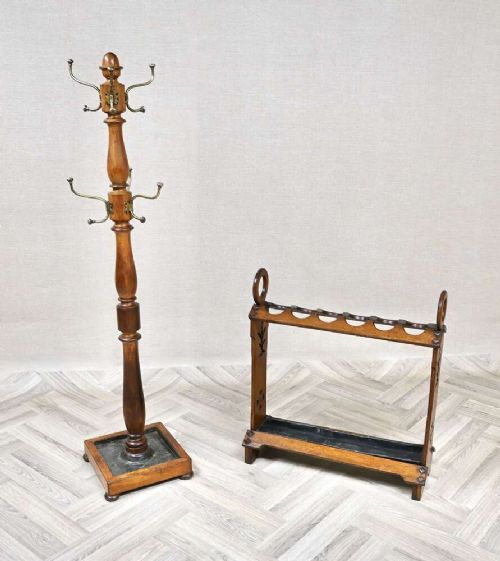
A wooden umbrella rack appears in various incarnations across this selection, ranging from dedicated stick holders to larger hall stands combining coat hooks, mirrors, and umbrella wells. The most frequent iteration is the oak or beech stand originating from the Victorian and Edwardian eras, designed specifically for domestic hallways.
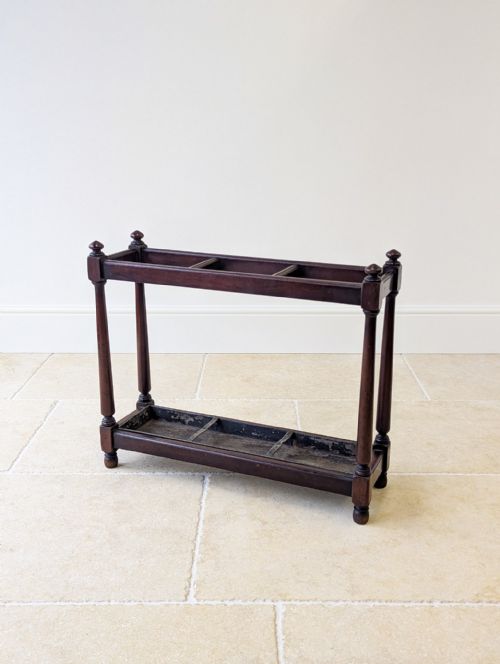
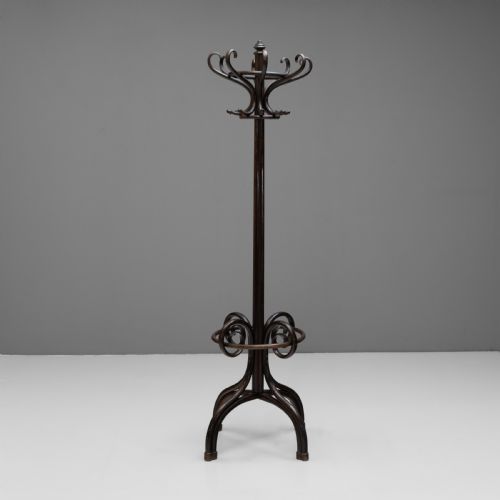
Makers utilised resilient timbers to construct hall furniture that withstood daily comings and goings. Pieces span from simple nineteenth century pine and mahogany troughs to elaborate Arts and Crafts golden oak designs and steam bent beech creations.
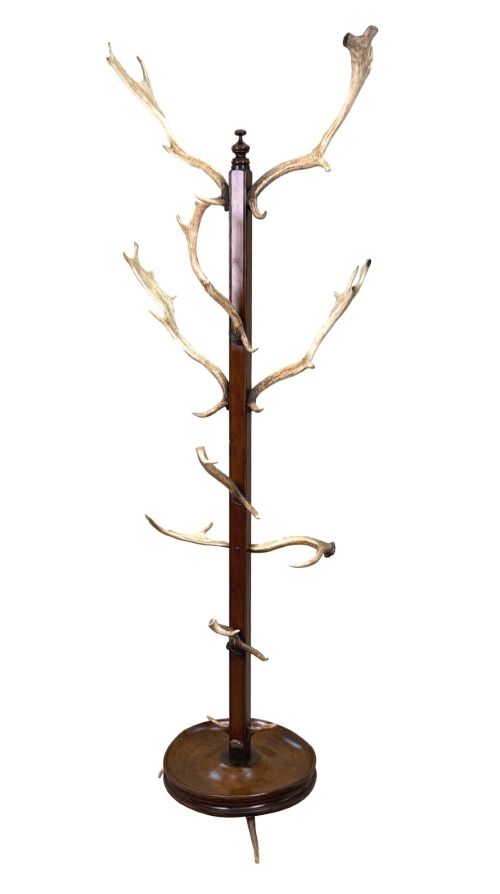
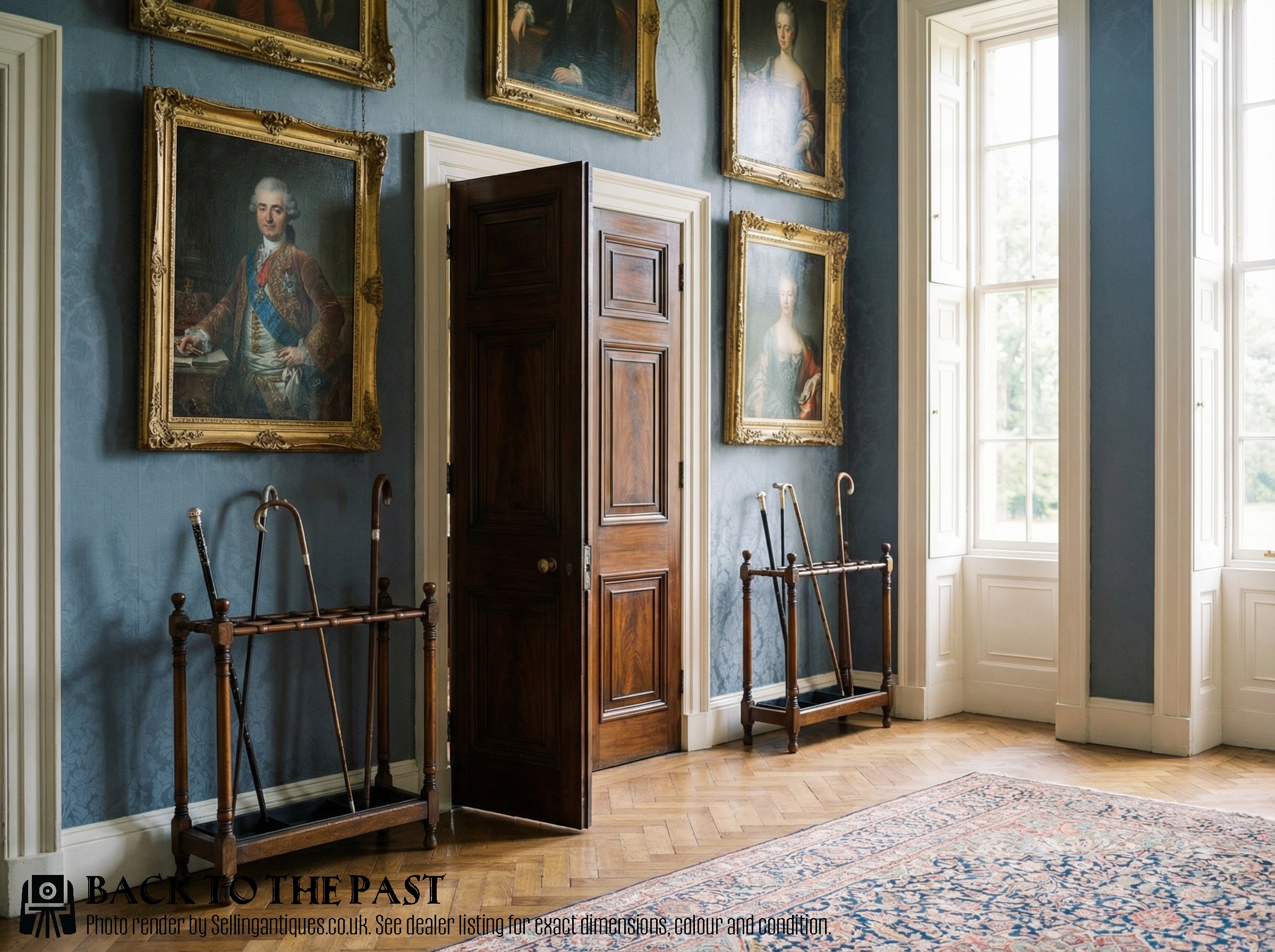
The selection includes specialised corner stands, revolving hat and coat combinations, and pieces featuring integrated metal drip trays to catch rainwater. French aesthetic period examples and Black Forest carvings also emerge among the inventory.
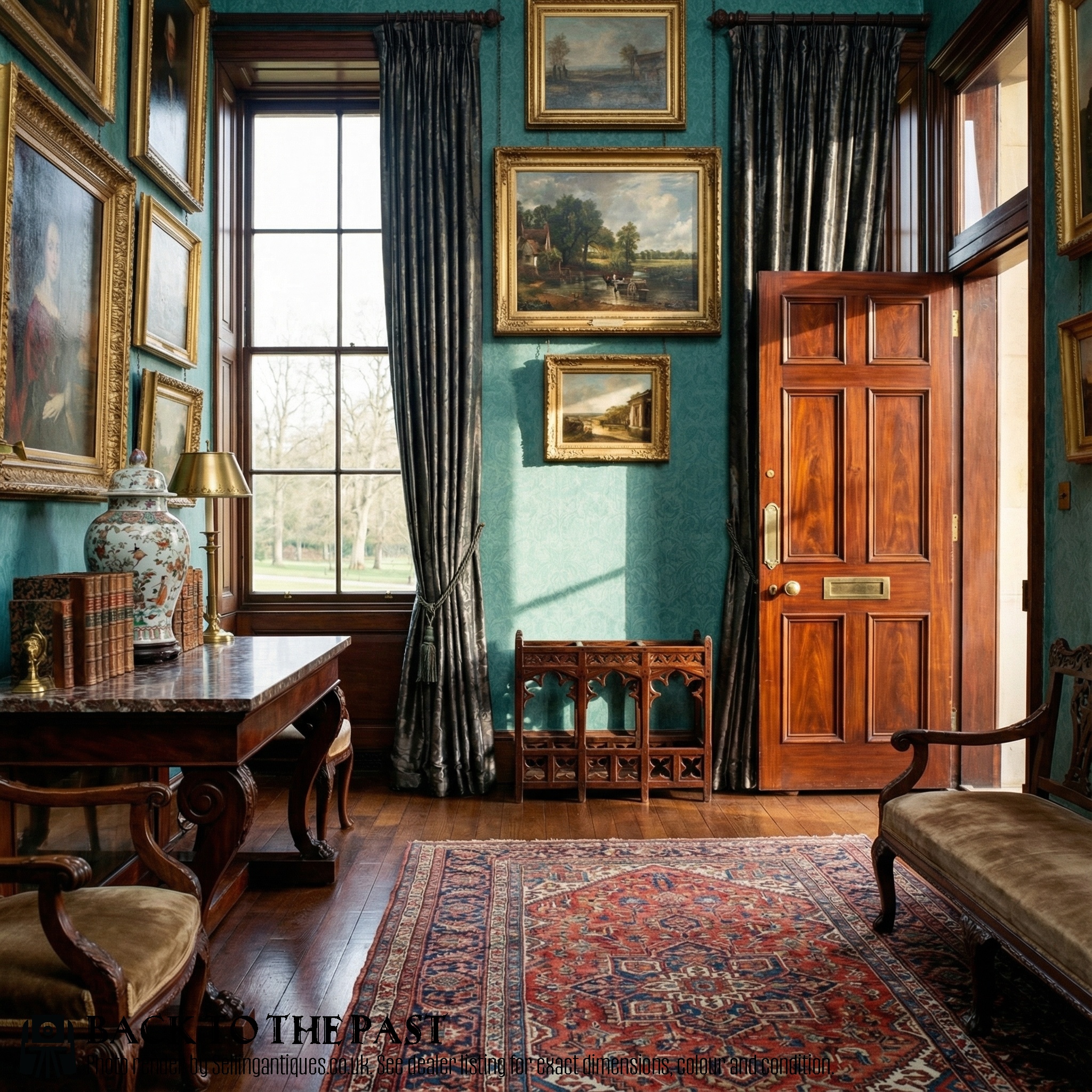
Materials and construction
Makers constructed these pieces predominantly from solid oak, mahogany, beech, and pine, often enhancing them with brass or cast iron attachments for hooks and rail frames. Bentwood production involved steaming beech timber until pliable, allowing craftsmen to curve the wood into continuous loops and structural ribs.
Joinery techniques relied heavily on traditional mortise and tenon joints for stability in heavy use environments like entrance halls. Metal components such as zinc or iron drip trays were incorporated at the base to protect the wood from standing water.
Wooden Umbrella Rack Retail Price Guide 2026
Typical asking prices for wooden umbrella rack among the pieces listed under this phrase on Sellingantiques today, from the lower quarter to the upper quarter. They describe what is for sale here now, not the wider market.
Listings feature oak, beech, mahogany, and pine construction spanning from the nineteenth century through the Edwardian period.
Assessing execution
Quality rests in the integrity of the timber selection and the resilience of the structural joinery under daily weight. Superior examples display carefully matched grain, robust steam bent curves without fracture lines, and intact original metal drip trays.
The sophistication of the carving and the presence of designated design movements, such as Arts and Crafts or Aesthetic Period detailing, separate standard utilitarian hall furniture from finer workshop pieces.
Thonet·Liberty
The Wooden Umbrella Rack Glossary
- Bentwood
- Furniture formed by steaming wood until flexible and bending it into curved shapes. This technique creates lightweight yet strong frames seen in many Edwardian hall stands.
- Drip tray
- A metal or glass receptacle placed at the base of a stand to catch water from wet umbrellas. These protect the wooden flooring and lower rails from moisture damage.
- Hall stand
- A multi-functional hallway item combining coat hooks, umbrella storage, and often a mirror or small seat. They organise entranceways by centralizing outdoor garments and accessories.
- Japonisme
- A nineteenth century style influenced by Japanese art and design. It appears on select maple and bamboo-turned hall furniture from the aesthetic period.
Wooden Umbrella Rack: Frequently Asked Questions
What is a wooden umbrella rack?
A wooden umbrella rack is a domestic furnishing designed to hold walking sticks and wet umbrellas upright in an entrance hall.
These pieces range from compact floor troughs to substantial hall stands equipped with integrated metal drip trays and coat hooks.
How do I identify an Edwardian stand?
Edwardian stands typically feature lighter golden oak timbers, simpler linear forms, and functional hardware associated with the early twentieth century.
They often contrast with heavier, darker Victorian mahogany and carved pine pieces from the preceding century.
Were these stands used in pairs?
These items were manufactured as standalone hall furniture rather than matched pairs, designed to serve as the sole cloakroom hub for a household.
Larger versions combined hat hooks, umbrella wells, and mirrors into one integrated piece of hallway architecture.
How do I protect the wood from water?
Original pieces rely on removable metal or zinc drip trays positioned at the base to catch moisture dripping from wet umbrellas.
Ensuring these liners remain present prevents standing water from rotting the wooden baseboards over decades of daily use.