




Arts and Crafts Hallstand
These arts and crafts hallstand examples combine utility and honest construction to anchor an entryway with period character.
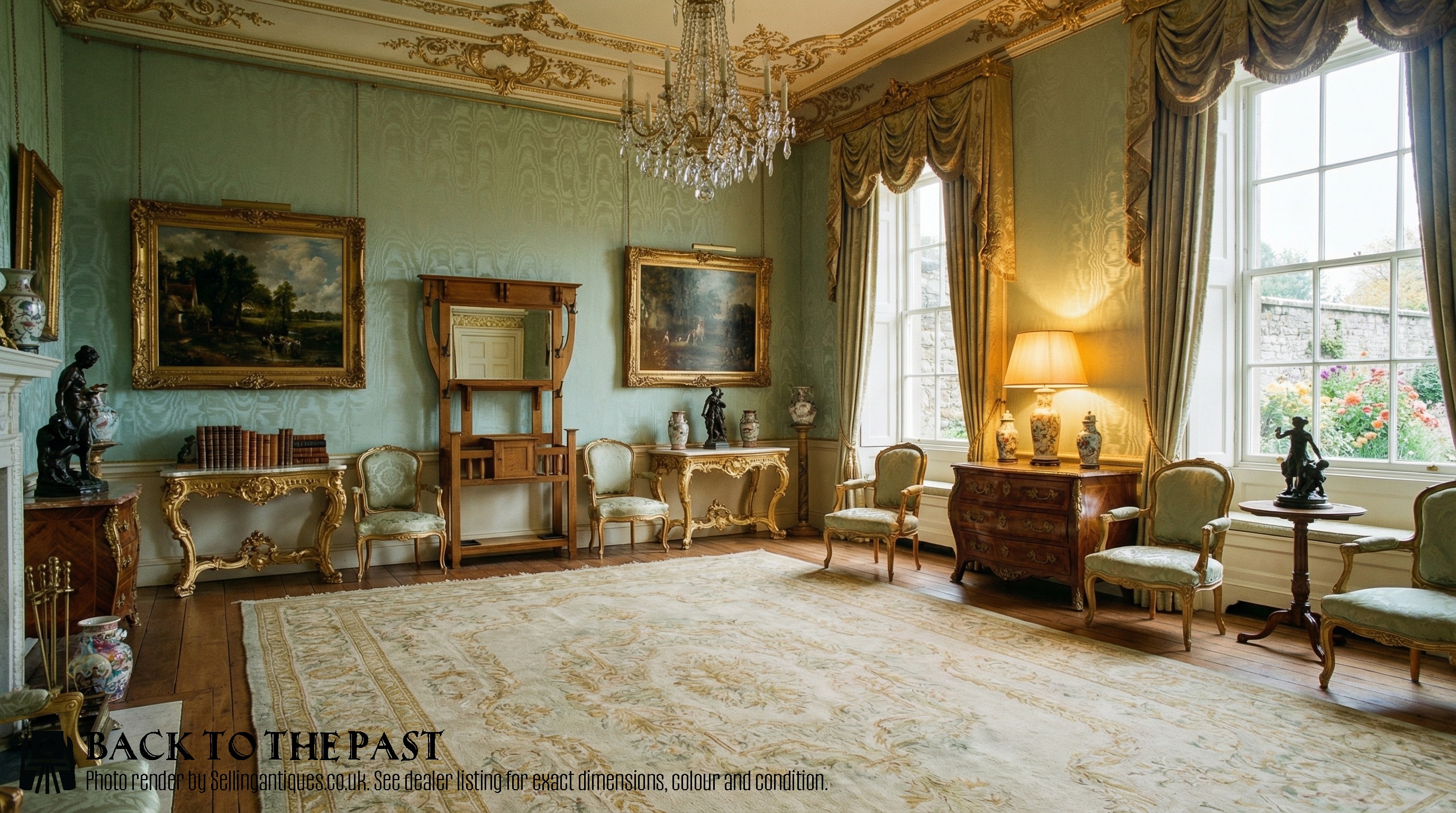
Arts and Crafts Hallstand
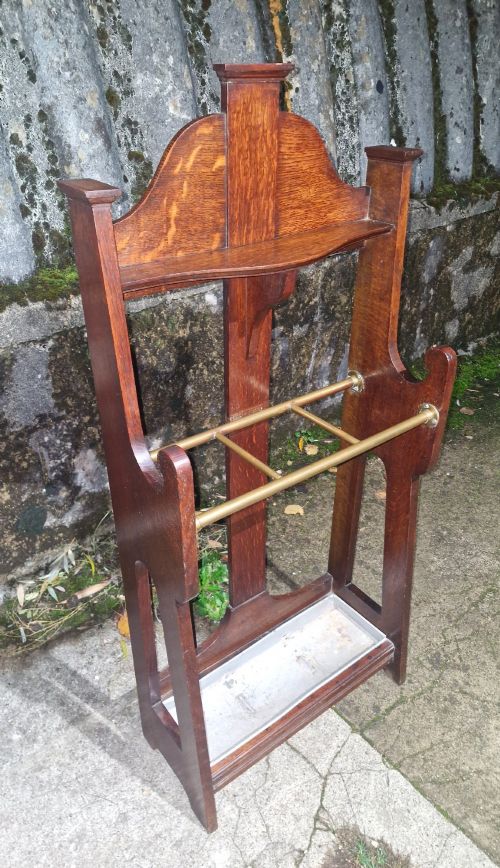
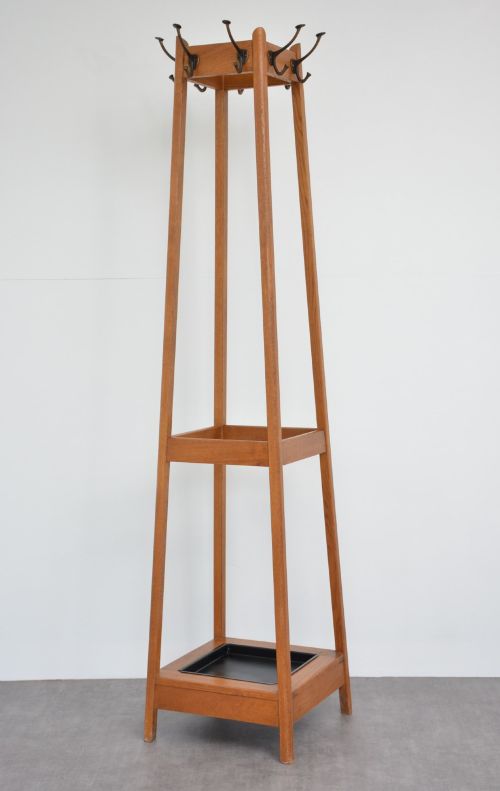
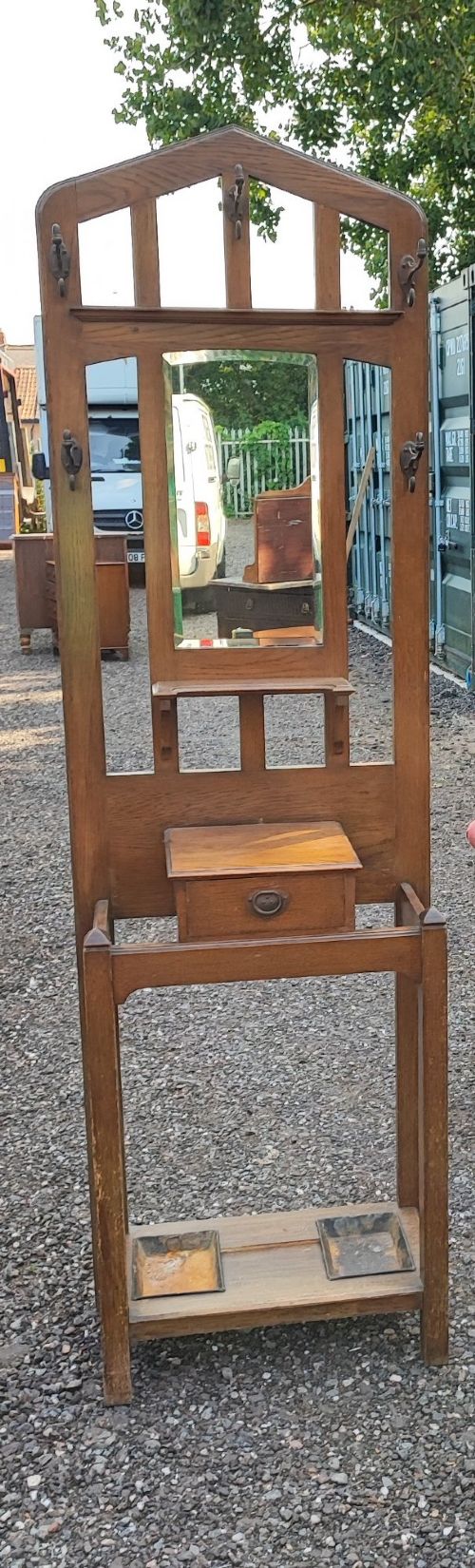
An arts and crafts hallstand serves as a functional entryway furnishing designed for hanging coats, storing hats, and holding walking sticks or umbrellas. These pieces combine multiple domestic uses into a single upright structure positioned immediately inside a front door.
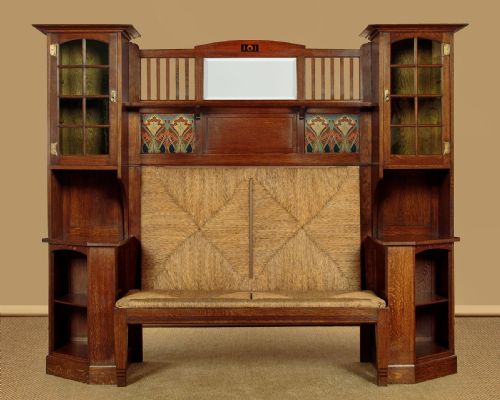
The versions most commonly met on this page are constructed from oak, though walnut and mahogany occasionally appear. They frequently incorporate integrated seating, storage boxes, mirror panels, and metal hooks or trays.
Originating across Victorian, Edwardian, and early twentieth-century periods, these items reflect the stylistic shift away from heavily ornamented Victorian revivalism toward simpler, utility-driven forms.
Materials and construction methods
Cabinet makers relied primarily on solid oak, working the timber to display strong grain patterns alongside occasional examples in walnut, mahogany, and light oak. Construction techniques favoured visible joinery and straightforward assembly suited to everyday domestic use.
Makers integrated various secondary materials to enhance utility and visual contrast. Brass, iron, and copper panels provided durable hardware and decorative accents, while glass formed mirror plates and ceramic elements acted as drip pans for umbrellas.
Arts and Crafts Hallstand Retail Price Guide 2026
Typical asking prices for arts and crafts hallstand among the pieces listed under this phrase on Sellingantiques today, from the lower quarter to the upper quarter. They describe what is for sale here now, not the wider market.
Some umbrella racks come equipped with original ceramic drip pans ready to catch rain from a Victorian afternoon shower.
Distinctions in quality and execution
The standard of a piece is determined by the integration of maker attribution and the choice of supplementary materials. Workshop production by known firms featuring hand-beaten copper panels or specialised brass hardware sits at the upper end of the range.
Simpler workshop output relies on standard iron hooks and plain timber panels without maker signatures. The integration of seated storage and specialised umbrella compartments further separates elaborate pieces from straightforward coat racks.
GW Evans·James Shoolbred·Shapland & Petter·Liberty & Co·Gardner & Sons
The Arts and Crafts Hallstand Glossary
- Hallstand
- A piece of hallway furniture combining coat hooks, a hat shelf, and umbrella storage into a single upright unit. Many examples also include a central mirror and a small bench seat.
- Oak
- A durable hardwood heavily favoured by makers of this period for its strength and prominent grain. It appears in dark Victorian finishes as well as lighter early twentieth-century tones.
- Copper panels
- Metal sheets set into the woodwork, sometimes hand-beaten with motifs typical of the movement. They provide a reflective, decorative contrast to the timber frame.
- Drip pan
- A removable metal or ceramic tray placed at the base of the umbrella section to catch moisture from wet sticks and parasols. These items protect the wooden base from water damage.
Arts and Crafts Hallstand: Frequently Asked Questions
What periods do these hallstands come from?
These pieces date from the Victorian era, the Edwardian period, and around nineteen ten.
Evidence in the archive records items spanning the late nineteenth century through the early twentieth century.
What materials were used to build them?
Makers constructed the primary frames using solid oak, with occasional examples finished in mahogany or walnut.
Additional materials include brass hooks, iron brackets, copper panels, glass mirrors, and ceramic or metal umbrella trays.
How were these hallstands used originally?
Households placed them immediately inside the main entrance to manage outdoor garments and accessories.
They provided designated spaces for hanging coats and hats while keeping walking sticks and umbrellas organised in integrated lower racks.
How do I identify a maker's piece?
Certain pieces carry stamps, tags, or paper labels from prominent retail firms and cabinet workshops.
Distinctive hardware choices, such as specific brass hooks or hand-worked copper panels, also point toward known makers.