

Wooden Hat Rack
A wooden hat rack organises hallway clutter while bringing period craft into the home, ranging from wall-mounted rails to freestanding stands.
Wooden Hat Rack
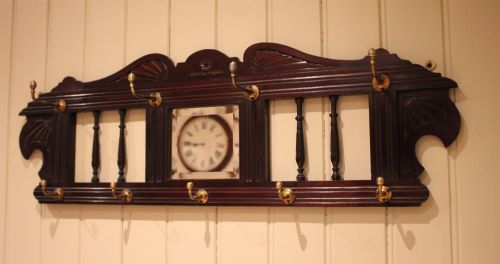
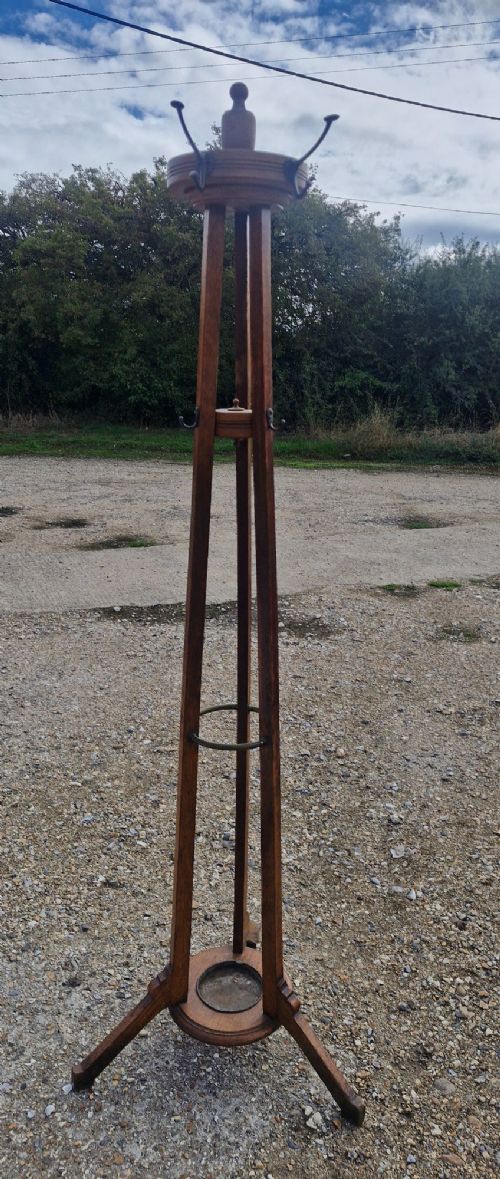
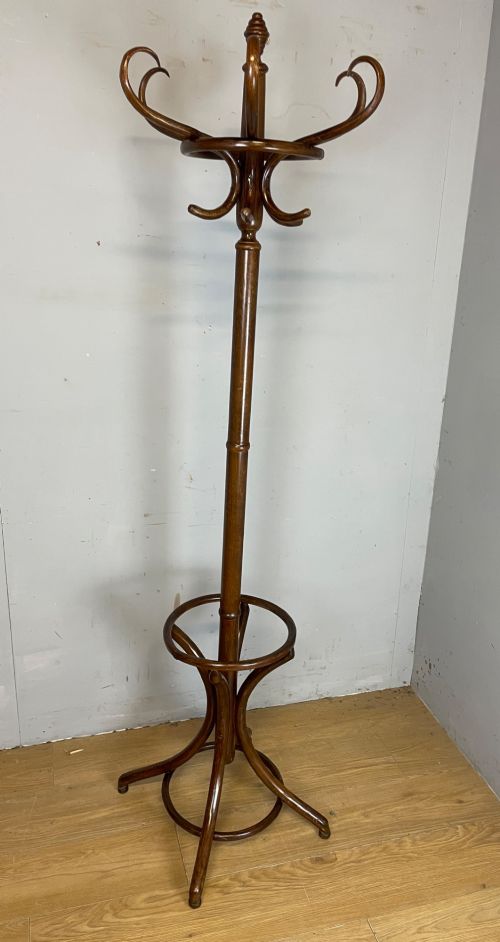
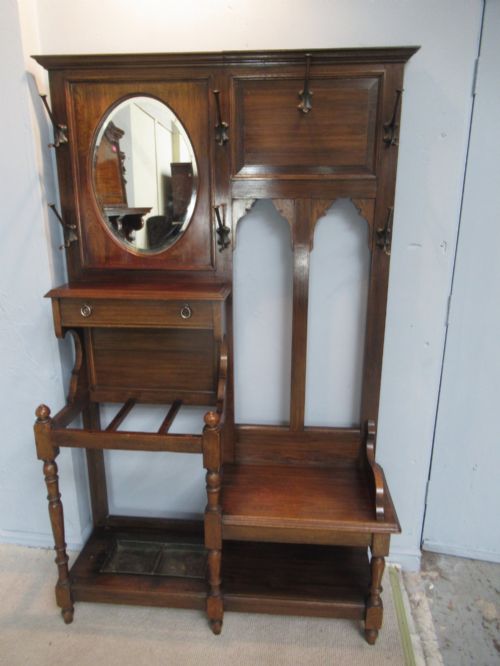
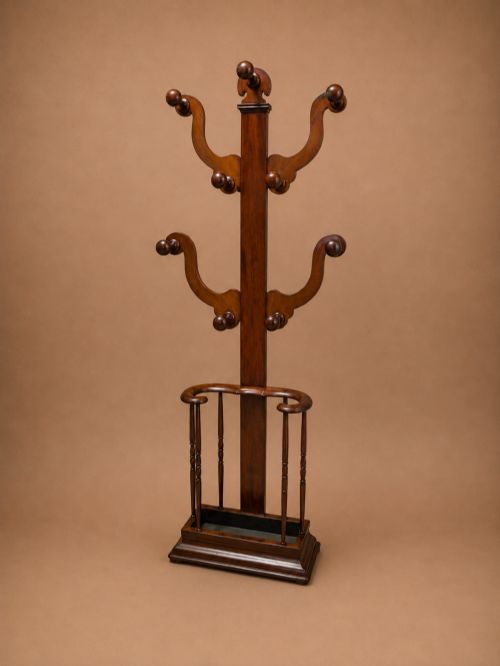
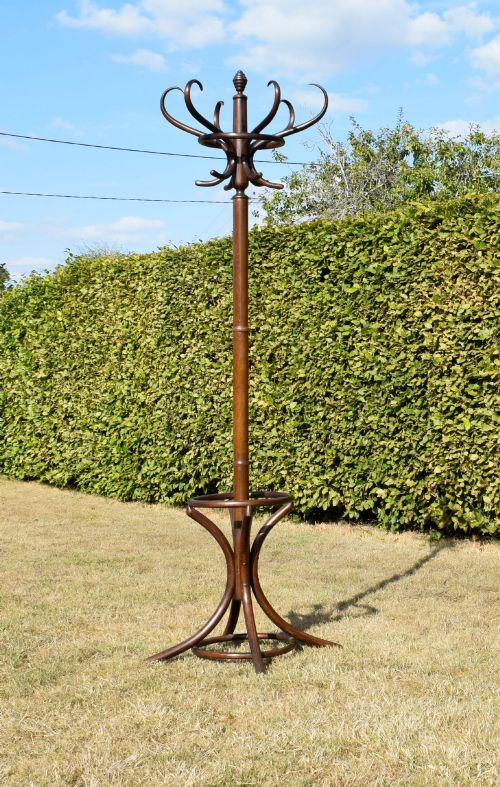
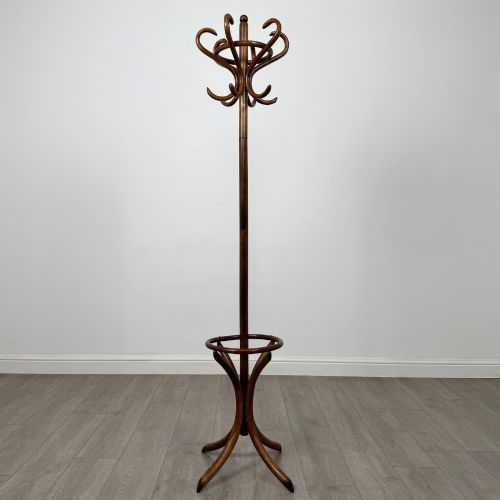
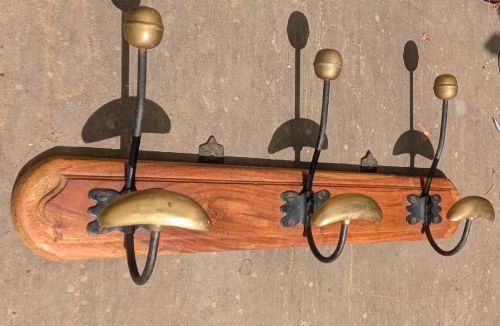
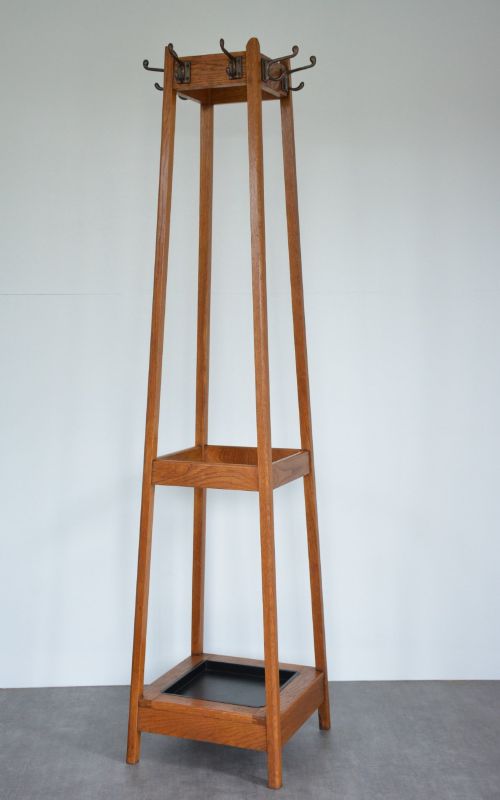
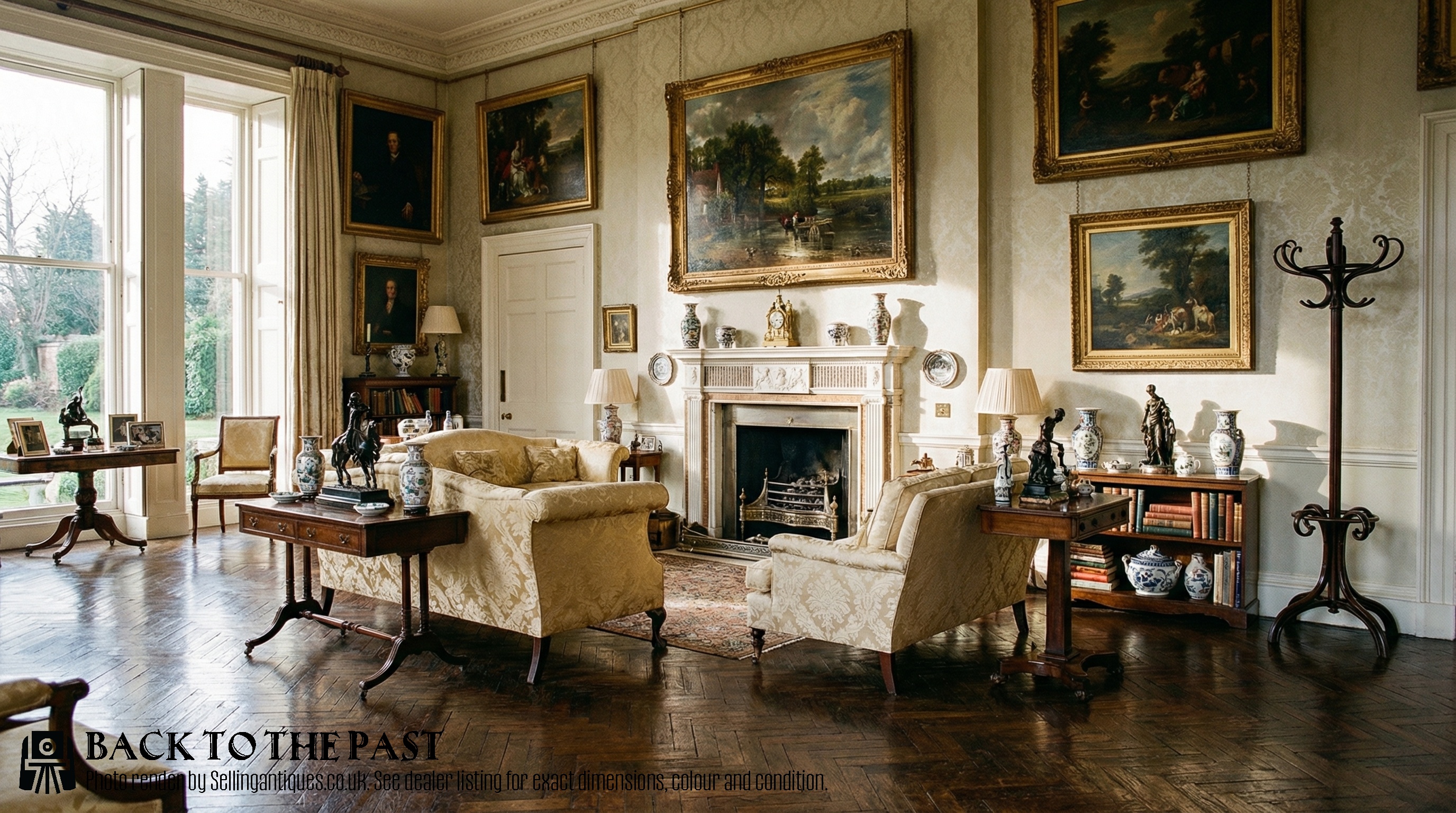
When searching for a wooden hat rack, buyers encounter a variety of hallway furniture spanning the Victorian, Edwardian, and early twentieth-century periods. These items include wall-mounted coat racks, freestanding hall stands, and revolving hat trees designed for domestic cloakrooms and hallways.
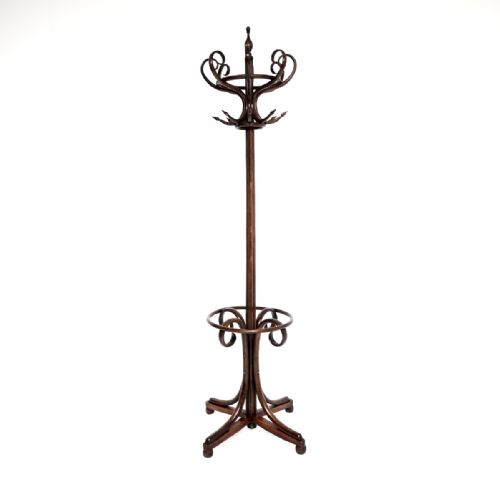
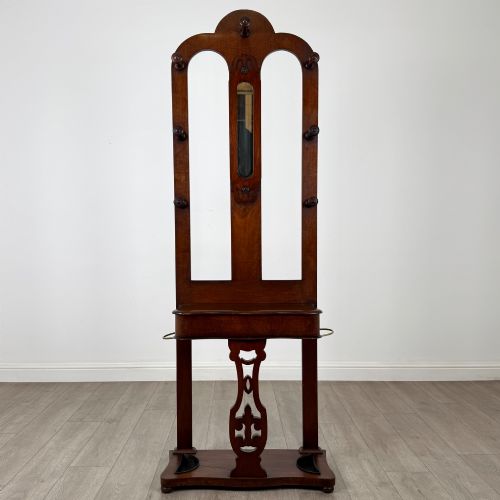
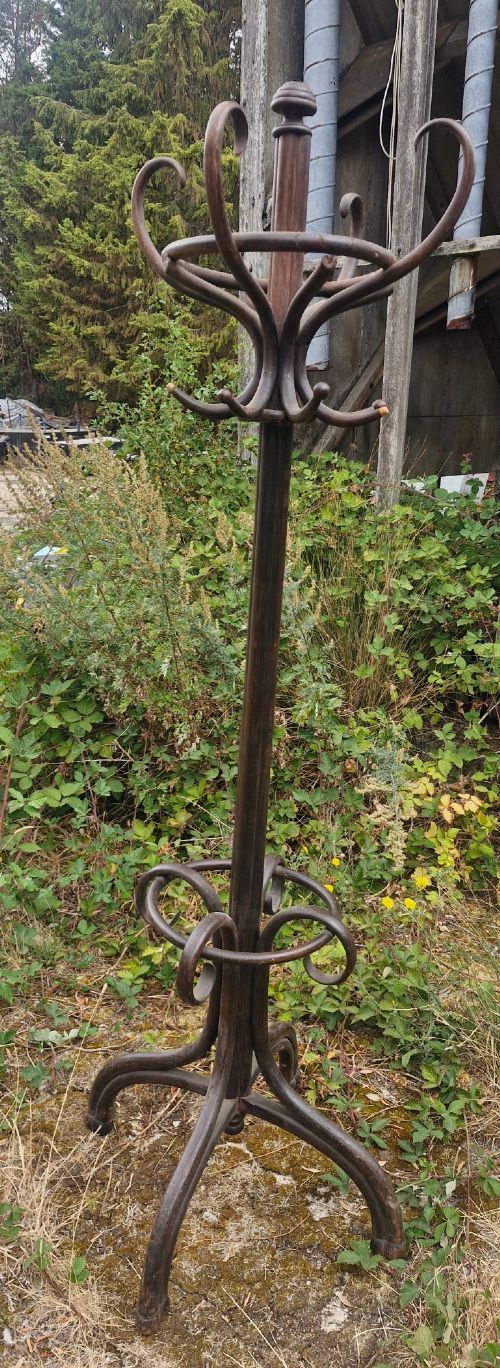
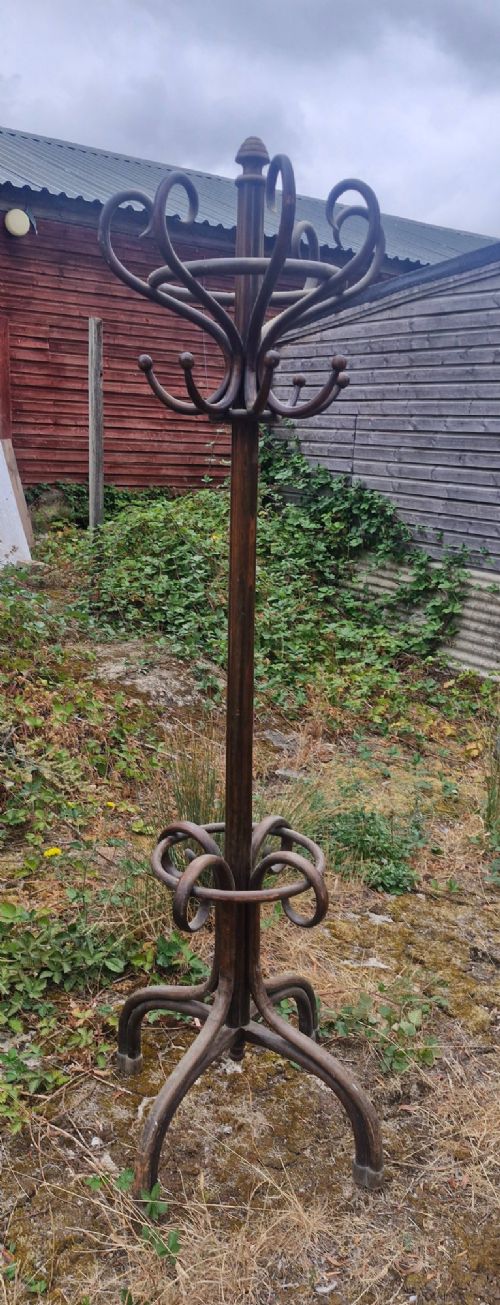
The selection on this page relies heavily on bentwood designs in beech alongside solid oak and mahogany pieces from the nineteenth and twentieth centuries. Many incorporate practical additions such as umbrella holders, drip trays, and brass or ceramic hooks.
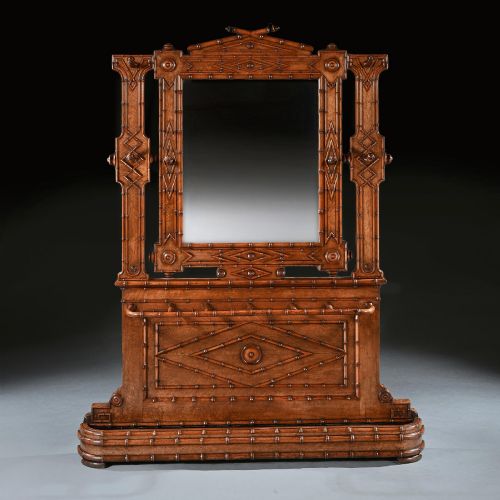
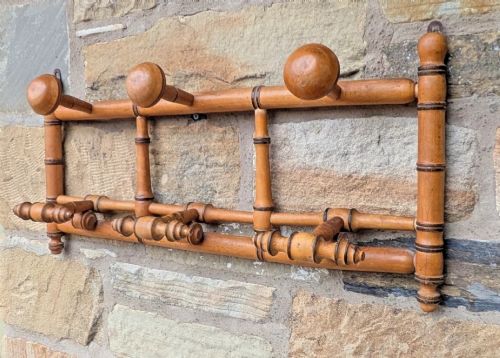
Makers and styles represented span from simple English pine backboards to French aesthetic period faux bamboo and Thonet bentwood creations. Buyers will find both compact wall rails and large, multi-functional hall trees suited to period and traditional interiors.
How they were made
Construction methods depend on the specific form, utilising steam-bent beech for curved bentwood hat stands and solid timbers like oak, mahogany, and walnut for framed hall stands and wall racks. Woodworkers employed traditional joinery techniques, turning solid timber for upright columns and steam-bending wood under heat to achieve the iconic continuous curves seen in Thonet-style pieces.
Hardware forms an integral part of the construction, integrating cast brass hooks, ceramic coat pegs, and occasional glass elements mounted securely to wooden backboards or bentwood frames. Metal drip trays and umbrella rings appear in floor-standing pieces, fashioned from pressed metal or brass to catch water from wet weather gear.
Wooden Hat Rack Retail Price Guide 2026
Typical asking prices for wooden hat rack among the pieces listed under this phrase on Sellingantiques today, from the lower quarter to the upper quarter. They describe what is for sale here now, not the wider market.
Listings feature wooden hat racks spanning the Victorian, Edwardian, and Art Deco eras, constructed from oak, mahogany, beech, and bentwood.
What varies in quality
Quality separates through the selection of timber, the integrity of the steam bends, and the original retention of hardware. Superior examples feature dense hardwoods like mahogany and figured oak, or well-steamed beech that maintains structural rigidity without splitting under weight.
Finer pieces retain matching original brass or ceramic hooks and intact drip trays rather than later replacements. The complexity of the frame, such as revolving mechanisms on hat stands or detailed fretwork on Arts and Crafts hallstands, marks the distinction between standard utility items and higher-tier workshop output.
Thonet·Astrola·Jas. Shoolbred
The Wooden Hat Rack Glossary
- Bentwood
- Wood shaped by applying steam to soften the grain before bending it into rounded forms. This technique produced lightweight yet strong hat stands popularised by makers like Thonet.
- Hall Stand
- A large freestanding hallway piece combining coat hooks, a hat rack, a mirror, and umbrella storage. Many examples include a small compartment or glove drawer.
- Faux Bamboo
- Wood carved or painted to replicate the segmented nodes of natural bamboo stems. This decorative finish appeared frequently on French aesthetic period furniture.
- Drip Tray
- A metal or ceramic shallow basin fitted at the base of a hall stand to collect water from wet umbrellas. These trays protected wooden floors from moisture damage.
- Japonisme
- A late nineteenth-century artistic movement influenced by Japanese art and design. It manifests in furniture through asymmetrical layouts and faux bamboo carving.
Wooden Hat Rack: Frequently Asked Questions
How do I mount a wall hat rack?
Wall-mounted wooden hat racks attach through pre-drilled screw holes in the backboard or via mounting brackets placed behind the wooden rail. Ensure you fix the screws into wall studs or use appropriate wall anchors to support the weight of heavy winter coats.
Position the rack at a height accessible for daily use while leaving clearance below for hanging garments or placing a bench or shoe rack underneath.
What is the difference between a hall stand and a hat rack?
A hat rack typically refers to a wall-mounted wooden board fitted with hooks, or a tall freestanding bentwood pole designed specifically for hats and coats. A hall stand is a larger, multi-purpose piece of furniture that often includes a central mirror, glove box, umbrella wells, and a drip tray.
While both serve the hallway, hall stands function as substantial room focal points, whereas hat racks offer a space-saving storage solution for smaller entryways.
How do I care for bentwood hat stands?
Bentwood hat stands require stable indoor humidity levels to prevent the steam-bent beech timber from drying out or warping over time. Dust the polished wood regularly with a soft cloth and apply a quality furniture wax periodically to preserve the finish.
Avoid overloading the upper tiers with heavy winter coats beyond the intended capacity, distributing weight evenly across the hooks to maintain the balance of the freestanding frame.
How do I identify a Victorian hat rack?
Victorian wooden hat racks and hall stands generally feature dark, dense timbers such as mahogany and walnut, accompanied by turned wooden spindles, heavy brass hooks, and occasionally ceramic pegs. Design motifs lean towards formal, carved aesthetics or elaborate Aesthetic Movement styles.
Later Edwardian and 1920s pieces often transition towards lighter golden oak, simpler lines, or the fluid curves of bentwood construction.