


Vintage Umbrella Stand
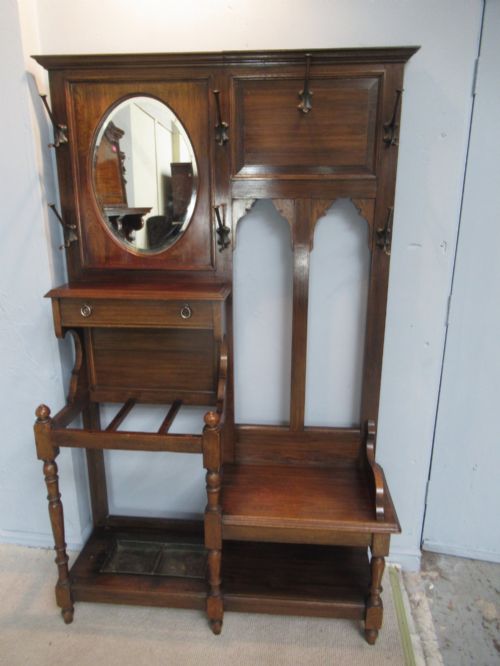
A vintage umbrella stand organises the hallway while holding walking sticks and wet canes.
Vintage Umbrella Stand
A vintage umbrella stand is a functional item designed to receive wet walking sticks and wet umbrellas upon entering a home. Buyers searching for a vintage umbrella stand encounter various forms, ranging from dedicated stick holders to multi-functional hall furniture.
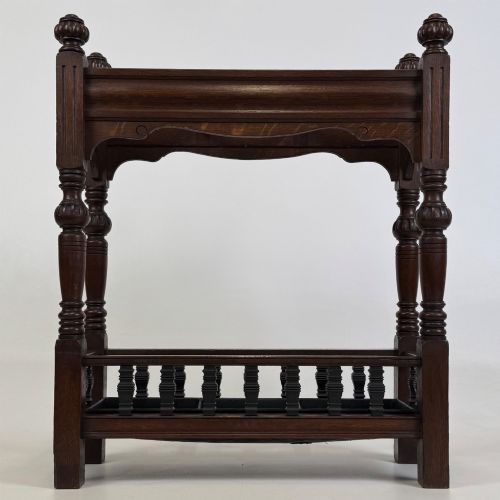
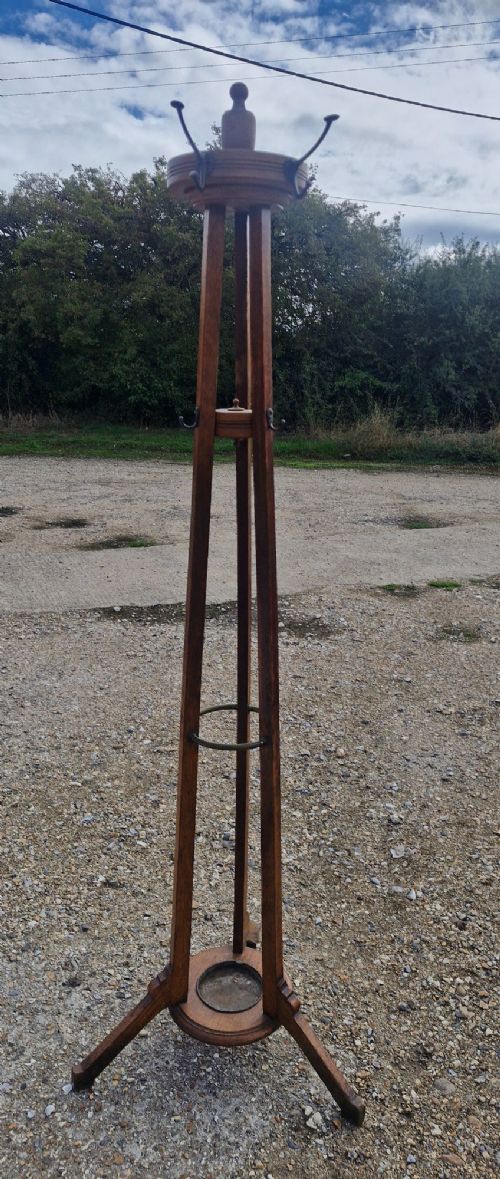
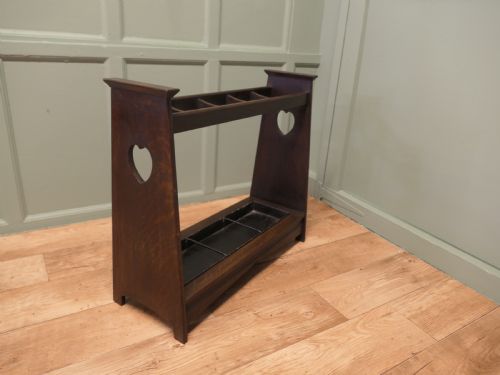
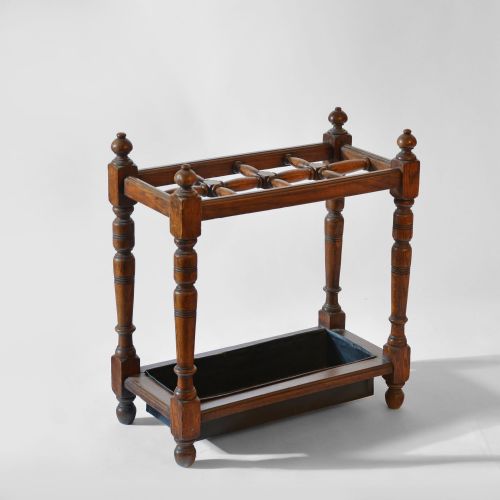
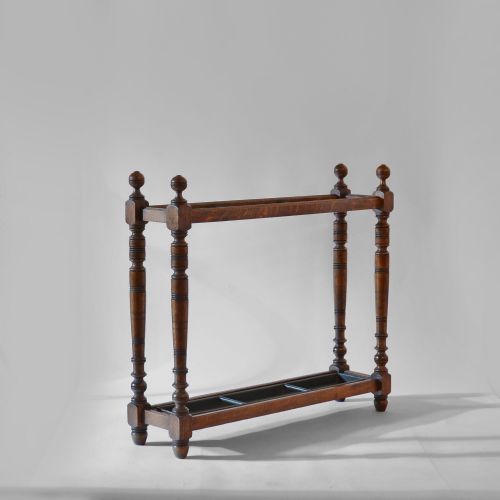
The most common examples on this page are oak stands from the Edwardian period and Victorian cast iron designs. Many pieces combine umbrella storage with coat hooks, small seats, or mirrored panels to suit hallway spaces.
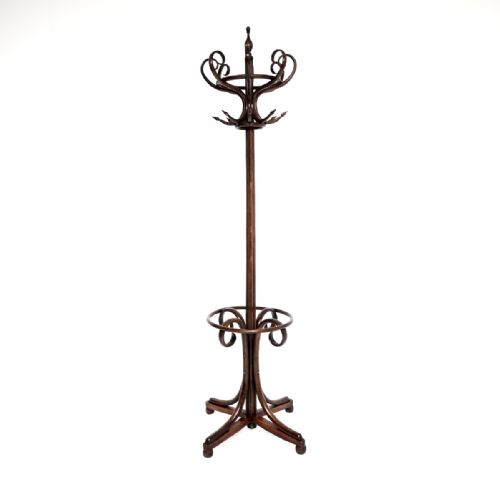
Origins span the nineteenth century through the early twentieth century, including styles such as Arts and Crafts, Art Nouveau, and Aesthetic Movement. Materials vary from heavy metal to turned timber and bentwood.
How they were made
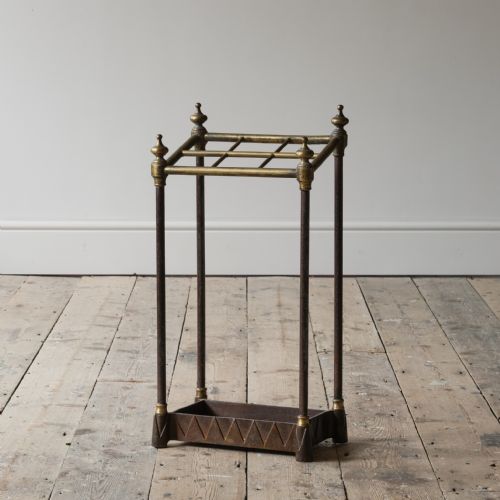
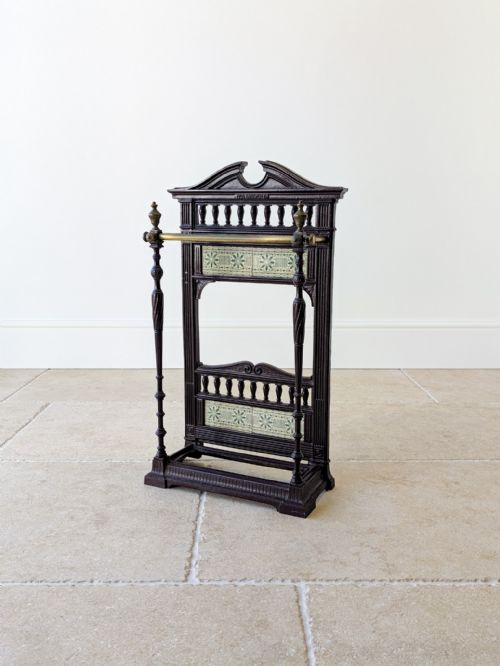
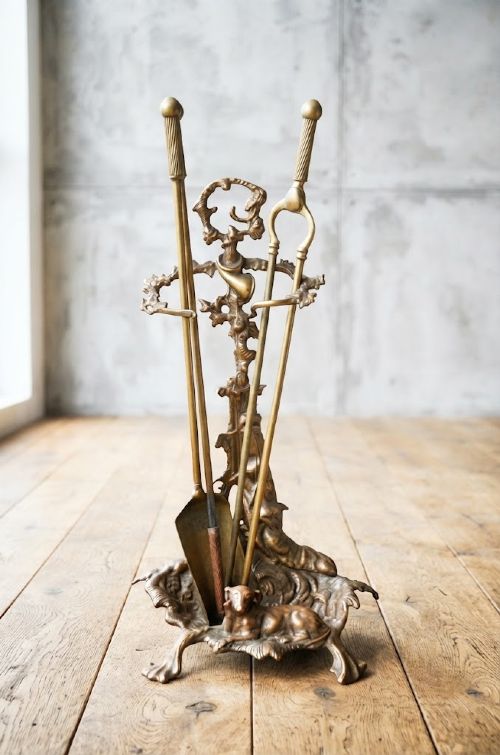
Makers constructed these pieces using durable materials suited to damp environments, principally cast iron, brass, and solid oak. Cast iron sections often feature openwork scroll patterns or heavy framing, while brass components provide structural hoops and decorative finials.
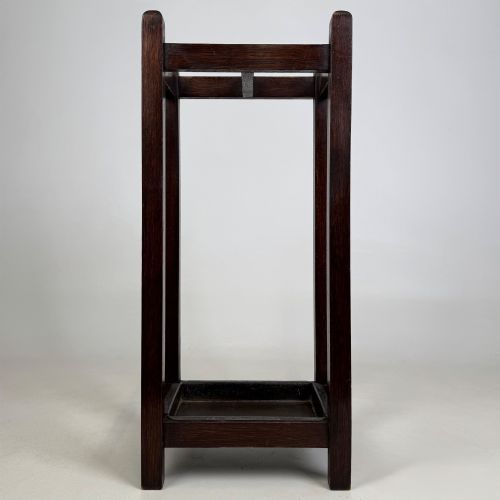
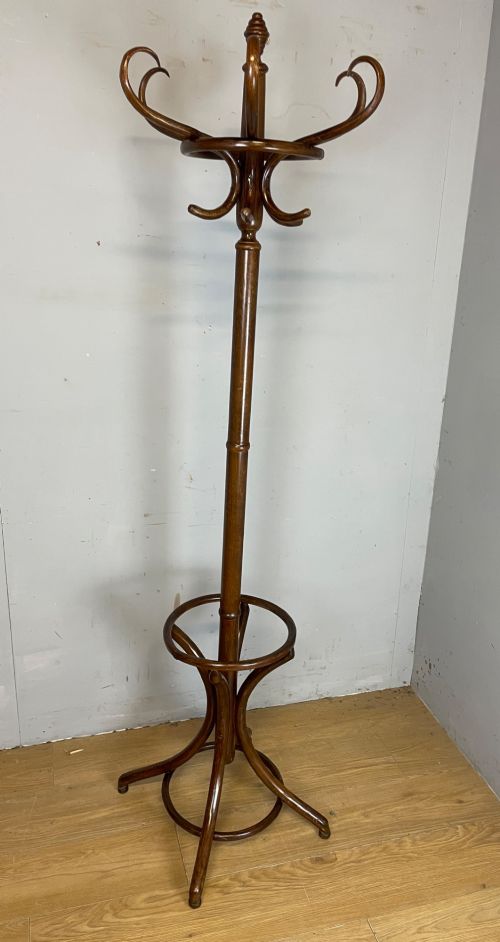
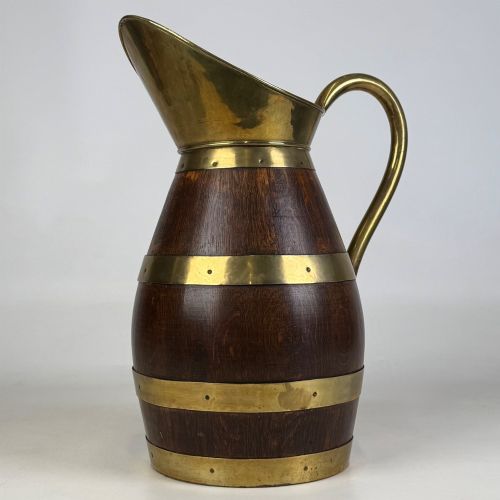
Woodworking techniques include coopered construction for barrel-shaped oak bodies, steam bending for beech hat and stick stands, and detailed joinery for Arts and Crafts furniture. Metal drip trays made from zinc or galvanized iron were fitted below to catch water runoff.
Vintage Umbrella Stand Retail Price Guide 2026
Typical asking prices for vintage umbrella stand among the pieces listed under this phrase on Sellingantiques today, from the lower quarter to the upper quarter. They describe what is for sale here now, not the wider market.
Some cast iron models were manufactured by ironfoundries that simultaneously produced garden benches and ornate boot scrapers.
What varies in quality
Quality rests in the weight of the casting, the fidelity of the maker's design, and the retention of original components such as metal drip trays. Heavier cast iron models with crisp detailing and named foundry marks sit higher in the range than plain, utilitarian versions.
For wooden examples, the integrity of the timber, the quality of the brass banding or coopered staves, and the presence of integrated hooks or mirror frames separate standard hallway items from finer decorative pieces.
Coalbrookdale·Liberty Design
The Vintage Umbrella Stand Glossary
- Coopered
- Made from curved wooden staves bound together with metal hoops, much like a barrel or cask. This technique appears frequently in oak stick holders.
- Demi-lune
- Half-moon shaped in plan, allowing the stand to sit flush against a hallway wall without protruding too far into the floor space.
- Japanned
- Finished with a hard, black, glossy varnish imitating traditional Japanese lacquerwork, seen on select Edwardian hall pieces.
- Bentwood
- Wood softened by steam and bent into curved structural forms, commonly utilised in beech hat and stick stands from the early twentieth century.
Vintage Umbrella Stand: Frequently Asked Questions
What is a vintage umbrella stand?
A vintage umbrella stand is a hallway receptacle designed to hold wet umbrellas and walking sticks upright.
These items range from standalone metal cylinders to large oak furniture combinations incorporating coat hooks and mirrors.
Where were umbrella stands used?
These stands stood in the entrance halls or vestibules of period homes to catch rainwater from outdoor garments.
They provided an organised station for visitors and residents to deposit walking gear immediately upon entry.
How do I care for cast iron?
Cast iron stands require dry indoor environments and occasional dusting to maintain the metal surface.
Moisture from wet umbrellas should be contained within the original or replacement drip tray to prevent rust formation.
How do I identify Edwardian oak stands?
Edwardian oak stands typically feature lighter golden tones and simpler joinery than heavy Victorian furniture.
They frequently incorporate brass rails, copper bandings, or mirrored back panels suited to smaller twentieth-century hallways.