



Edwardian Coat Stand
When you select an edwardian coat stand, you bring home a practical piece of hallway furniture designed to organise hats, coats, and walking accessories.
Edwardian Coat Stand
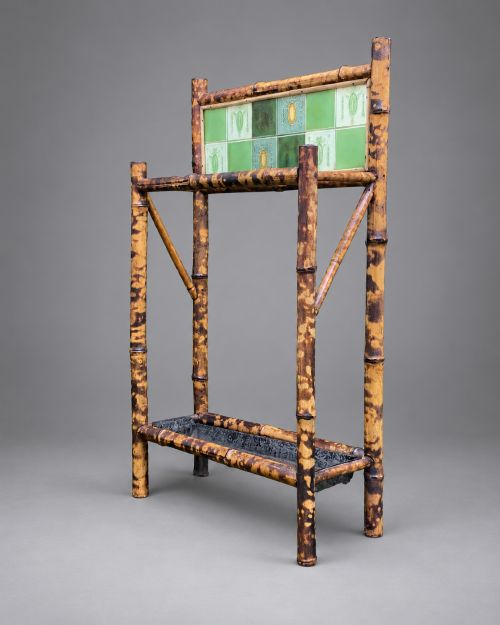
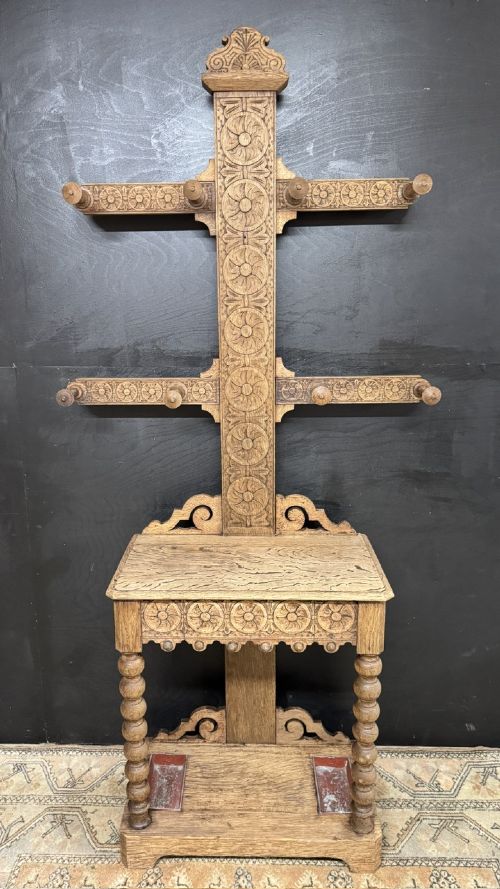
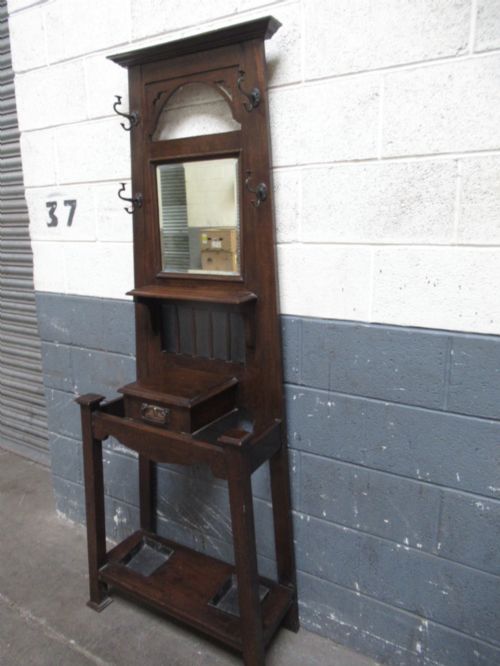
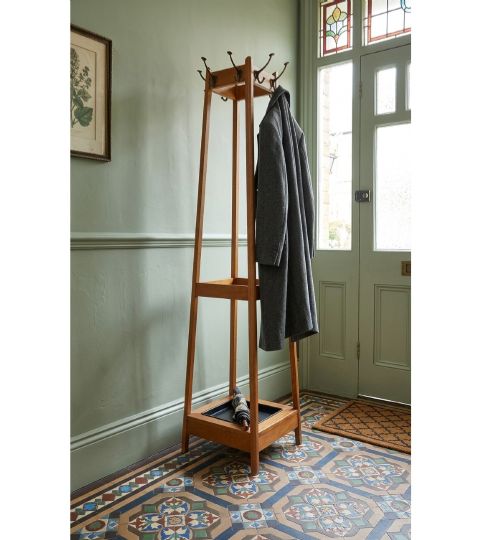
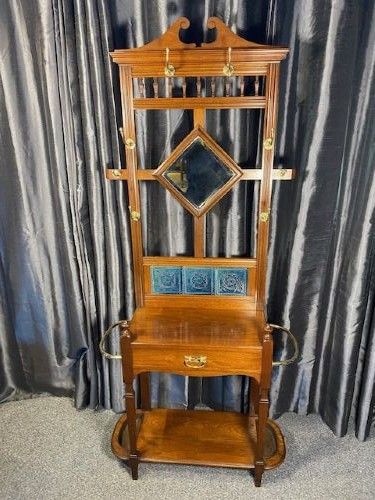
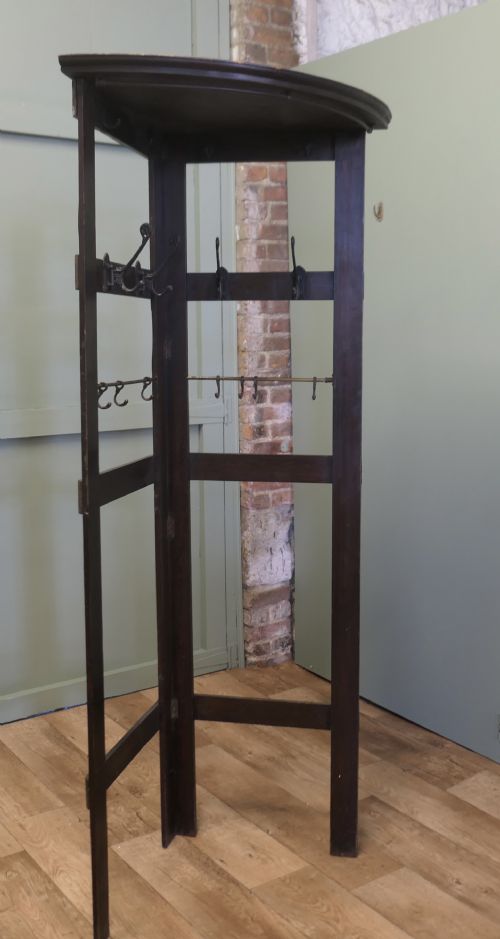
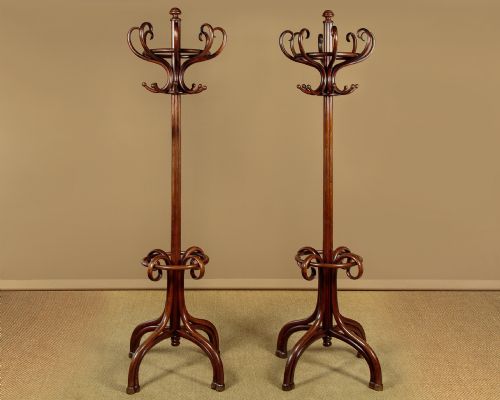
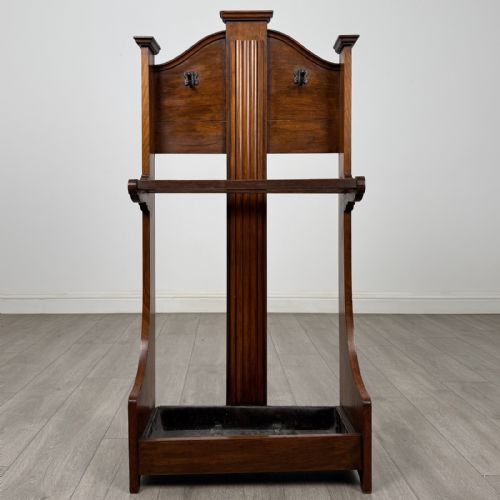
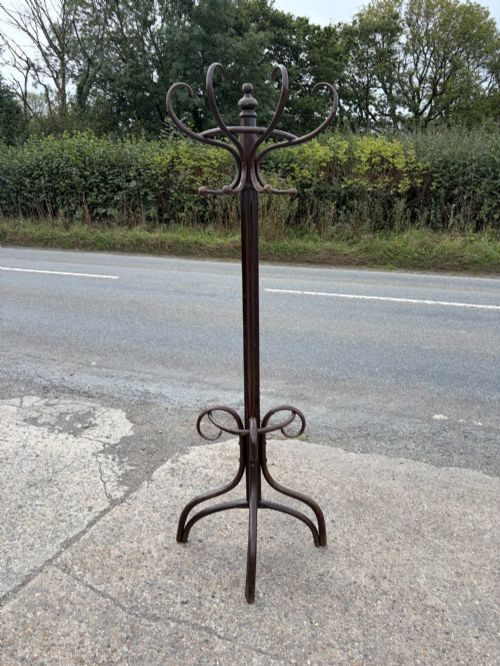
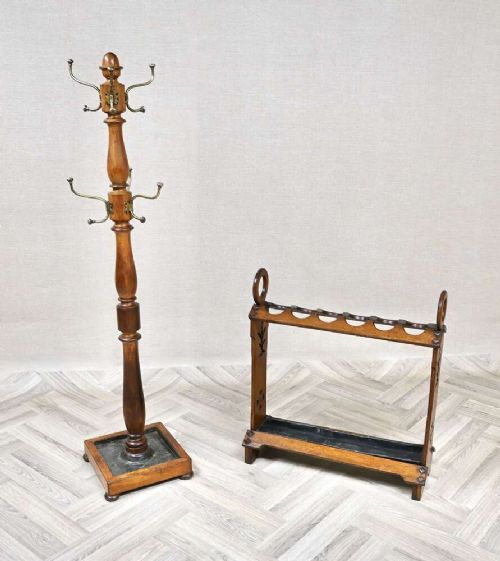
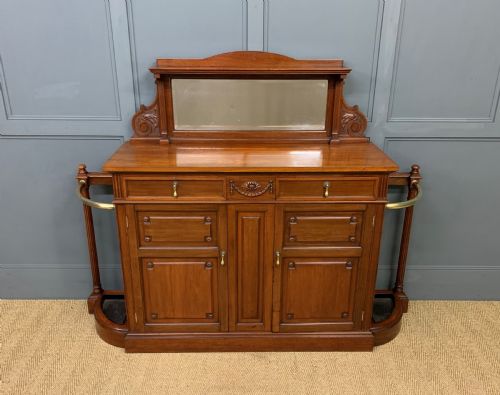
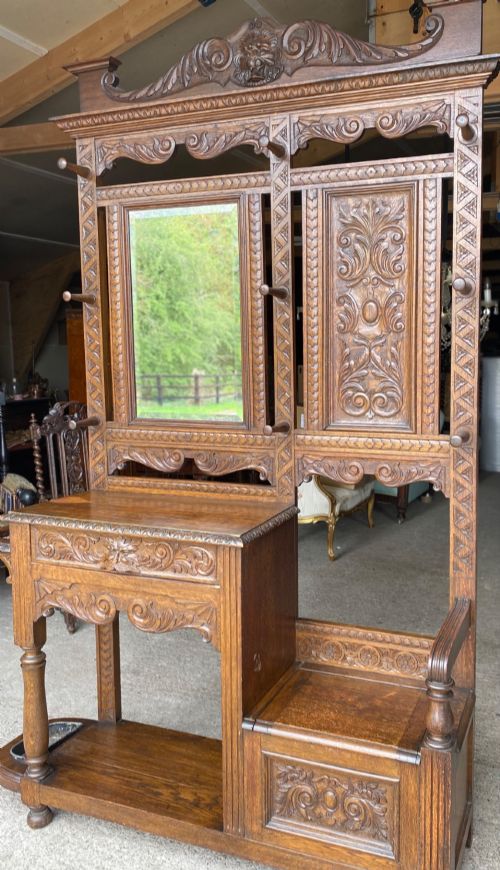
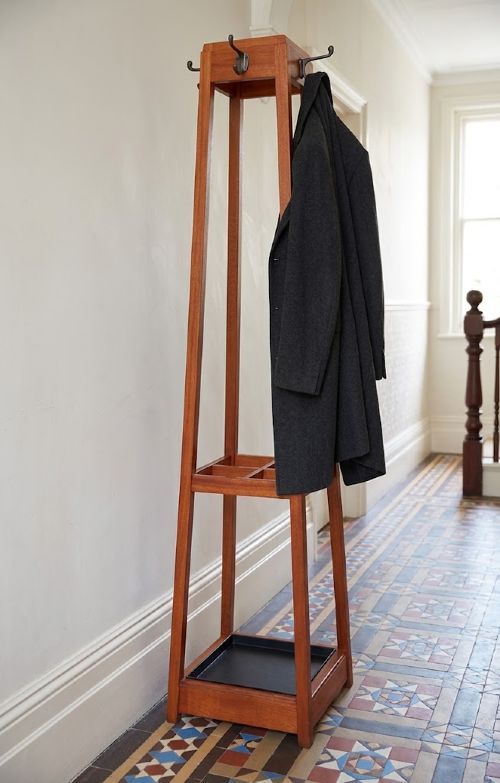
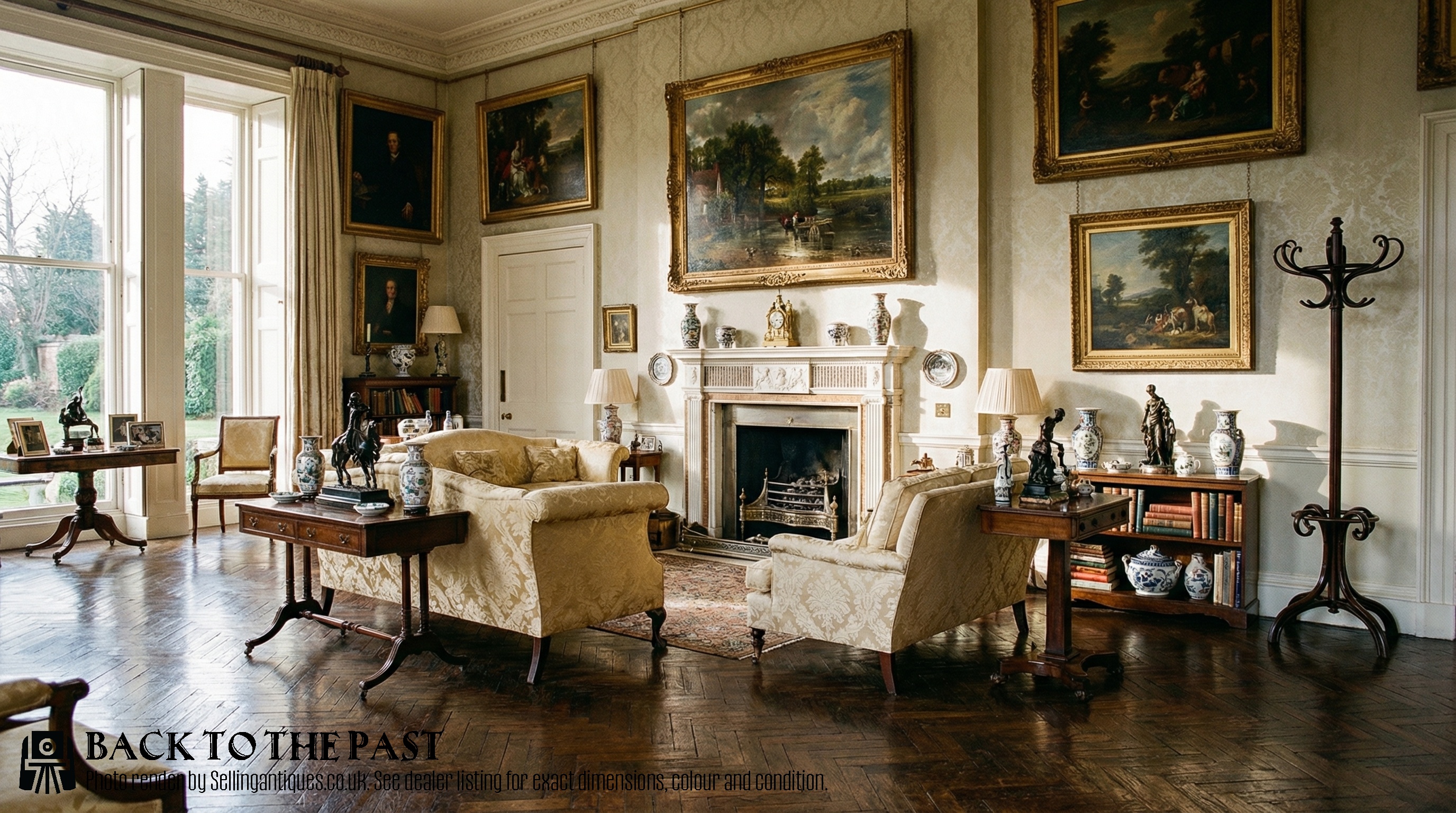
An edwardian coat stand serves as a functional item for entrance halls, designed to hold heavy outdoor garments and accessories in domestic properties. You will encounter several distinct variations on this page, ranging from upright bentwood designs with curved hooks to sturdy oak and mahogany hallway furniture fitted with umbrella holders and drip trays.
Materials and Construction Techniques
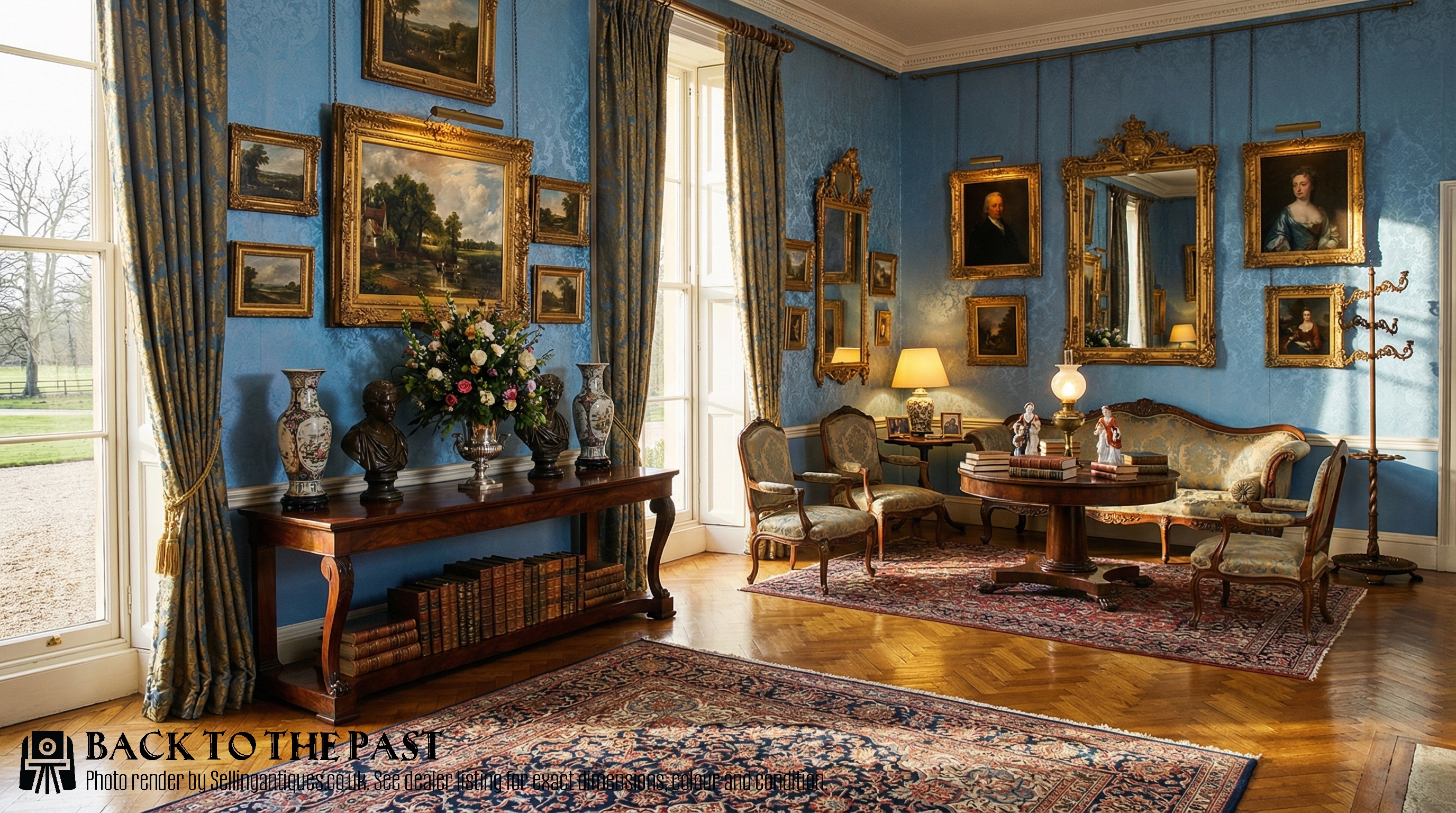
Makers relied heavily on solid oak, walnut, and mahogany for rigid structural frameworks, often augmenting the timber with cast brass hooks and metal drip trays. Beech and mixed hardwoods underwent steam-bending processes to create the distinctive curved profiles seen on bentwood iterations.
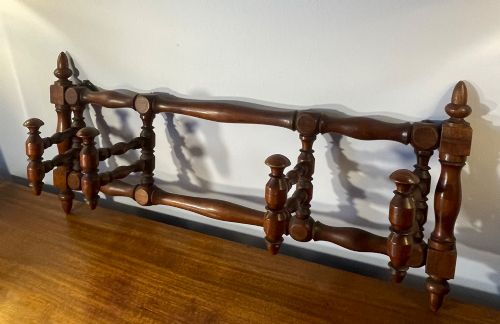
Joinery techniques combined traditional mortise and tenon joints with turned spindles and applied carvings, particularly within the Arts and Crafts and Art Nouveau movements. Metal components including brass hanging rails and cast iron umbrella rings were secured with screws to handle the weight of heavy winter garments.
Edwardian Coat Stand Retail Price Guide 2026
Typical asking prices for edwardian coat stand among the pieces listed under this phrase on Sellingantiques today, from the lower quarter to the upper quarter. They describe what is for sale here now, not the wider market.
Several stands include cordite bucket adaptations repurposed from military shell carriers into quirky umbrella stands.
Distinctions in Quality and Make
The standard of an edwardian coat stand rests on the selection of timber, the weight of the metal hardware, and the integrity of the structural joints. Superior pieces utilise dense, figured oak or mahogany with robust brass fittings that remain firmly anchored under heavy daily use.
Construction details differentiate standard utility items from finer workshop pieces, particularly in the crispness of hand-carved elements, the smooth rotation of revolving top sections, and the stability of the central column against tipping.
Thonet·Jas. Shoolbred·W Richardson of Leeds·J. Parker of Woodstock
The Edwardian Coat Stand Glossary
- Bentwood
- Furniture formed by steaming timber until pliable and bending it into curved shapes. This technique produced lightweight yet durable coat stands.
- Hall Stand
- A piece of hallway furniture combining coat hooks, a hat shelf, an umbrella holder, and frequently a mirror or small seat. These multifunctional items dominated entrance spaces.
- Drip Tray
- A metal pan placed at the base of a stand to catch water from wet umbrellas and walking sticks. They protected wooden floors from moisture damage.
- Revolving Top
- A rotating upper section on a hat and coat stand allowing access to garments from multiple angles. This mechanism often featured metal ball bearings or pivots.
- Arts and Crafts
- A design movement prioritising honest construction, visible joinery, and natural materials over mass-produced ornamentation. Pieces from this tradition display straightforward utility and simple geometric forms.
Edwardian Coat Stand: Frequently Asked Questions
What is an edwardian coat stand?
An edwardian coat stand is a piece of hallway furniture manufactured during the early twentieth century to hold outdoor clothing, hats, and walking equipment.
These items range from slender bentwood frames to substantial timber hall stands featuring mirrors and umbrella compartments.
How do I care for a wooden hall stand?
Maintain the timber by keeping the piece away from direct heat sources and sudden temperature fluctuations that can dry out the wood.
Apply a traditional wax polish occasionally to nourish the surface and clean brass fittings with a dry cloth.
Did these stands include mirror glass?
Many larger hallway designs incorporated bevelled mirror plates into the central back panel, allowing residents to check their appearance before leaving the house.
Simpler bentwood or revolving models omitted mirrors entirely to maintain a lighter footprint.
How do I identify a bentwood model?
Bentwood stands are distinguished by their smooth, rounded wooden curves forming the uprights and hanging hooks without the use of angular joinery.
These pieces typically utilise beech or similar flexible timbers shaped through steam processing.