


Wooden Hall Stand
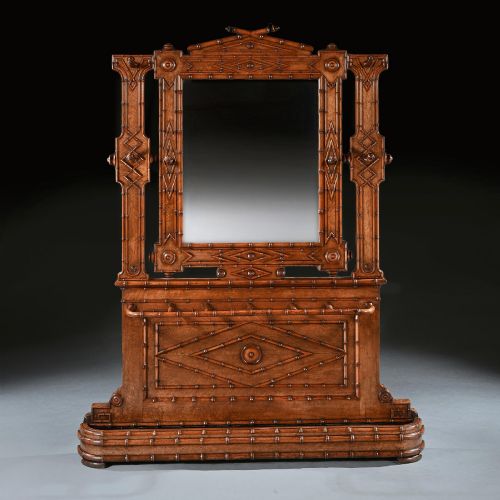
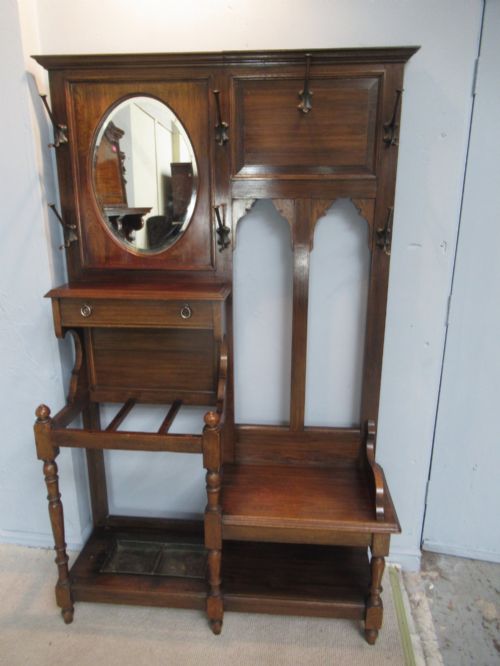
A wooden hall stand anchors an entranceway with practicality, offering a place for coats, hats and walking sticks.
Identifying a wooden hall stand
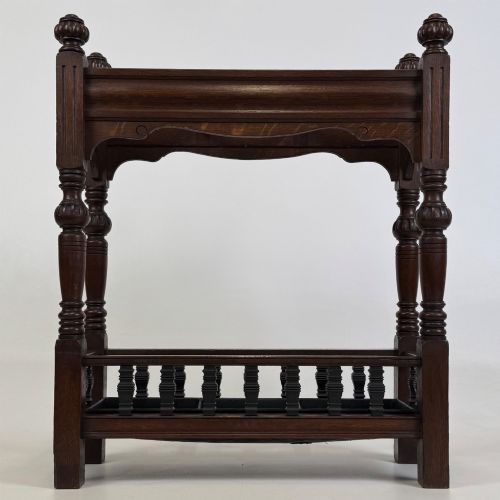
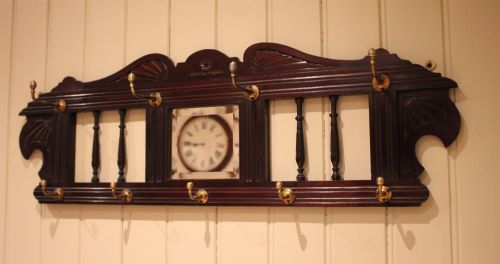
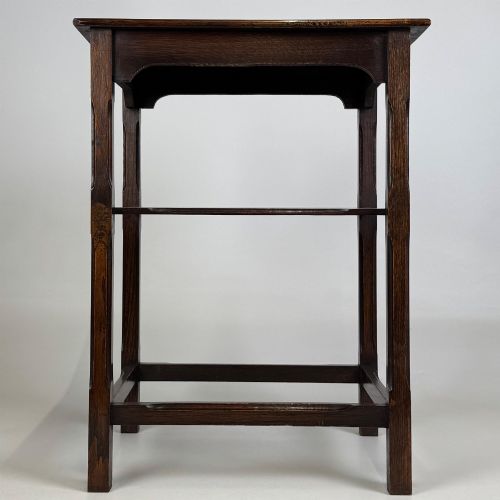
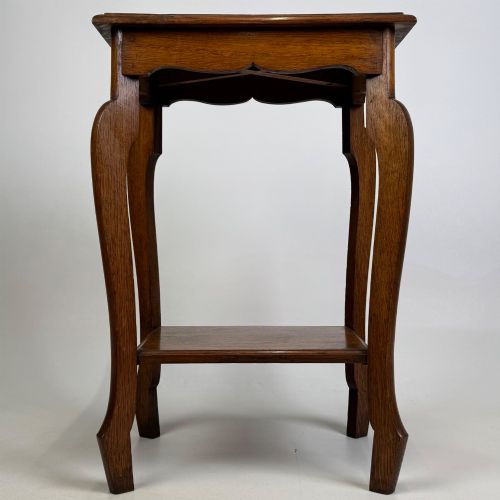
A wooden hall stand serves the entrance of a home by holding outerwear and walking sticks, appearing in forms such as coat stands, stick stands and benches. These hallway pieces date from the 19th century through the early decades of the 20th century.
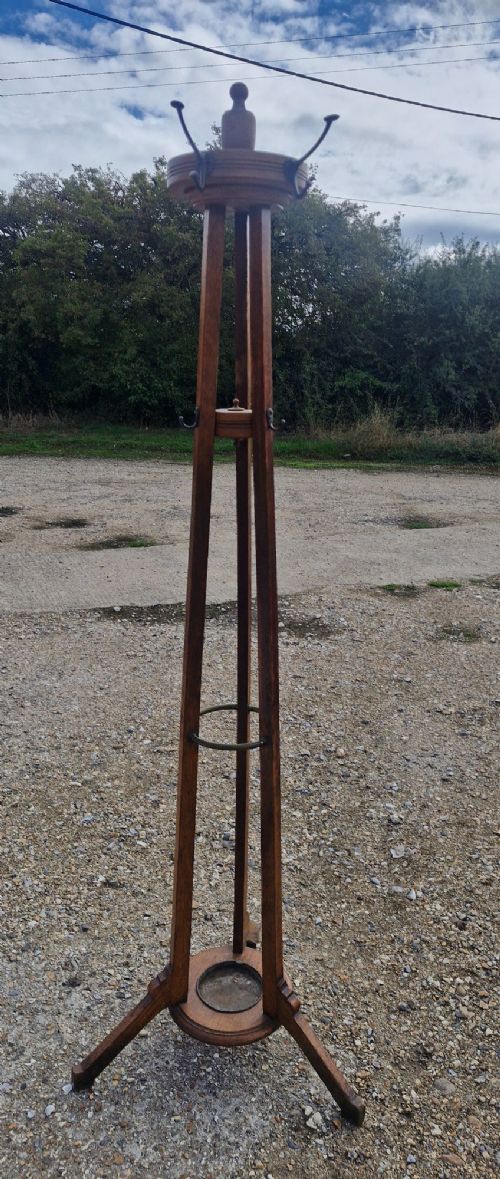
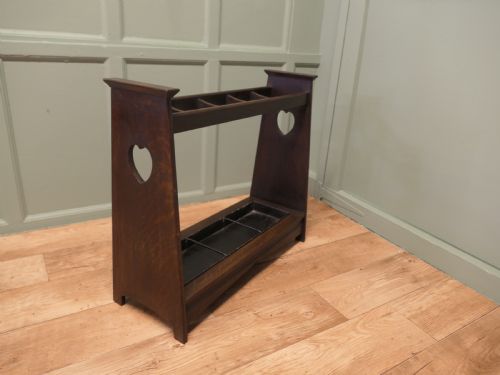
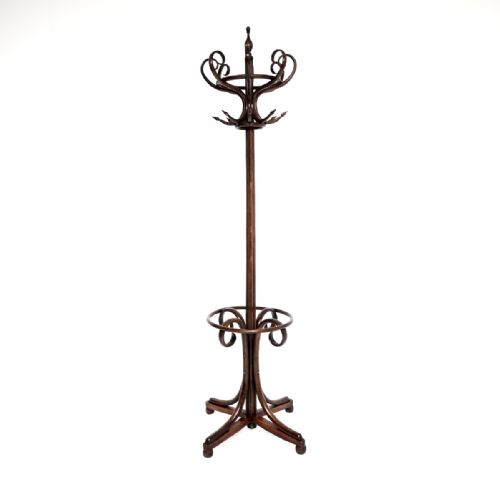
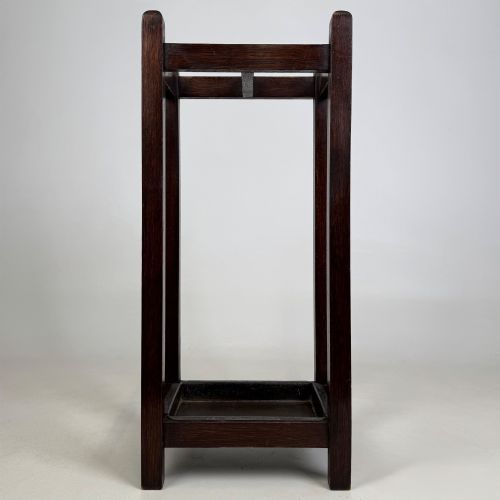
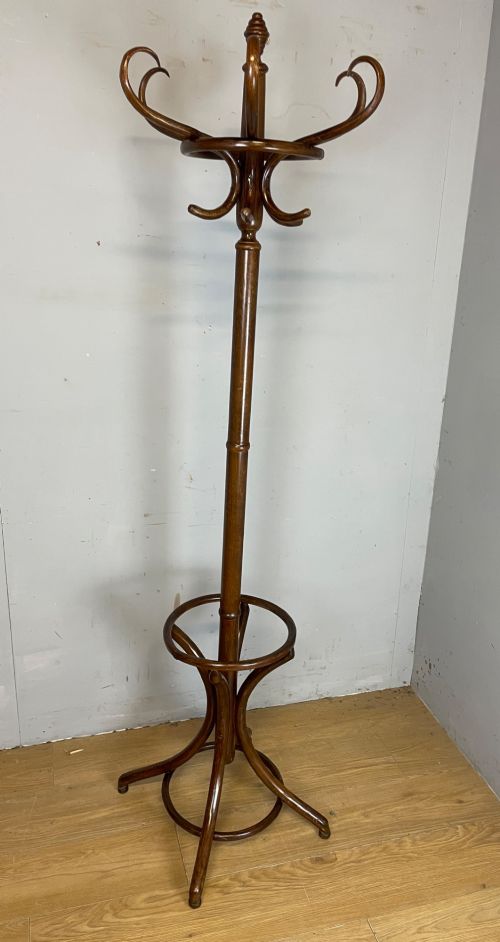
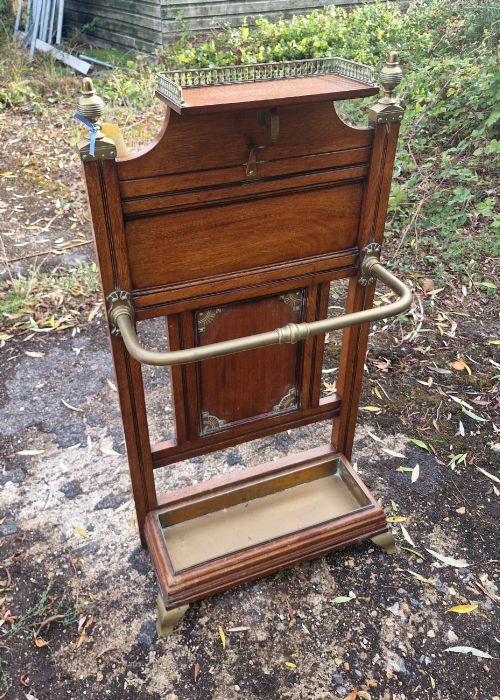
The selection on this page ranges from golden oak Arts and Crafts umbrella stands to bentwood hat and coat stands and 19th-century pine stick stands. Regional pieces include Irish walnut benches with shoe storage alongside continental Black Forest bear stick stands.
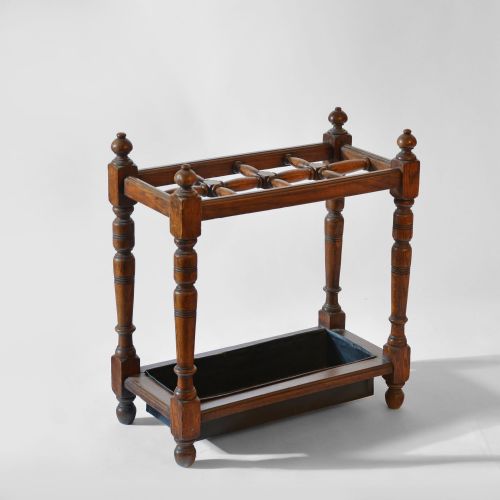
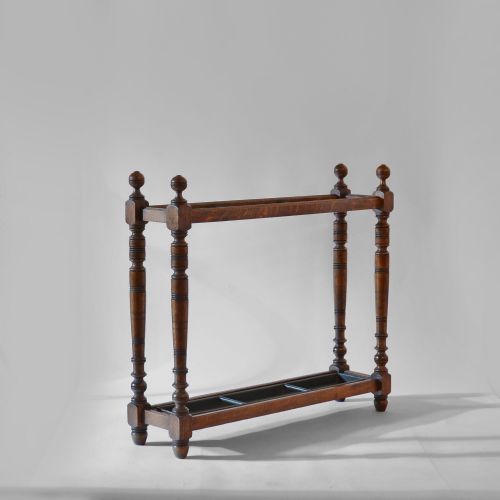
Most examples combine upright timber frames with integrated provisions for wet umbrellas, such as metal drip trays, zinc inserts or lower troughs. Buyers frequently encounter variants designed purely for hanging coats or combined with low seats and storage.
Materials and construction
Cabinetmakers and joiners utilise solid hardwoods and softwoods including oak, pine, beech, beechwood, linden wood and Irish walnut. Selected timbers are often left with a golden or natural finish to highlight the grain.
Constructed pieces integrate metal components such as cast metal or zinc for drip trays and umbrella holders to catch water from wet weather gear. Specialised steam-bending techniques shape components for bentwood models.
Carving techniques appear on figural works like Black Forest bear stands, while traditional joinery secures benches, coat hooks and umbrella sections into stable upright frames.
Retail Price Guide 2026
Typical UK retail prices for wooden hall stand, calculated from the Sellingantiques database of over a million retail prices indexed since 2003. This retail price guide relies exclusively on Sellingantiques data; no external sources or auction records are used, so the figures do not describe the wider market.
A carved wooden bear stands ready to hold your walking stick, watching the hallway with glass eyes.
Distinctions in quality
Quality rests upon the selection of timber, the integrity of the joinery and the survival of original integrated hardware like metal drip trays. Higher grade examples display thoughtful timber selection, such as figured golden oak or rich walnut, rather than plain utility pine.
The complexity and execution of the woodwork separate standard production from superior craftsmanship. Finely carved details on Black Forest pieces or cleanly bent structural members on bentwood stands indicate a higher level of workshop skill.
Completeness defines the standing of a piece, particularly the retention of original hooks, rails and removable zinc or metal trays. Alterations or missing utility parts diminish the historical integrity of the furniture.
The Wooden Hall Stand Glossary
- Stick stand
- A piece of furniture designed specifically to hold walking sticks, canes and umbrellas upright. These typically feature vertical wooden dividers and a base to catch moisture.
- Drip tray
- A removable metal or zinc pan placed at the base of an umbrella holder to collect water from wet canopies. This protects the surrounding wooden floorboards from moisture damage.
- Bentwood
- Wood that is shaped by steaming and bending it into curved forms without breaking the fibres. This technique creates lightweight yet robust frames for coat and hat stands.
- Black Forest
- A regional style of wood carving originating from the mountainous region of Germany and Switzerland. Pieces often incorporate realistic animals, such as bears, holding card trays or stick wells.
Frequently Asked Questions
Where should I place a hall stand?
A wooden hall stand belongs in an entrance hall, vestibule or boot room where people remove outdoor garments.
Position it against a solid wall to ensure stability, keeping it near the primary entrance for easy access to coat hooks and umbrella wells.
How do I protect wood from wet umbrellas?
Metal or zinc drip trays positioned at the base of stick stands catch moisture before it reaches the timber floor. Empty and dry these trays regularly to prevent standing water from damaging the surrounding wood.
What is the difference between an Arts and Crafts and a Victorian hall stand?
Arts and Crafts pieces emphasise visible construction, simple geometric lines and the natural grain of woods like golden oak. Victorian examples often feature darker finishes, more ornate carvings or turned wooden spindles.
How do I clean an antique wooden hall stand?
Dust the timber regularly with a dry, soft cloth to prevent grime accumulation in carved details and joints. Apply a quality wax periodically to nourish the wood and maintain its finish without building up heavy residues.