

Victorian Wooden Bench
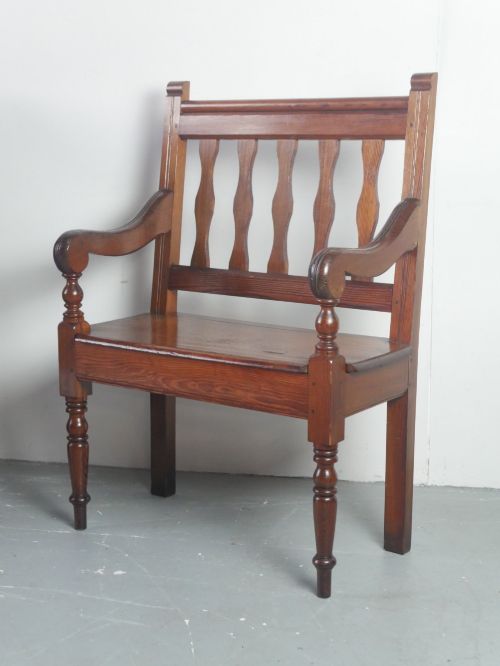
A victorian wooden bench brings solid oak, pine or elm into a hallway or garden with the honest utility of the nineteenth century.
Victorian Wooden Bench
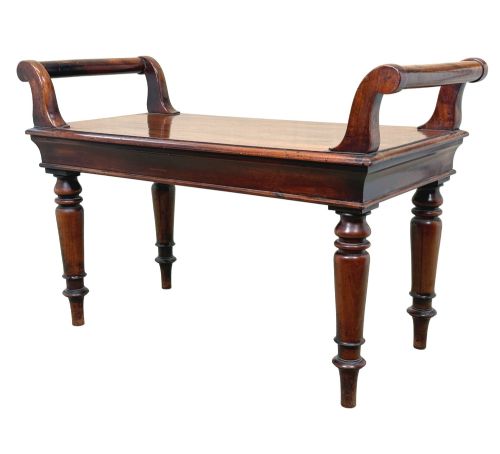
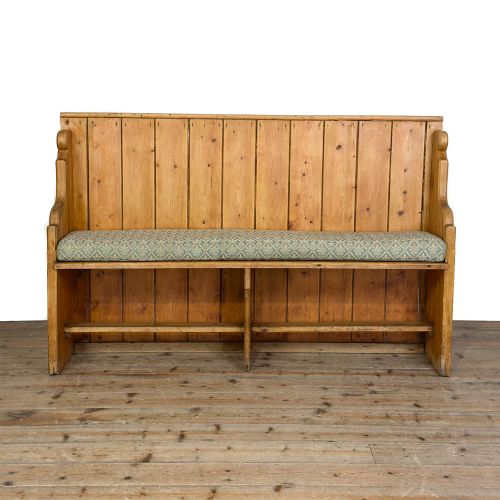
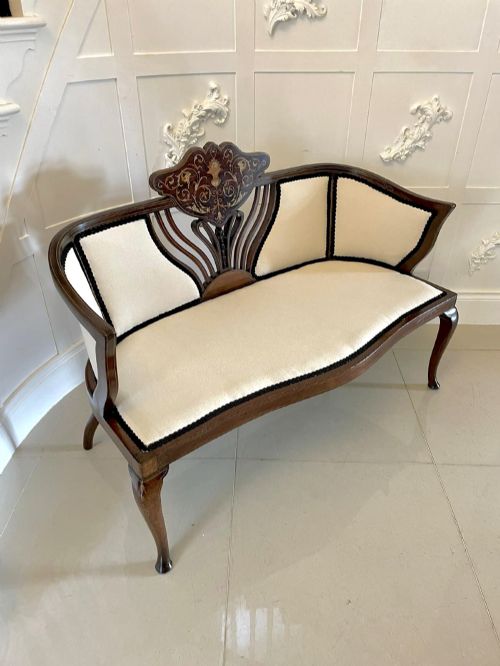
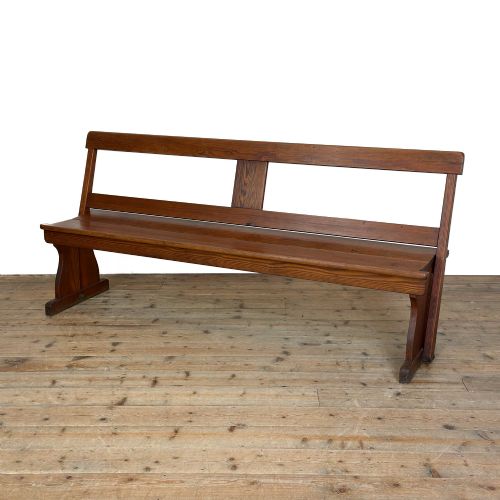
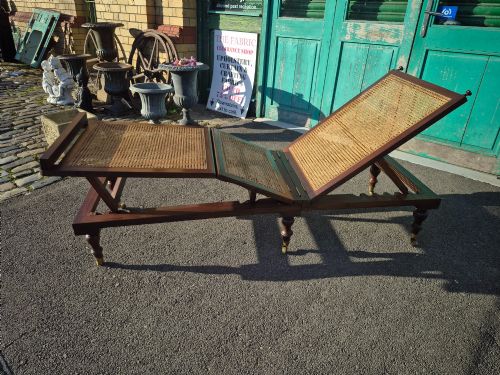
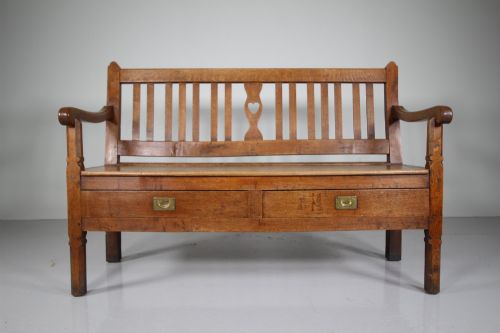
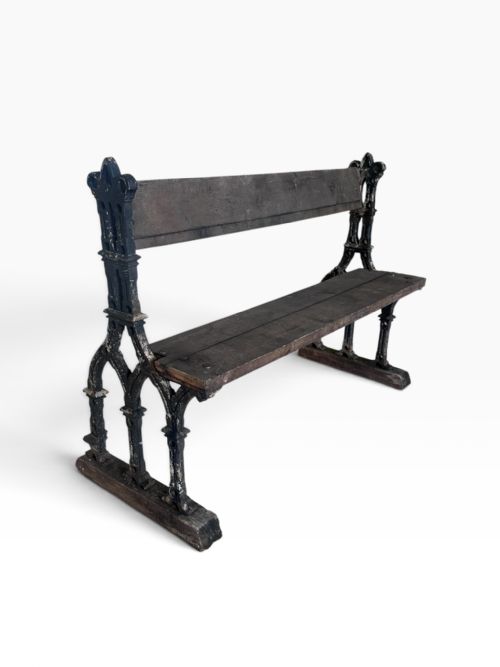
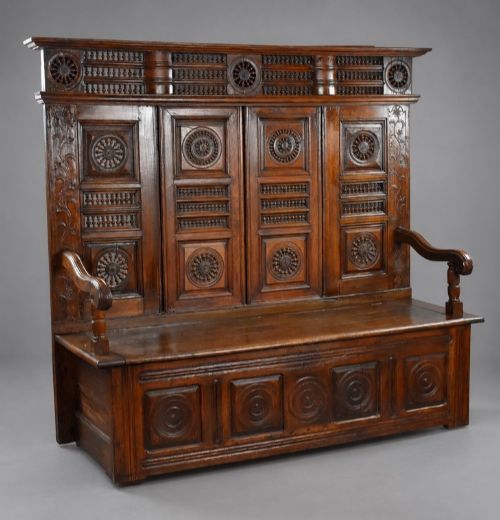
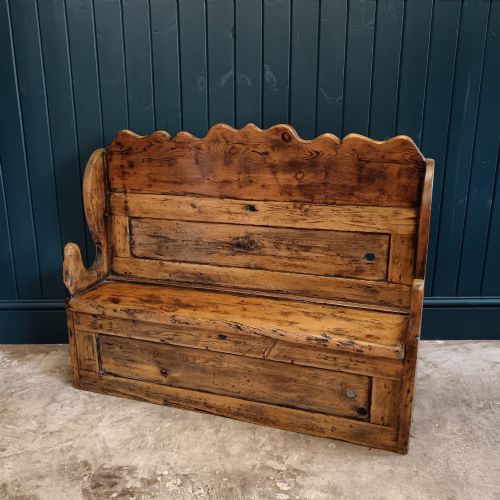
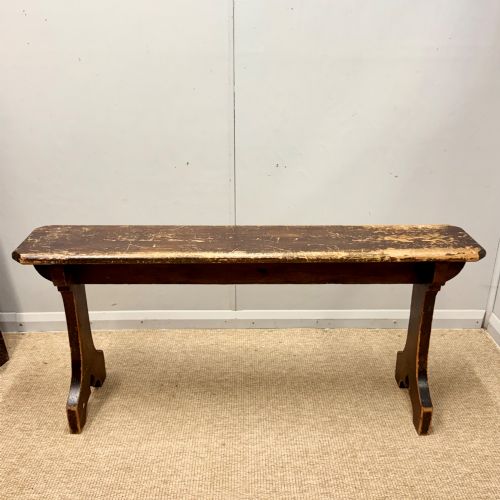
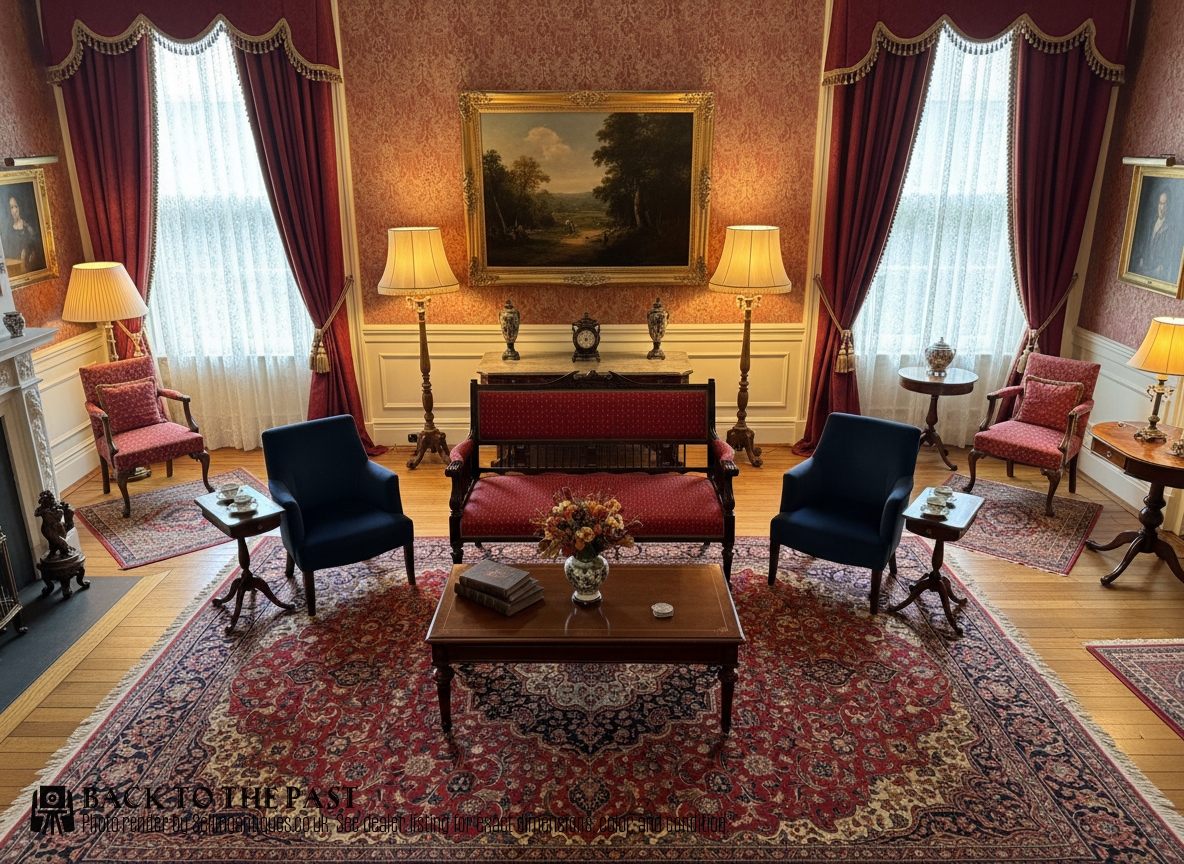
A victorian wooden bench spans functional church pews, sturdy oak hall settles with storage boxes, and slatted garden seats designed for nineteenth-century domestic and institutional life. The pieces range from rustic country pine designs to architectural Gothic Revival forms carved in solid oak.
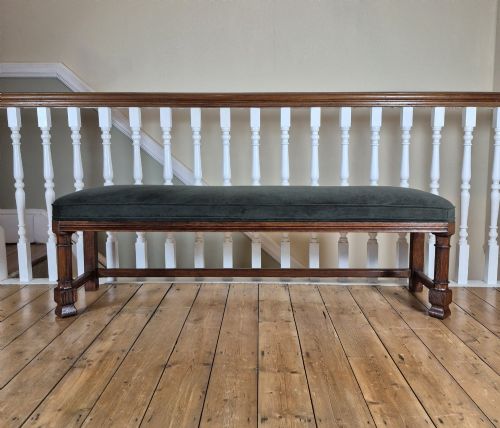
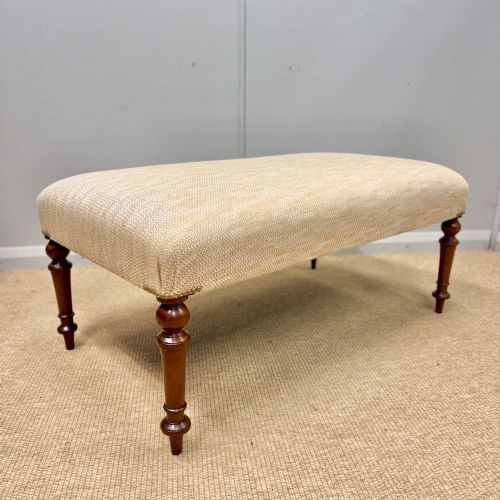
Buyers most frequently encounter pine church pews, elm box settles, and mahogany hall benches carrying the distinct proportions of the 18th to early 20th centuries. These forms serve practical seating roles in modern hallways, kitchens, and gardens while retaining their original period character.
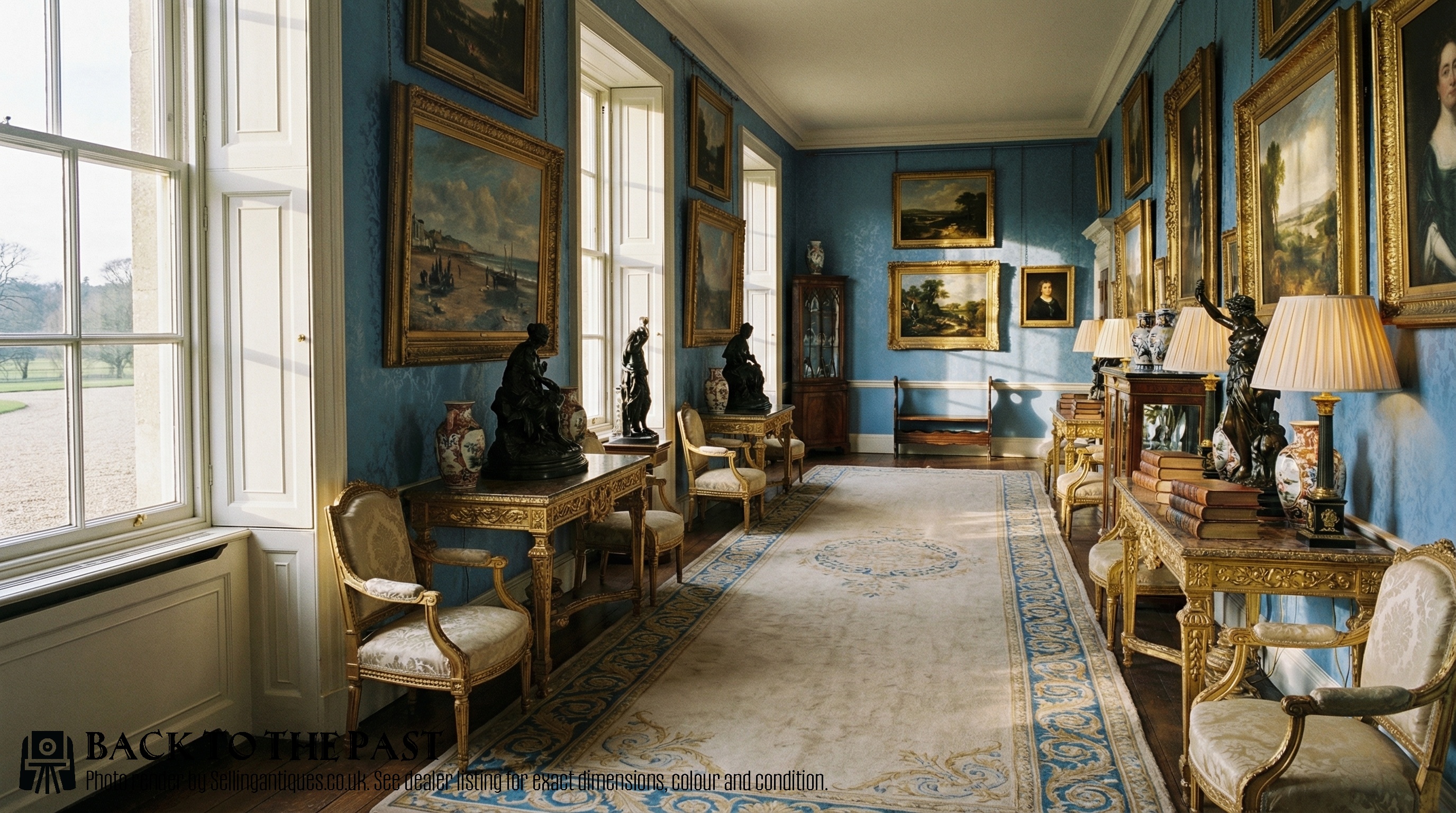
Materials and Construction
Cabinetmakers and country joiners utilised native timbers such as oak, pine, elm, and mahogany, often combining solid boards with pegged joints and panelled backs. Iron and brass components appear in structural braces, coat hooks, and garden frames, adding rigidity to heavy seating.
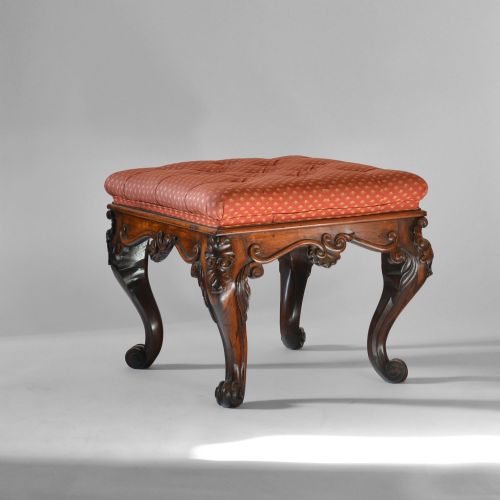
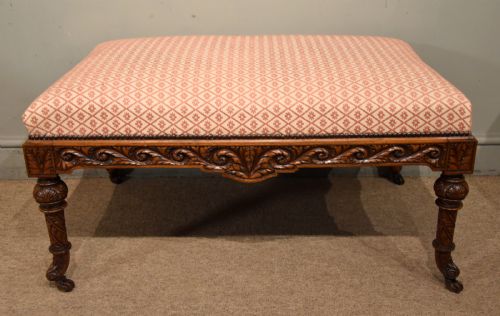
Surface treatments rely on traditional waxing or natural patination developed through decades of use rather than heavy modern finishes. Carved details on Gothic and revival pieces demonstrate hand-chiselled decoration applied directly to the primary timber frame.
Victorian Wooden Bench Retail Price Guide 2026
Typical asking prices for victorian wooden bench among the pieces listed under this phrase on Sellingantiques today, from the lower quarter to the upper quarter. They describe what is for sale here now, not the wider market.
Listings feature structural elements in brass, cast iron, and leather alongside primary timbers including oak, pine, mahogany, and elm.
Craftsmanship and Proportion
The distinction between standard utility furniture and superior workshop production rests on timber selection and joinery execution. Heavy oak box settles with fielded panels and integrated storage compartments represent a higher grade of craftsmanship than plain boarded pine pews.
Proportion and architectural integrity dictate the standing of individual pieces, where balanced dimensions and original hardware distinguish custom commissions from mass-produced institutional seating.
GIllows·Jas Shoolbred·Coalbrookdale
The Victorian Wooden Bench Glossary
- Settle
- A wooden bench featuring a high solid back to block draughts, often incorporating a hinged seat above a box base for storage. This form served domestic halls and tavern firesides throughout the nineteenth century.
- Pew
- A long wooden bench originally constructed for ecclesiastical use in churches and chapels. They appear in pine and pitch pine with straightforward linear forms.
- Gothic Revival
- An architectural and decorative style drawing on medieval motifs, visible in pointed arches, tracery, and heavy carved oak framework. This style dominated mid-nineteenth-century interior seating.
- Box Settle
- A seat fitted with an enclosed compartment beneath the squab for household storage. The design maximised utility in smaller nineteenth-century rooms.
- Faux Bois
- A decorative technique mimicking natural wood grain, often cast in iron for garden benches to imitate rustic timber branches. It provides weather resistance while maintaining a woodland aesthetic.
Victorian Wooden Bench: Frequently Asked Questions
Where should I place a wooden hall bench?
A narrow hallway or entrance foyer suits a slim pine or oak bench, particularly types equipped with integrated coat stands or storage boxes beneath the seat.
Positioning the piece against a plain wall allows the back panel carving and timber grain to function as a focal point.
How do I care for a waxed pine or oak bench?
Regular dusting with a dry cloth preserves the dry-waxed finish common to nineteenth-century pine and oak seating.
Applying a traditional beeswax paste once or twice a year maintains the moisture balance of the timber and protects the historic surface patination.
Are these benches suitable for outdoor use?
Cast iron and wooden slatted garden benches tolerate outdoor placement if treated with suitable weather-resistant oils or protective paints.
Indoor hall pews and upholstered mahogany window seats should remain inside away from damp conditions and direct sunlight to prevent timber warping and fabric degradation.
How can I tell a church pew from a hall bench?
Church pews typically display long, uniform runs with simple book-rests or open backs intended for congregational seating in rows.
Hall benches feature enclosed box bases, decorative carved panels, or integrated coat stands designed specifically for domestic entryways.