

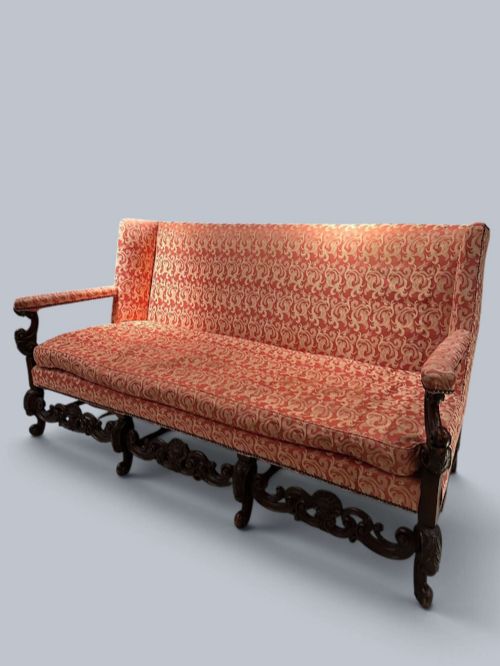
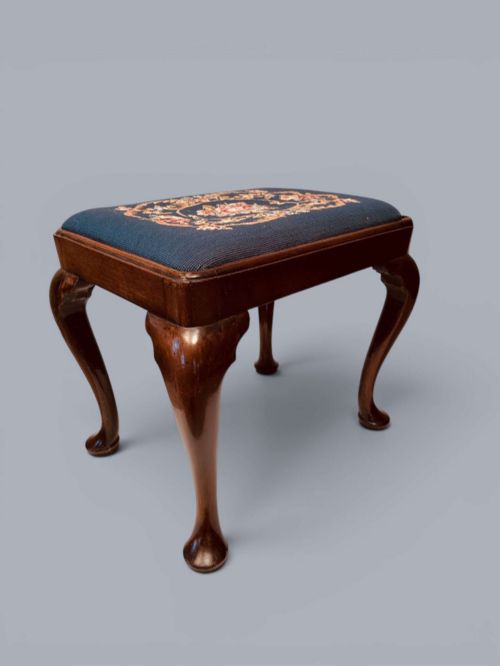
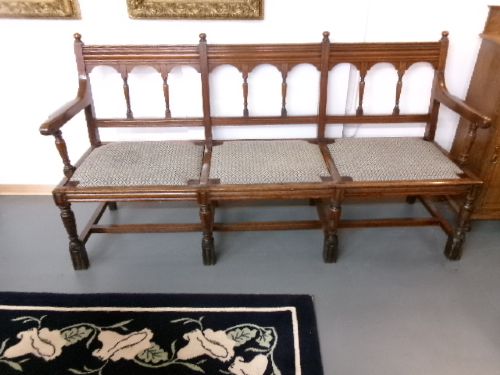
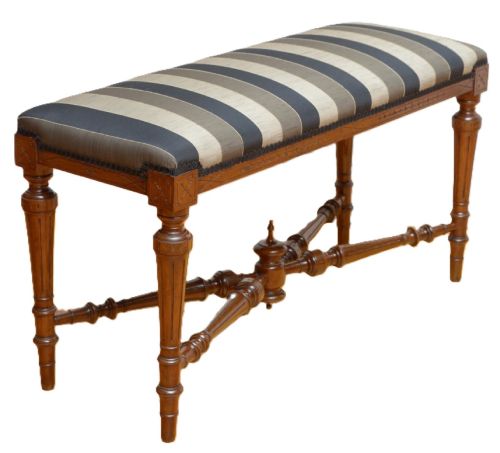
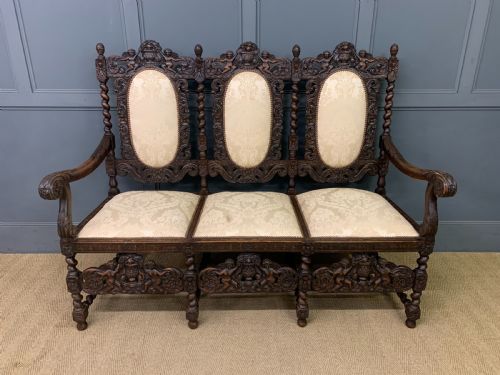
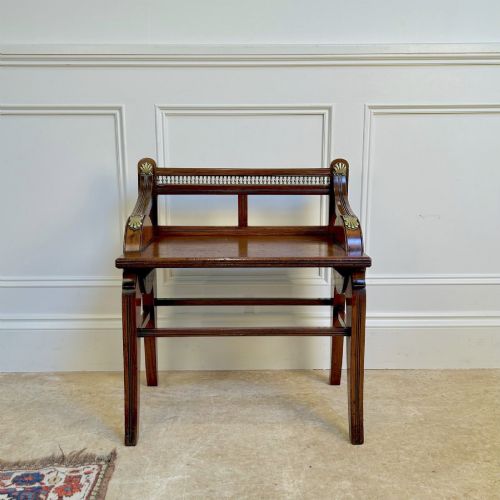
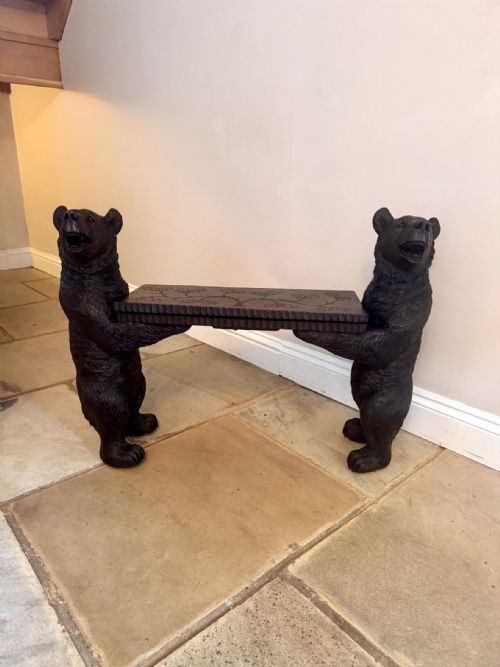
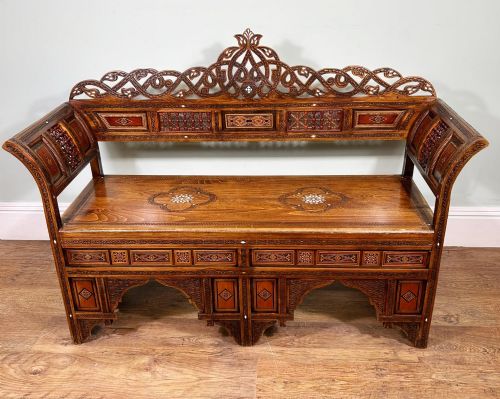

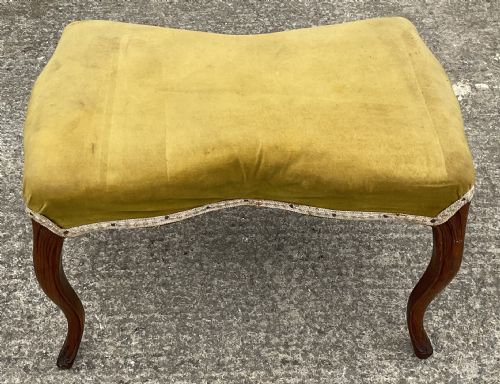
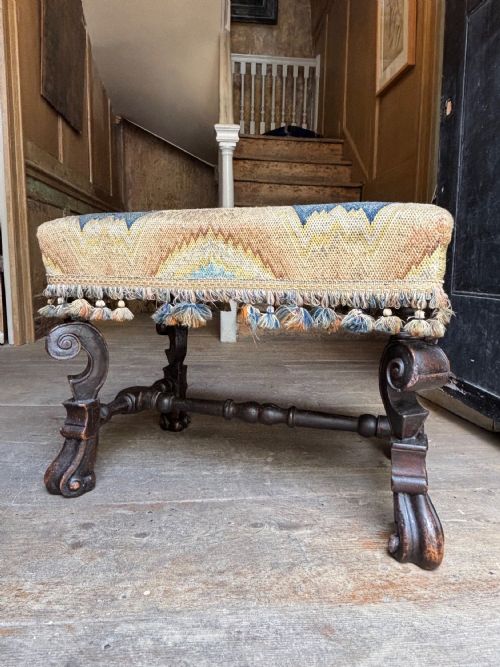

Carved Walnut Bench
A carved walnut bench brings solid timber and traditional seating together, offering robust construction and distinct period style for an interior.
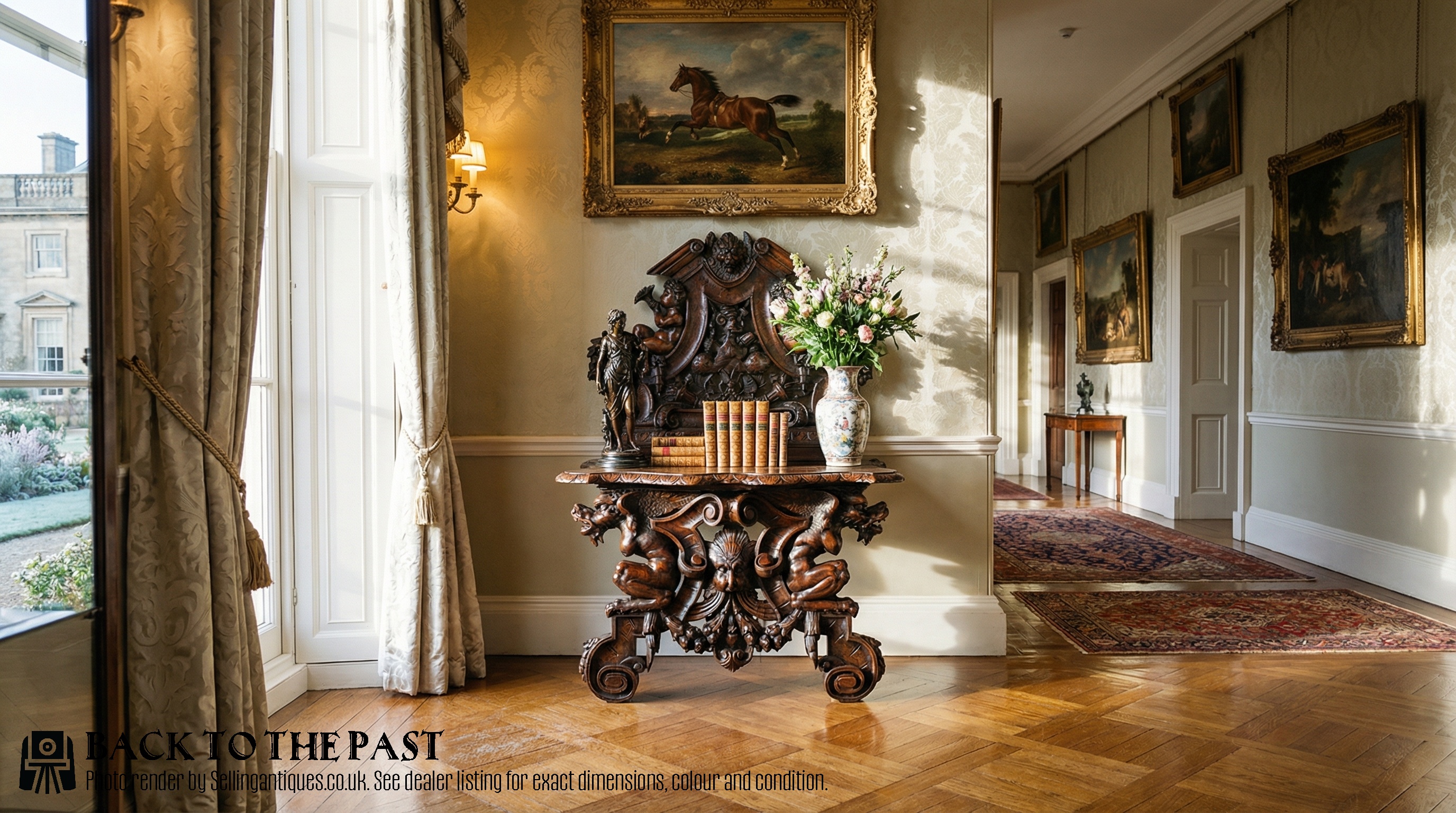
Carved Walnut Bench
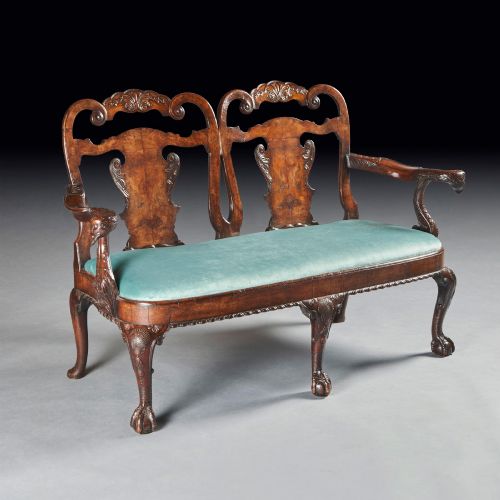
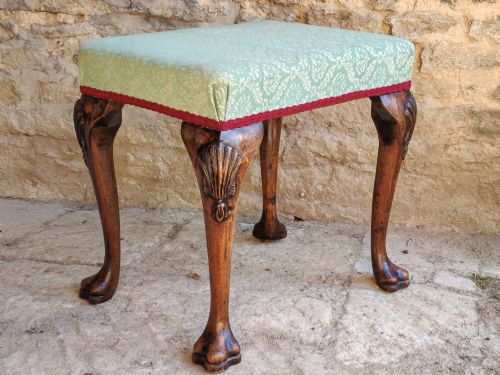
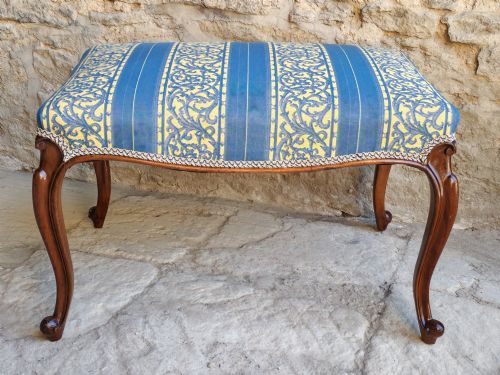
A carved walnut bench combines dense timber framing with decorative woodwork, frequently appearing alongside related forms like settees, window seats, and stools. When searching for a carved walnut bench, buyers encounter pieces ranging from nineteenth-century Victorian designs to Italian and French revival styles.
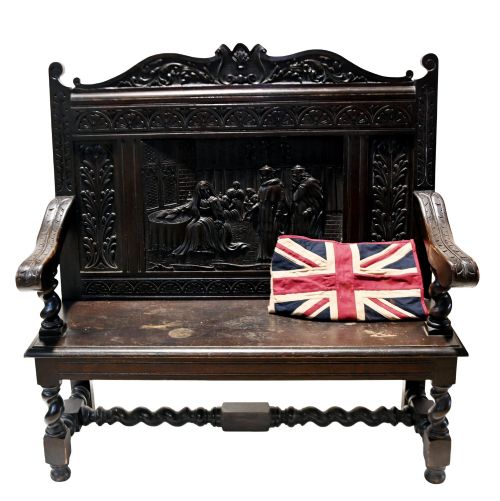
The selection includes long hall benches, window seats, and cassapanca forms spanning the seventeenth to the twentieth centuries. Victorian and revival pieces dominate the selection, utilising walnut frames paired with diverse seating options.
Makers and craftsmen utilised walnut for its rich grain and dependable strength, shaping frameworks with cabriole legs, turned supports, or elaborate carvings. These items function equally well in hallways, bedrooms, and reception rooms as practical seating.
Materials and construction methods
Makers constructed the primary frames using solid walnut, selected for its stable grain and suitability for deep relief carving. Artisans applied hand-carved details directly into the timber, creating ornamental motifs along the legs, rails, and backs.
Upholstered versions incorporate textiles such as velvet, fabric, leather, needlepoint, and tapestry secured over traditional stuffing. Alternative designs utilise woven cane panels or feature brass hardware and pearl inlay for decorative contrast.
Carved Walnut Bench Retail Price Guide 2026
Typical asking prices for carved walnut bench among the pieces listed under this phrase on Sellingantiques today, from the lower quarter to the upper quarter. They describe what is for sale here now, not the wider market.
Some nineteenth-century conversation seats allow two people to sit facing opposite directions while maintaining a polite distance.
Assessing quality and craftsmanship
Quality rests upon the crispness of the timber carving and the structural integrity of the walnut frame. Superior examples display deeply chiselled ornamentation that remains sharp and well-defined across the wood.
The cohesion of the design dictates overall merit, whether the piece follows a restrained Queen Anne style or an exuberant baroque and revival form. Selection of secondary materials, such as hand-dyed leather or fine needlepoint, further elevates the execution.
The Carved Walnut Bench Glossary
- Cabriole leg
- A furniture leg that curves outward and then tapers inward, resembling an animal's curving leg. This shape appears frequently on eighteenth-century and revival seating.
- Cassapanca
- An Italian wooden bench featuring a storage box base and a high back. These pieces often display elaborate Renaissance carving.
- Window seat
- A long, narrow bench designed to fit beneath a window recess. They commonly feature upholstered tops and carved wooden frames.
- Settee
- A long wooden or upholstered seat with a back and arms, built to accommodate multiple people. They share similarities in form with small sofas.
- Caning
- A seating material woven from peeled rattan or cane strips. It provides a lightweight, patterned surface for chair backs and seat inserts.
Carved Walnut Bench: Frequently Asked Questions
Where should I place a carved walnut bench?
A carved walnut bench suits hallways, bedrooms, and living spaces where both seating and decorative presence matter. Long hall benches function effectively in entryways, while smaller window seats fit beneath windows or at the foot of a bed.
Positioning the bench away from direct heat sources helps protect the walnut timber and any upholstered surfaces from premature drying or fading.
How do I clean carved walnut wood?
Dust the carved sections regularly with a soft, dry cloth to prevent dirt accumulation within the recessed details. Avoid harsh chemical cleaners or excessive moisture, which can damage the polish and grain of the walnut.
Applying a traditional beeswax polish occasionally maintains the natural lustre of the timber without building up heavy residue.
How can I identify a revival style bench?
Revival pieces replicate earlier historical aesthetics, such as Queen Anne, Louis XV, or Renaissance designs, using nineteenth or twentieth-century manufacturing techniques. Look at the timber seasoning, joinery methods, and tool marks to determine the actual age of the walnut frame.
Cabinetmakers during the Victorian and Edwardian eras frequently drew inspiration from these historical periods to create decorative seating.