




End of Bed Stool
An end of bed stool provides a practical seat at the foot of a bed while anchoring a room's decorative scheme.
What an end of bed stool is
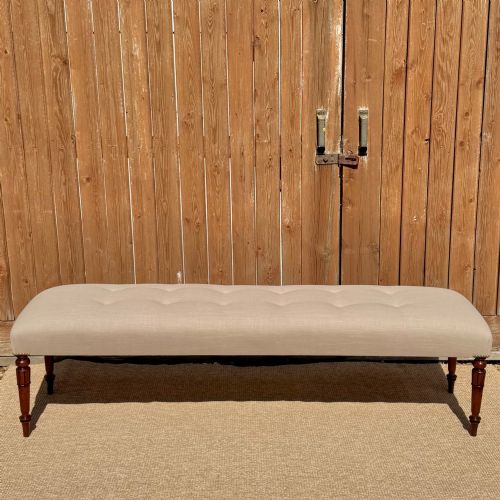
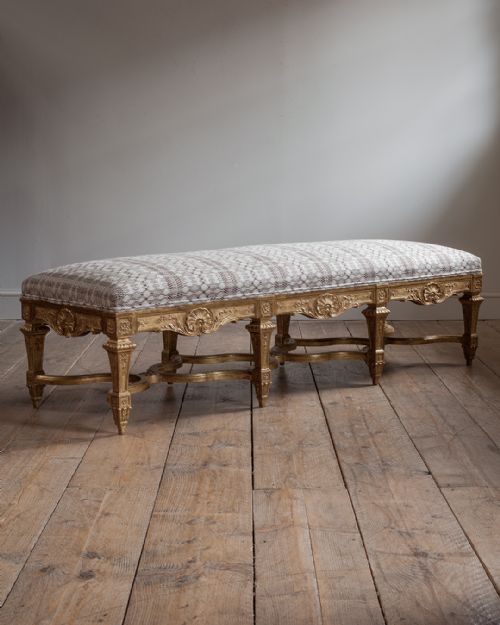
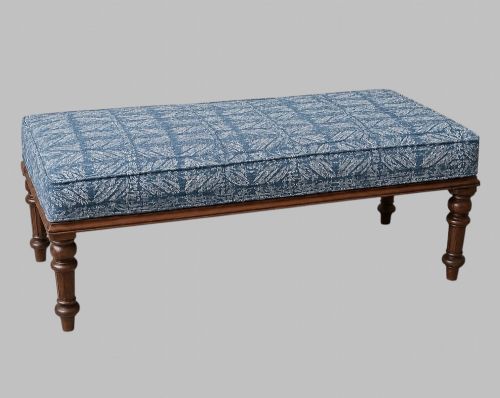
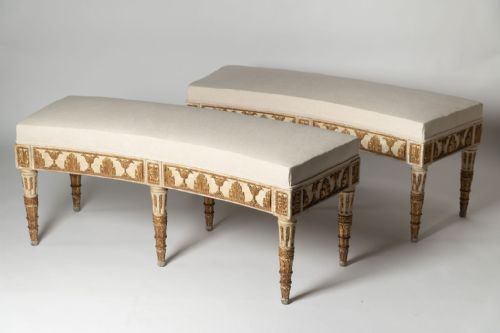
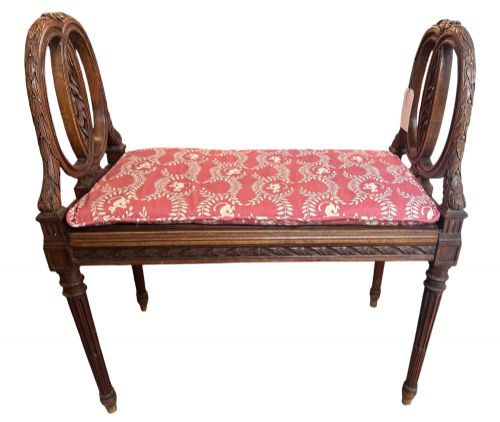
An end of bed stool encompasses low seating options designed for placement at the foot of a bed, frequently crossing over with window seats, hall benches and large footboards. These furnishings appear across several periods, including the eighteenth century, the nineteenth century with dates around eighteen sixty and eighteen eighty, and into nineteen twenty.
The pieces listed on this page showcase distinct stylistic influences such as Victorian, Adam or Neoclassical, English Country House, Baroque Revival, and Arts and Crafts. Forms range from carved walnut window seats and large mahogany stools to hall benches with fluted legs and velvet upholstered window stools.
How they were made
Coverings utilise traditional materials including tapestry, beige linen, general upholstery fabric, and navy Liberty William Morris velvet, reflecting the period styles from eighteenth century neoclassical to Arts and Crafts.
Retail Price Guide 2026
Typical UK retail prices for end of bed stool, calculated from the Sellingantiques database of over a million retail prices indexed since 2003. This retail price guide relies exclusively on Sellingantiques data; no external sources or auction records are used, so the figures do not describe the wider market.
Footboards occasionally find a second life as low stools, proving that furniture is surprisingly good at reinventing itself.
What varies in quality
Quality differentiates through the execution of carved woodwork and the fidelity of historical style adherence, whether in Adam revival proportions or Victorian walnut carving. The integrity of the hardwood frame dictates the structural longevity of the piece.
The grade of the covering material, from standard upholstery fabric to designer velvet or linen, alters the visual finish and tactile character of the seating.
The End of Bed Stool Glossary
- Window seat
- A long stool or bench traditionally proportioned to sit beneath a window, frequently utilised at the foot of a bed. These pieces share similar form factors with benches.
- Fluted legs
- Vertical parallel grooves carved into furniture legs, commonly seen in neoclassical and Adam style pieces. This decorative technique adds classical architectural refinement to the woodwork.
- Foot board stool
- A low stool deriving its form from the traditional footboard of a bed frame. It sits low to the ground for functional use.
- Baroque Revival
- A nineteenth century design movement reviving seventeenth century baroque exuberance. It brings dramatic carving and substantial presence to seating.
Frequently Asked Questions
Where should I place an end of bed stool?
These pieces sit directly at the foot of a bed to create a balanced proportion in a bedroom layout.
They also function effectively in hallways or beneath windows as standalone seating.
How do I identify a Victorian stool?
Victorian examples often feature dark woods like walnut with detailed carving.
They frequently appear alongside revival styles from the mid to late nineteenth century.
What fabrics are used on these stools?
Upholstery ranges from simple linen and woven tapestry to branded velvet.
Original coverings are often replaced with period appropriate textiles to suit modern interiors.
Are these stools comfortable for sitting?
Most examples are built with padded upholstered tops designed for short periods of sitting.
Their primary function historically combined decorative presence with practical utility.