

Antique Window Stool
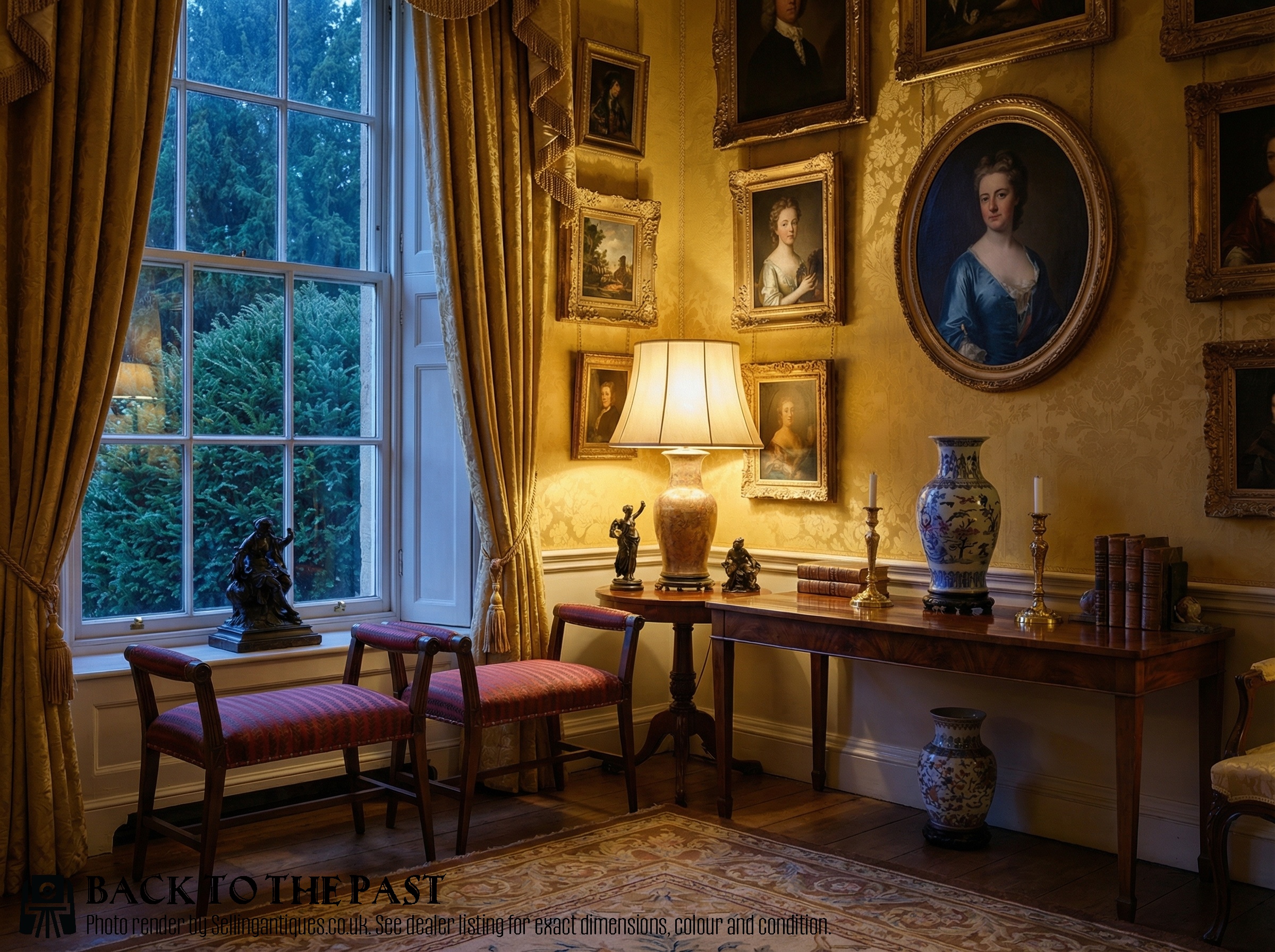
When you search for an antique window stool, you are looking at low seating designed to sit beneath sills, by beds or in halls.
Antique Window Stool
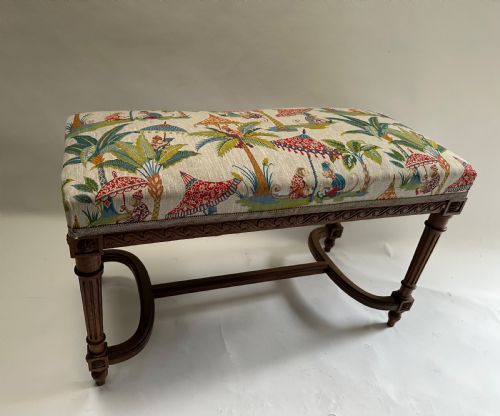
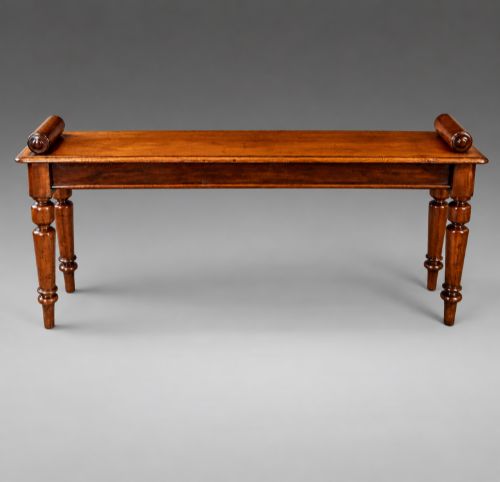
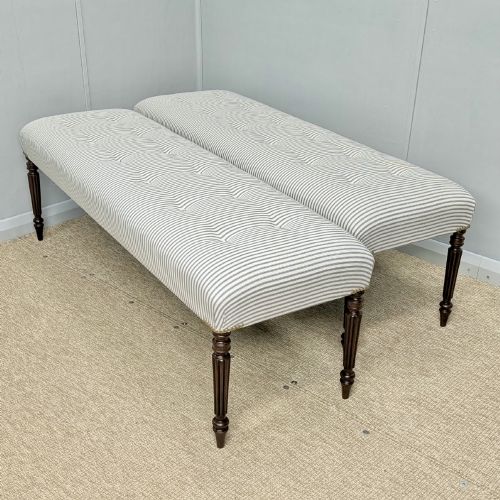
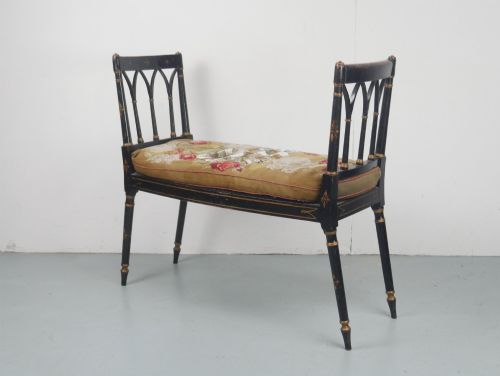
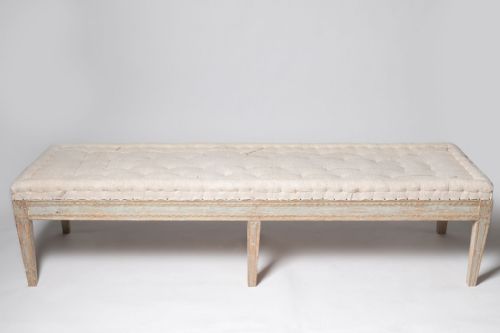
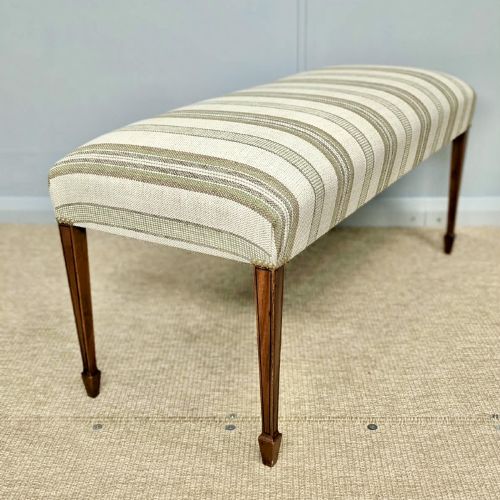
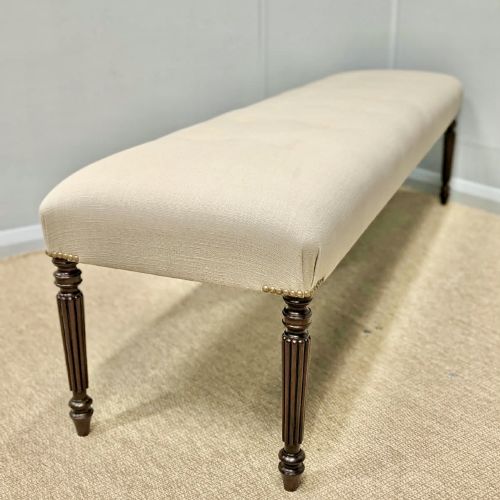
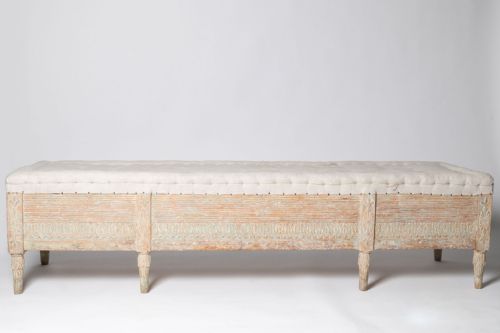
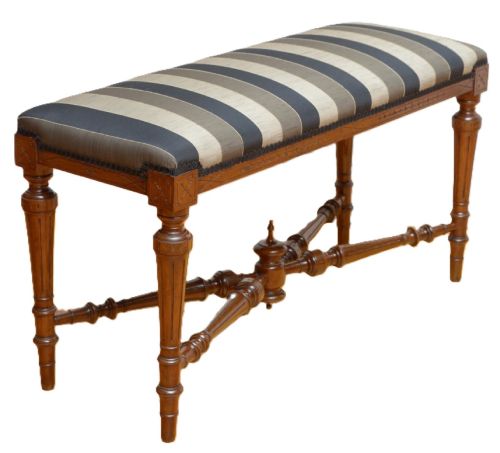
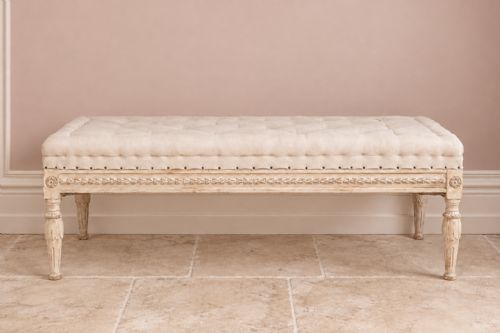
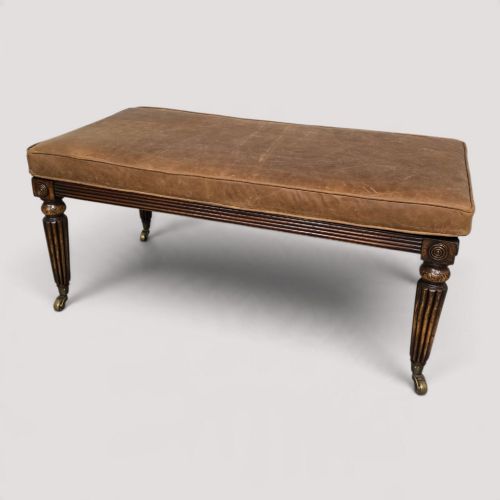
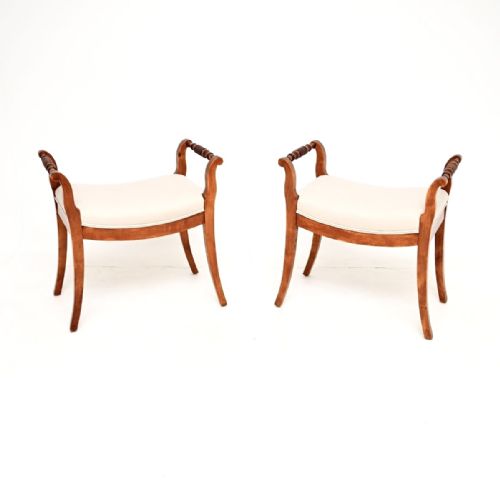
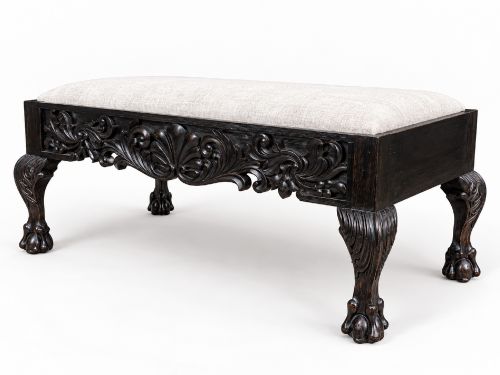
An antique window stool is a low, upholstered bench or seat historically placed beneath tall windows, in hallways or at the foot of beds. These pieces bridge the gap between functional seating and ornamental furniture, often taking rectangular forms meant for one or multiple sitters.
The selections available span the eighteenth, nineteenth and early twentieth centuries, encompassing styles from plain Georgian mahogany frames to elaborate Victorian walnut and Edwardian satinwood designs. Alongside British cabinet work, French, Swedish and Italian examples frequently appear.
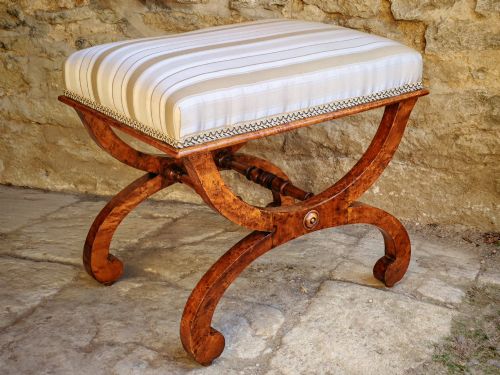
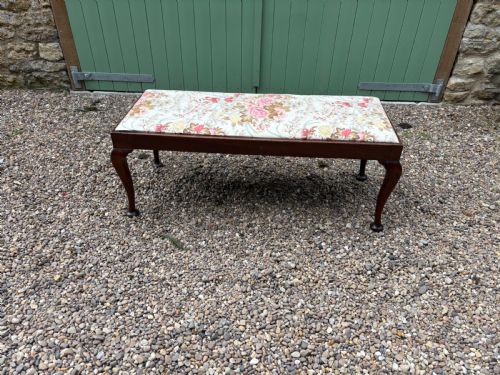
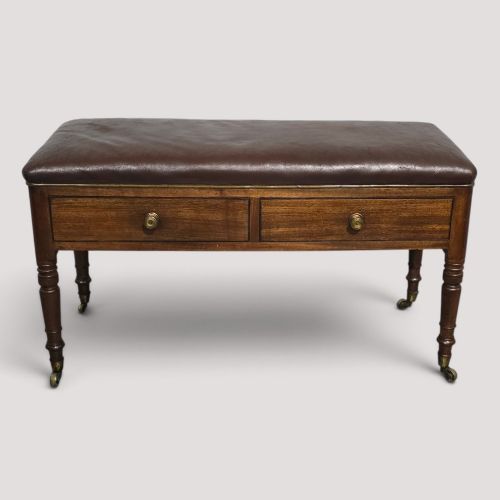
Most entries function primarily as window seats, duet piano benches, long ottomans or daybeds. Buyers encounter frames featuring turned legs, X-frame supports, cabriole legs and carved scroll arms suited to period interiors.
What varies in quality
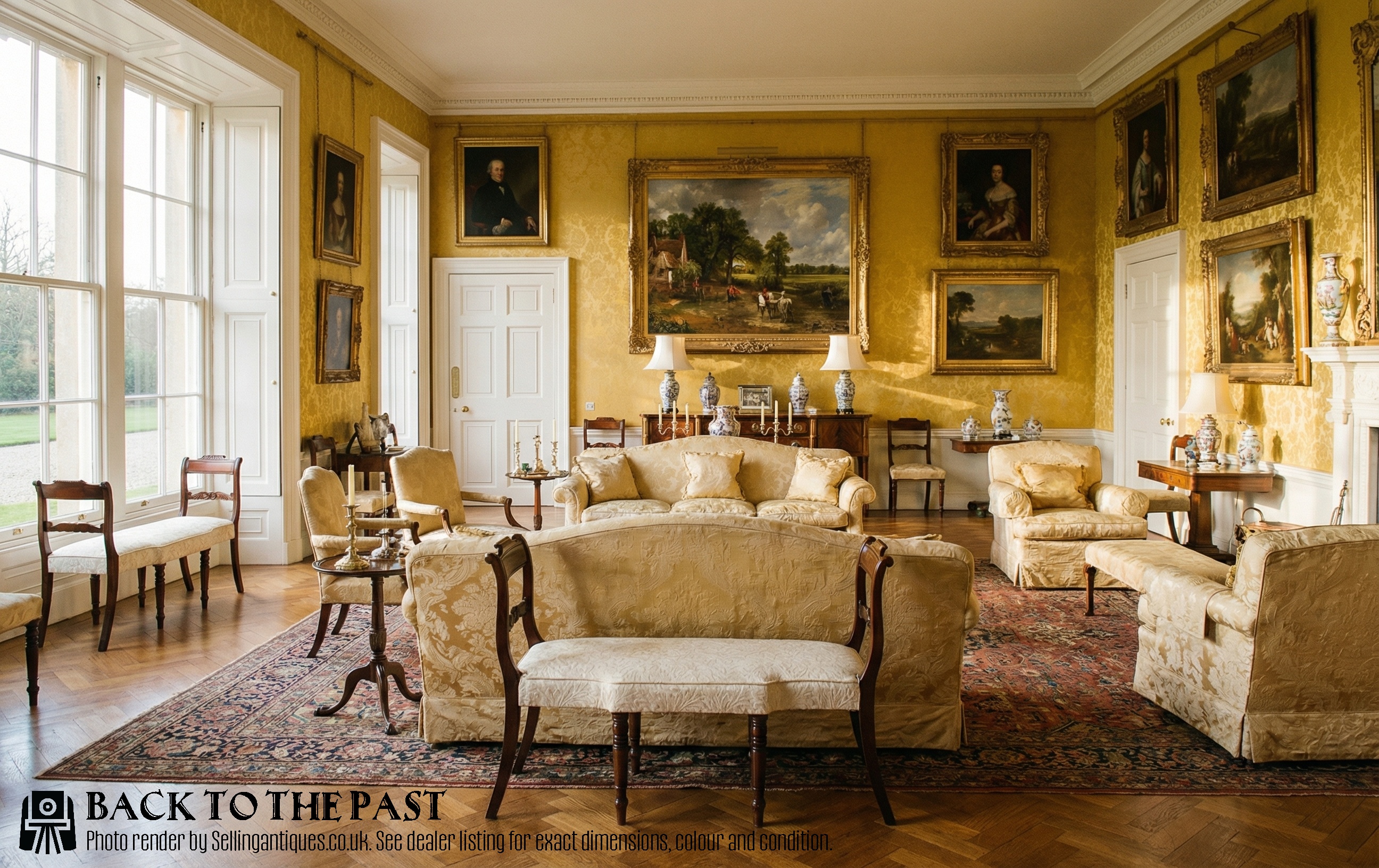
Quality rests in the integrity of the timber framing, the precision of carved details like scroll arms and cabriole legs, and the retention of original surfaces. Finer pieces display substantial weight in timbers like mahogany or walnut and possess crisp, unblemished carving executed by skilled hands.
The standard of upholstery and the authenticity of underlying stuffing materials alter the character of a piece. Examples bearing signatures or stamps from recognised makers command greater attention from collectors than anonymous workshop production.
Antique Window Stool Retail Price Guide 2026
Typical asking prices for window stool among the pieces listed under this phrase on Sellingantiques today, from the lower quarter to the upper quarter. They describe what is for sale here now, not the wider market.
Listings feature woods spanning mahogany, walnut, oak, rosewood, satinwood, burr maple and gonçalo Alves alongside giltwood and painted pine finishes.
James Shoolbred & Co·Charles Nosotti·Gillows
The Antique Window Stool Glossary
- X-frame
- A furniture base formed by intersecting diagonal timbers that create an X shape when viewed from the side. This structural arrangement adds stability and imparts a classical curule form to stools and benches.
- Giltwood
- Timber that has been coated with a thin layer of gold leaf or gilt powder. It is frequently seen on decorative French and English frames from the eighteenth and nineteenth centuries.
- Duet stool
- An elongated bench designed to accommodate two people simultaneously. These items are commonly associated with piano playing or shared seating in drawing rooms.
- Ebonised
- Wood that has been treated chemically or painted black to imitate expensive ebony. The technique was widely utilised during the Victorian era to create dramatic contrast in decorative seating.
Antique Window Stool: Frequently Asked Questions
Where did people place window stools?
These low seats were traditionally positioned directly beneath tall window sills to provide a comfortable spot for reading or looking outside without blocking the light.
Over time, owners also placed them at the foot of beds, in grand hallways or beside fireplaces as flexible auxiliary seating.
How do I date an antique stool?
Dating relies on examining the timber species, leg turnings, joinery methods and decorative carving styles present in the frame. For instance, square tapering legs often point to the eighteenth century, while heavy buttoning and rosewood lean toward the Victorian period.
Makers' stamps, trade labels or historical upholstery techniques hidden beneath the fabric also offer precise clues to age.
Can these stools double as coffee tables?
Many sturdy upholstered or cane-topped examples function effectively as coffee tables or magazine surfaces when paired with a rigid tray. Long rectangular proportions make them suitable alternatives to standard low tables in sitting rooms.
Upholstered velvet or leather tops should be protected with firm trays to prevent spills and wear on antique fabric.
What is the difference between a window stool and a duet stool?
A standard window stool is generally built for a single person to sit by a sill or in a hallway, often featuring decorative arms or an X-frame. A duet stool is longer and specifically constructed to seat two people side by side.
Duet versions were frequently utilised as piano recital benches or wide drawing room seats.