



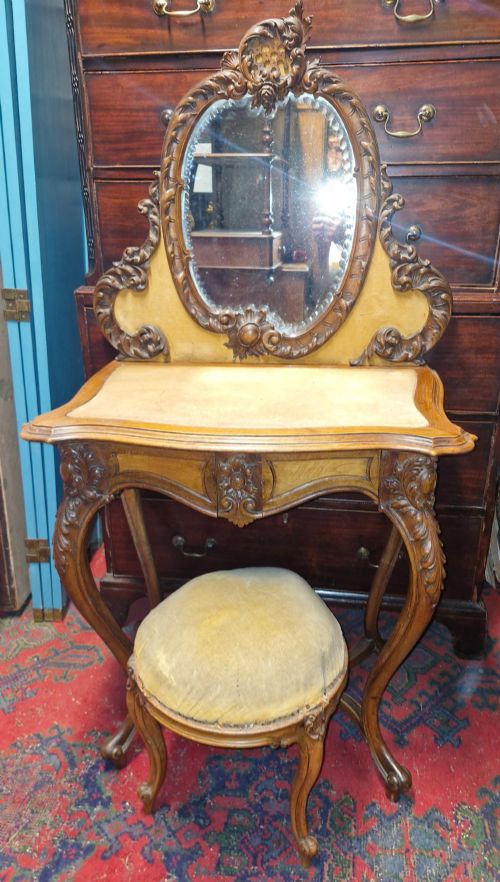
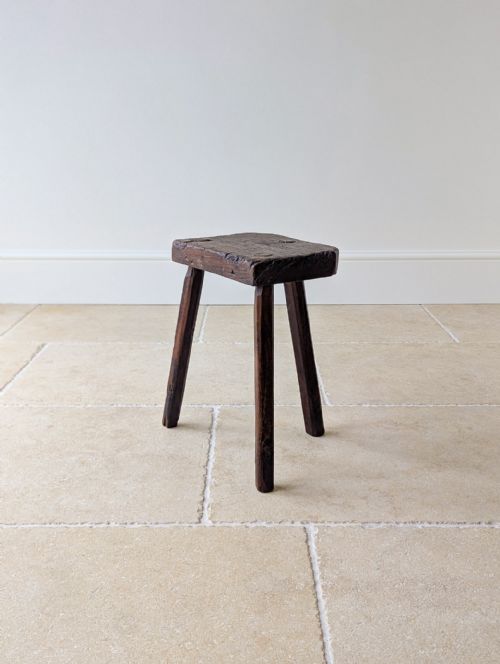
Brown Wood Stool
These brown wood stool selections bring utilitarian forms into daily spaces, offering enduring timber construction suited for diverse interiors.
Brown Wood Stool
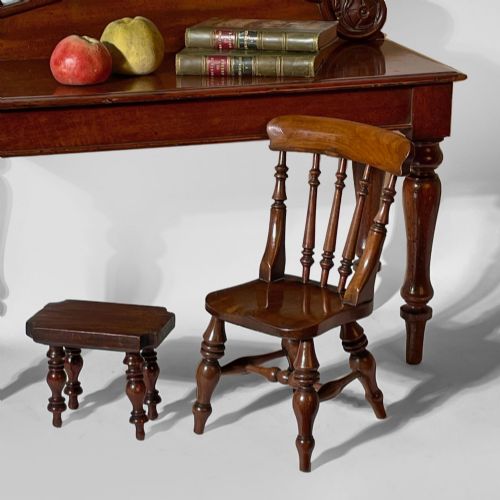
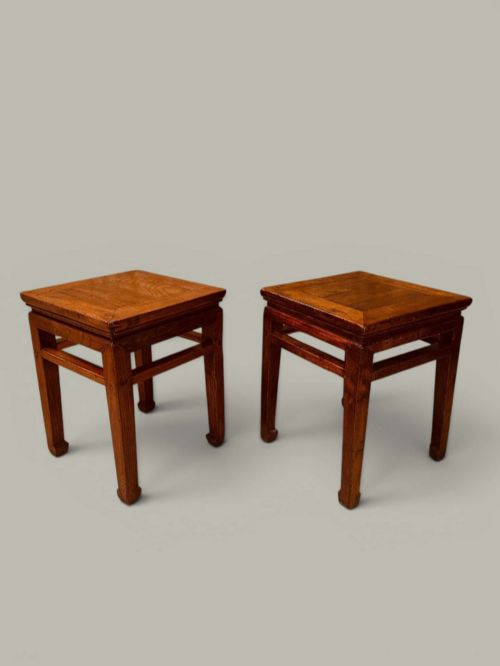
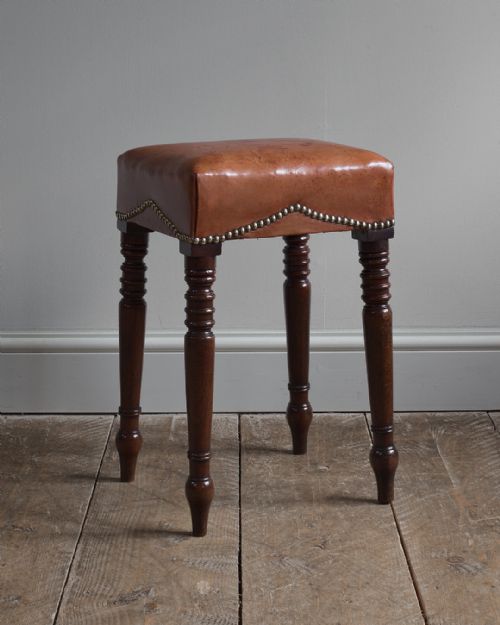
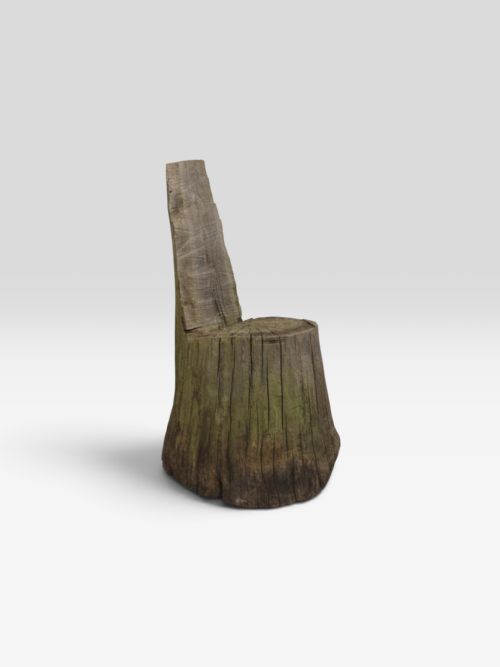
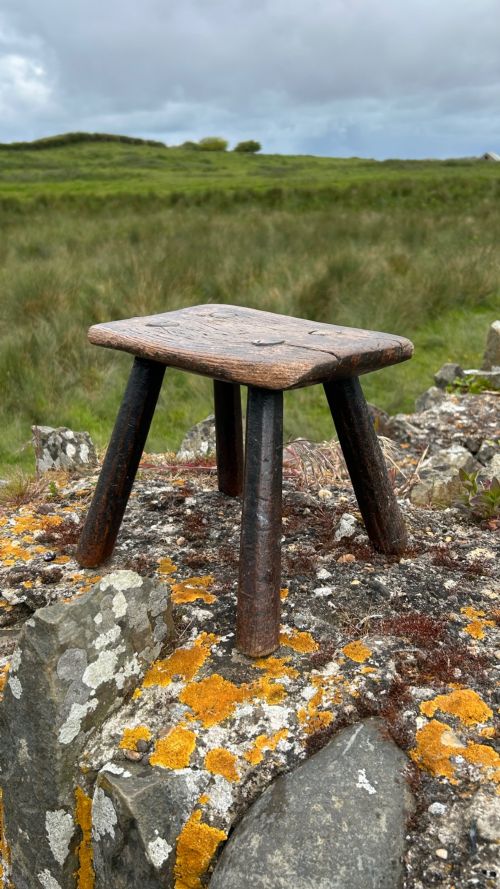
A brown wood stool functions as a versatile seat or stand shaped from various historical periods and regional traditions. Pieces range from simple rustic three-legged seats to sophisticated upholstered variants and revolving workshop designs.
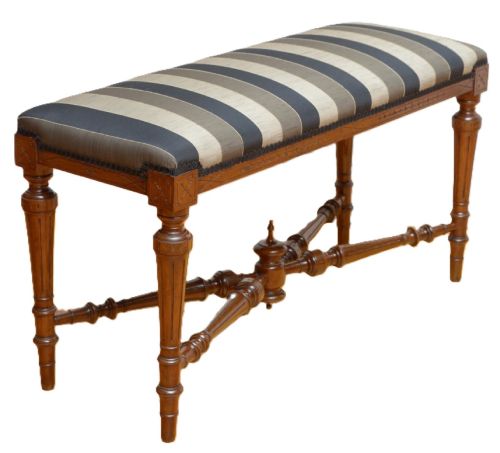
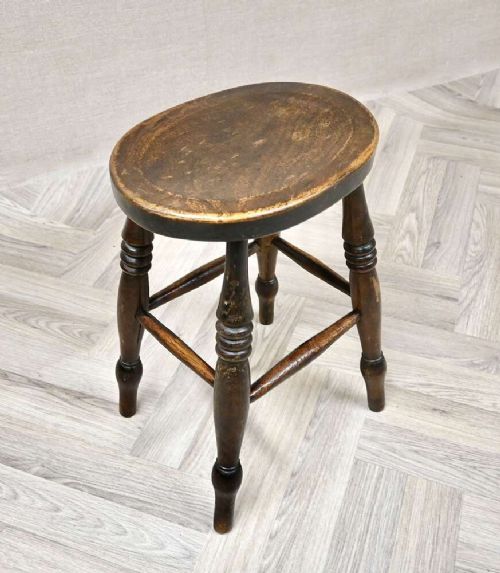
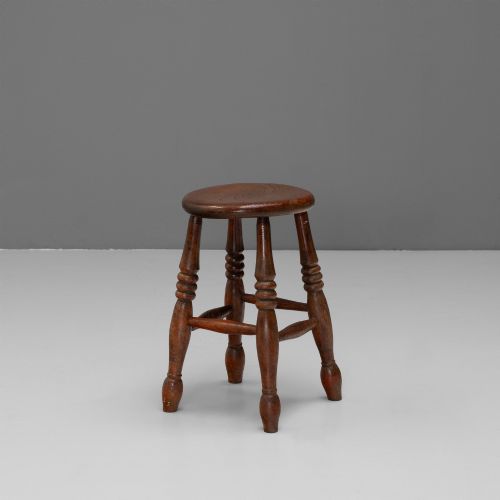
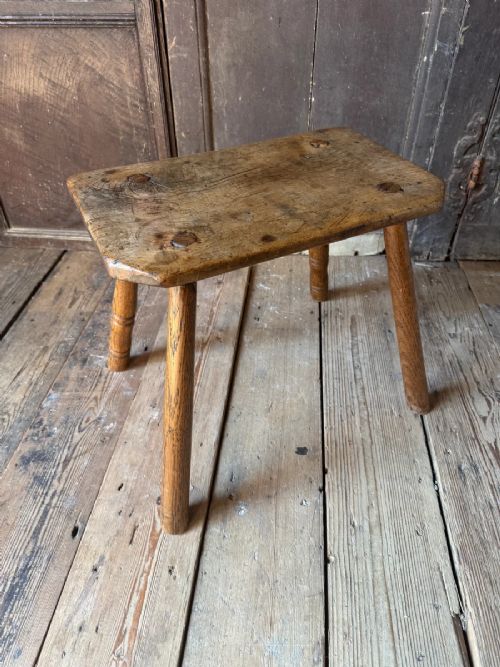
The selections on this page draw heavily from nineteenth-century vernacular and country styles alongside Edwardian and Victorian productions. Buyers encounter sturdy elm and oak forms, including tavern stools, joint stools, and piano stools.
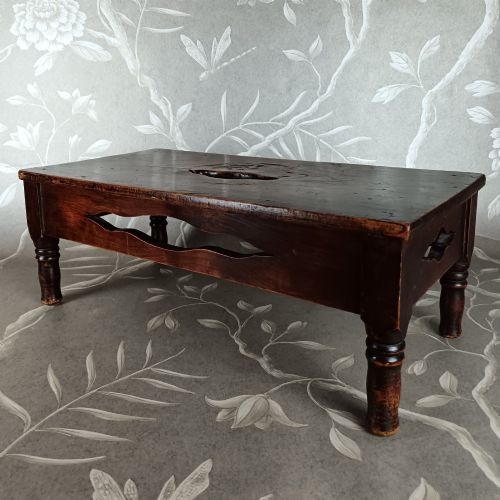
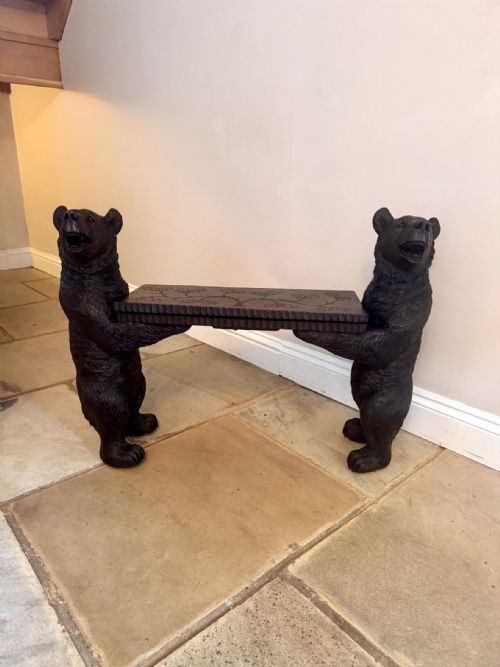
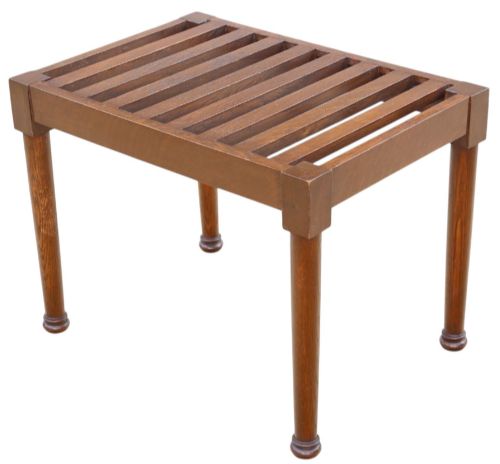
Beyond standard seating, the category encompasses related wooden forms such as luggage stands, small side tables, and step stools. These items combine practical utility with traditional timber craftsmanship.
How they were made
Carpenters and village joiners shaped these pieces primarily using native hardwoods like oak, elm, ash, beech, and mahogany. Turning lathes and hand saws formed the legs, stretchers, and seats, often employing traditional joinery like mortise and tenon or dovetail joints.
Seats were frequently carved into concave or dished shapes from solid timber blocks to enhance comfort. Surface treatments relied on natural wax, oil, or polish applied directly to the wood to highlight the grain and protect the material over decades of use.
Brown Wood Stool Retail Price Guide 2026
Typical asking prices for brown wood stool among the pieces listed under this phrase on Sellingantiques today, from the lower quarter to the upper quarter. They describe what is for sale here now, not the wider market.
Listings feature oak, elm, mahogany, and beech across nineteenth-century and Edwardian periods.
What varies in quality
Quality rests in the integrity of the timber selection and the retention of original structural components. Pieces featuring dense, well-figured woods like burr wood, walnut, or mature oak exhibit greater refinement than utilitarian workshop equivalents.
Proportion and execution of turned details distinguish finer examples from standard vernacular pieces. Surviving patination, original surfaces, and untouched joinery elevate the standing of a stool within its period style.
Rubery Owen·Liberty and Co
The Brown Wood Stool Glossary
- Joint Stool
- A sturdy wooden seat constructed with mortise and tenon joints pegged together. These items date back centuries and served various household purposes before chairs became common.
- Vernacular
- Objects built by local craftsmen following regional traditions rather than high-style academic designs. This approach prioritises function and local materials over fashionable ornament.
- Dished Top
- A seat surface carved into a shallow concave depression. This shaping provides ergonomic comfort for the sitter without requiring upholstery.
- Commode Stool
- A piece of furniture enclosing a chamber pot, often disguised as a small chest or enclosed seat. Examples utilise hinged lids and wooden enclosures for discretion.
- Cross Stretcher
- Horizontal timber braces connecting the legs of a stool near the base to add structural stability. They often feature turned details or central intersections.
Brown Wood Stool: Frequently Asked Questions
What is a brown wood stool used for?
These items serve primarily as movable seats in kitchens, workshops, and living areas. Many double as small display surfaces for plants or bedside stands.
Historically, specific forms fulfilled specialised tasks such as piano playing, drafting, or serving tavern patrons.
How do I identify the age of a wooden stool?
Age is determined by observing tool marks, timber species, wear patterns, and construction methods. Hand-sawn boards and pegged joinery generally indicate earlier periods.
Stylistic cues like Victorian turnings or Georgian upholstery styles help narrow down the decade of production.
Are these stools suitable for daily use?
Most solid timber examples retain robust construction capable of handling regular weight and everyday sitting. Hardwoods like oak and elm provide lasting durability.
Delicate upholstered or antique veneered variants require more careful placement to preserve their historical surfaces.
How do I care for antique wood furniture?
Maintain the timber by keeping pieces away from direct heat sources and dramatic humidity shifts. Regular application of a gentle wax polish preserves the surface sheen.
Avoid abrasive cleaners or excessive moisture to protect the original finish and wood grain.