



Period Oak Stool
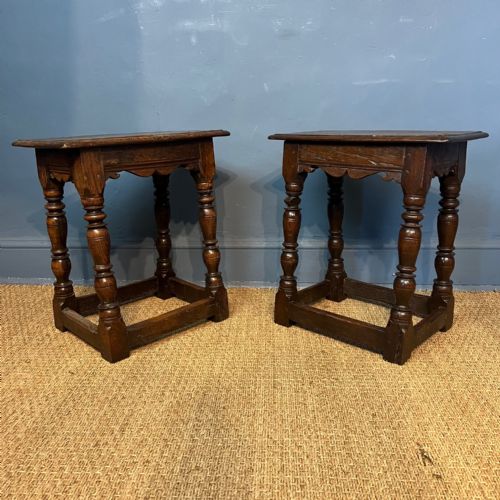
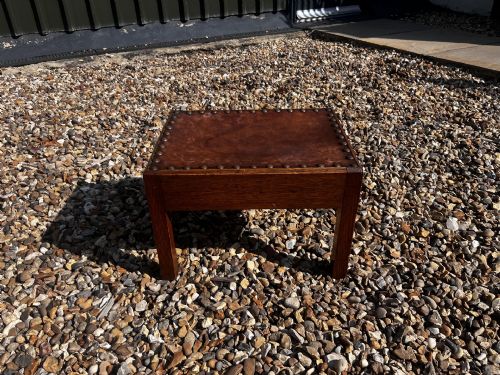
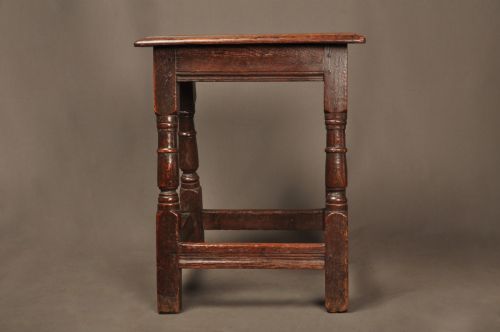
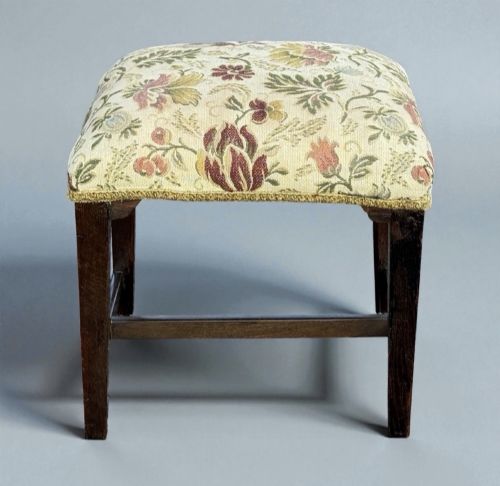
Period oak stool examples range from robust seventeenth-century joint stools to Georgian footstools crafted for daily utility.
Period Oak Stool
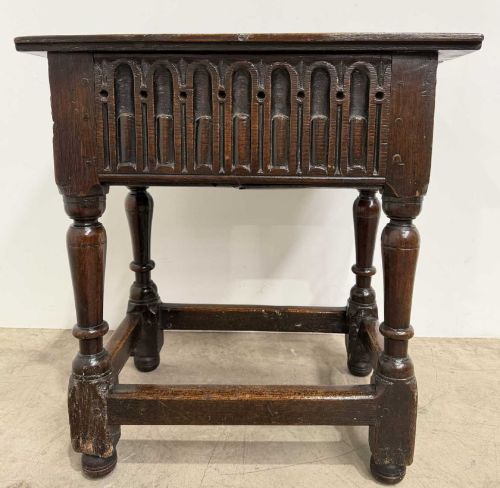
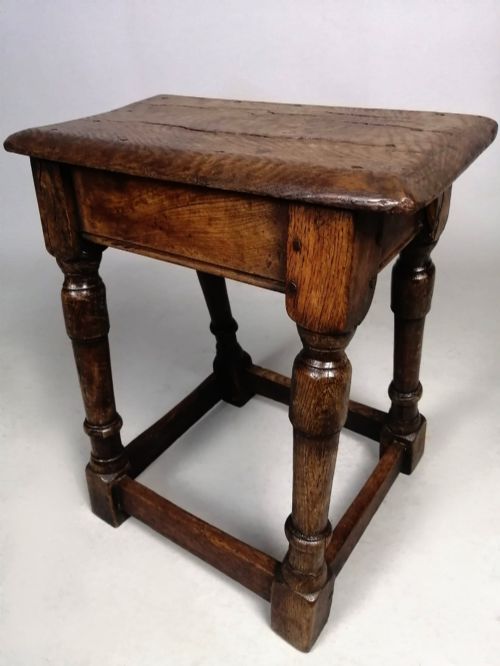
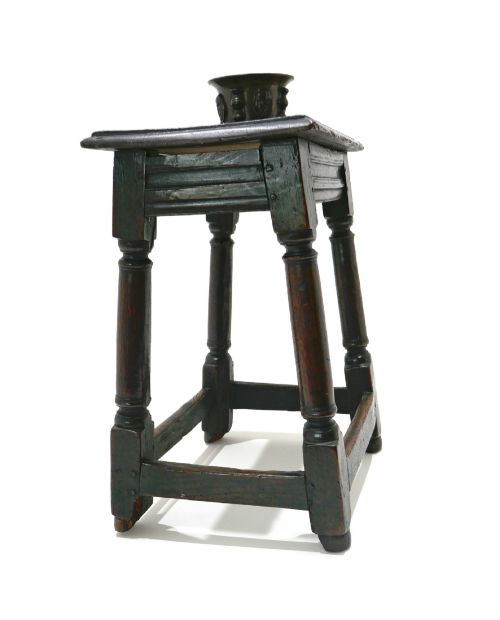
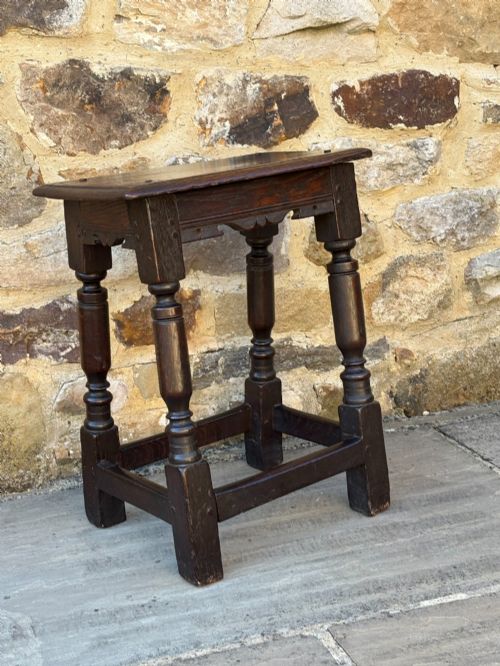
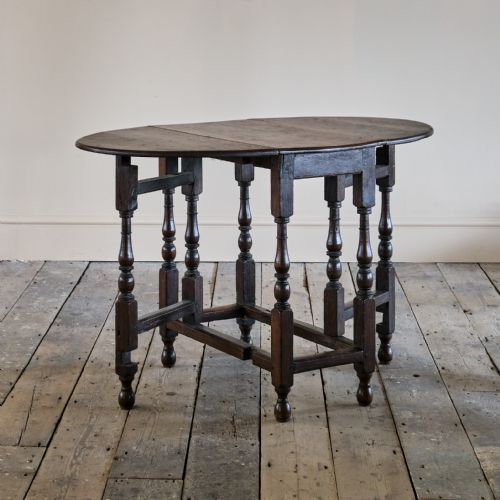
When searching for a period oak stool, you encounter items rooted primarily in the seventeenth and eighteenth centuries, alongside later revivals and regional variations. The most common form by far is the joint stool, built with pegged mortise and tenon joints to serve as seating or a small platform.
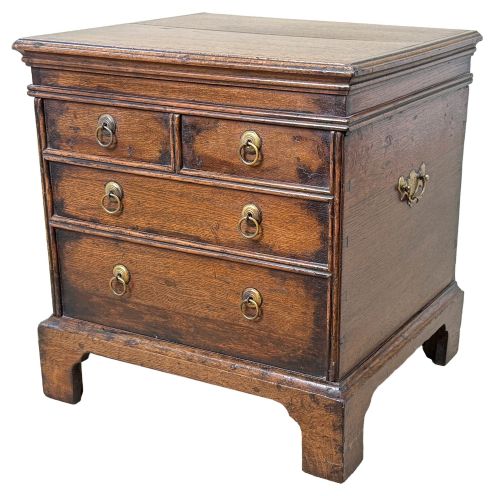
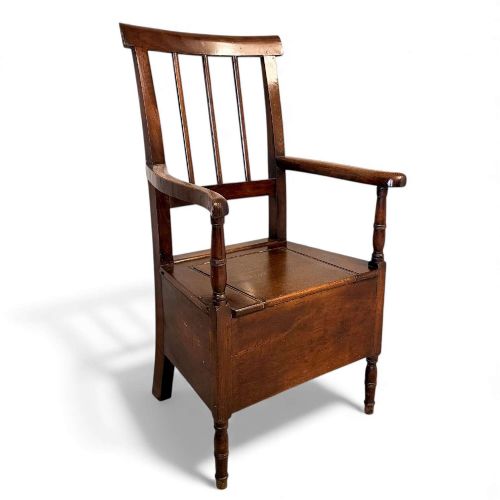
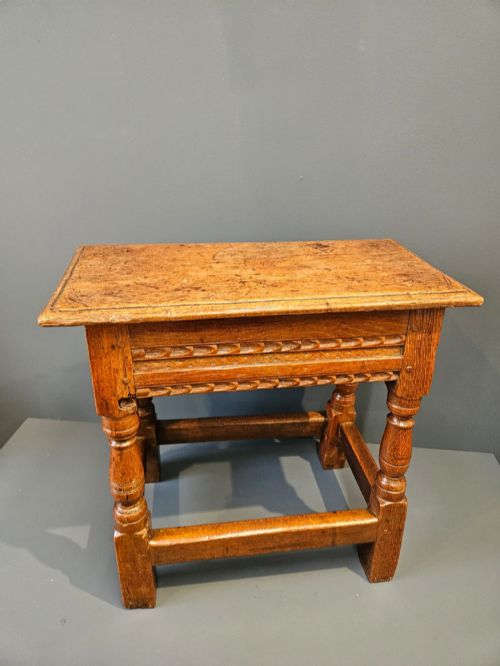
The inventory also spans utilitarian close stools designed as small bedside chests or commode chairs, alongside box stools with lift-up lids. Footstools and long benches appear less frequently, yet they share the same heavy timber construction and rectilinear proportions characteristic of early English domestic life.
How They Were Made
Joiners built these pieces using solid timber, predominantly oak supplemented occasionally by elm for seats or walnut for decorative contrast. Panels and frames were joined with wooden pegs rather than metal nails, creating a rigid structure designed to withstand heavy floor use.
Surface finishing relied on natural waxing or oiling of the bare wood over decades of handling, while upholstered variants integrated leather, tapestry or heavy fabric secured with brass tacks.
Period Oak Stool Retail Price Guide 2026
Typical asking prices for period oak stool among the pieces listed under this phrase on Sellingantiques today, from the lower quarter to the upper quarter. They describe what is for sale here now, not the wider market.
Listings feature solid oak alongside secondary woods like elm and walnut, spanning periods from the seventeenth century through the Edwardian era.
What Varies in Quality
The distinction between standard examples and superior survivals rests on the integrity of the original construction and the degree of later alteration. Pieces retaining their full leg height without excessive timber shrinkage or replaced stretchers command greater attention.
Carving depth and clarity on the friezes or legs further separate ordinary utilitarian items from workshop pieces displaying deliberate decorative ambition, such as those associated with the Cotswold school or specific seventeenth-century regional styles.
Arthur Simpson Of Kendal
The Period Oak Stool Glossary
- Joint stool
- A sturdy wooden stool constructed by a joiner using pegged mortise and tenon joints rather than simple nailing. These pieces typically feature four turned or straight legs connected by stretchers near the floor.
- Close stool
- An enclosed piece of furniture designed to conceal a chamber pot, often resembling a small bedside chest, box stool, or commode chair. They reflect domestic sanitation habits of the seventeenth and eighteenth centuries.
- Back stool
- An early form of seating featuring a wooden backrest attached to a stool base, predating the standard dining chair. They provide compact upright seating without armrests.
- Stretchers
- The horizontal wooden bars connecting the legs of a stool near the base to provide structural rigidity. On early oak pieces, these often served as footrests to keep feet off cold floors.
- Plank top
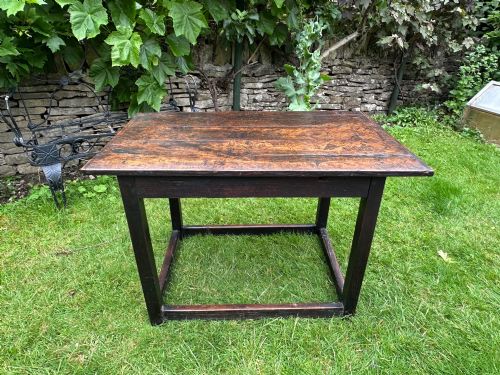
- A solid wooden seat constructed from one or more boards joined together, commonly seen on seventeenth and eighteenth-century utility stools.
Period Oak Stool: Frequently Asked Questions
How do I spot a fake joint stool?
Examine the timber for authentic signs of age, including dry surface shrinkage, natural wear patterns around the footings, and hand-cut peg holes. Modern reproductions often display uniform tool marks and lack the accumulated patina of centuries.
Check underneath the seat and rails for consistency in wood colour and construction methods. Genuine early pieces show tool signatures and wear consistent with historic joinery rather than modern routing.
Were joint stools used for sitting?
Despite their rigid appearance, these items served as primary seating at dining tables during the sixteenth and seventeenth centuries. Their robust construction allowed them to double as small side tables or stands for household objects.
Because they stack easily and take up minimal floor space, households kept several on hand to accommodate guests. Their versatility ensured survival in various capacities long after chair usage became widespread.
How do I clean an antique oak stool?
Maintain the surface by applying a microcrystalline wax sparingly with a soft cloth to nourish the dry timber. Avoid modern liquid polishes containing silicone, which can penetrate open oak pores and damage the historic finish.
Keep the piece away from direct heat sources and dramatic humidity fluctuations to prevent the oak from splitting. Gentle dusting with a dry cloth is sufficient for routine upkeep.
What is a close stool used for?
A close stool served as a concealed indoor lavatory facility before modern plumbing, holding a chamber pot beneath a lidded seat. Wealthy households placed them in bedrooms or dressing areas for private convenience.
Over time, many of these cabinets were converted into standard cupboards or side chests as sanitation methods evolved. Surviving examples retain internal framing designed to support the removable pot.