



Charles I Oak Stool
A Charles I oak stool is a sturdy piece of seventeenth-century domestic seating that brings authentic early English character to any room.
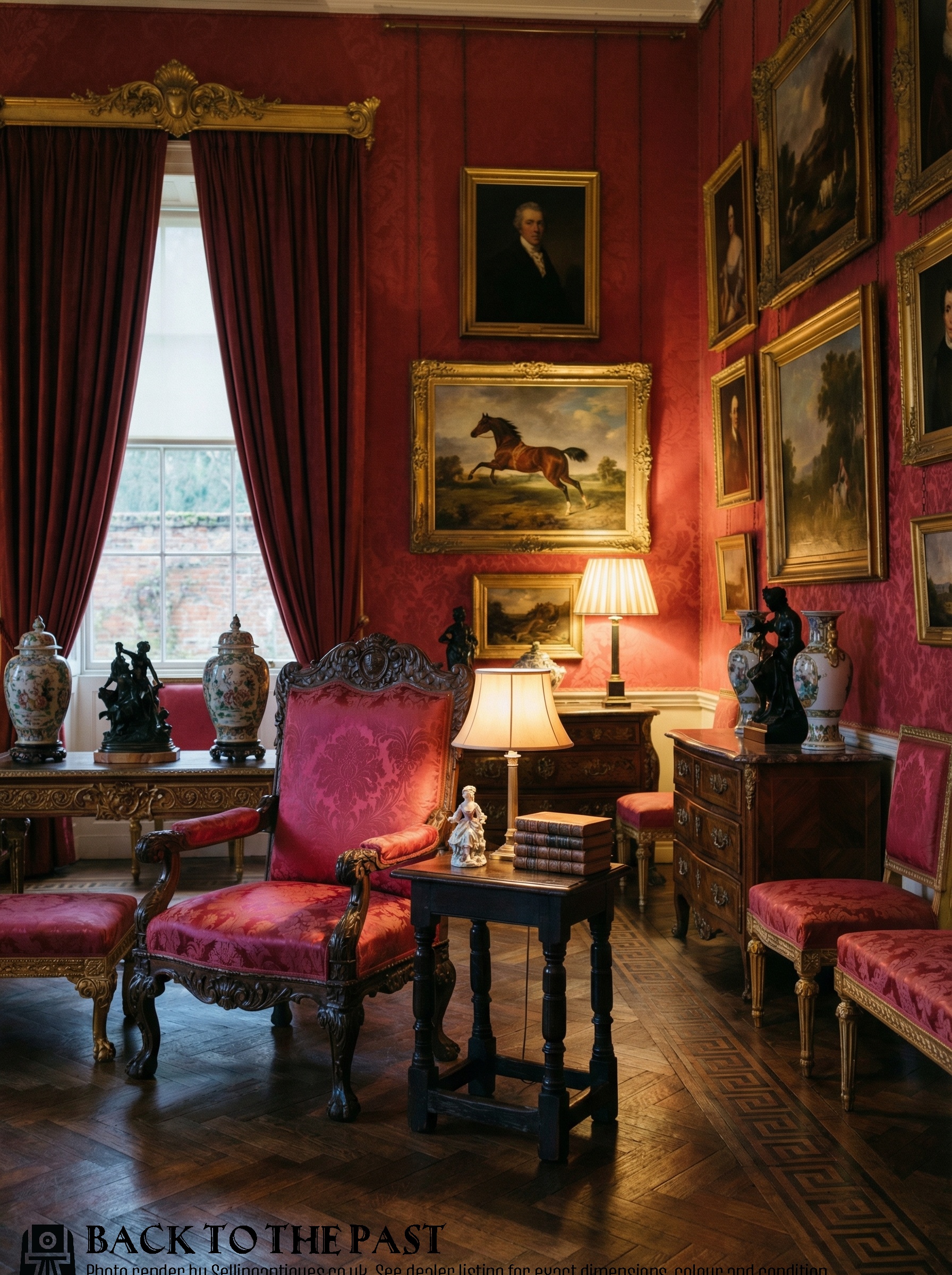
Charles I Oak Stool
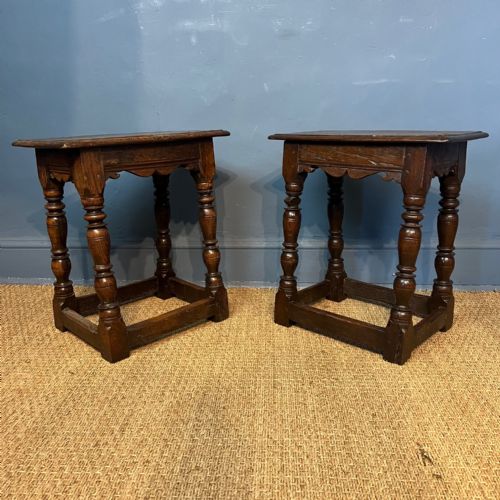
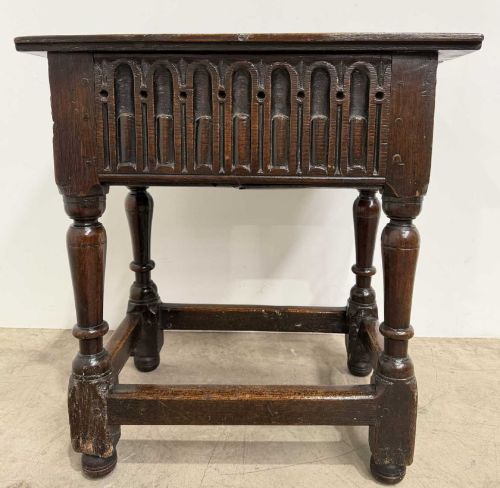
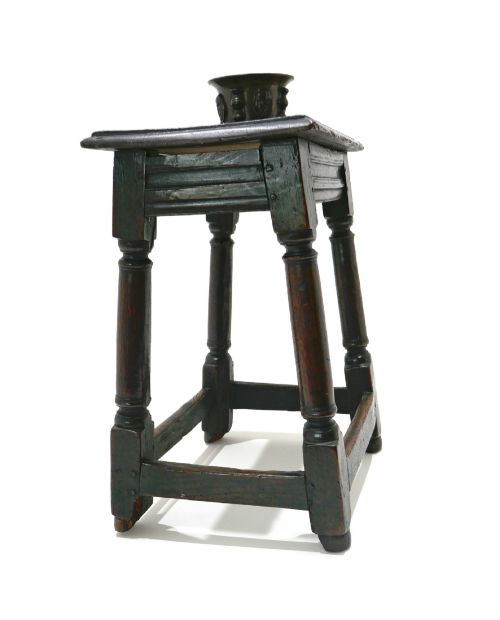
When searching for a charles i oak stool, buyers encounter heavy timber seating primarily originating from the seventeenth century, alongside later revival pieces. The joint stool and box stool forms dominate these listings, reflecting the essential household seating of the period.
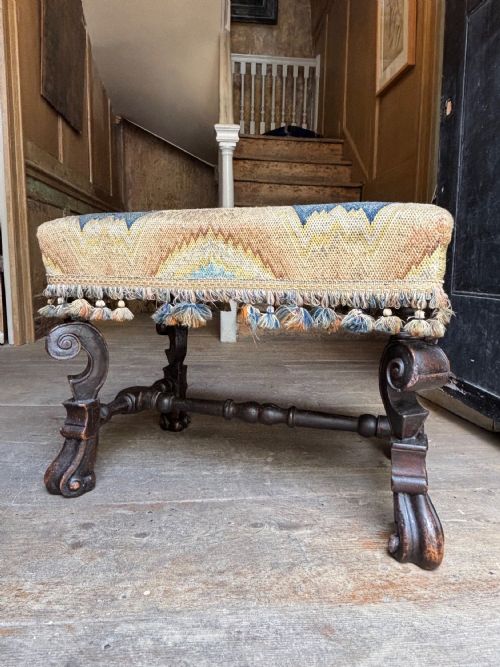
Many examples display classic rectangular proportions with turned legs and stretcher rails for stability. Alongside standard joint stools, the selection includes upholstered variants, back stools, and close stools adapted for specific domestic uses.
Materials and Construction
Carpenters built these pieces using solid oak, employing traditional pegged mortise and tenon joints to secure the frame without metal fasteners. This rigid construction accounts for the survival of joint stools over the centuries.
Where upholstery appears, makers utilised textiles, tapestry, and fabric, sometimes secured with brass tacks. Secondary materials such as iron and walnut also feature occasionally in the broader selection.
Charles I Oak Stool Retail Price Guide 2026
Typical asking prices for charles i oak stool among the pieces listed under this phrase on Sellingantiques today, from the lower quarter to the upper quarter. They describe what is for sale here now, not the wider market.
The listings on this site span seventeenth-century origins alongside revival pieces from 1910 and 1920, constructed mainly in oak with occasional tapestry and iron.
Evaluating the Pieces
The degree of original timber retention and the integrity of the pegged joints determine the standing of an individual stool. Pieces retaining their original surface patination and unreplaced structural members command greater appreciation.
Proportion and decorative carving elevate certain examples, such as those exhibiting baroque forms or panelled backs. Subtle differences in the turning of the legs and the crispness of the edges separate standard utility pieces from finer examples.
The Charles I Oak Stool Glossary
- Joint stool
- A sturdy wooden seat constructed with pegged mortise and tenon joints rather than simple dowels or glue. These formed the primary seating in seventeenth-century homes.
- Box stool
- A form of seating featuring a compartment beneath the seat for storage. This dual purpose made them useful items in period chambers.
- Back stool
- An early form of chair featuring an upright back attached to a stool base. They bridge the gap between fixed seating and portable chairs.
- Close stool
- A chamber stool enclosing a commode arrangement beneath a seated lid. They represent specialised domestic furniture of the seventeenth century.
- Carolean
- Pertaining to the reign of King Charles II, sharing stylistic elements with earlier seventeenth-century English woodwork. This period saw continued use of robust oak construction.
Charles I Oak Stool: Frequently Asked Questions
How do I use an oak stool today?
These sturdy seats function well as side tables, bedside surfaces, or extra seating in a living room. Their low profile allows them to slide easily beneath desks or console tables when not occupied.
Placing them in hallways or studies introduces historical texture without dominating the floor space. They hold decorative objects securely while remaining entirely practical for daily use.
Were these stools used at dining tables?
In seventeenth-century households, joint stools served primarily as seating around the main dining board for family members and guests. Chairs were reserved for the head of the household, leaving stools to accommodate everyone else.
Because they stack or tuck neatly beneath tables, multiple stools could be stored compactly after meals concluded. Their robust frames easily withstood the daily rigours of communal dining.
How do I distinguish early oak from later revivals?
Examining the underside, peg construction, and wear patterns reveals the age of the timber and the methods used by the maker. Seventeenth-century examples show tool marks consistent with hand-cleaving and early pit-sawing.
Later revival pieces from the nineteenth or twentieth centuries often display machine-cut uniformity and different surface patination. Natural shrinkage and historical timber movement also provide strong clues to a piece's true era.
What is the difference between a joint stool and a box stool?
A joint stool consists strictly of an open wooden frame with four legs and a flat top. It relies entirely on stretcher rails for structural rigidity.
A box stool incorporates enclosed sides beneath the seat to create a storage cavity with a lifting lid. This extra cabinetry distinguished the storage variant from standard seating forms.