


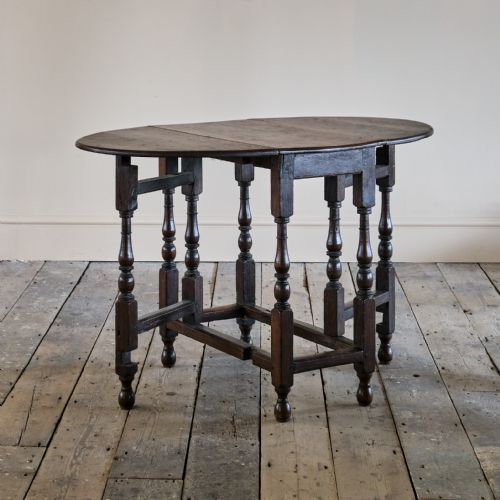


Jacobean Oak Joint Stool
These jacobean oak joint stool examples offer sturdy seventeenth century construction and later revival craftsmanship for daily utility.
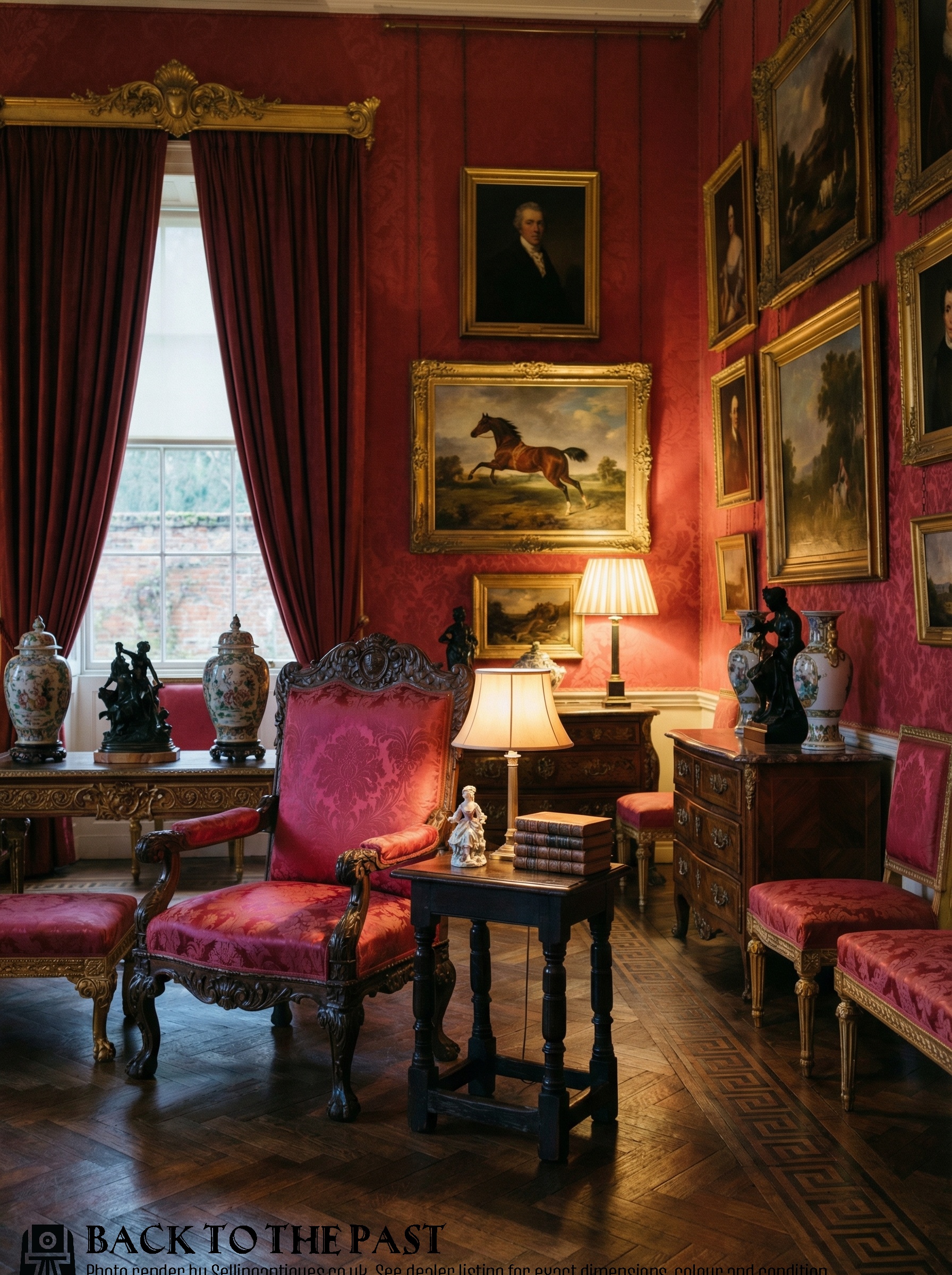
Jacobean Oak Joint Stool
A jacobean oak joint stool represents a rigid timber seating form built with pegged mortise and tenon joinery rather than traditional nailed construction. Most pieces you meet on this page date either from the seventeenth century or arrive through later Victorian and Edwardian Jacobean revival workshops.
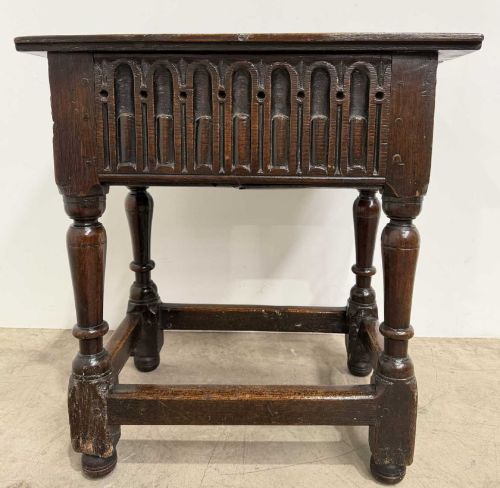
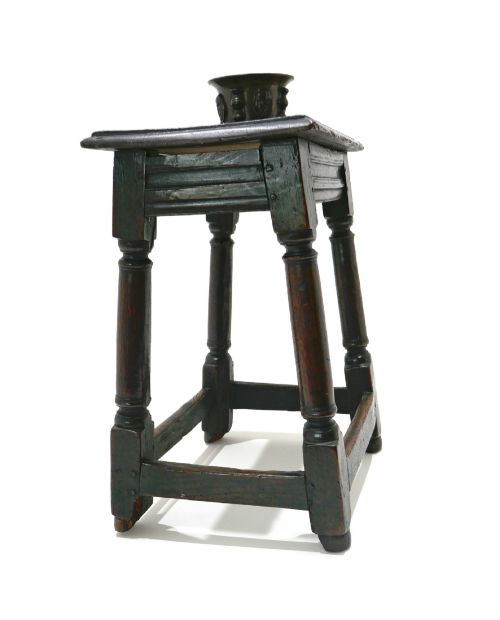
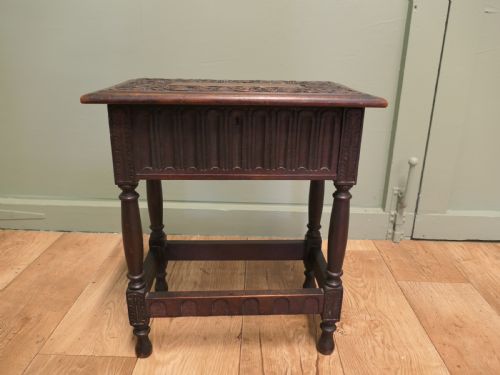
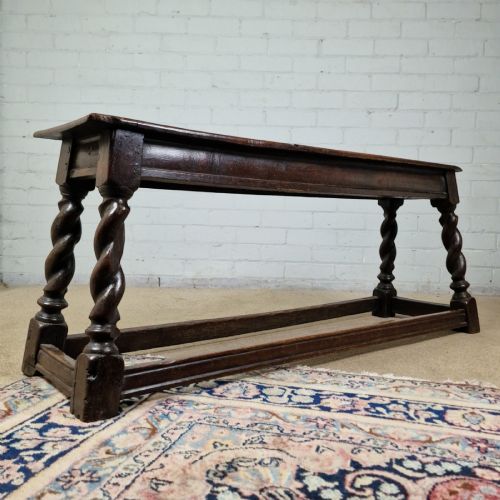
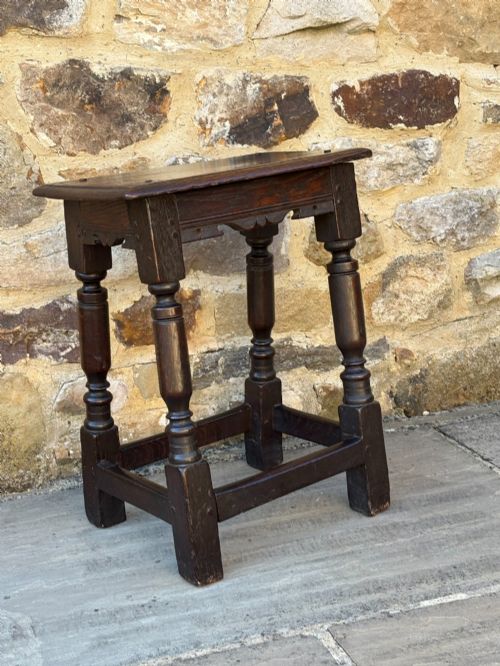
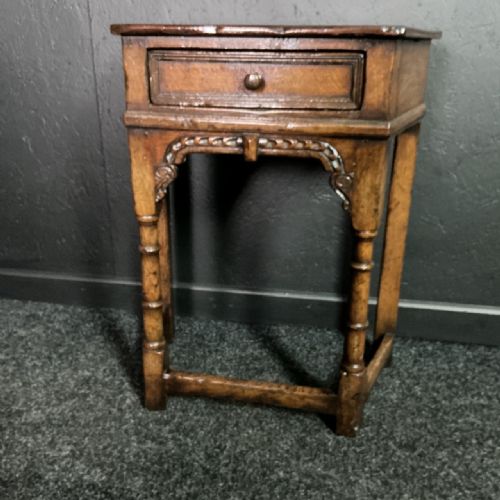
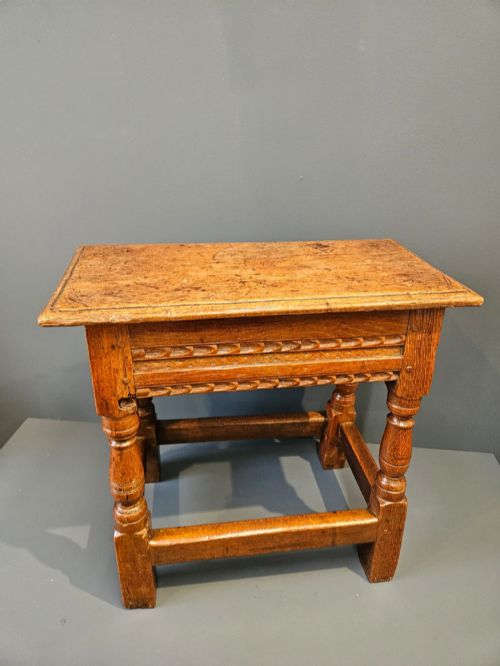
The primary form remains a low, rectangular seat supported by four turned legs connected by low stretchers for stability. These items served multiple domestic duties in early English households, functioning as seats, small tables or portable perches.
How they were made
Joiners built every jacobean oak joint stool entirely from solid oak, shaping the timber with hand tools to produce square framing and pegged joints. The structural integrity relies upon precise woodworking joints secured by wooden dowels rather than metal fasteners.
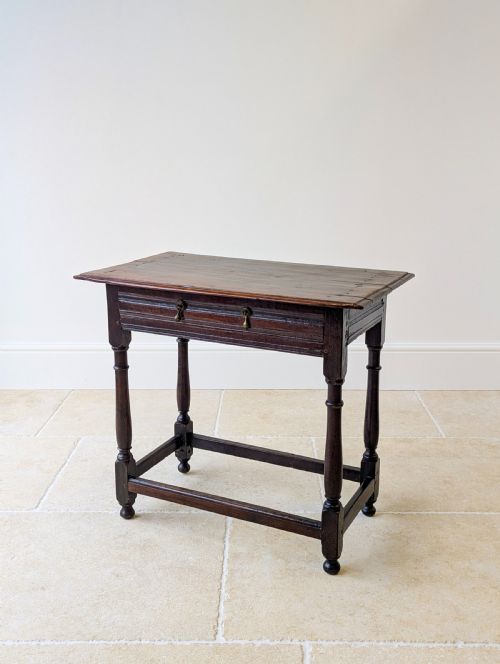
Turned legs feature prominently across the inventory, displaying characteristic bulbous or spool profiles shaped on a lathe. Surfaces often show the tool marks of early hand planing alongside the rich patination accumulated over centuries of use.
Jacobean Oak Joint Stool Retail Price Guide 2026
Typical asking prices for jacobean oak joint stool among the pieces listed under this phrase on Sellingantiques today, from the lower quarter to the upper quarter. They describe what is for sale here now, not the wider market.
What varies in quality
The distinction between seventeenth century originals and later revival pieces rests in the depth of timber patination and the authenticity of the structural wear. Early examples display the shrinkage cracks and surface softening that only centuries of handling produce.
Proportion and turning execution separate finer examples from heavier, cruder interpretations. A well proportioned joint stool exhibits balanced leg profiles and crisp turning details that remain harmonious with the thick top board.
The Jacobean Oak Joint Stool Glossary
- Joint stool
- A wooden stool constructed using joinery techniques with pegged mortise and tenon joints rather than carpentry nails. The name derives from the joined timber framework.
- Stretcher
- A horizontal wooden brace connecting the legs of a stool to provide lateral stability and prevent the frame from wobbling. These often double as footrests on early seating.
- Jacobean revival
- A nineteenth and early twentieth century design movement that recreated seventeenth century styles, producing pieces using period forms and oak timber. This aesthetic explains many Edwardian and Victorian items in the archive.
- Mortise and tenon
- A woodworking joint where a projecting tongue fits snugly into a corresponding cavity, secured permanently by a wooden peg. This method underpins the rigid structure of seventeenth century furniture.
Jacobean Oak Joint Stool: Frequently Asked Questions
What is a joint stool?
A joint stool is a sturdy wooden seat built by a joiner using pegged frame construction rather than simple carpentry. These pieces provided reliable seating and small platform surfaces in early homes.
They take their name from the precise wooden joints holding the frame together without metal nails. The design prioritised durability and load bearing strength.
How old are these stools?
The inventory includes genuine seventeenth century examples alongside revival pieces made around nineteen twenty, eighteen ninety, and nineteen hundred. Period items date back to the sixteen hundreds.
Revival pieces capture the seventeenth century aesthetic using traditional oak materials during the Victorian and Edwardian eras. Examining the timber surface helps distinguish early items from later interpretations.
Were they used just for sitting?
While primarily designed as seating, these compact stools functioned flexibly as small portable tables or stands around the house. Their flat tops and robust frames supported various domestic tasks.
Their rigid construction allowed them to withstand heavy daily use across multiple rooms. Servants and family members utilised them wherever extra perches were required.
How do I style one at home?
A jacobean oak joint stool works well as a compact bedside table, a bathroom stand, or a decorative surface next to a larger chair. Its architectural lines complement both historic interiors and modern minimalist spaces.
The rich oak timber introduces natural warmth and texture to a room. Placing objects on top highlights the historic character of the thick wooden seat.
How can I tell old oak from new?
Genuine seventeenth century oak develops deep surface patination, shrinkage variations, and wear patterns from centuries of handling. Revival pieces from the nineteenth or twentieth century show different tool marks and lighter patination.
Inspecting the peg construction and undersides reveals clues about the age of the timber and assembly methods. Each period leaves distinct physical evidence on the wood.