




Antique Coffin Stool
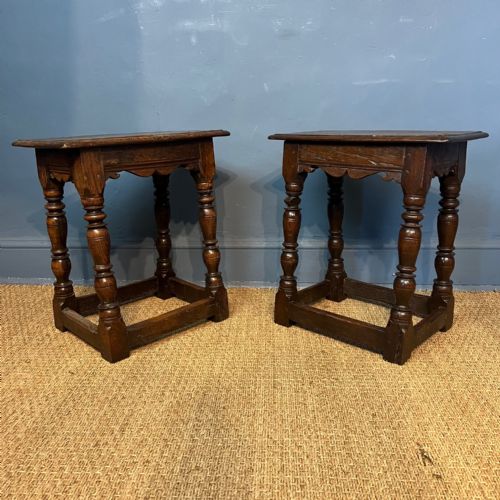
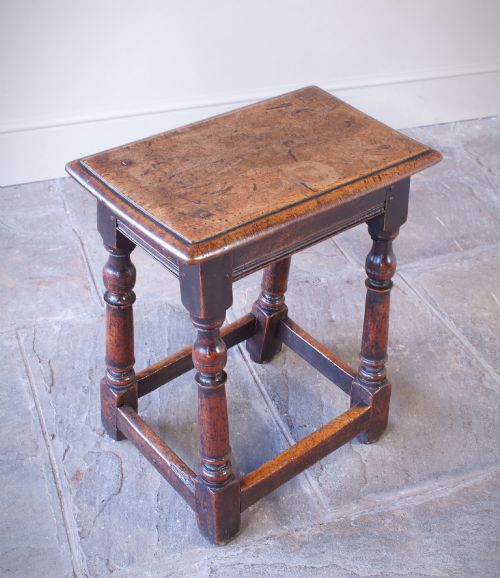
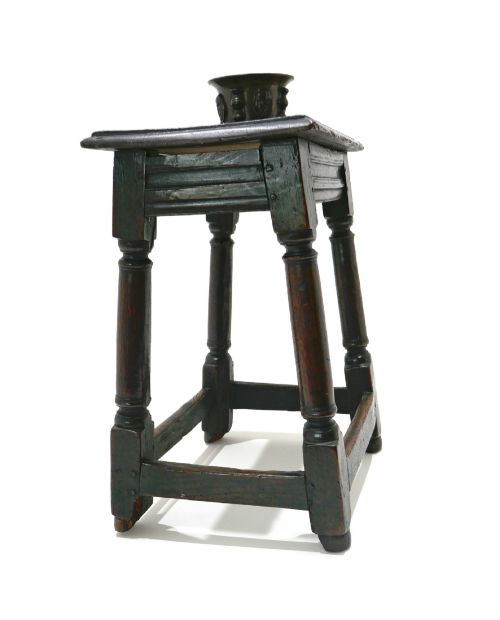
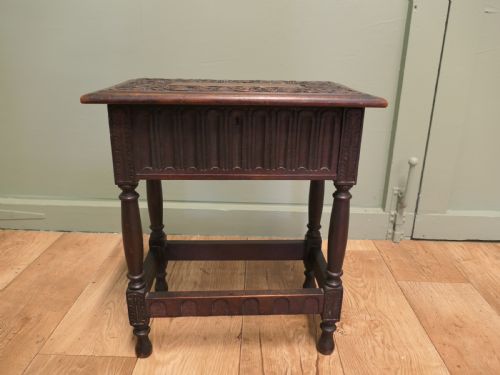
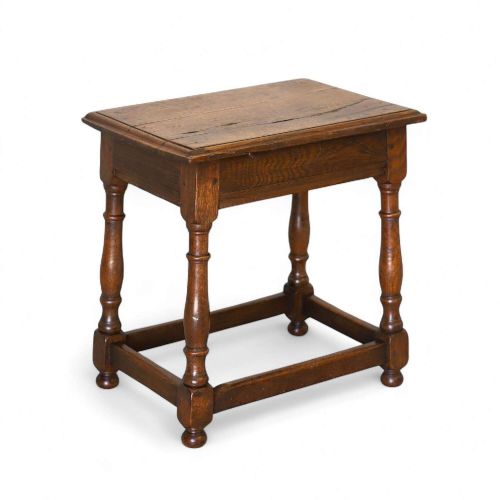
These antique coffin stool examples are sturdy seventeenth-century and later timber seats once used in solemn household or church traditions, prized by collectors for their austere proportions.
Antique Coffin Stool
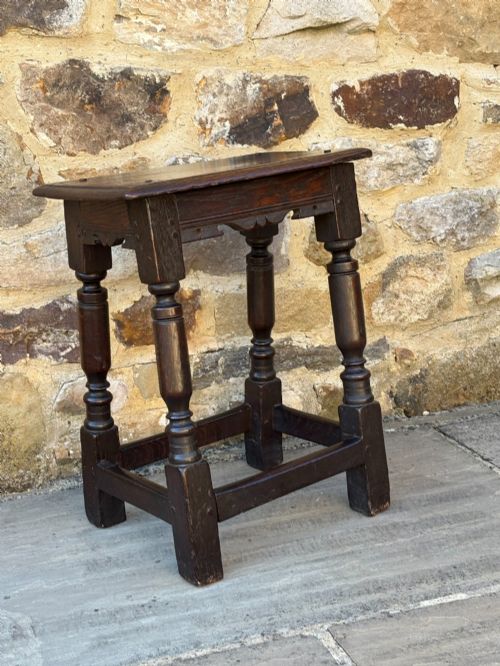
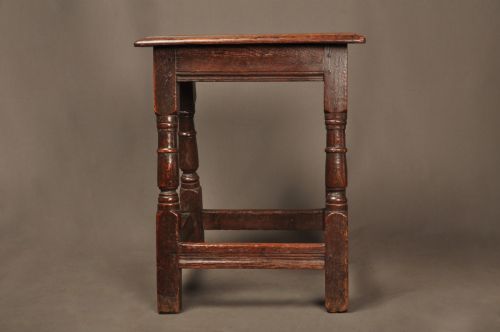
An antique coffin stool is a robust low seat built primarily for utility and endurance. When you search for this phrase, you find heavy wooden forms that bridge the gap between simple domestic furniture and ecclesiastical history.
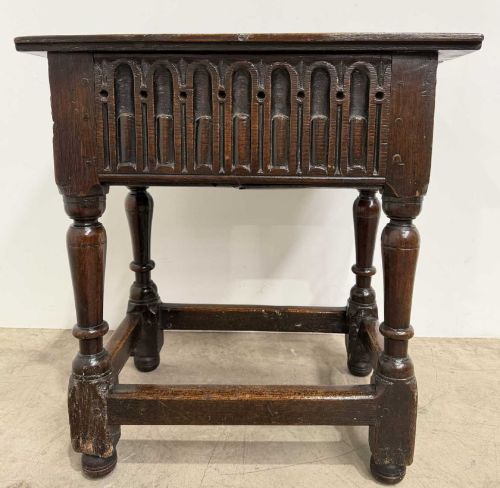
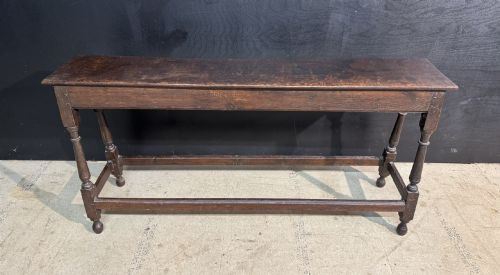
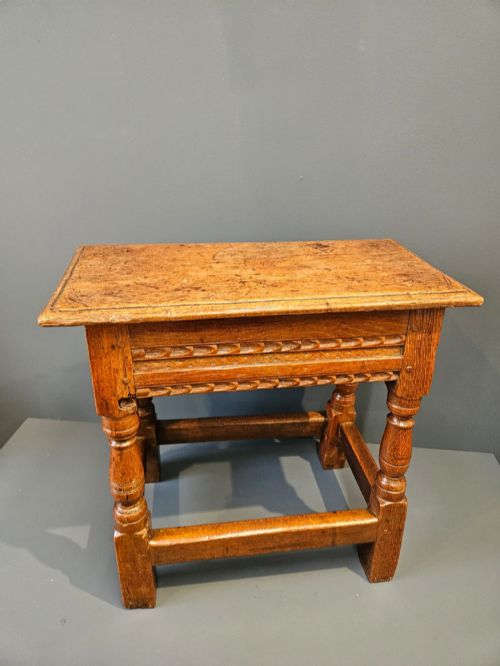
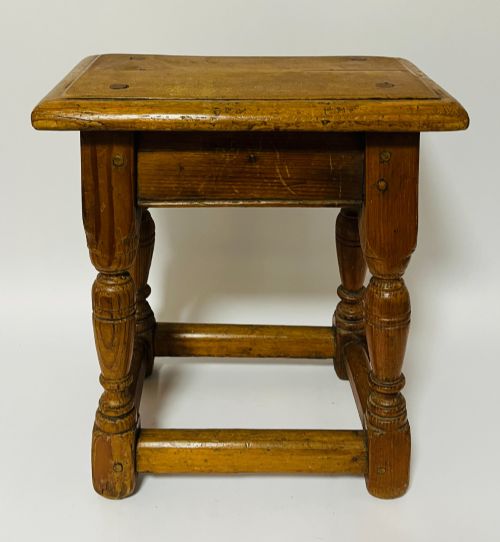
The pieces appearing on this page span several centuries, with origins stretching from the seventeenth century through the Georgian era into later revivals. Most examples you meet here are constructed as joint stools or box stools, often serving dual purposes as occasional tables.
Makers shaped these low forms using native timbers to withstand heavy daily use. Collectors look for these specific proportions to anchor traditional interiors with authentic period weight.
Materials and construction methods
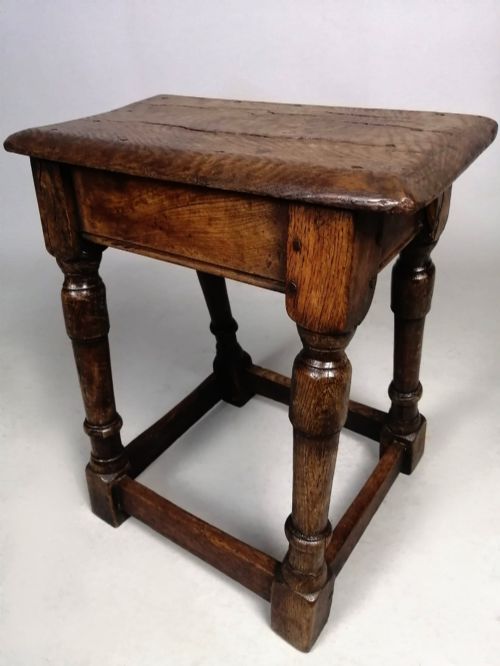
Joiners relied on solid oak as the primary timber, occasionally incorporating elm, pine, yew wood, and iron fasteners for structural strength. These hard timbers were shaped using traditional mortise and tenon joinery to create rigid frames without relying on modern adhesives.
Surface treatments developed naturally through decades of use and waxing, leaving visible tool marks and rich colour across the timber. Iron brackets or braces sometimes reinforced the joints on older pieces, ensuring the wooden pegs held firm under constant weight.
Antique Coffin Stool Retail Price Guide 2026
Typical asking prices for coffin stool among the pieces listed under this phrase on Sellingantiques today, from the lower quarter to the upper quarter. They describe what is for sale here now, not the wider market.
Listings on this site show heavy reliance on solid oak, alongside occasional examples in elm, pine, and yew wood.
Assessing quality in early stools
Quality rests upon the proportion of original timber remaining and the crispness of the hand-cut joinery. An untouched surface with deep, rich colour distinguishes a seventeenth-century survivor from later revivals.
Proportion and stance separate standard utility pieces from exceptional examples. A well-balanced frame with original pegs shows the maker's hand clearly, whereas heavily restored or later replacement parts alter the integrity of the piece.
The Antique Coffin Stool Glossary
- Joint stool
- A sturdy wooden seat constructed using pegged mortise and tenon joints rather than simple nails. This method creates a rigid frame designed to bear heavy weight.
- Box stool
- A variant featuring a recessed compartment beneath the seat lid for storage. These versatile forms functioned as both seats and small repositories.
- Jacobean
- A seventeenth-century design style characterised by straight lines, dark oak timber, and geometric panel carving. Pieces from this era display austere dignity.
- Provincial
- Describing items made by regional craftsmen outside major urban centres using local materials and traditional methods. These pieces often exhibit charming rustic irregularities.
- Revival
- A later nineteenth-century architectural and decorative movement that copied earlier sixteenth and seventeenth-century forms. Makers during this period utilised older techniques to satisfy Victorian demand for historical authenticity.
Antique Coffin Stool: Frequently Asked Questions
What is an antique coffin stool?
An antique coffin stool is a heavy wooden seat built with pegged joinery during the seventeenth century or later periods. These low forms were traditionally utilised in homes and sometimes rested coffins during mourning rites before burial.
Today, collectors appreciate these pieces for their architectural timber frames and historical associations. They function well as low side tables or accent seating in traditional rooms.
How can I tell a seventeenth-century stool from a revival piece?
Seventeenth-century examples display authentic tool marks, natural timber shrinkage, and dark colour developed over centuries of handling. The peg construction and grain patterns reveal the age of the wood.
Revival pieces made during the nineteenth or twentieth centuries often look more uniform and utilise machine-cut elements. Examining the underside and joint construction helps determine the true age of the timber.
Where should I place a coffin stool in my home?
These compact wooden seats fit easily beside a fireplace, beneath a window, or as an occasional table next to a larger chair. Their sturdy construction means they can support daily use as extra seating.
Keep them away from direct heat sources and strong sunlight to protect the historic timber surface. Regular waxing helps preserve the rich colour of the oak.
What woods were used to make these stools?
Oak forms the vast majority of these listings, chosen for its density and durability. Craftsmen also utilised elm, pine, and yew wood depending on regional availability and the specific part of the stool being built.
Iron elements appear occasionally as structural reinforcement or hinges on box variants. Each material contributes to the heavy, utilitarian character of the furniture.