

English Oak Stool
When sourcing an english oak stool, you invest in centuries of solid craftsmanship designed for daily domestic use.
English Oak Stool
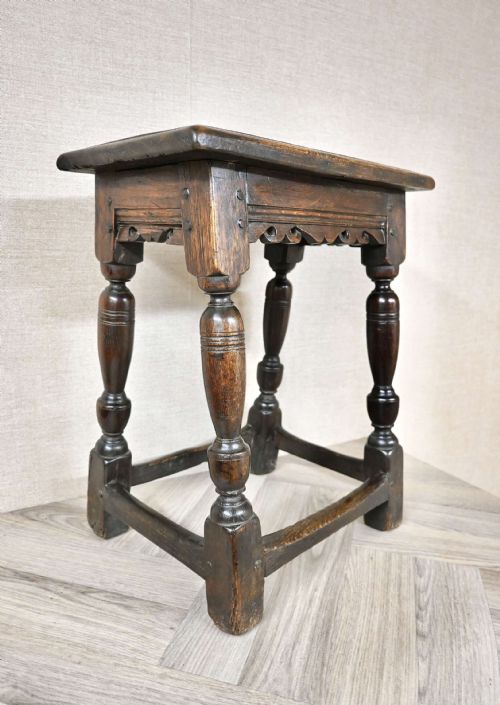
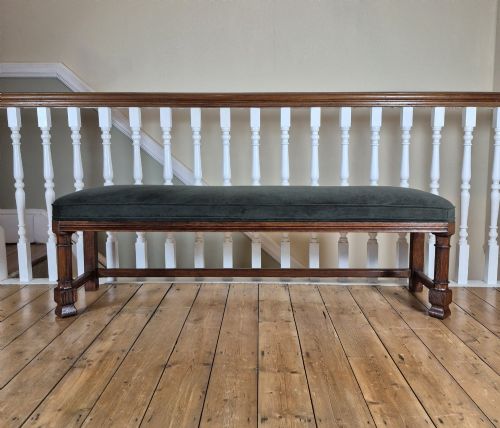
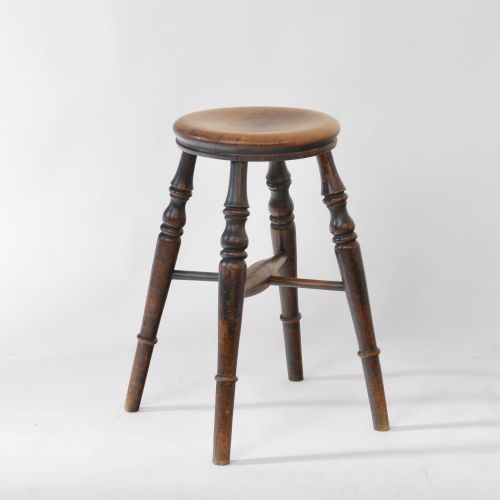
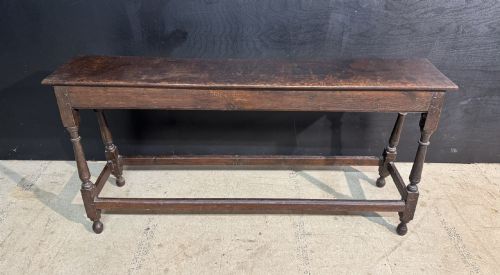
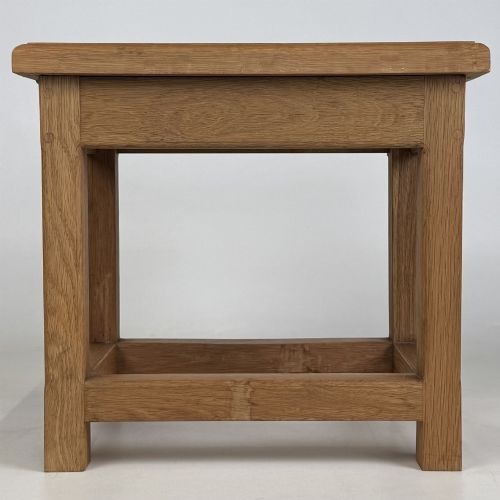
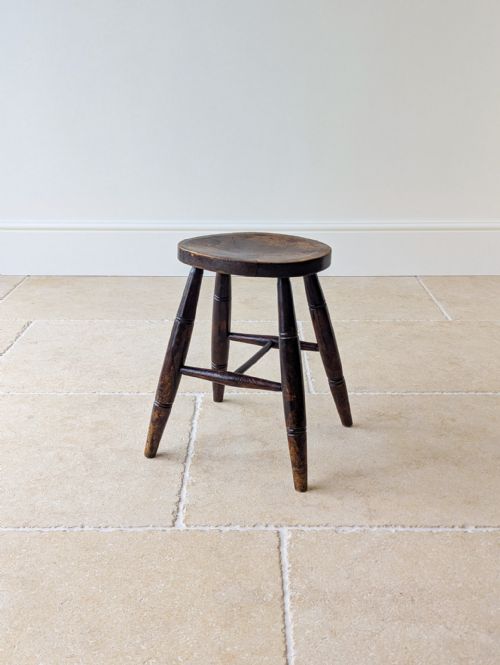
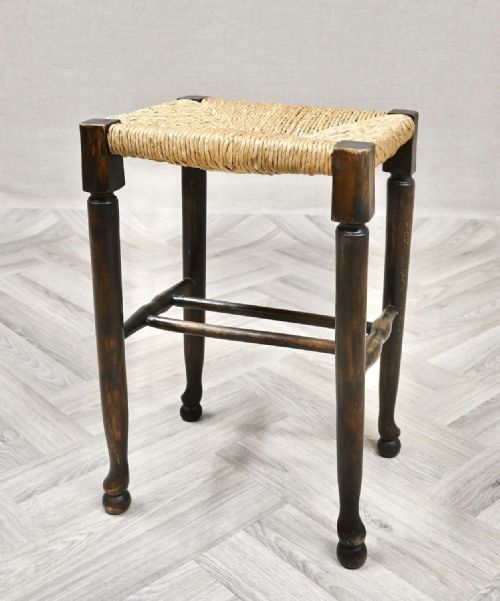
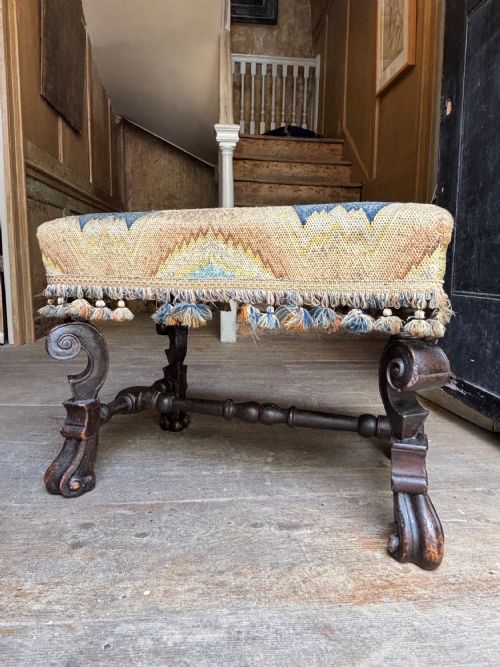
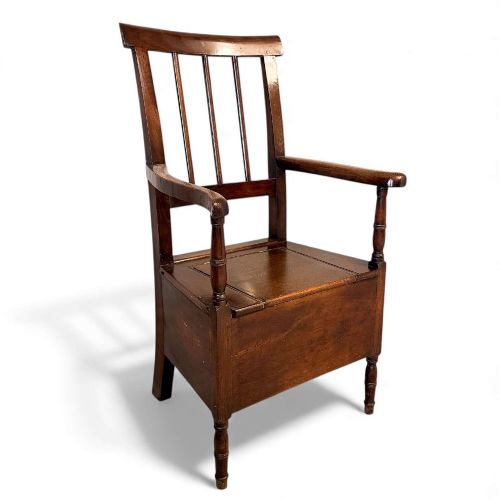
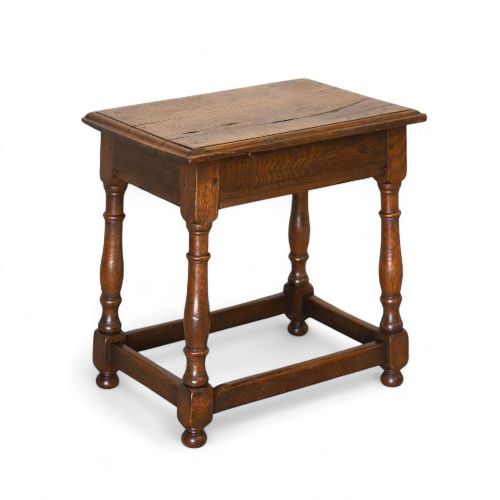
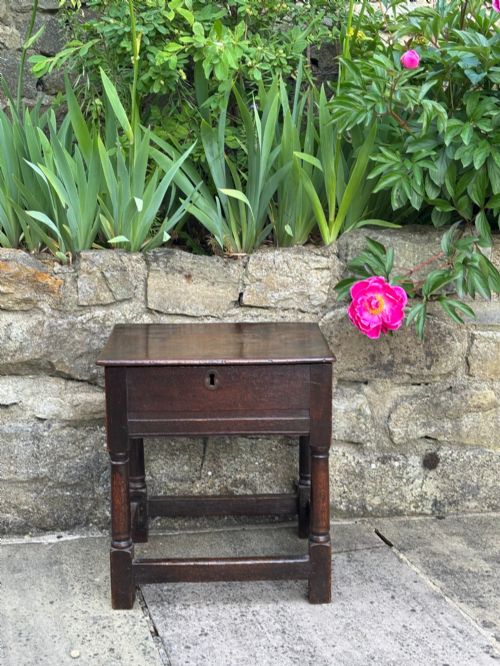
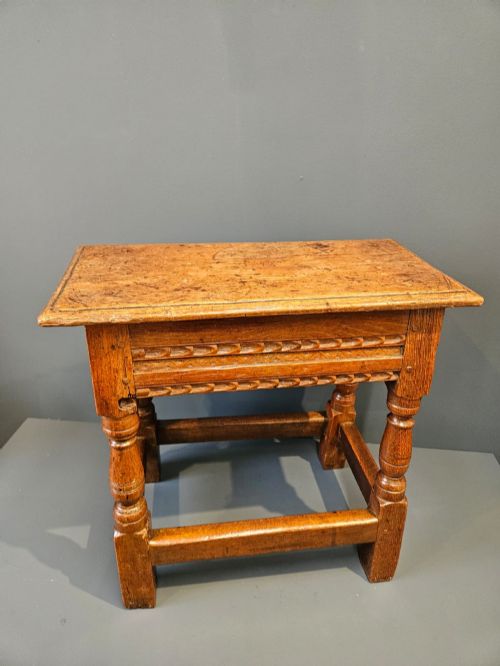
An english oak stool encompasses utilitarian seating, robust joint stools, and provincial footstools spanning from the seventeenth century through the twentieth century. These domestic items served various household functions, from low tavern seating to high dining benches and box storage.
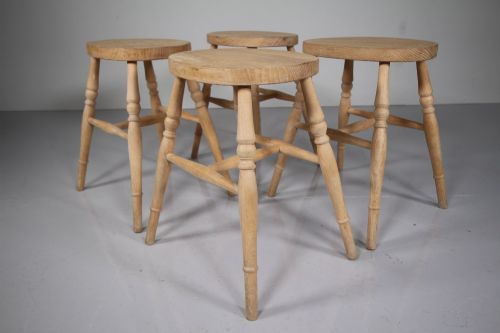
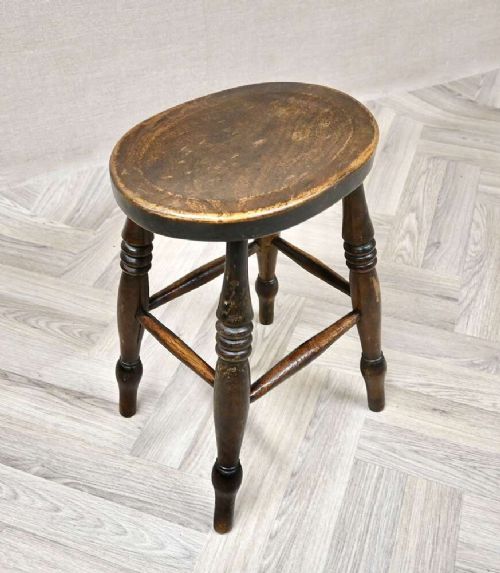
The most prevalent forms found on this page are seventeenth-century joint stools alongside nineteenth-century farmhouse and Windsor variations. They display regional character shaped by carpenter traditions and changing interior fashions over multiple centuries.
How they were made
Makers utilised native hardwoods, predominantly oak supplemented by elm, sycamore, walnut, and fruitwood, joined through pegged and mortise-and-tenon construction. Carpenters built these frames to withstand heavy daily loads without metal fasteners.
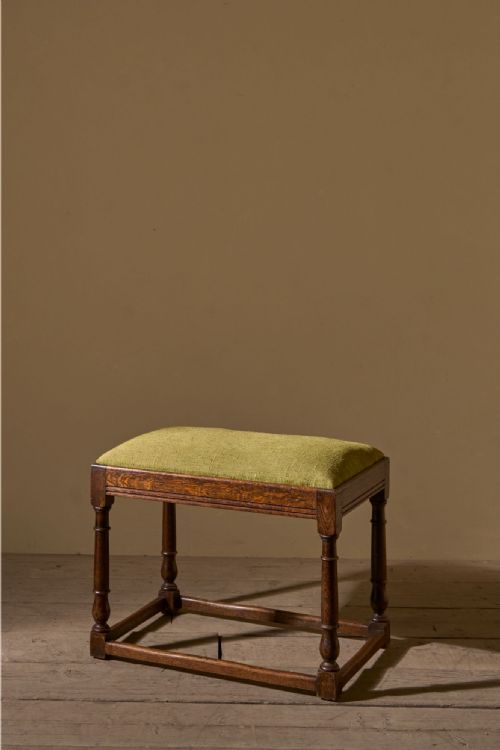
Surface treatments developed naturally through handling and wax polishing, occasionally complemented by carved detailing, turned legs, or rush, leather, and fabric upholstery.
English Oak Stool Retail Price Guide 2026
Typical asking prices for english oak stool among the pieces listed under this phrase on Sellingantiques today, from the lower quarter to the upper quarter. They describe what is for sale here now, not the wider market.
Several examples were built specifically as shoe boy stools and doll benches, showing that miniature carpentry amused historical households just as much.
What varies in quality
Structural integrity differentiates a piece that retains its original components from one rebuilt with replacement timbers or altered legs. The degree of wear on footings and the tightness of pegged joints reflect the original standards of the carpenter.
Proportion and decorative restraint elevate certain examples above standard utility seating, while rich natural patination and untouched surfaces demonstrate careful preservation over generations.
Harry & Lou Epstein·James Shoolbred
The English Oak Stool Glossary
- Joint Stool
- A sturdy wooden stool constructed with mortise-and-tenon joints, traditionally assembled by a joiner using wooden pegs rather than metal nails.
- Box Stool
- A seating form incorporating a lidded compartment beneath the seat for domestic storage.
- Windsor
- A traditional chair or stool construction method featuring turned legs and spindles wedged directly into a solid carved wooden seat.
- Carolean
- A seventeenth-century style associated with the reign of Charles II, characterised by exuberant baroque carving and turned woodwork.
- Patination
- The surface sheen and colour developed on wood through age, handling, and wax polishing.
English Oak Stool: Frequently Asked Questions
How were joint stools used historically?
Joint stools served primarily as flexible seating around the dining table and as elevated platforms for domestic tasks.
Households also utilised them as side tables or temporary stands when additional surface space was required in smaller rooms.
Are these stools suitable for daily seating?
Most solid timber examples retain robust frames capable of supporting regular weight without structural compromise.
Upholstered or rushed variants require more careful consideration depending on the condition of the webbing and natural materials.
How do I identify a seventeenth century piece?
Seventeenth-century examples display pegged mortise-and-tenon joinery, hand-turned legs, and native oak timbers with distinct shrinkage and tool marks.
Later revival pieces from the nineteenth and twentieth centuries often feature machine-cut elements and different wood ageing patterns.
What maintenance do antique oak stools need?
Regular applications of traditional beeswax help nourish the timber and maintain the protective surface sheen without building up heavy residues.
Keeping pieces away from direct heat sources and dramatic humidity fluctuations prevents the oak from splitting or joints from loosening.