
Period Oak Seating
Period oak seating comprises sturdy wainscot chairs, settles and benches built to last generations.
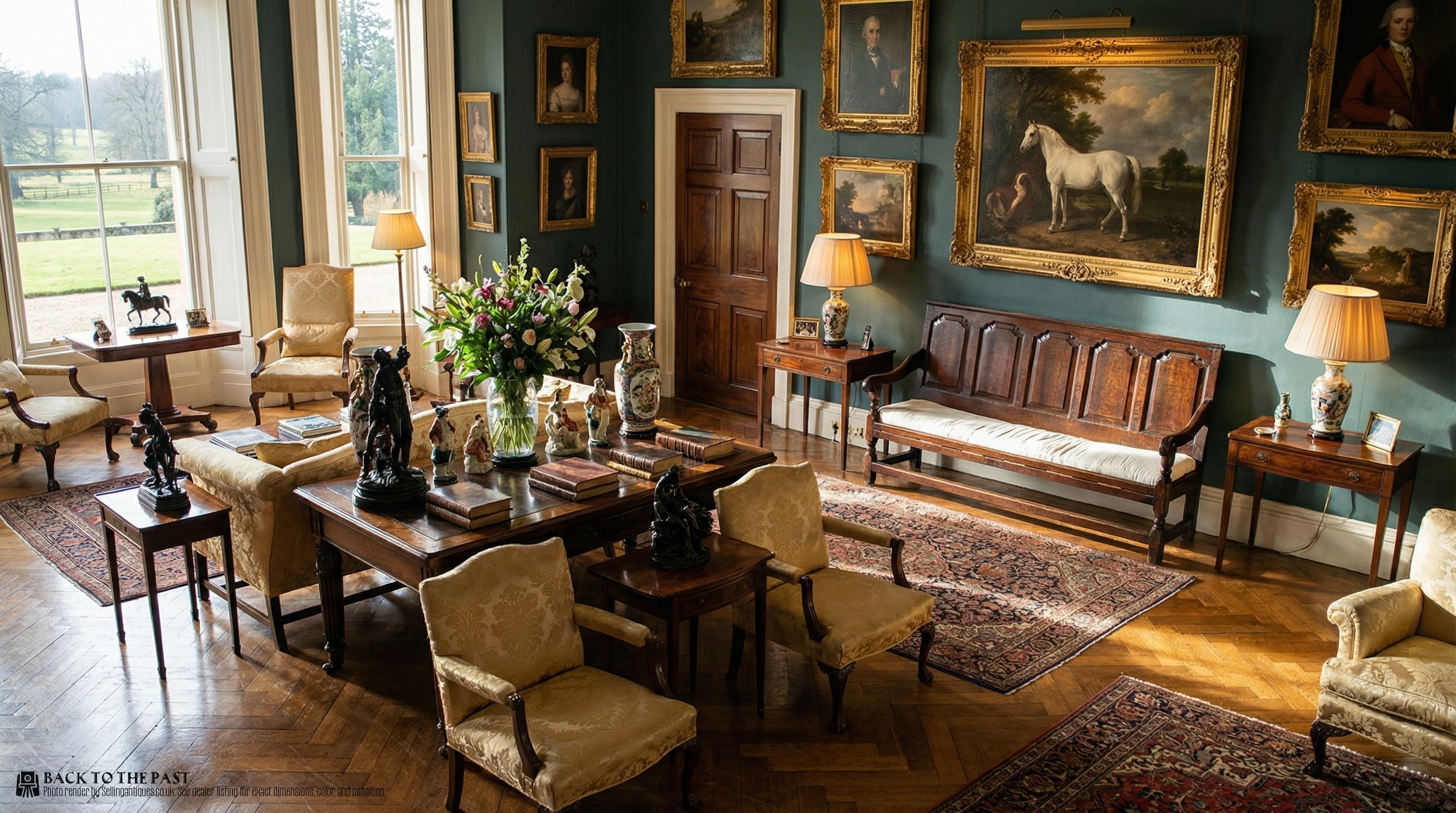
Period Oak Seating
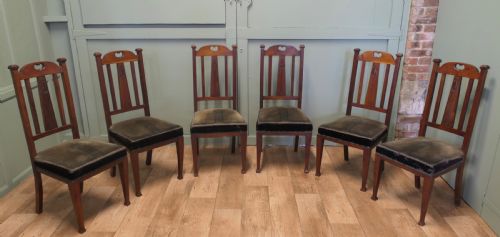
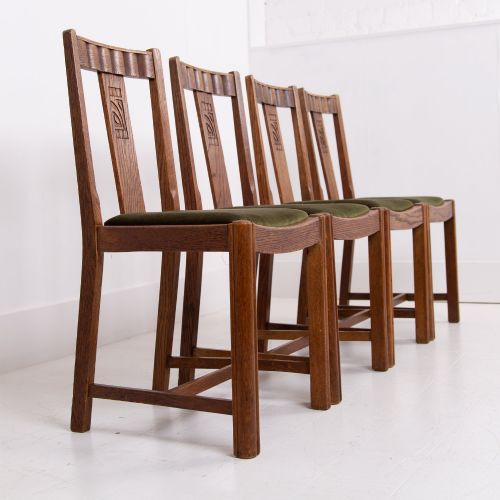
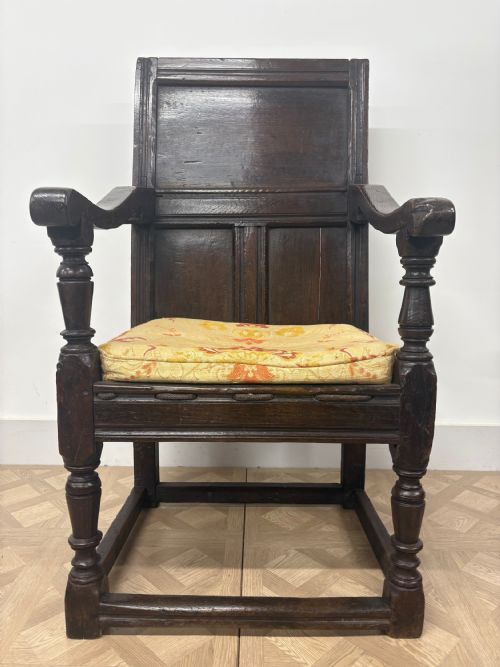
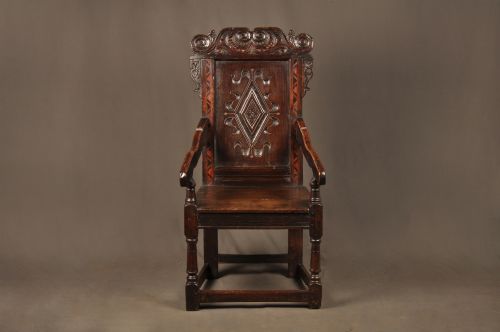
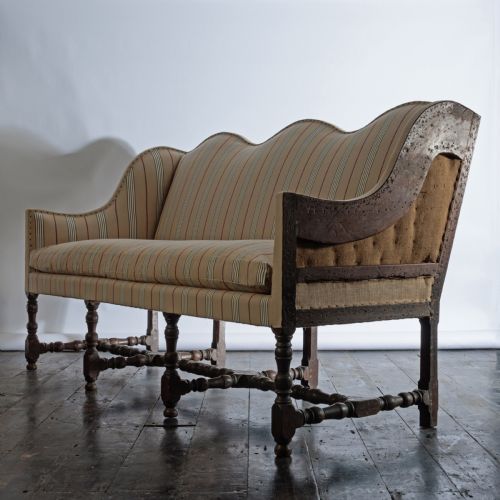
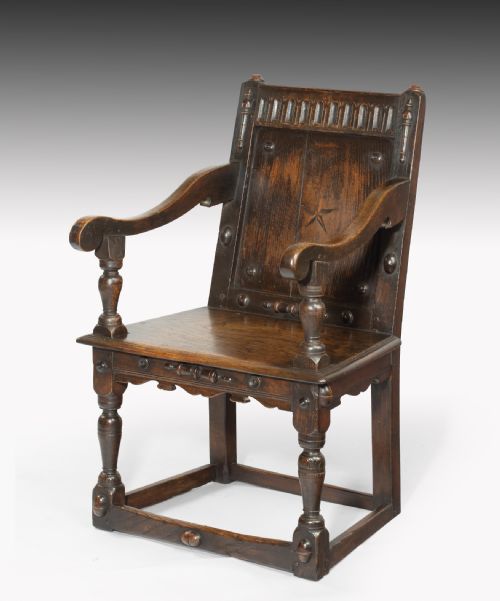
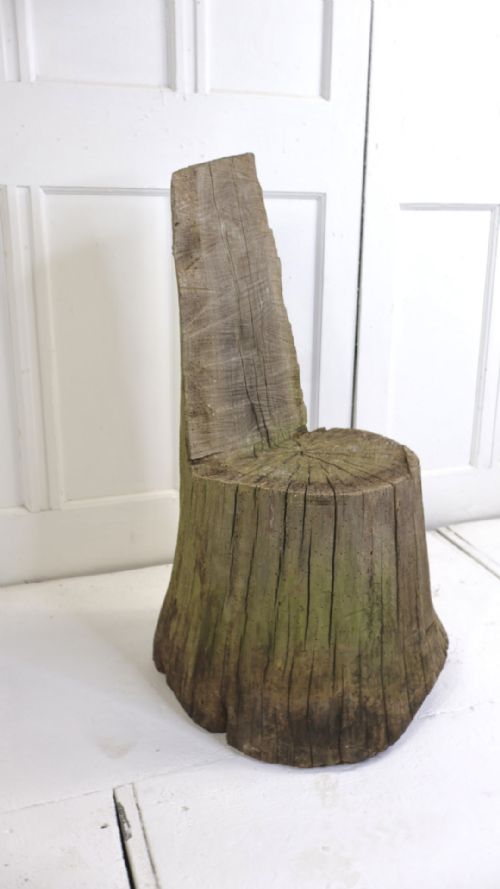
Period oak seating covers heavy timber furniture produced across several centuries, from solid wainscot armchairs to ladderbacks and settles. These pieces formed the backbone of domestic interiors, constructed to endure daily domestic use.
The selections span seventeenth-century joined forms alongside later revivals from the nineteenth and twentieth centuries. Dining chairs and storage benches appear frequently, reflecting traditional household requirements.
Regional variations shape these forms, connecting pieces to specific English counties or broader British and Irish workshops. Vernacular traditions heavily influence country furniture output.
Construction and Materials
Makers utilised solid oak alongside secondary timbers like elm, fruitwood and ash for structural integrity. Panels were often frame-and-panel constructed to accommodate natural wood movement without splitting.
Joints relied on mortise and tenon connections secured with wooden pins rather than modern metal fasteners. Seats incorporated solid timber planks, rush matting or woven cordage.
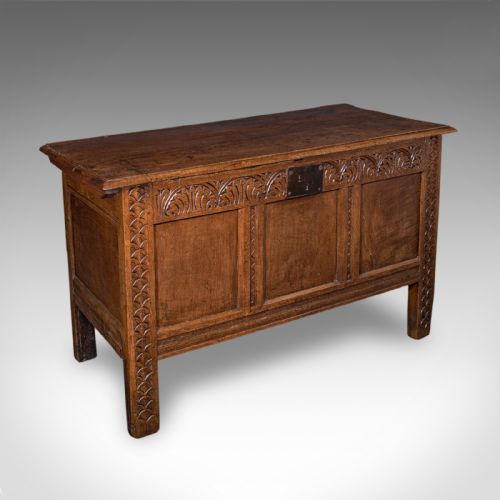
Carving and turning decorated uprights and crest rails on higher-status seating, while vernacular pieces prioritised utilitarian strength. Surface finishes developed through centuries of waxing and handling.
Period Oak Seating Retail Price Guide 2026
Typical asking prices for period oak seating among the pieces listed under this phrase on Sellingantiques today, from the lower quarter to the upper quarter. They describe what is for sale here now, not the wider market.
Listings feature seventeeth-century joined forms alongside nineteenth-century revivals, utilising oak, elm, ash, and rush.
Evaluating Quality
Proportion and timber selection dictate the distinction between standard utilitarian seating and high-status examples. Tighter grain patterns and heavy timber substance indicate superior original material.
The integrity of original joinery and minimal timber replacement determine structural authenticity. Excessive historic alterations or extensive rebuilding diminish the integrity of early forms.
Strahan of Dublin
The Period Oak Seating Glossary
- Wainscot chair
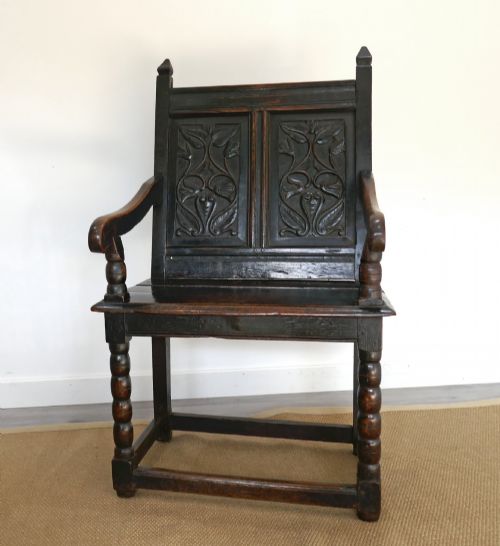
- A heavy wooden armchair of seventeenth-century origin featuring panelled backs and solid armrests. These pieces represent high-status domestic seating.
- Joint stool
- A low wooden stool constructed with mortise and tenon joints rather than turned legs inserted into a seat. They served multiple seating and utility functions.
- Settle
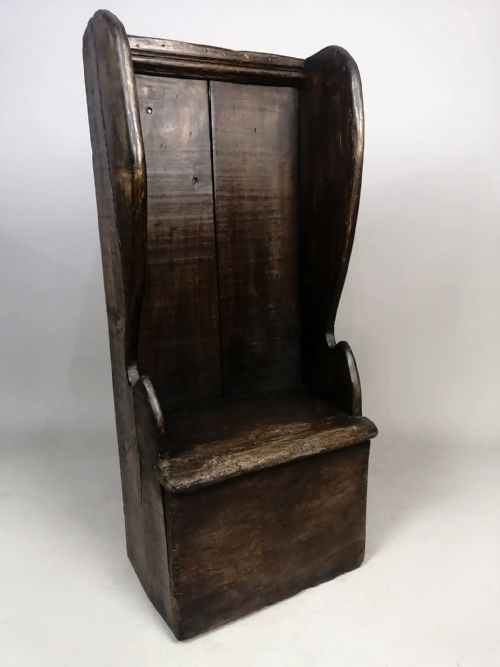
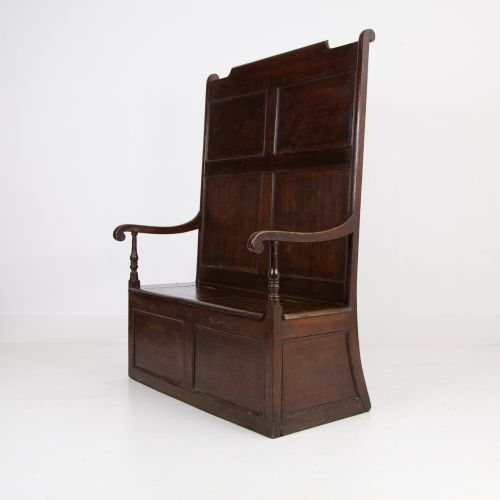
- A high-backed wooden bench with solid arms and a storage box base designed to block drafts. They stood near hearths in early homes.
- Ladderback
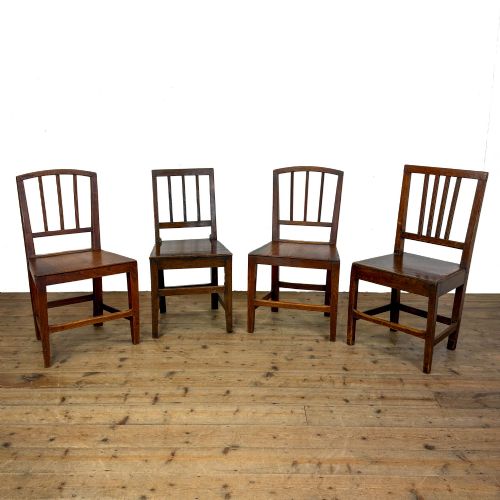
- A chair style featuring horizontal slats fitted between two vertical rear posts. Rush or woven seating typically accompanied this lightweight frame.
- Harlequin set
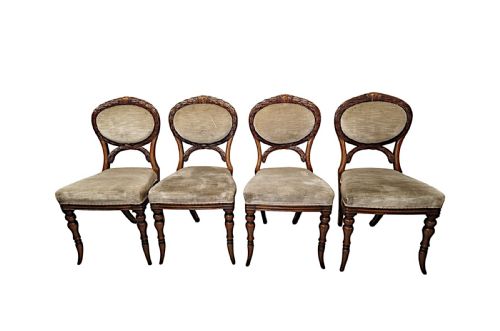
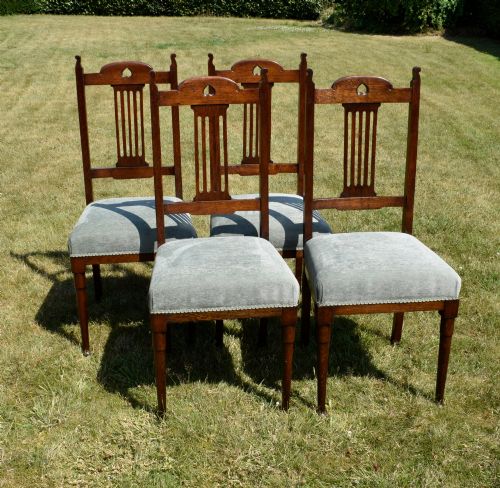
- A collection of chairs matching closely in style and period rather than originating as an identical workshop set. Such groupings formed organically over time.
Period Oak Seating: Frequently Asked Questions
How do I date a wainscot chair?
Dating relies on joinery methods, carving styles and timber characteristics consistent with seventeenth-century production. Early examples display pegged mortise and tenon joints alongside native oak construction.
Panels and crest rails provide stylistic clues linked to specific regional workshops and reigning periods.
Are these chairs comfortable for daily use?
Early wooden seating offers upright support rather than cushioned lounging, reflecting period domestic habits. Solid timber seats and high backs encourage an upright posture.
Adding loose squab cushions provides modern comfort while preserving the historic wooden frame.
What is a box settle?
A box settle combines a high-backed wooden bench with an integrated storage chest beneath the seat. This dual-purpose form kept rooms tidy while blocking cold drafts near the fire.
These pieces anchored communal spaces in early country houses and farmsteads.
How do I care for antique oak furniture?
Maintaining period timber requires stable indoor humidity away from direct heat sources and sunlight. Natural beeswax applied sparingly keeps the grain nourished without building heavy residue.
Gentle dusting with a dry cloth protects the historic surface patina.