






Charles II Oak Chair
A charles ii oak chair brings seventeenth-century joinery and sturdy domestic history straight into a modern room.
Charles II Oak Chair
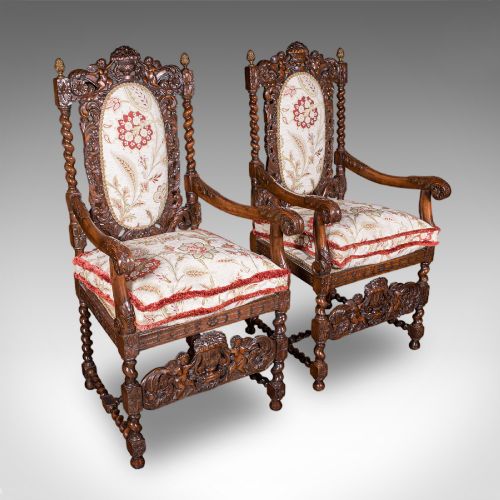
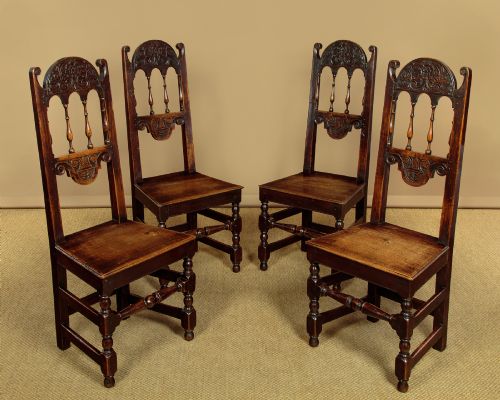
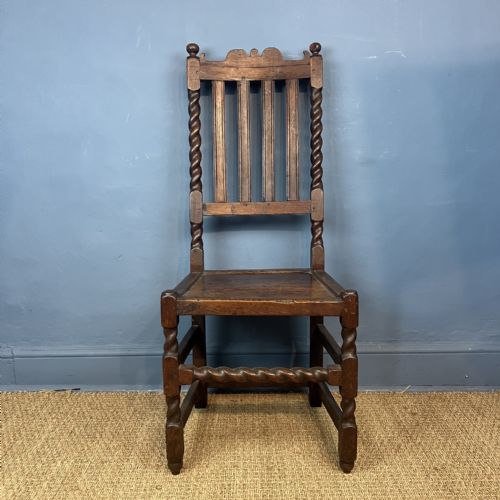
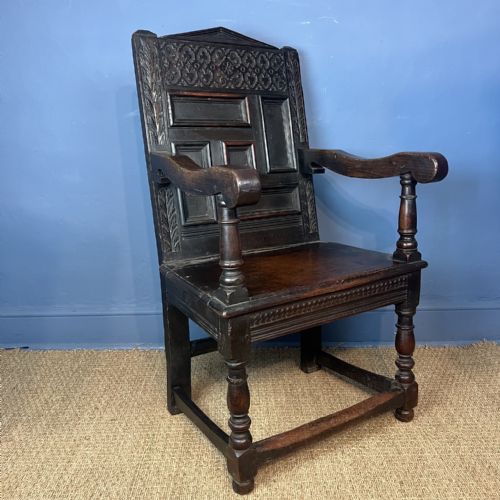
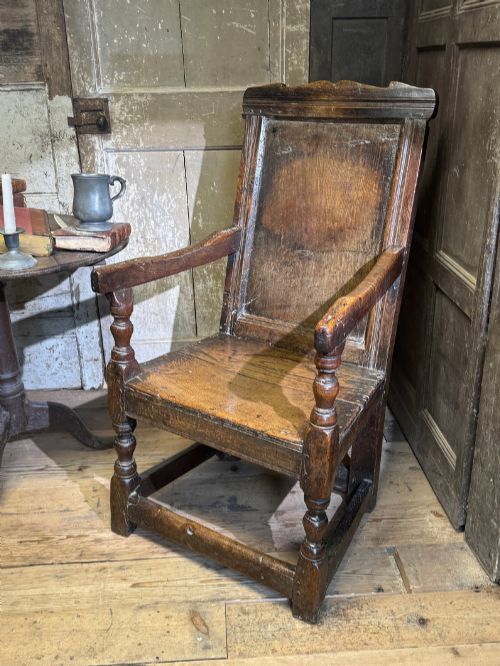
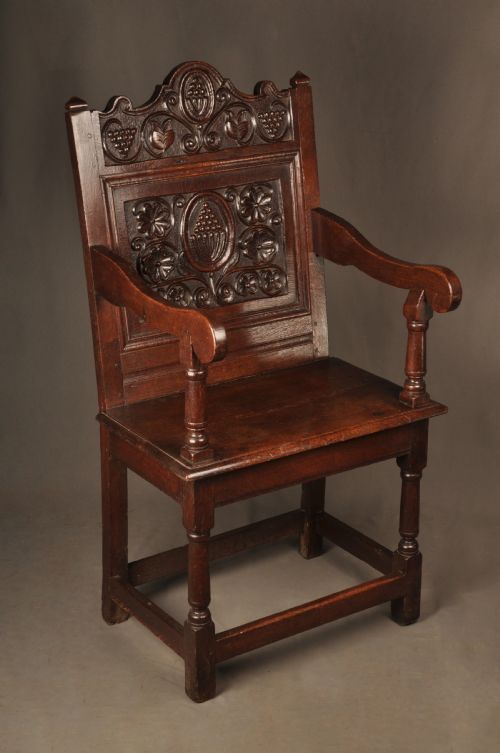
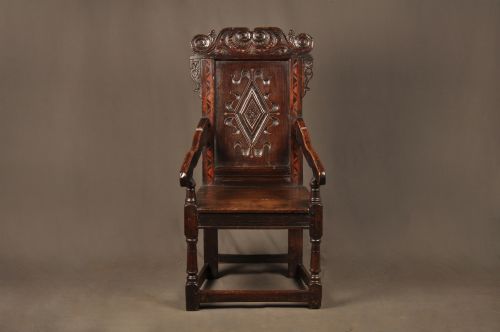
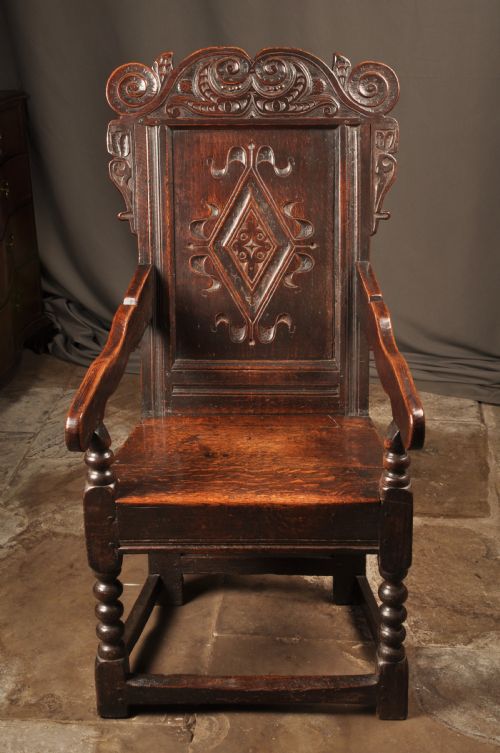
A charles ii oak chair is a heavy, timber-framed seat dating principally to the seventeenth century, encompassing solid armchairs, side chairs, and provincial backstools. Buyers seeking this phrase encounter sturdy wainscot forms with high backs, alongside carved regional variations from Yorkshire, Derbyshire, and the West Country.
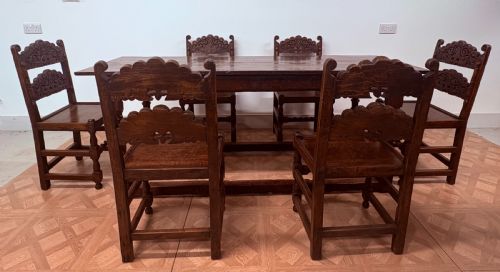
Regional vernacular styles dominate the pieces found on this page, reflecting distinct local cabinet-making traditions from Lancashire, Wales, and northern English counties. While formal walnut pieces occasionally appear, the predominant form relies on native oak timber combined with joined construction rather than glued joints.
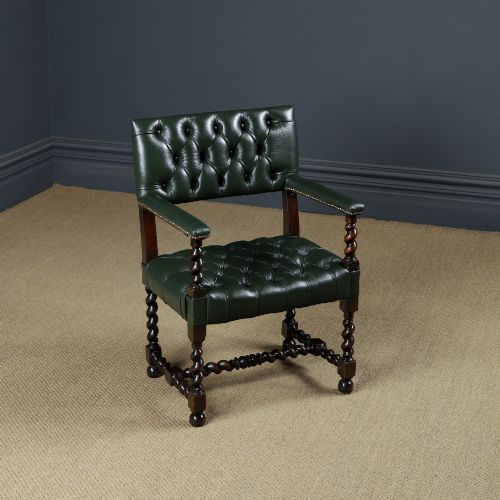
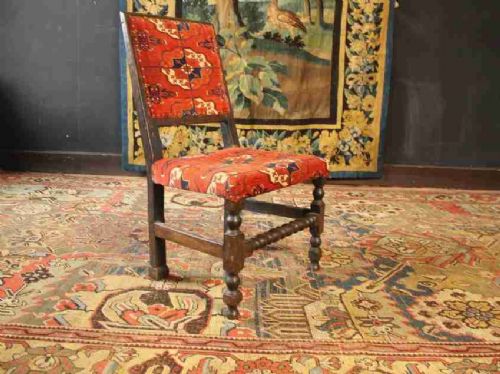
The survival of these chairs spans actual seventeenth-century production and nineteenth-century revival interpretations built in the Carolean style. Both categories offer robust seating with panelled backs, turned legs, and occasional textile or cane upholstery depending on the exact decade of origin.
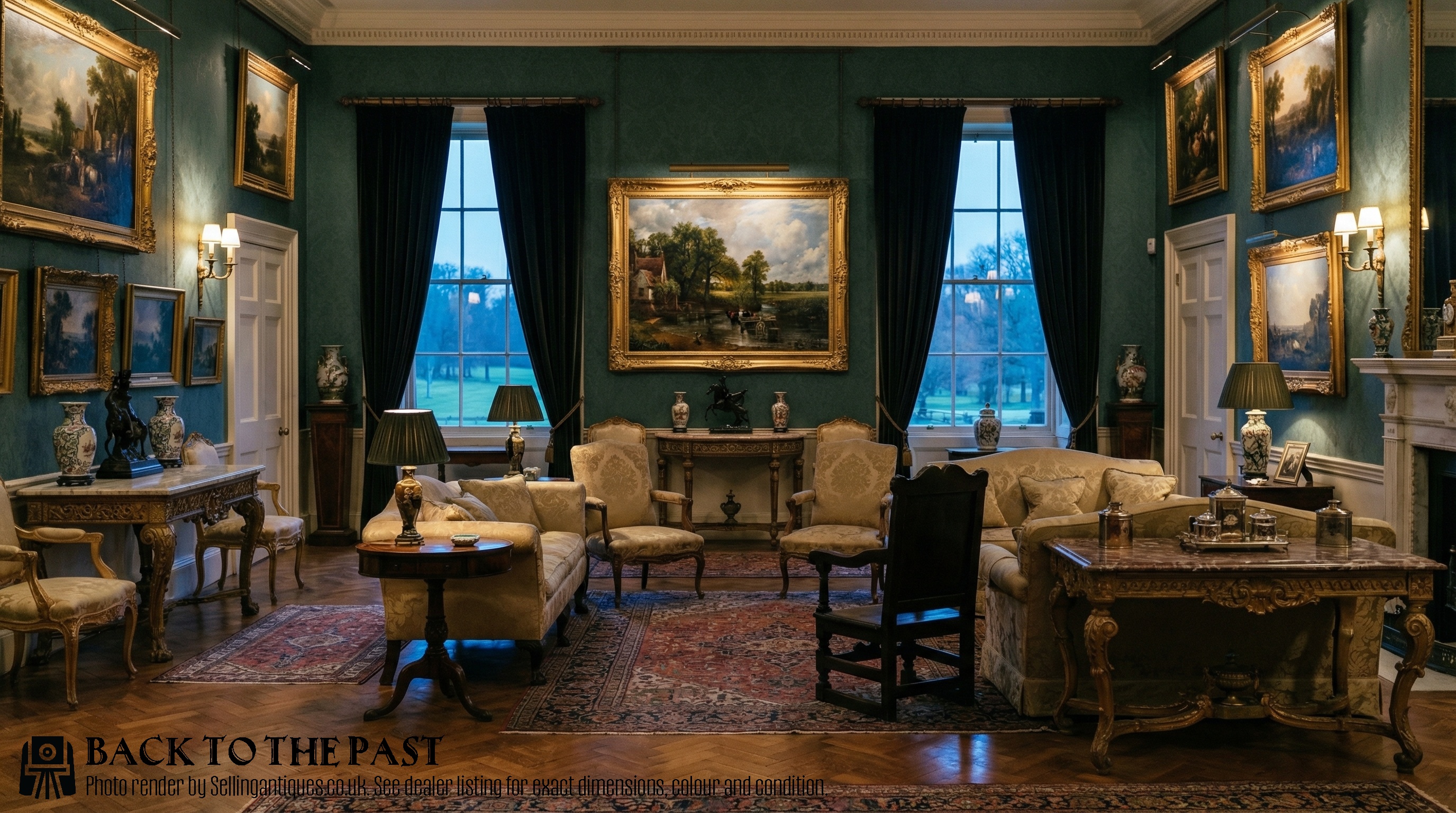
Materials and Construction
Makers built these seats using solid oak planks shaped with hand saws, adzes, and drawknives, securing the frame with pegged mortise and tenon joints. Regional carpenters turned stretchers and uprights on pole lathes, producing heavy structural members designed to withstand daily use on flagged or boarded floors.
Carving was applied directly to the solid oak stiles and top rails, utilising gouges and chisels to create geometric strapwork, scrolling foliage, and crested motifs. Secondary woods such as yew occasionally appear in regional panels, while upholstery additions relied on nailed textiles, velvet, or woven cane inserted into pierced frames.
Charles II Oak Chair Retail Price Guide 2026
Typical asking prices for charles ii oak chair among the pieces listed under this phrase on Sellingantiques today, from the lower quarter to the upper quarter. They describe what is for sale here now, not the wider market.
Regional styles span Yorkshire, Derbyshire, Lancashire, and the West Country.
Evaluating Quality and Character
Quality rests in the crispness of the original carved detail and the depth of the timber's natural patina built through centuries of handling. Pieces retaining their original joined bases and unreplaced structural timbers command greater respect among collectors than those heavily rebuilt during later centuries.
Proportion and regional idiosyncrasy separate standard production from superior vernacular examples, particularly where local turners expressed distinct county styles in the crest rails and spindles. The integration of secondary materials like cane or tapestry panels also differentiates simple functional seating from high-status domestic chairs.
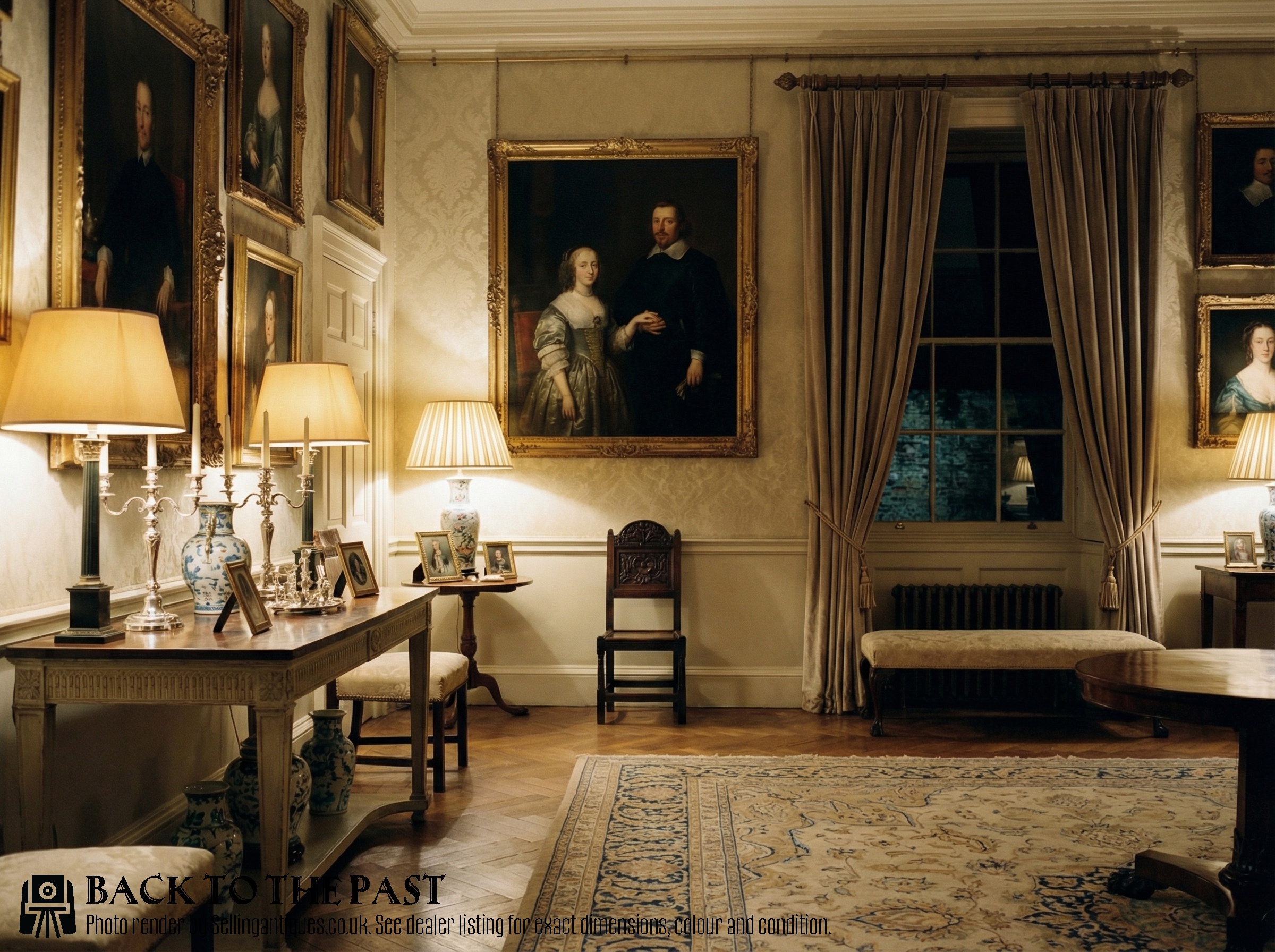
The Charles II Oak Chair Glossary
- Wainscot chair
- A heavy wooden armchair constructed from panelled oak with a solid seat, popular in the seventeenth century. These sturdy seats often featured carved back panels and robust armrests.
- Backstool
- An early term for a chair without arms, essentially a side chair designed for dining or hall use. They frequently appeared in sets alongside matching armchairs.
- Joint stool
- A furniture form constructed using pegged mortise and tenon joinery rather than turned legs alone. The technique shares methods directly with the framing of early chairs.
- Strapwork
- A carved decorative motif resembling flat interlaced bands or leather straps arranged in geometric patterns. It frequently decorates the top rails of Yorkshire and Lancashire chairs.
- Cane
- Strips of woven rattan used for seat and back panels on late seventeenth-century chairs to provide lighter flexible support. It is often paired with carved walnut or oak frames.
Charles II Oak Chair: Frequently Asked Questions
How do I spot a true seventeenth-century chair?
Examine the construction methods visible underneath and at the joints, looking for hand-cut pegged tenons, irregular tool marks, and dense timber shrinkage.
True period examples show deep surface patination and wear patterns consistent with centuries of domestic use, distinguishing them from later revival pieces.
What is a wainscot chair?
A wainscot chair is an imposing wooden armchair made mostly of oak with panelled backrests and solid wooden seats. They originated when timber was expensive and joinery required heavy framing to stay stable.
These pieces served as principal seats of authority in seventeenth-century households before lighter upholstered furniture became common.
How should I care for antique oak furniture?
Maintain stable room humidity and keep wooden chairs away from direct heat sources, radiators, and strong sunlight to prevent timber splitting.
Apply traditional beeswax occasionally and buff gently with a soft cloth to nourish the historic surface without stripping the natural patina.
Where were regional chairs made?
Regional workshops operated across northern counties like Yorkshire and Derbyshire, alongside West Country and Welsh centres. Each area developed distinct turning patterns and carving styles on local oak.
Cabinet-makers in these communities adapted London fashions to suit local timber supplies and traditional joinery techniques.