
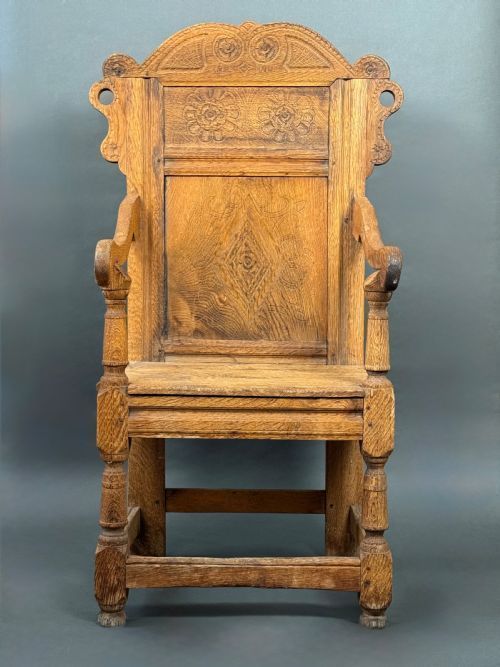
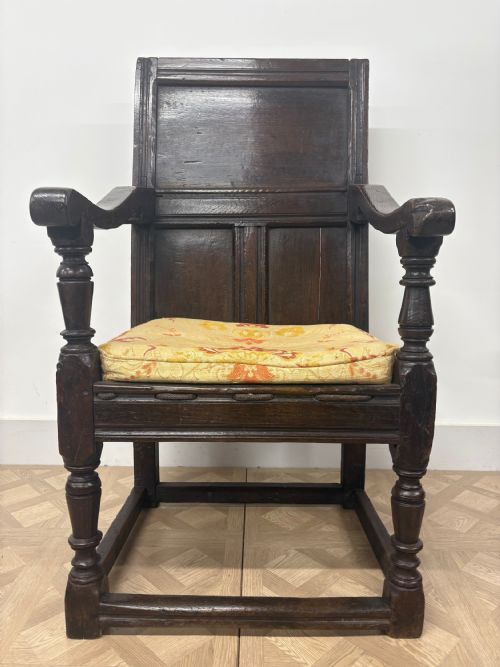
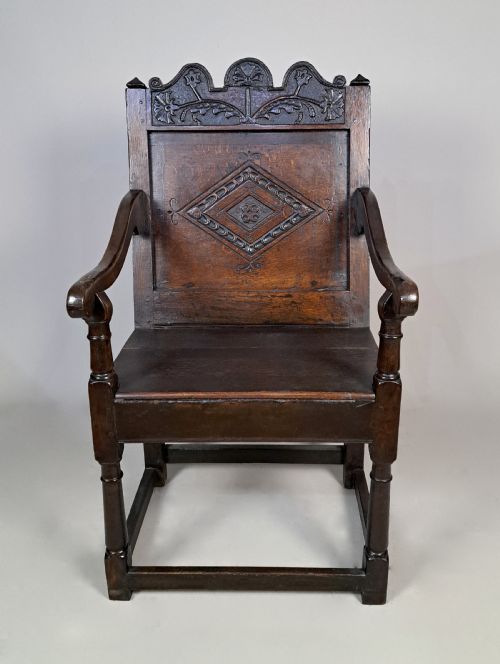
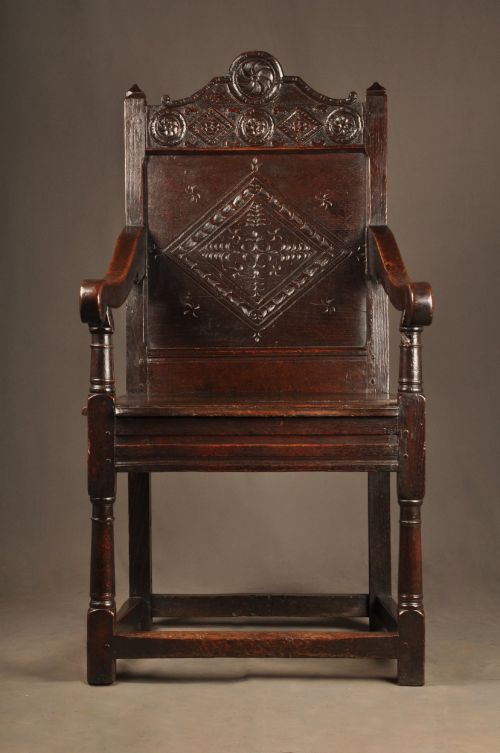



Period Oak Panel Chair
A period oak panel chair brings substantial timber construction and historic character into a room.
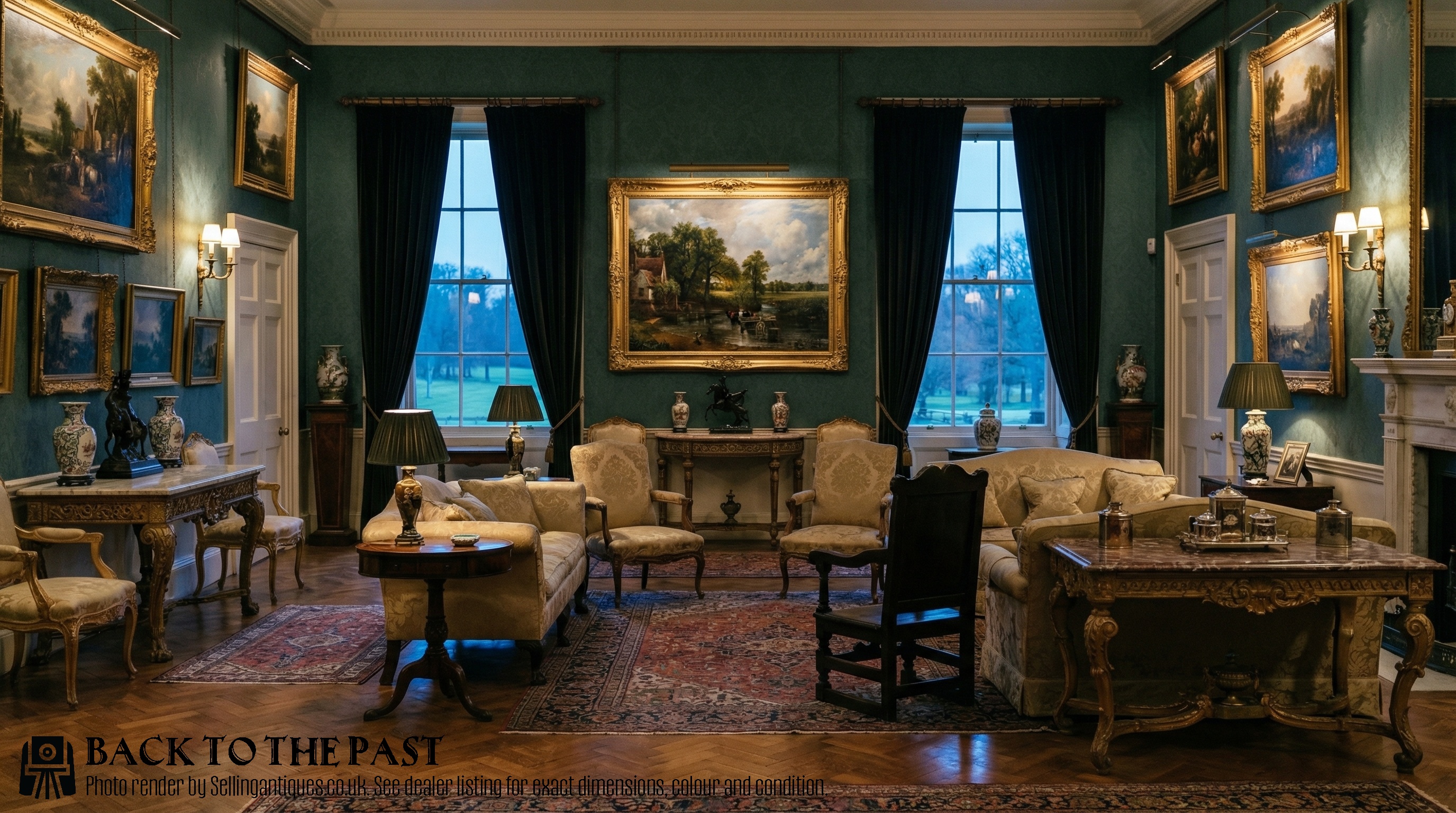
Period Oak Panel Chair
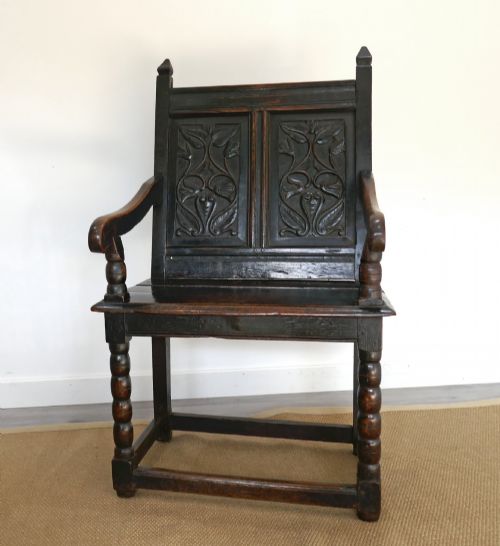
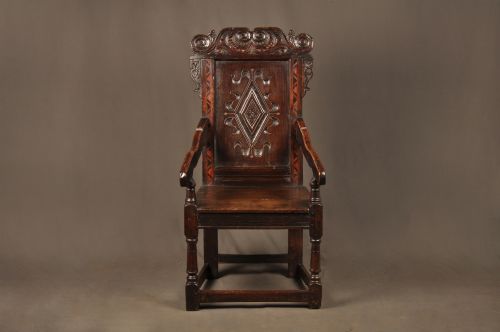
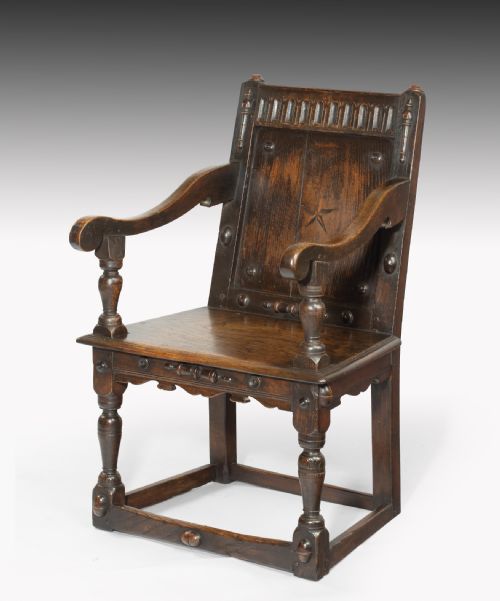
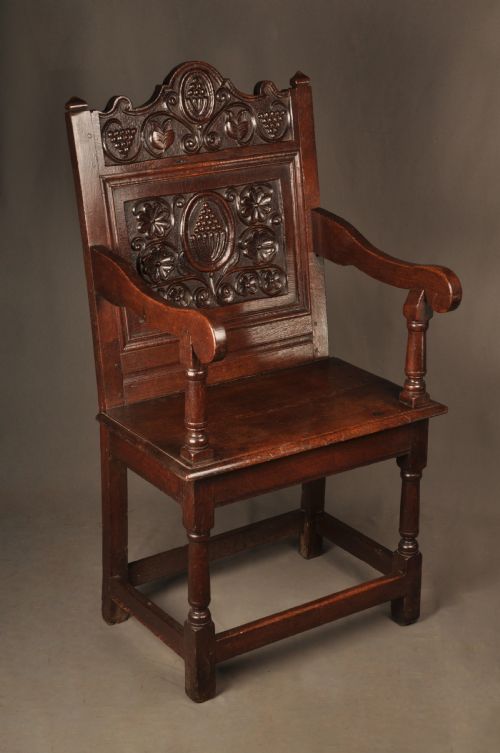
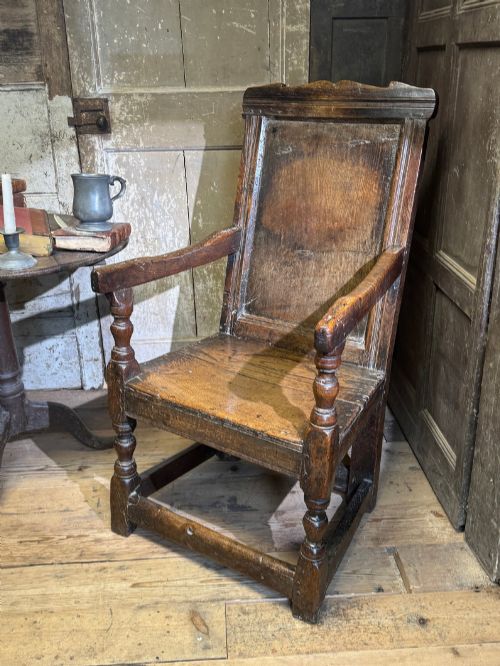
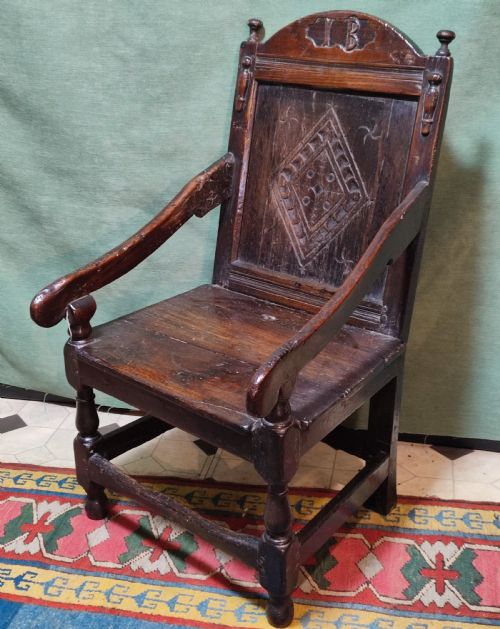
A period oak panel chair is a sturdy wooden seat constructed with solid timber panels, often referred to in listings as a wainscot chair, backstool, or great chair. These pieces trace back primarily to the seventeenth and eighteenth centuries, originating from English, Welsh, and regional workshops in Yorkshire, Lancashire, and Cheshire.
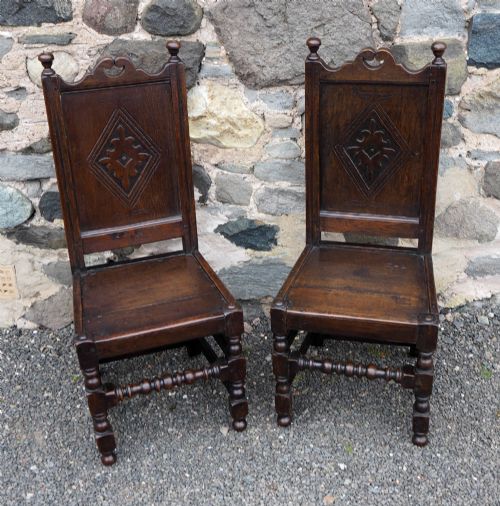
Buyers will most frequently encounter wainscot armchairs and side chairs dating from the seventeenth century, alongside occasional eighteenth-century examples and nineteenth-century interpretations. Forms range from full-sized master armchairs to smaller child and ladies variants.
Regional variations appear across the inventory, including Welsh country pieces and North Country designs. These seating options serve practical functions in halls, dining rooms, and studies while displaying traditional joinery.
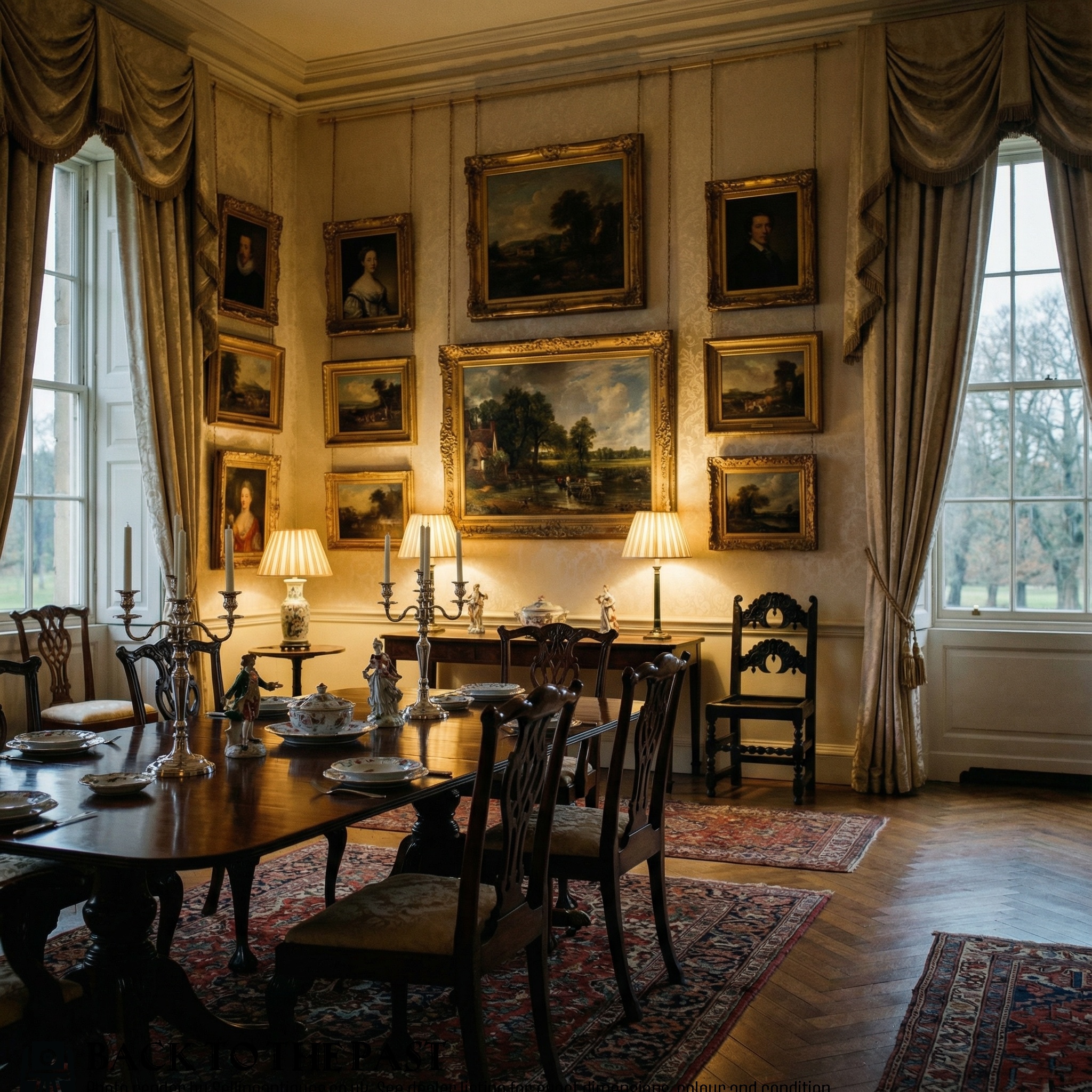
What Varies in Quality
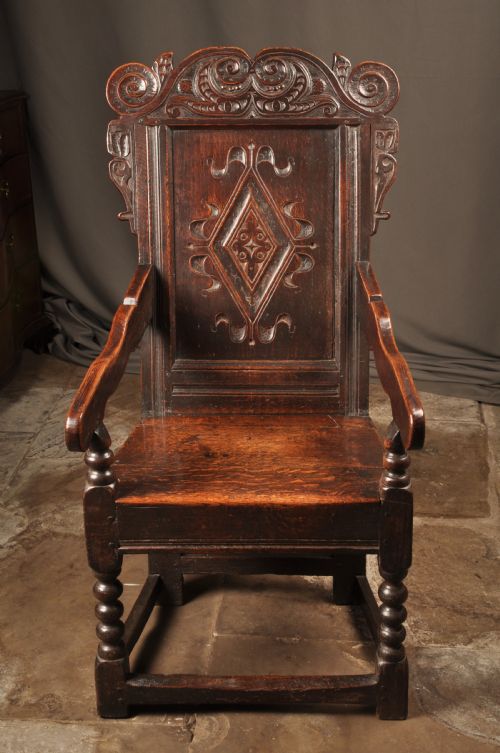
Quality rests upon the proportion and integrity of the timber, alongside the crispness of any carved decoration on the back panel. Pieces retain higher standing when they maintain their original structural components rather than extensive modern timber replacements.
The desirability of a piece often connects to regional attribution, early provenance, and the warmth of the natural surface colour developed over centuries of use.
Listings span seventeenth-century Jacobean pieces through to Victorian adaptations, constructed predominantly in solid oak with occasional yew and cane.
The Period Oak Panel Chair Glossary
- Wainscot chair
- A wooden armchair characterised by a panelled back and solid wooden seat, common in the seventeenth century. These sturdy seats derived their name from fine imported oak boards.
- Backstool
- An early term for an upholstered or panelled side chair without arms. They appeared alongside larger armchairs in seventeenth-century rooms.
- Joint stool
- A furniture form constructed with mortise and tenon joints, sharing construction techniques with panel back chairs. Carpenters built them to provide stable seating in early homes.
- Bobbin turning
- A form of lathe-turned furniture leg or stretcher resembling a string of bobbins or spools. This decorative woodworking technique appears on seventeenth-century frames.
- Great chair
- A historic term denoting a substantial armchair intended for the head of a household or important guest. These large seats often featured prominent panel backs.
Period Oak Panel Chair: Frequently Asked Questions
What is a wainscot chair?
A wainscot chair is a heavy wooden seat constructed with panelled backs, solid wooden seats, and armrests. They originated during periods when oak was the primary material for domestic furniture.
These pieces were built by joiners using pegged frame construction rather than nails. Their solid proportions made them principal items in seventeenth-century rooms.
How do I date a panel chair?
Dating relies on examining the construction methods, tool marks, and stylistic details such as carved motifs and turning patterns. Seventeenth-century examples often display simpler mortise and tenon joinery with pegged joints.
Later copies or nineteenth-century interpretations typically show different timber shrinkage patterns and machine-cut elements. Comparing regional styles from Yorkshire or Wales helps narrow down the origin.
Where were these chairs used?
Historic panel chairs stood in the principal rooms of seventeenth and eighteenth-century homes, including halls, parlours, and dining spaces. Their heavy oak construction suited them to daily household use.
Master armchairs often occupied positions of status at the head of a table or near a hearth. Smaller variants served in private chambers or nurseries.
Are these chairs comfortable?
Early oak chairs offer a firm, upright seating experience due to their solid timber construction and high panel backs. They were designed for posture rather than lounging.
Some examples were softened historically with loose cushions, textiles, or velvet pads. Modern buyers often use them as accent seating in studies or hallways.